
In today’s fast-paced and highly materialistic world, it’s easy to overlook the importance of nurturing a child’s spiritual growth. However, many parents wonder if it is possible to introduce their children to spirituality from a young age. While the concept may seem abstract and complex, experts suggest that exposing children to spirituality can have numerous benefits, such as fostering empathy, encouraging gratitude, and promoting a sense of purpose in their lives. By providing a loving and supportive environment that embraces spiritual teachings, parents can help their children embark on a journey of self-discovery and understanding beyond the physical realm.
Understanding Spirituality
Defining spirituality
Spirituality can be defined as the search for meaning, purpose, and connection with something greater than ourselves. It involves exploring our inner selves, our beliefs, and our relationship with the world around us. While spirituality is often closely associated with religion, it goes beyond religious practices and can be considered a personal journey of self-discovery and growth.
Exploring different spiritual beliefs and practices
Spirituality encompasses a wide range of beliefs and practices, each unique to individuals and cultures. Some may find solace and guidance through organized religions, while others may adopt a more eclectic and personal approach. Spiritual beliefs can include a belief in a higher power, nature, energy, or simply the interconnectedness of all things. Practices such as meditation, prayer, mindfulness, and rituals are common ways to cultivate spirituality.
Importance of spirituality in personal growth and well-being
Spirituality plays a vital role in personal growth and well-being. It provides a framework for understanding ourselves and the world around us, helping us make sense of life’s challenges and find purpose. Engaging in spiritual practices can cultivate inner peace, mindfulness, and self-awareness, promoting emotional and mental well-being. It also fosters a sense of connectedness, empathy, and compassion towards others, leading to more harmonious relationships and a greater sense of fulfillment.
Developmental Considerations
Understanding children’s cognitive and emotional development
When introducing spirituality to children, it is important to consider their cognitive and emotional development. Young children may have limited abstract thinking abilities, focusing more on concrete experiences. As they grow older, their cognitive abilities expand, opening doors for deeper exploration and understanding. Emotionally, children develop empathy and a sense of self gradually, allowing for the integration of spiritual concepts into their lives at different stages.
Age-appropriate ways to introduce spirituality
Introducing spirituality to children should be done in age-appropriate ways to facilitate their understanding and engagement. For young children, simple and concrete concepts such as gratitude, kindness, and the wonders of nature can be introduced through stories, activities, and everyday experiences. As children grow older, more complex spiritual concepts, ethical discussions, and exploration of diverse traditions can be incorporated into their learning.
How spirituality can support children’s development
Spirituality can greatly support children’s development in various ways. It fosters their emotional well-being by providing a sense of security, meaning, and purpose. It encourages children to develop a strong moral compass, enhancing their character development and decision-making skills. Spirituality also promotes resilience, helping children navigate through life’s challenges and setbacks with a greater sense of inner strength and coping mechanisms.

This image is property of images.unsplash.com.
Benefits of Introducing Spirituality to Children
Enhancing self-awareness and self-esteem
Introducing spirituality to children helps cultivate self-awareness by inviting them to explore their thoughts, emotions, and values. By understanding their inner selves, children develop a deeper sense of identity, self-acceptance, and self-esteem. They learn to recognize their unique strengths and abilities, fostering a positive self-image and confidence in their own abilities.
Fostering empathy and compassion
Spirituality encourages children to develop empathy and compassion towards others. By exploring spiritual teachings and engaging in acts of kindness, children learn to recognize the interconnectedness and interdependence of all beings. They gain a greater understanding and appreciation for the feelings and experiences of others, promoting kindness, empathy, and a desire to help and support those in need.
Promoting a sense of purpose and meaning
Introducing spirituality to children helps them discover a sense of purpose and meaning in their lives. By exploring their own beliefs and values, children are guided to develop a deeper understanding of themselves and their place in the world. This sense of purpose and meaning can motivate and inspire children, giving them a sense of direction and guiding their actions and choices.
Cultivating resilience and coping skills
Spirituality provides children with tools to navigate through life’s challenges and setbacks, fostering resilience and coping skills. Through spiritual practices such as meditation, mindfulness, and prayer, children learn to manage stress, regulate their emotions, and find inner peace. These tools help them build a strong foundation for emotional well-being, adaptability, and the ability to bounce back from adversity.
Religious vs. Spiritual Approach
Differentiating religion and spirituality
While religion and spirituality are often intertwined, there are key differences between the two. Religion typically involves a set of organized beliefs, practices, and rituals within a specific framework. It often includes a defined set of doctrines, traditions, and community structures. Spirituality, on the other hand, is a more individual and personal exploration of the self, meaning, and connection to the divine or the universe. It is not bound by specific rules or institutions.
Balancing religious teachings and personal exploration
When introducing spirituality to children, it is important to strike a balance between religious teachings and personal exploration. For families with a specific religious tradition, incorporating religious teachings can provide children with a solid foundation and community support. However, allowing space for personal exploration and interpretation of spiritual concepts encourages children to understand and define their beliefs based on their own experiences and values.
Respecting diverse religious and spiritual beliefs
In a world of diverse beliefs, it is important to respect and embrace different religious and spiritual perspectives. Encouraging children to learn about and respect various traditions fosters inclusivity, tolerance, and mutual understanding. It enables children to appreciate the richness and diversity of human spirituality, promoting a more harmonious and interconnected world.
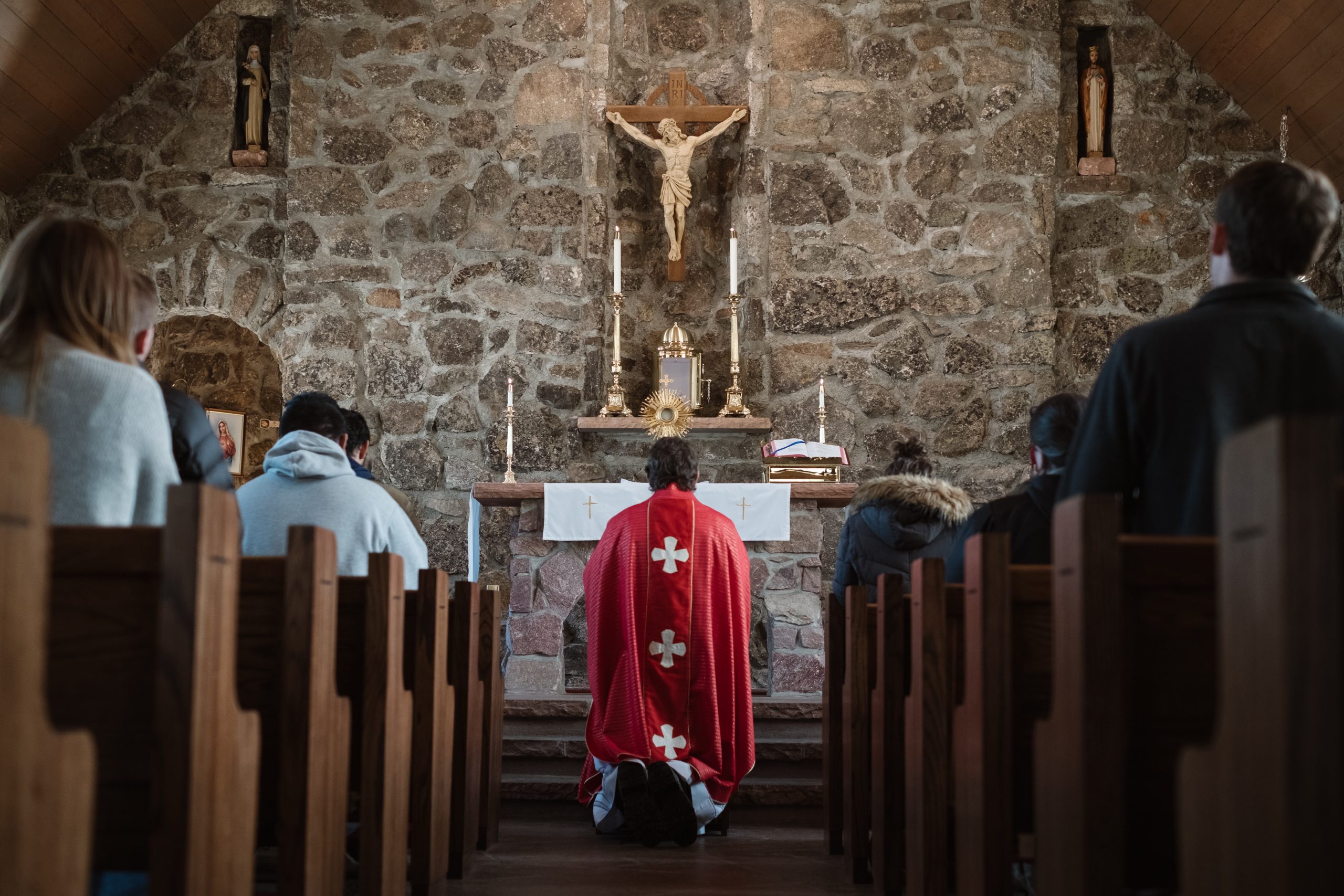
This image is property of images.unsplash.com.
Methods for Introducing Spirituality to Children
Engaging in open dialogues about spiritual concepts
Engaging in open and age-appropriate dialogues about spiritual concepts is a powerful way to introduce children to spirituality. Talking about big questions, such as life, death, and the meaning of existence, helps children develop a curious and reflective mindset. These conversations can occur during daily activities, storytime, or family rituals, allowing children to express their thoughts and ask questions in a safe and nurturing environment.
Encouraging mindfulness and reflection
Mindfulness and reflection practices help children develop a deeper awareness of their thoughts, emotions, and sensations. By encouraging children to pause, breathe, and be present, they learn to cultivate focused attention and inner calm. Activities such as mindful breathing, guided visualizations, or body scans can be incorporated into daily routines, helping children develop mindfulness as a lifelong practice.
Utilizing storytelling and visual aids
Storytelling is a powerful tool for introducing spiritual concepts to children. Stories from various religious and cultural traditions help children connect with different beliefs and values. Visual aids such as illustrations, symbols, or sacred artifacts provide tangible representations of abstract concepts, making them more accessible and engaging for children. Incorporating these tools into storytelling sessions or arts and crafts activities deepens children’s understanding and appreciation of spirituality.
Exploring nature and the environment
Connecting children with nature and the environment is an inherent aspect of spirituality. Spending time outdoors, observing the wonders of the natural world, and fostering a nurturing relationship with the environment helps children develop a sense of interconnectedness and awe. Taking nature walks, gardening, or engaging in ecological projects encourage children to connect with the natural world and develop a deeper appreciation for its beauty and significance.
Introducing meditation and relaxation techniques
Meditation and relaxation techniques offer children a practical way to cultivate spirituality and inner peace. Simple activities such as guided visualization, breathing exercises, or progressive muscle relaxation can be introduced to help children quiet their minds, reduce stress, and find tranquility. These techniques teach children the value of self-care and provide them with practical tools for managing their emotions and promoting overall well-being.
Role of Parents and Caregivers
Modeling spiritual behaviors and attitudes
Parents and caregivers play a crucial role in introducing spirituality to children by modeling spiritual behaviors and attitudes. When children witness adults engaging in reflective practices, expressing gratitude, or demonstrating kindness, they learn by example. By embodying spiritual values and principles, adults create a nurturing environment that encourages children’s spiritual growth and development.
Creating a supportive and nurturing environment
Creating a supportive and nurturing environment is essential for children’s spiritual development. This includes providing a safe space for open dialogue, encouraging questions, and respecting children’s thoughts and experiences. Nurturing a sense of love, acceptance, and belonging helps children feel secure and supported as they explore their spirituality and navigate their own unique paths.
Encouraging exploration and questioning
Encouraging children to explore and question their beliefs is a vital part of their spiritual development. It is important for parents and caregivers to create an environment where children feel comfortable sharing their doubts, thoughts, and experiences. By validating their curiosity and providing opportunities for exploration, adults empower children to develop critical thinking skills and form their own authentic beliefs.
Finding age-appropriate spiritual resources and materials
Parents and caregivers can support children’s spiritual development by finding age-appropriate resources and materials that align with their values. Books, websites, and other media that explore spiritual themes, traditions, and stories offer children opportunities for learning and growth. It is important to ensure that these resources are accessible, inclusive, and respectful of diverse beliefs and perspectives.

This image is property of images.unsplash.com.
Challenges and Concerns
Respecting children’s autonomy and freedom of choice
One challenge in introducing spirituality to children is respecting their autonomy and freedom of choice. While adults may guide and provide opportunities for exploration, it is important to allow children to form their own beliefs and make decisions that resonate with them. Respecting their autonomy ensures that their spiritual development is authentic and aligned with their individual needs and values.
Addressing skepticism or resistance towards spirituality
Skepticism or resistance towards spirituality from children or even adults can pose a challenge. In these situations, it is crucial to foster an open and non-judgmental atmosphere for discussion and exploration. Providing space for questions, doubts, and differing opinions allows individuals to express their perspectives and engage in meaningful conversations that can lead to greater understanding and acceptance.
Navigating conflicting beliefs within families
Conflicting beliefs within families can raise challenges when introducing spirituality to children. It is important to approach these situations with patience, empathy, and respect for all family members’ viewpoints. Open communication, mutual understanding, and finding common ground can help families navigate and reconcile their differences, fostering an environment that supports everyone’s spiritual growth.
Mitigating potential harmful effects of extreme beliefs
Extreme beliefs or practices associated with spirituality or religion can potentially pose risks to children’s well-being. It is crucial for parents and caregivers to be vigilant and aware of harmful or restrictive teachings that may negatively impact children’s physical, emotional, or psychological well-being. Balancing spiritual exploration with critical thinking, inclusivity, and an emphasis on personal values and ethics can help mitigate the potential harm of extreme beliefs.
Incorporating Spirituality into Education
Exploring spiritual themes in literature and arts
Incorporating spirituality into education can support children’s holistic development. Exploring spiritual themes, values, and lessons in literature and arts provides opportunities for reflection, discussion, and personal growth. By introducing diverse children’s books, stories, and artistic expressions, educators can encourage children to explore their spirituality within the academic setting.
Integrating mindfulness and meditation in school curricula
Integrating mindfulness and meditation practices into school curricula provides children with valuable tools for self-regulation, stress reduction, and overall well-being. Incorporating brief moments of mindfulness, relaxation exercises, or even dedicated quiet spaces into the school day allows children to experience and benefit from the transformative power of these practices.
Promoting moral and ethical values through spirituality
Spirituality can be a powerful vehicle for promoting moral and ethical values in education. Through discussions, activities, and real-life examples, educators can help children understand and navigate moral dilemmas, develop empathy, and cultivate a sense of social responsibility. Integrating spiritual values such as kindness, compassion, and integrity into the fabric of education builds character and prepares children to be responsible global citizens.
Creating inclusive spaces for diverse spiritual beliefs
Creating inclusive spaces for diverse spiritual beliefs is essential in educational settings. Acknowledging, respecting, and celebrating diverse religious and spiritual perspectives fosters cultural sensitivity, understanding, and appreciation. By ensuring that all students feel safe and supported in expressing their spirituality, educators can create an inclusive environment that values and embraces diversity.

Cultural and Contextual Considerations
Recognizing and respecting cultural differences
When introducing spirituality to children, it is important to recognize and respect cultural differences. Understanding that spirituality can manifest differently across cultures promotes cultural sensitivity and avoids the imposition of a single belief system. Recognizing and appreciating diverse spiritual practices and beliefs enhances children’s understanding of the world and cultivates a global perspective.
Acknowledging the influence of societal norms
Societal norms and expectations play a significant role in shaping children’s understanding and acceptance of spirituality. It is important to acknowledge and critically examine these influences while encouraging children to develop their own beliefs and values. By fostering independent thinking and appreciation for diverse perspectives, children can navigate societal norms within the context of their own spirituality.
Addressing the role of spirituality in different contexts
The role of spirituality can vary in different contexts, such as home, school, or community. Recognizing and addressing these contextual differences allows for a more comprehensive understanding of spirituality. For example, spirituality may play a more prominent role in religious communities, while in secular environments, it may be approached from a more individualistic and personal perspective. By acknowledging these variations, children can develop a more nuanced understanding of spirituality’s place in different settings.
Building a Supportive Community
Connecting with like-minded families or groups
Building a supportive community of like-minded families or groups can provide children with a sense of belonging, support, and companionship on their spiritual journey. Finding and connecting with individuals who share similar beliefs and values fosters a sense of community and offers opportunities for shared experiences, discussions, and growth.
Engaging in communal activities and rituals
Engaging in communal activities and rituals is a powerful way to nurture spirituality within a supportive community. Coming together for prayer, meditation, ceremonies, or celebrations provides children with a sense of connection, shared values, and cultural identity. These experiences help foster a sense of community, mutual support, and a deeper appreciation for the power of collective spirituality.
Seeking guidance from spiritual leaders or mentors
Seeking guidance from spiritual leaders or mentors can provide children with valuable insights, teachings, and support. Spiritual leaders or mentors can offer guidance in navigating complex spiritual questions, facilitating discussions, and providing resources for further exploration. They serve as role models and sources of wisdom, inspiring children to deepen their spiritual understanding and growth.
Celebrating diversity and fostering mutual understanding
A supportive community embraces and celebrates diversity of beliefs and perspectives. It provides opportunities for children to learn about and engage with different spiritual traditions, fostering mutual understanding and respect. By actively encouraging dialogue, shared experiences, and cultural celebrations, communities can create an environment that promotes unity amidst spiritual diversity.
In conclusion, introducing spirituality to children can offer numerous benefits for their personal growth and well-being. Understanding the developmental considerations, exploring various spiritual beliefs, and utilizing appropriate methods can create a supportive environment for children’s spiritual development. Balancing religious teachings and personal exploration, respecting diverse beliefs, and addressing challenges and concerns are important aspects of introducing spirituality. By incorporating spirituality into education, acknowledging cultural and contextual differences, and building a supportive community, children can embark on a meaningful and fulfilling spiritual journey.