
In a world filled with disagreements and conflicts, many are turning to spirituality as a potential source of resolution. The question of whether spirituality can truly aid in conflict resolution is a pressing one, as it delves into the deeper aspects of human nature and the power of inner peace. By exploring the connection between spirituality and conflict resolution, we may uncover a path towards greater harmony and understanding.
The Role of Spirituality in Conflict Resolution
Conflict is an inevitable part of human existence. Whether it is personal disputes or larger-scale conflicts between nations, finding resolutions that satisfy all parties involved can be a challenging task. While many approaches to conflict resolution focus on practical and logical solutions, there is another dimension that can greatly contribute to the process – spirituality.
Exploring the Concept of Spirituality
Spirituality, in essence, refers to the belief in something greater than oneself and the connection to a higher power. It is a deeply personal and subjective experience, often rooted in religious or philosophical traditions. However, spirituality is not limited to religious beliefs; it can also encompass the search for meaning, purpose, and connection.
Understanding Conflict Resolution
Conflict resolution is the process of addressing and resolving disputes or disagreements between individuals or groups. It involves finding mutually acceptable solutions through negotiation, mediation, or other peaceful means. Conflict resolution aims to restore harmony, promote understanding, and reduce the negative impacts of conflict.
Examining the Intersection of Spirituality and Conflict Resolution
When spirituality is brought into the realm of conflict resolution, it offers a unique perspective and set of tools to address conflicts. Rather than solely focusing on external factors and material concerns, spirituality encourages individuals to tap into their inner wisdom and values. It offers a holistic and compassionate approach that can transform conflicts from win-lose situations to win-win outcomes.
The Importance of Spiritual Awareness
Developing Self-Awareness
Spirituality fosters self-awareness, which is crucial for conflict resolution. By engaging in reflective practices such as meditation, prayer, or journaling, individuals can develop a deeper understanding of their own emotions, needs, and triggers. This self-awareness helps in managing conflict more effectively by recognizing and addressing personal biases, reactions, and misconceptions.
Cultivating Empathy and Compassion
Spirituality emphasizes the interconnectedness of all beings and encourages the cultivation of empathy and compassion. By acknowledging the inherent worth and dignity of others, individuals can develop a genuine concern for the well-being of others during conflicts. This shift in perspective allows for greater understanding of opposing viewpoints, fostering empathy and paving the way for peaceful resolution.
Promoting Forgiveness and Letting Go
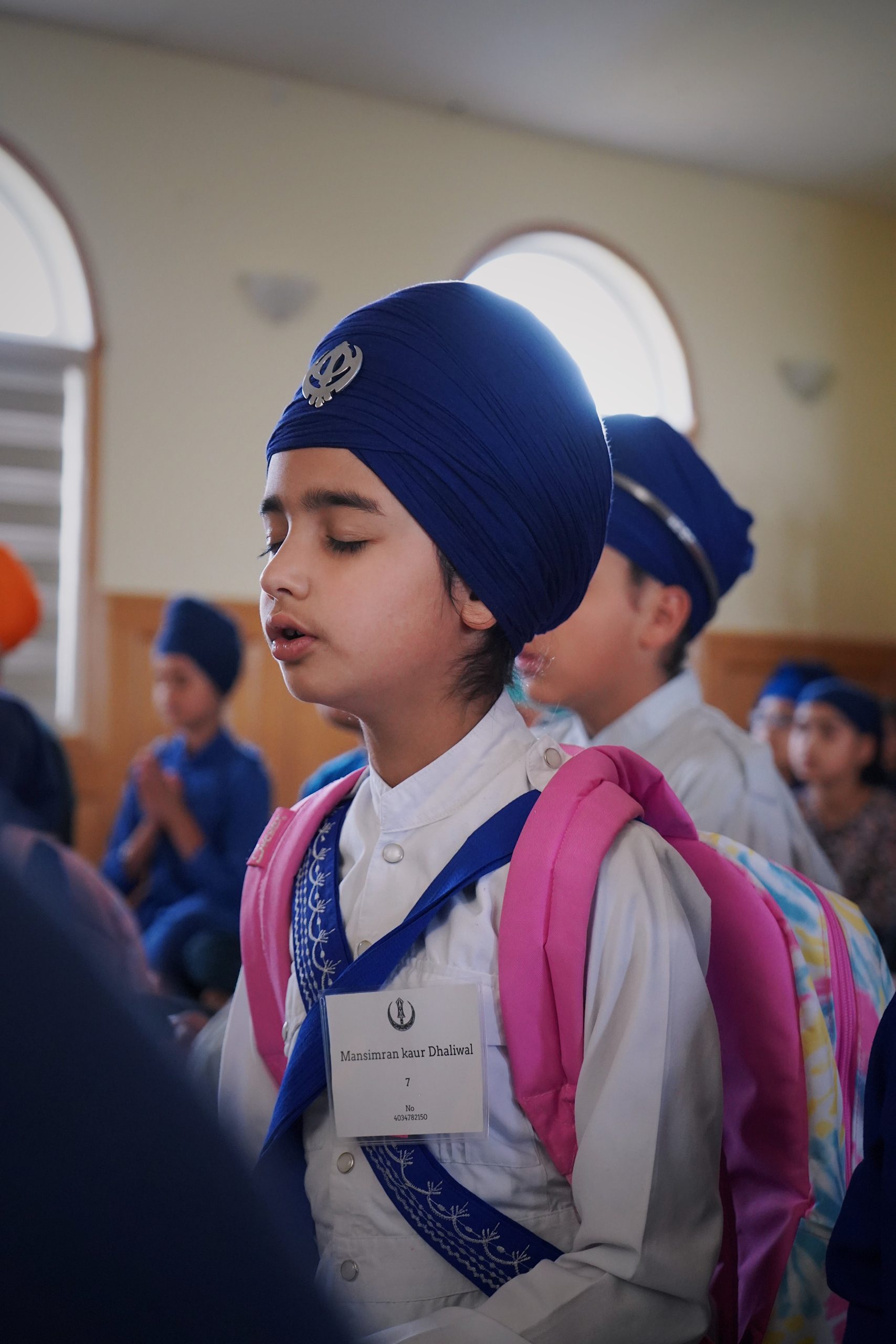
Forgiveness is a central tenet of many spiritual traditions. It involves letting go of resentment, anger, and the desire for revenge. By embracing forgiveness, individuals can release negative emotions and create space for healing and reconciliation. This willingness to forgive and let go can significantly contribute to conflict resolution by allowing parties to move forward without being burdened by grudges.
This image is property of images.pexels.com.
Spirituality as a Tool for Peaceful Communication
Promoting Active Listening
Active listening is a critical component of effective communication in conflict resolution. Rather than solely focusing on one’s own perspective, active listening involves genuinely hearing and understanding the other person’s point of view. Spirituality encourages individuals to be present and fully engaged in the listening process. By practicing active listening, conflicts can be de-escalated, misunderstandings can be clarified, and common ground can be found.
Encouraging Dialogue and Mediation
Spirituality encourages open and honest dialogue as a means of resolving conflicts. By creating a safe and non-judgmental space, individuals can engage in meaningful conversations that foster understanding and collaboration. Mediation, another valuable tool in conflict resolution, can be guided by spiritual principles such as compassion, respect, and impartiality. Mediators who incorporate spiritual values into their practice bring a unique perspective and promote a deeper level of resolution.
Fostering a Non-judgmental Attitude
In conflict resolution, a non-judgmental attitude is essential for creating an environment of trust and openness. Spirituality teaches individuals to suspend judgment and embrace acceptance. By acknowledging that each person has their own unique journey and perspective, conflicts can be approached with compassion and understanding. This non-judgmental attitude allows for more creative and inclusive solutions that honor the diversity of viewpoints.
Spiritual Practices for Conflict Resolution
Meditation and Mindfulness
Meditation and mindfulness practices are well-known for their ability to calm the mind, reduce stress, and enhance focus. These practices also have a significant role to play in conflict resolution. By cultivating a sense of inner calm and clarity, individuals can approach conflicts with a greater sense of equanimity and wisdom. Meditation and mindfulness encourage individuals to observe their thoughts and emotions without immediate reaction, enabling more measured and constructive responses in conflict situations.
Prayer and Reflection
For those with religious inclinations, prayer and reflection provide solace and guidance during times of conflict. These practices allow individuals to seek divine intervention, guidance, or clarity in resolving conflicts. By connecting with their higher power, individuals can find strength, patience, and inspiration to navigate through disagreements. Prayer and reflection offer a sense of inner peace and empowerment, which can then be channeled into constructive conflict resolution efforts.
Journaling and Self-Reflection
Journaling and self-reflection are powerful tools for exploring thoughts, emotions, and experiences related to conflicts. By writing about their conflicts, individuals can gain perspective, uncover underlying issues, and identify potential solutions. Journaling helps in processing emotions, reducing reactivity, and gaining insights into personal triggers and patterns. Self-reflection, whether through writing or introspection, provides an opportunity for growth, self-discovery, and transformation, supporting a more spiritually-informed approach to conflict resolution.

This image is property of images.pexels.com.
Building Spiritually-Informed Conflict Resolution Strategies
Applying Core Spiritual Principles
At the core of many spiritual traditions are principles such as love, compassion, gratitude, and non-violence. These principles can serve as a moral compass, guiding individuals in their conflict resolution efforts. By consciously incorporating these values into decision-making, communication, and action, conflicts can be approached with integrity and authenticity. Applying spiritual principles helps individuals rise above ego-driven desires and seek resolutions that honor the greater good.
Embracing Unity and Oneness
Spirituality emphasizes the interconnectedness and interdependence of all beings. By embracing the concept of unity and oneness, conflicts can be reframed as opportunities for growth and collaboration. Instead of viewing conflicts as battles to be won, individuals can shift their focus to finding common ground and shared goals. This shift in perspective facilitates cooperation, promotes understanding, and fosters a sense of collective responsibility in conflict resolution.
Emphasizing Love and Understanding
Love, in its broadest sense, lies at the heart of spirituality. It encompasses empathy, kindness, and the desire for the well-being of others. By emphasizing love and understanding in conflict resolution, individuals can transcend personal biases and judgments, allowing for deeper connections and meaningful resolutions. Love and understanding promote healing, bridge divides, and nurture long-lasting peace.
The Role of Faith Communities in Conflict Resolution
Supporting Peacebuilding Initiatives
Faith communities play a vital role in conflict resolution by promoting peacebuilding initiatives. Through teachings, sermons, and outreach programs, religious leaders and communities can actively advocate for non-violence, reconciliation, and forgiveness. Faith communities can mobilize their members to actively participate in peacebuilding efforts, including interfaith dialogues, community service, and conflict resolution workshops.
Providing Counseling and Mediation Services
Faith communities often have resources and trained professionals who provide counseling and mediation services to individuals and groups experiencing conflicts. These services incorporate spiritual perspectives and values into the resolution process, offering a holistic approach to healing and reconciliation. Faith-based counseling and mediation help individuals find inner peace, restore relationships, and work towards sustainable resolutions.
Promoting Dialogue and Reconciliation
Faith communities can serve as safe spaces for dialogue and reconciliation, bringing together individuals from diverse backgrounds to address conflicts. Through interfaith dialogues and community gatherings, faith communities encourage open communication, understanding, and mutual respect. These initiatives foster relationships and bridge divides, enabling conflict resolution efforts that are guided by shared values and a commitment to peace.

This image is property of images.pexels.com.
Challenges and Limitations of Spirituality in Conflict Resolution
Overcoming Dogmatism and Prejudice
One of the challenges of utilizing spirituality in conflict resolution is the potential for dogmatism and prejudice. If individuals or groups rigidly adhere to their specific spiritual beliefs without considering other perspectives, conflicts can be further entrenched. Overcoming dogmatism and prejudice requires open-mindedness, humility, and a willingness to embrace diverse viewpoints. By recognizing the universal values that underpin spirituality, conflicts can be approached with greater inclusivity and understanding.
Balancing Individual and Collective Needs
Conflict resolution involves balancing the needs and concerns of individuals with the collective well-being. While spirituality encourages individuals to prioritize compassion and unity, it can be challenging to find a balance between individual rights and collective harmony. Resolving conflicts often requires compromise, negotiation, and consideration of the greater good. Striking this balance necessitates careful reflection, ethical decision-making, and a commitment to equitable resolutions.
Addressing Ethical Dilemmas
In conflict resolution, ethical dilemmas can arise when navigating complex and sensitive issues. Spirituality provides a moral framework, but it may not offer specific answers to every ethical concern. Individuals engaged in conflict resolution must grapple with questions of justice, fairness, and the greater good. Ethical decision-making requires deep introspection, consultation, and a commitment to holding oneself accountable to universal principles of spirituality.
Case Studies: Spirituality in Practice
Conflict Resolution in Religious Communities
Religious communities often face internal conflicts due to diverse interpretations of religious texts, differing theological viewpoints, or social and cultural pressures. In these situations, spiritual practices and principles play a pivotal role in resolving conflicts. By engaging in dialogue, mediation, and prayer, religious communities can seek common ground, foster understanding, and heal divisions. Spirituality helps religious communities navigate conflicts while staying true to their shared values and commitment to peace.
Spirituality in International Diplomacy
The field of international diplomacy is rife with conflicts, often fueled by political, economic, or ideological differences. Integrating spirituality into diplomatic efforts can offer a fresh perspective and alternative approaches. By fostering mutual respect, empathy, and dialogue, diplomats can cultivate relationships based on trust and understanding. Integrating spiritual principles such as non-violence and compassion can lead to more sustainable peace agreements and long-term resolutions.
Practical Applications in Everyday Life
Spirituality in conflict resolution is not limited to grand-scale conflicts or religious contexts. It has practical applications in everyday life, from resolving conflicts in personal relationships to workplace disputes. By incorporating spiritual practices, values, and attitudes, individuals can approach conflicts with greater wisdom, patience, and compassion. Spirituality provides a foundation for fostering healthier communication, nurturing empathy, and finding resolutions that honor the well-being of all involved.

The Future of Spirituality in Conflict Resolution
Integrating Spirituality into Education and Training
As the recognition of spirituality’s role in conflict resolution grows, it is important to integrate spirituality into education and training programs. By incorporating spiritual practices, values, and ethics into conflict resolution curricula, aspiring conflict resolution professionals can develop a more holistic and compassionate approach. By equipping future generations with a spiritual foundation, conflict resolution efforts can become more effective, sustainable, and transformative.
Exploring Cross-cultural and Interfaith Dialogue
Spirituality has the potential to bridge cultural, religious, and ideological divides. By facilitating cross-cultural and interfaith dialogues, individuals from diverse backgrounds can come together to learn from each other’s spiritual traditions and experiences. Through these dialogues, new perspectives and insights can emerge, nurturing understanding and building relationships across divides. Cross-cultural and interfaith dialogue enables conflict resolution efforts that are inclusive, respectful, and culturally sensitive.
Advancing Spiritually-Informed Conflict Resolution Research
To further deepen our understanding of spirituality’s role in conflict resolution, there is a need for research that explores its impact and effectiveness. By conducting studies and analysis, researchers can shed light on the specific mechanisms through which spirituality contributes to conflict resolution. This research can inform the development of evidence-based practices, policies, and protocols that incorporate spirituality into conflict resolution strategies.
Conclusion
Conflict resolution is an ongoing and complex process. In the pursuit of sustainable and just resolutions, it is vital to embrace spirituality as a valuable resource. Spirituality offers tools for self-awareness, empathy, and forgiveness, which are essential for peaceful communication. By integrating spiritual practices, values, and principles into conflict resolution efforts, individuals and communities can move towards resolutions that honor the interconnectedness and well-being of all. As we journey towards a future with reduced conflicts, the role of spirituality in conflict resolution will continue to evolve, guiding us towards greater understanding, love, and harmony.