
Trauma, regardless of its origins, can leave deep wounds that take time and effort to heal. Yet, amidst the various methods and approaches available, one avenue that often goes overlooked is the potential healing power of spirituality. While spirituality does not replace professional therapy or medical treatment, it has the ability to provide solace, strength, and a sense of purpose that can greatly contribute to the healing process. In this article, we will explore the ways in which spirituality can play a role in healing trauma and offer insights into how individuals can incorporate spiritual practices into their journey of recovery.
Understanding Trauma
Definition of Trauma
Trauma is a psychological and emotional response to an event or experience that is deeply distressing or overwhelming. It can be caused by a single incident or a series of events, and it often leaves a lasting impact on a person’s mental and emotional well-being. Traumatic events can include but are not limited to, physical or sexual abuse, natural disasters, accidents, war, or the sudden loss of a loved one. It is important to acknowledge that trauma is subjective, and what may be traumatic for one person may not be for another.
Types of Trauma
There are different types of trauma that individuals may experience. Acute trauma refers to a single traumatic event that is time-limited, such as car accidents or natural disasters. Chronic trauma, on the other hand, involves the repeated exposure to traumatic events over an extended period, such as ongoing domestic violence or childhood abuse. Complex trauma refers to the cumulative impact of multiple traumatic experiences, often starting in childhood and continuing into adulthood. It can have a pervasive and long-lasting effect on a person’s overall well-being.
Common Symptoms of Trauma
Trauma can have a range of psychological, emotional, and physical symptoms. Emotional symptoms may include feelings of fear, helplessness, or horror, as well as intrusive memories, nightmares, or flashbacks related to the traumatic event. Individuals may also experience changes in mood, such as irritability, anger, or detachment from loved ones. Physiological symptoms can manifest as sleep disturbances, difficulty concentrating, hypervigilance, or a heightened startle response. It is important to note that these symptoms can vary from person to person, and not everyone who experiences trauma will display all of these symptoms.
What is Spirituality?
Defining Spirituality
Spirituality is a deeply personal and individual experience that involves seeking a sense of meaning, purpose, connection, and transcendence in life. It goes beyond religious beliefs and practices and encompasses a broader understanding of the human experience and the search for something greater than oneself. Spirituality can involve a belief in a higher power, the exploration of existential questions, the pursuit of personal growth, and the development of a rich inner life. It provides a framework for individuals to make sense of their place in the world and can be a source of comfort and guidance.
Different Spiritual Practices
Spirituality is expressed through a variety of practices that vary across cultures and religions. Some common spiritual practices include prayer, meditation, mindfulness, yoga, journaling, and engaging in acts of kindness or service to others. These practices serve as tools for individuals to connect with their inner selves, cultivate a sense of presence and awareness, and explore their relationship with the world around them. Spirituality can be practiced individually or within the context of a community or religious organization, depending on an individual’s beliefs and preferences.
The Role of Spirituality in Mental Health
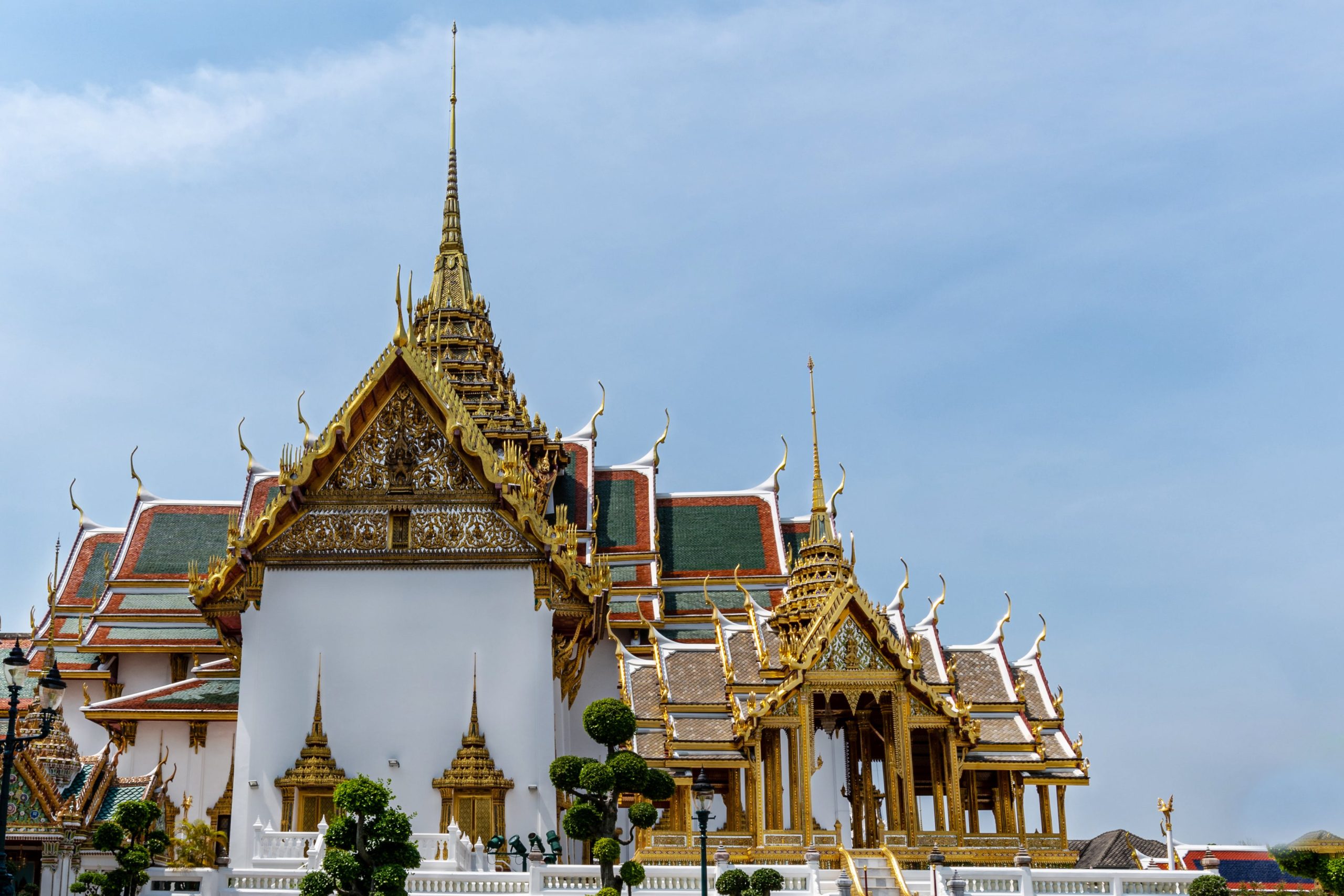
Spirituality plays a significant role in mental health and well-being. It can provide a source of comfort, hope, and strength during challenging times. Engaging in spiritual practices and beliefs has been associated with greater life satisfaction, improved coping skills, reduced stress, and increased resilience. Spirituality can also contribute to a sense of purpose and meaning in life, which has been shown to be protective against mental health issues like depression and anxiety. Furthermore, research suggests that individuals who incorporate spirituality into their lives tend to experience better overall psychological and emotional well-being.
This image is property of images.pexels.com.
The Impact of Trauma on Spiritual Well-being
Disruption of Connection to Self
Trauma can disrupt an individual’s connection to themselves, making it difficult to maintain a sense of self-identity, authenticity, and inner peace. The overwhelming nature of traumatic events can lead to feelings of disconnection, numbness, and detachment from oneself. This disconnection may also manifest as a loss of self-trust and self-worth, making it challenging to engage in spiritual practices that require vulnerability and self-reflection.
Challenges to Trust and Faith
Trauma can shake an individual’s trust and faith in themselves, others, and the world at large. The experience of trauma often involves a betrayal of trust, whether it be by a person or a system. This can lead to a profound sense of skepticism, cynicism, and skepticism towards the concept of spirituality and its ability to bring healing and meaning. Trusting in oneself, others, and a higher power can become particularly challenging for individuals who have experienced trauma.
Loss of Meaning and Purpose
Traumatic events can shatter an individual’s sense of meaning and purpose in life. The profound suffering and senselessness associated with trauma can lead to a questioning of one’s beliefs, values, and purpose. Feelings of emptiness and a lack of direction may arise, making it difficult to engage in spiritual practices that typically thrive on a foundation of meaning and purpose. Reconnecting with a sense of meaning and purpose is an essential part of the healing journey for individuals who have experienced trauma.
How Spirituality Can Support Trauma Healing
Creating a Sense of Safety and Grounding
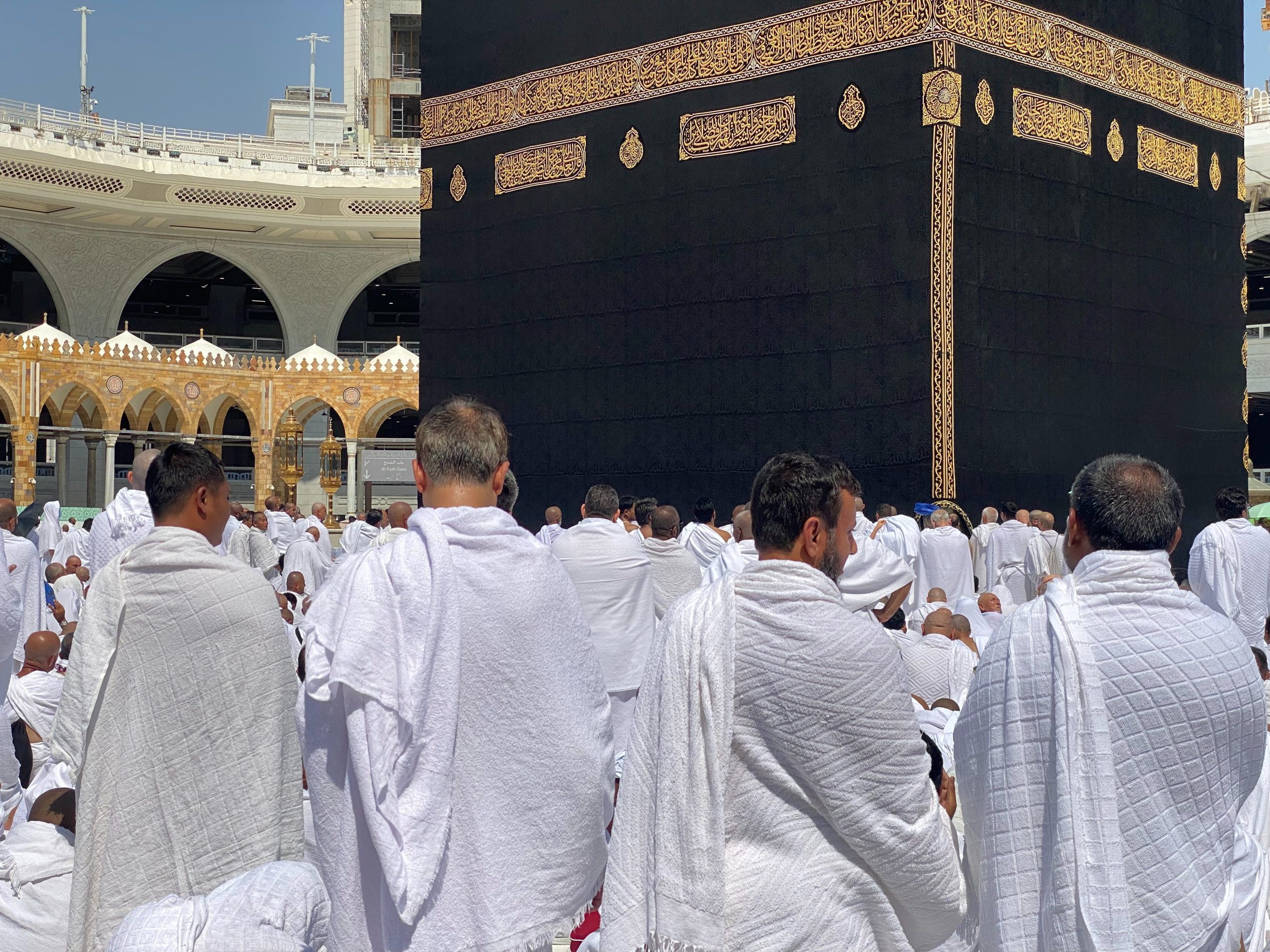
Spirituality provides a framework for creating a sense of safety and grounding when navigating the challenging terrain of trauma healing. Engaging in spiritual practices, such as meditation, prayer, or mindfulness, can help individuals cultivate a sense of calm and presence in the present moment. These practices serve as anchors during periods of distress or anxiety, allowing individuals to ground themselves and find stability amidst the chaos.
Providing Inner Strength and Resilience
Spirituality can foster inner strength and resilience in the face of trauma. By connecting with something greater than oneself, whether it be a higher power, nature, or a sense of interconnectedness with all beings, individuals can draw upon a source of strength and courage during difficult times. Cultivating a spiritual mindset can help individuals tap into their innate resilience and find meaning in their pain. The belief in the possibility of growth and transformation can be a powerful driving force in the process of trauma healing.
Facilitating Emotional Expression and Healing
Spirituality provides a safe and nurturing space for individuals to express and process their emotions related to trauma. Spiritual practices often invite individuals to explore their inner world, acknowledge their pain, and release emotional burdens. Engaging in practices such as journaling, meditation, or expressive arts can allow for the expression and integration of suppressed or unprocessed emotions. This emotional release can contribute to the healing process and facilitate the integration of traumatic experiences.
This image is property of images.pexels.com.
The Role of Rituals in Trauma Healing
Rituals as Tools for Processing Trauma
Rituals have long been used as tools for processing and healing trauma across various cultures and spiritual traditions. They provide a structured and symbolic framework for individuals to engage with their trauma in a safe and intentional way. Rituals can involve symbolic gestures, such as lighting candles, creating altars, or performing specific movements, to honor and acknowledge the pain associated with trauma. Participating in rituals allows individuals to create a container for their emotions, engage in acts of self-care, and move towards healing.
Symbolism and Transformation in Healing
Rituals are often rich with symbolism, representing the journey from pain and suffering to healing and transformation. By engaging with symbolic acts, individuals can tap into the deeper layers of their psyche and invite the subconscious mind to participate in the healing process. Symbolism can serve as a bridge between the conscious and unconscious realms, allowing for the integration and resolution of trauma on a profound level. This transformative aspect of rituals can facilitate the healing journey and the reclamation of one’s spiritual well-being.
Connecting with a Higher Power or Source
Rituals provide an opportunity to connect with a higher power or source of support, which can be especially meaningful for individuals who have experienced trauma. The act of reaching out and seeking guidance from a higher power can instill a sense of hope, comfort, and reassurance. Whether it involves prayer, visualization, or the recitation of affirmations, connecting with a higher power can help individuals cultivate a sense of trust and faith in the healing process. This connection serves as a source of strength, guidance, and solace throughout the trauma healing journey.
The Power of Mindfulness and Meditation
Cultivating Presence and Acceptance
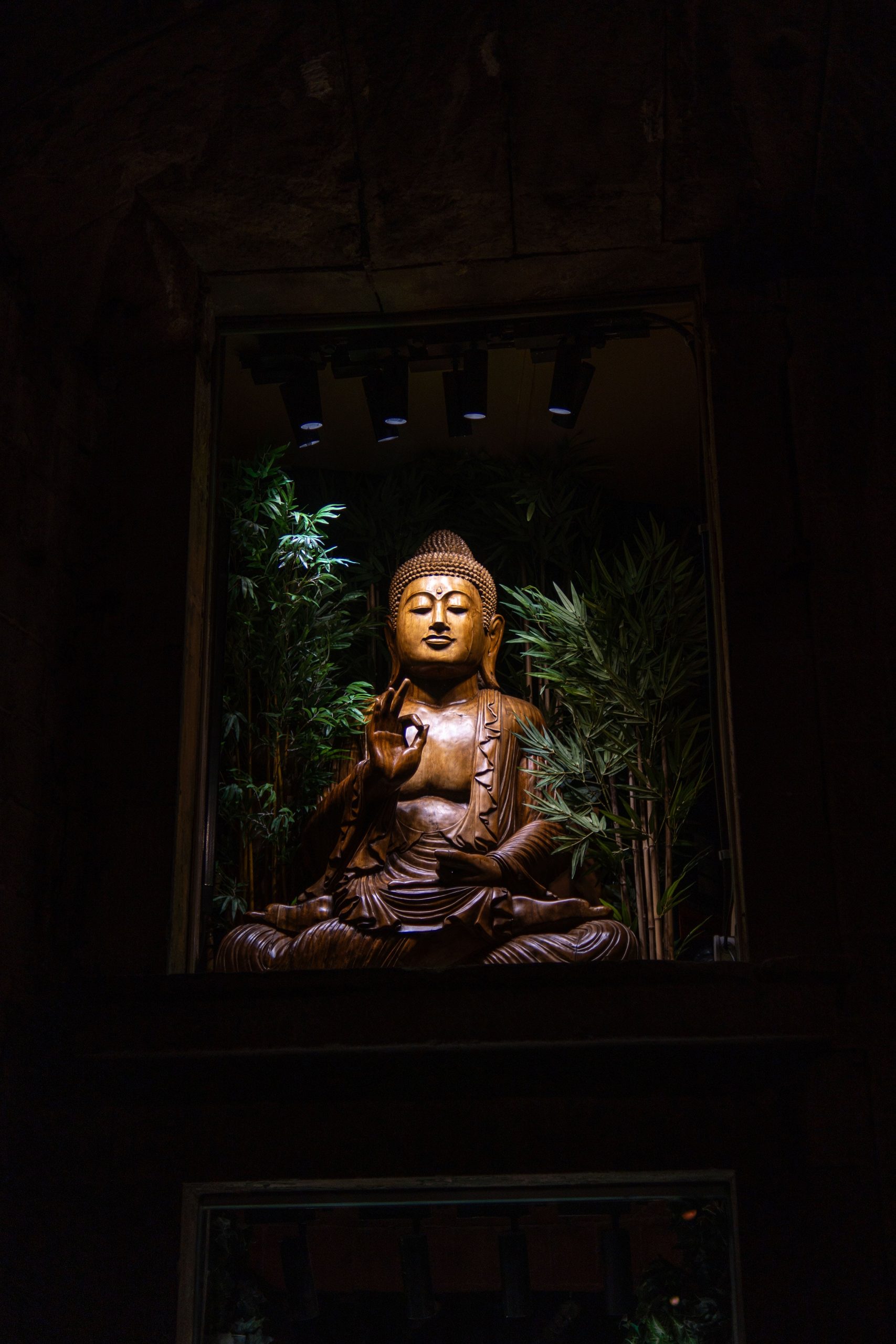
Mindfulness and meditation practices are valuable tools for trauma healing as they cultivate presence and acceptance of one’s thoughts, emotions, and bodily sensations. By bringing awareness to the present moment without judgment, individuals can develop a more compassionate and non-reactive relationship with their traumatic experiences. Mindfulness invites individuals to observe their inner landscape with curiosity and openness, creating space for self-compassion and healing.
Reducing Anxiety and Hyperarousal
Trauma often leaves individuals in a state of persistent hyperarousal, characterized by heightened anxiety, hypervigilance, and an overactive stress response. Mindfulness and meditation practices help regulate the nervous system, reducing the body’s physiological arousal and calming the mind. By intentionally slowing down and focusing on the breath or specific points of concentration, individuals can create a sense of safety and relaxation, counteracting the effects of traumatic stress.
Promoting Emotional Regulation
Emotional dysregulation is a common symptom of trauma, characterized by intense and unpredictable emotional responses. Mindfulness and meditation practices teach individuals to observe their emotions without becoming overwhelmed or reactive. Through regular practice, individuals develop the capacity to tolerate and regulate intense emotions, allowing for a greater sense of stability and emotional well-being. By cultivating a non-judgmental attitude towards their emotions, individuals can soften the impact of trauma on their mental and emotional health.
This image is property of images.pexels.com.
The Practice of Forgiveness and Compassion
Forgiveness as a Path to Healing
The practice of forgiveness is a profound tool in the healing journey of trauma survivors. Forgiveness is not about condoning or forgetting the actions that caused harm but rather releasing the emotional burden that comes from holding onto anger, resentment, or a desire for revenge. Forgiveness allows individuals to free themselves from the cycle of suffering and find peace within themselves. It is a brave and transformative act that can contribute to the restoration of a person’s spiritual well-being.
Cultivating Self-Compassion
Self-compassion is an essential component of spiritual healing for trauma survivors. It involves treating oneself with kindness, understanding, and acceptance, especially in the face of personal suffering. Trauma often leaves individuals feeling shame, guilt, and self-blame, which can hinder the healing process. By cultivating self-compassion, individuals can nurture their own inner wounded parts and offer themselves the love and care they deserve. Self-compassion fosters a sense of worthiness and supports the integration of traumatic experiences into one’s overall narrative.
Extending Compassion to Others
The practice of compassion not only benefits the individual practicing it but also has a profound impact on their relationships and the healing of others. Trauma can often lead to a sense of isolation and disconnection from others. By extending compassion to oneself and others, individuals create an atmosphere of empathy, understanding, and solidarity. Compassion can foster the development of supportive and nurturing relationships, which are crucial for healing from trauma. By offering kindness and understanding to others, individuals contribute to a collective healing journey.
Community and Social Support in Spiritual Healing
The Importance of Community
Community support plays a vital role in the spiritual healing of trauma survivors. Being part of a community provides a sense of belonging, connection, and validation of one’s experiences. Communities can come in various forms, ranging from religious organizations to support groups or informal networks of friends and loved ones. Engaging in shared spiritual practices and rituals within a community setting can offer a safe space for individuals to express themselves, find mutual support, and heal collectively.
Group Rituals and Support
Group rituals can be powerful avenues for trauma healing within the context of a community. Participating in collective ceremonies or rituals that acknowledge and honor the experiences of trauma can create a sense of shared healing. Group rituals often involve the support and presence of others, fostering a sense of solidarity and deep connection. By coming together and sharing in meaningful practices, trauma survivors can find solace and strength in the presence of like-minded individuals who understand their journey.
Finding Like-Minded Individuals
Connecting with like-minded individuals who share similar beliefs, values, or spiritual practices can be invaluable for trauma survivors. Joining spiritual or religious communities that resonate with one’s beliefs provides a space for shared exploration, growth, and support. Online platforms, local organizations, or retreats can be excellent resources for finding a community of individuals who embrace spirituality as a means of healing. Building connections with others who have experienced trauma allows for mutual understanding, validation, and the exchange of wisdom and support.
Exploring Transpersonal Experiences
Transcending the Self
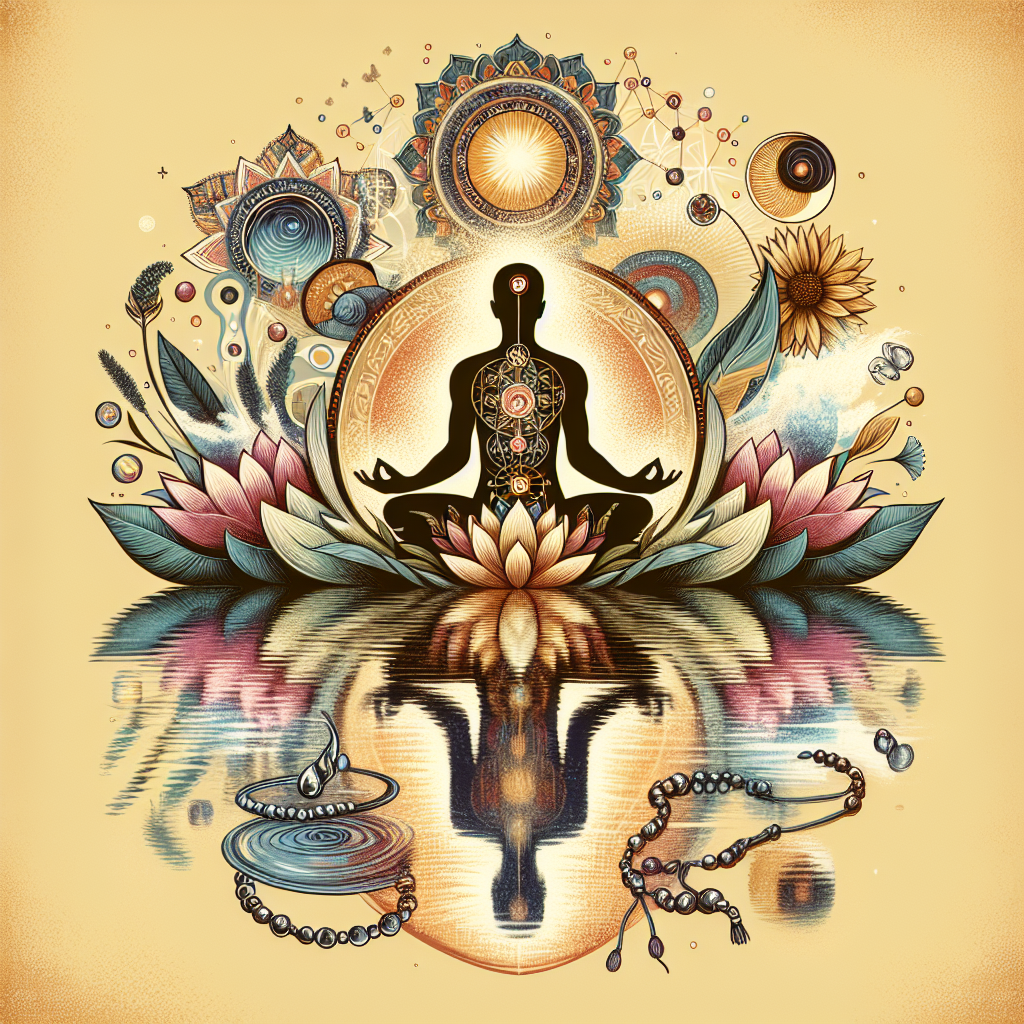
Transpersonal experiences involve a sense of transcending the boundaries of the individual self and connecting with something greater. These experiences can include feelings of oneness, unity, interconnectedness, or a sense of merging with a transcendent reality. Trauma survivors may benefit from exploring transpersonal experiences as a means of expanding their perspective and finding solace in a greater sense of connectedness. Transcending the self can provide a profound source of healing and promote a deeper understanding of the interconnectedness of all beings.
Connecting with Something Greater
For trauma survivors, connecting with something greater can be a transformative and healing experience. Whether it involves engaging with a higher power, communing with nature, or embracing a sense of spirituality, this connection provides a sense of belonging and support. Exploring one’s relationship with a higher power or connecting with the vastness of the universe can foster a sense of awe, wonder, and humility. This connection can serve as a guiding force and provide comfort and strength throughout the trauma healing journey.
Integration of Transpersonal Experiences
Integrating transpersonal experiences into one’s everyday life is a crucial aspect of the trauma healing process. These experiences can bring profound insights, feelings of interconnectedness, and a sense of purpose and meaning. Integrating transpersonal experiences involves finding ways to incorporate these insights into one’s daily life, relationships, and spiritual practices. This integration allows for a more holistic and grounded approach to healing, with transpersonal experiences serving as guiding lights along the journey.
Conclusion
The Potential of Spirituality for Trauma Healing
Spirituality has the potential to play a powerful role in the healing journey of trauma survivors. By providing a framework for creating meaning, fostering inner strength, and facilitating emotional healing, spirituality offers a holistic approach to trauma recovery. Engaging in spiritual practices, finding solace in community support, and exploring transpersonal experiences can contribute to the restoration of spiritual well-being and the integration of traumatic experiences into one’s overall narrative.
Holistic Approaches to Recovery
Healing from trauma requires a multidimensional and holistic approach that acknowledges the interconnectedness of the mind, body, and spirit. Incorporating spiritual practices into traditional therapeutic modalities can enhance the healing process and address the spiritual aspects of trauma. By recognizing the impact of trauma on spiritual well-being and integrating spirituality into trauma recovery programs, individuals can experience more comprehensive and lasting healing.
Continued Exploration and Personal Growth
The journey of trauma healing is a lifelong process that involves ongoing exploration and personal growth. Spirituality serves as a lifelong companion on this journey, offering a roadmap for self-discovery, healing, and transformation. As trauma survivors continue to integrate spirituality into their lives, they can nurture their spiritual well-being, find purpose and meaning, and embrace a path of personal growth and continued healing. With each step, trauma survivors can reclaim their spiritual essence and live a life aligned with their deepest values and aspirations.