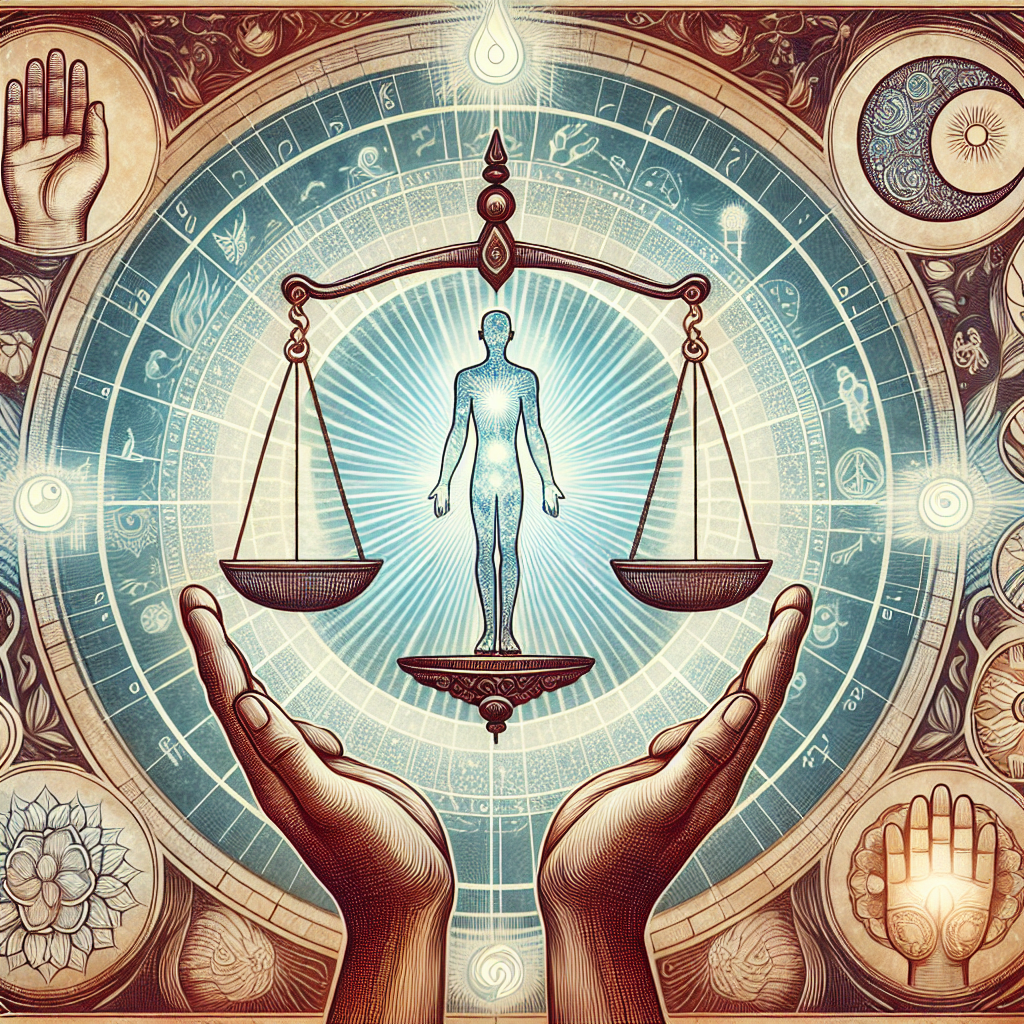
Imagine a world where our moral compass is guided not only by philosophical theories or societal norms, but also by a deeper connection to the spiritual realms. In this thought-provoking article, we explore the intriguing concept of how spirituality may offer valuable insights into understanding ethics. Delving into the intricate relationship between our spiritual beliefs and our moral choices, we embark on a journey to explore the potential impact of spirituality on our ethical perspectives. Join us as we navigate the intersections of spirituality and ethics, and uncover a different dimension of moral understanding.
Defining Spirituality
Spirituality, at its core, refers to a deeply personal and intrinsic connection to something beyond oneself. It encompasses a broad range of beliefs and practices that seek to uncover the meaning and purpose of life, as well as the existence of a higher power or divine force. It is a journey of self-discovery, introspection, and transcendence, and it often involves cultivating a sense of inner peace, harmony, and interconnectedness with the world around you.
Primary aspects of spirituality
The primary aspects of spirituality include the exploration of one’s inner self, the pursuit of spiritual growth, and the development of a personal relationship with the divine. It involves seeking answers to existential questions, embracing values such as love, compassion, and forgiveness, and finding solace and guidance in rituals, prayers, or meditation practices. Spirituality is not bound by any particular religious or cultural framework, as individuals have the freedom to define and explore their spiritual journey in their own unique way.
Different interpretations of spirituality
Spirituality can take on different interpretations and manifestations, depending on individual beliefs and cultural backgrounds. Some may find spiritual fulfillment through organized religion, such as attending religious services, participating in rituals, or following prescribed doctrines. Others may perceive spirituality as a more personal and introspective experience, often involving mindfulness practices, nature immersion, or exploring alternative philosophies and belief systems. Regardless of the approach, the essence of spirituality lies in developing a connection to something greater than oneself and seeking a deeper understanding of life’s purpose and meaning.
Connection between spirituality and religion
While spirituality and religion are often interrelated, they are not synonymous. Religion typically refers to a set of organized beliefs, customs, and practices shared by a community, often guided by religious institutions or doctrines. On the other hand, spirituality is a more individualistic and subjective experience, focusing on personal growth, introspection, and connection to the divine. Spirituality can exist outside of religious frameworks, as individuals may identify as spiritual but not religious, finding their own unique path to spiritual fulfillment. However, for many individuals, religion serves as a fundamental aspect of their spiritual journey and provides a structured framework for their ethical beliefs and values.
Exploring Ethics
Defining ethics
Ethics is the branch of philosophy that studies moral values and principles, exploring questions of what is right and wrong, good and bad, and how individuals should behave in various situations. Ethics seeks to establish a framework for making moral judgments and guiding individuals in their moral decision-making processes. It reflects a society’s shared values, norms, and moral codes that govern interpersonal relationships, social behavior, and professional conduct.
Types of ethics
There are various types of ethics that provide different perspectives on moral decision-making. Normative ethics, for example, aims to determine the moral standards that govern human behavior, focusing on theories such as deontology (duty-based ethics), consequentialism (consequence-based ethics), and virtue ethics (focus on character and virtues). Applied ethics, on the other hand, examines ethical issues in specific contexts, such as bioethics, business ethics, or environmental ethics. Metaethics explores the nature of ethics, addressing questions about the origin and meaning of moral values and the nature of moral judgments.
Ethics as a philosophical framework
Ethics serves as a philosophical framework that guides individuals in their moral reasoning and decision-making. It provides a means of evaluating actions, behaviors, and choices in light of moral principles and values. By examining ethical theories and principles, individuals can develop a deeper understanding of what constitutes ethical behavior and how to navigate ethical dilemmas responsibly. Ethics helps individuals cultivate virtues, such as honesty, integrity, and fairness, and encourages empathy, respect, and consideration for the well-being of others. It provides a moral compass for individuals to live a meaningful and morally upright life.

This image is property of images.pexels.com.
Understanding the Relationship
Spirituality as a foundation for ethical values
Spirituality serves as a foundation for ethical values by providing individuals with a broader perspective on life and a sense of interconnectedness with others. It often encourages the cultivation of virtues, such as compassion, forgiveness, and kindness, which are central to ethical behavior. Spirituality can foster a deep sense of empathy and a recognition of the intrinsic worth and dignity of all beings, motivating individuals to act in ways that promote the well-being and flourishing of others. It offers a framework for ethical decision-making by guiding individuals to consider not only the immediate consequences of their actions but also the long-term impact on their spiritual growth and the harmony of the interconnected world.
Shared principles between spirituality and ethics
Spirituality and ethics share fundamental principles that guide individuals towards living a morally upright life. These principles often include concepts of love, compassion, honesty, integrity, and respect for the sacredness of life. Both spirituality and ethics emphasize the importance of self-reflection, self-discipline, and personal growth. They encourage individuals to develop a deep sense of awareness and responsibility for their actions, recognizing their interconnectedness with others and the world around them. By aligning ethical values with spiritual principles, individuals can strive to live a life that is congruent with their spiritual beliefs and aspirations.
Contributions of spirituality to ethical decision-making
Spirituality can significantly contribute to ethical decision-making by providing individuals with a broader perspective that extends beyond immediate gratification or self-interest. It allows individuals to tap into their inner wisdom and intuition, helping them align their choices and actions with their spiritual values and aspirations. Spiritual practices, such as contemplation, meditation, or prayer, enable individuals to cultivate a state of presence and heightened awareness, allowing for more discerning and compassionate decision-making. Spirituality offers a guide for individuals to navigate complex ethical dilemmas by considering the broader consequences of their actions and striving for a harmonious balance between personal desires and the well-being of others.
Historical Perspectives
Influence of spiritual teachings on ethical systems
Throughout history, spiritual teachings have played a significant role in shaping ethical systems and moral frameworks. Many religious traditions, such as Buddhism, Christianity, and Islam, have established moral codes and principles that guide individuals in their ethical conduct. For example, the Noble Eightfold Path in Buddhism outlines ethical guidelines for right speech, right action, and right livelihood. Similarly, the Ten Commandments in Christianity provide fundamental ethical principles for social behavior. The influence of spiritual teachings on ethical systems highlights the inherent connection between spirituality and ethics, as they both seek to promote values and virtues that foster human flourishing and societal harmony.
Examples of spiritual leaders promoting ethical behavior
Spiritual leaders across different traditions have prominently advocated for ethical behavior and served as moral guides for their followers. Mahatma Gandhi, for instance, emphasized principles such as nonviolence, truthfulness, and selflessness in his approach to social and political activism. His teachings and practices continue to inspire individuals worldwide to engage in ethical conduct and work towards social justice. Similarly, the Dalai Lama, the spiritual leader of Tibetan Buddhism, advocates for principles of compassion, forgiveness, and altruism, which serve as the foundation of ethical behavior. These examples illustrate how spiritual leaders have utilized their wisdom and influence to promote ethical values, providing inspiration and guidance for individuals seeking to live an ethical life.
Historical debates on the connection between spirituality and ethics
Over the centuries, there have been ongoing debates regarding the nature of the relationship between spirituality and ethics. Some argue that spirituality is a necessary foundation for ethical behavior, asserting that the cultivation of virtues, moral values, and a sense of responsibility towards others is inherently intertwined with one’s spiritual beliefs and practices. Others maintain that ethics can exist independently of spirituality, emphasizing the importance of rational and humanistic approaches to moral decision-making. These debates raise questions about the source of ethical values and whether they are derived solely from religious or spiritual beliefs or are rooted in secular, universal principles accessible to all.

This image is property of images.pexels.com.
Spiritual Practices and Ethical Reflection
Contemplation and self-reflection
Spiritual practices often encourage individuals to engage in contemplation and self-reflection as a means of deepening their understanding of themselves and their relationship to the world. These practices create space for individuals to examine their thoughts, feelings, and motivations, facilitating a heightened sense of self-awareness. Through self-reflection, individuals can critically assess their ethical choices and behaviors, uncovering any inconsistencies or shortcomings in alignment with their spiritual values. Contemplation and self-reflection provide a foundation for ethical growth and transformation, fostering a deeper connection between spirituality and ethical conduct.
Meditation practices for ethical awareness
Meditation is a powerful tool that enhances mindfulness, introspection, and ethical awareness. Through meditation, individuals can cultivate a state of focused attention and detached observation, enabling them to notice their thoughts, emotions, and bodily sensations without judgment. This heightened state of awareness allows individuals to develop insight into the root causes of their actions and behaviors, promoting a deeper understanding of the ethical implications of their choices. By integrating meditation practices into their spiritual journey, individuals can develop greater sensitivity to ethical concerns and cultivate a more conscious and intentional approach to their actions.
Mindfulness and its role in ethical behavior
Mindfulness, rooted in spiritual traditions such as Buddhism, is the practice of bringing one’s attention to the present moment with openness, curiosity, and non-judgment. It involves cultivating a state of heightened awareness and acceptance of one’s internal and external experiences. Mindfulness can significantly contribute to ethical behavior by promoting a greater recognition of the consequences of one’s actions and the impact they have on oneself and others. It fosters an attitude of non-reactivity and compassion, allowing individuals to respond to ethical challenges with greater wisdom, empathy, and discernment. By cultivating mindfulness, individuals can align their actions with their spiritual values and navigate ethical dilemmas with integrity and care.
Ethics in Different Spiritual Traditions
Buddhism and ethical conduct
Buddhism places a strong emphasis on ethical conduct as an integral part of the spiritual path. The Noble Eightfold Path, one of the central teachings in Buddhism, includes ethical guidelines that encompass right speech, right action, and right livelihood. Practitioners are encouraged to cultivate virtues such as compassion, generosity, and nonviolence, while abstaining from harmful actions. Buddhism recognizes the interconnectedness of all beings and emphasizes the importance of ethical behavior for personal liberation and the well-being of others. By following ethical principles, individuals can develop moral purity and contribute to the creation of a harmonious and compassionate society.
Christianity and the teachings of Jesus
Christianity, founded on the teachings of Jesus Christ, places a strong emphasis on love, compassion, and ethical behavior. Jesus’ teachings, as recorded in the New Testament, highlight the importance of virtues such as humility, forgiveness, and selflessness. The parables and stories in the Bible often serve as moral lessons, guiding individuals towards ethical conduct and righteousness. Christians are called to follow the example of Jesus, who embodied love and compassion in his interactions with others. Ethical behavior within Christianity is based on the belief in the inherent worth and dignity of all individuals, as well as the responsibility to care for the marginalized and vulnerable.
Islamic ethics and spiritual principles
Islamic ethics, grounded in the teachings of the Quran and the Hadith (sayings and actions of Prophet Muhammad), provide a comprehensive framework for ethical conduct. Islam emphasizes the importance of submission to God’s will and living a life in accordance with divine guidance. Ethical behavior within Islam encompasses concepts such as justice, honesty, kindness, and mercy. Muslims are encouraged to cultivate virtues, such as humility and generosity, and to abstain from actions that harm oneself or others. Islamic ethics promotes the idea of social justice and collective responsibility, urging individuals to actively contribute to the welfare of their communities and demonstrate compassion towards all beings.

This image is property of images.pexels.com.
Critiques and Limitations
Differences between religious and spiritual ethics
One critique of the connection between spirituality and ethics is the emphasis on religious frameworks as the sole source of ethical values. While many spiritual traditions are embedded within religious contexts, spirituality can also exist outside of organized religions. Individuals who identify as spiritual but not religious may derive their ethical values from alternative sources, such as personal experiences, secular philosophy, or humanistic principles. It is essential to recognize that ethical values can be shaped by a variety of factors and that different individuals may arrive at ethical conclusions through diverse paths.
Challenges in applying spiritual teachings to real-life situations
Another challenge lies in the practical application of spiritual teachings to real-life ethical dilemmas. Spiritual teachings may provide broad ethical principles, but their interpretation and application in specific situations can be complex and context-dependent. Ethical decision-making requires a critical examination of the ethical principles in light of the nuances of the situation, cultural factors, and the well-being of all parties involved. Applying spiritual teachings to real-life situations often requires a thoughtful and discerning approach, considering the unique circumstances and potential consequences of one’s actions.
Potential conflicts between different spiritual beliefs and ethical values
The diversity of spiritual beliefs and practices can lead to potential conflicts when it comes to ethical values. Different spiritual traditions may prioritize certain ethical principles or embrace distinct moral codes that are in tension with one another. Resolving these conflicts requires respectful dialogue, empathy, and an openness to understanding alternative perspectives. It is important to recognize that individuals may interpret spiritual teachings differently and that ethical values can evolve and adapt to changing societal contexts. Navigating the potential conflicts between different spiritual beliefs and ethical values requires a commitment to mutual understanding, compassion, and a shared commitment to the well-being of all.
Contemporary Perspectives
Modern approaches integrating spirituality and ethics
In contemporary times, there is an increasing recognition of the interplay between spirituality and ethics and the potential for a more integrated approach. Many individuals and organizations are exploring ways to bridge these two domains, recognizing the value of spiritual teachings in informing ethical behavior and decision-making. Integrated approaches often involve cultivating mindfulness practices, incorporating spiritual principles into ethical frameworks, and recognizing the interconnectedness of personal well-being, social justice, and environmental sustainability. Such modern approaches aim to foster a more holistic understanding of ethics, rooted in spirituality and guided by universal principles of compassion, justice, and love.
The role of spirituality in professional ethics
Spirituality has implications for professional ethics, guiding individuals in their conduct and decision-making within their respective fields. In professions such as healthcare, education, or counseling, spirituality can inform the ethical responsibility to care for the well-being of others and honor their dignity. Professionals may draw on their spiritual values and practices to cultivate empathy, compassion, and integrity in their interactions with clients or patients. Ethical leadership, within the workplace or society, can be influenced by individuals’ spiritual commitments, emphasizing the importance of justice, fairness, and moral integrity.
Spirituality in ethical leadership
Ethical leadership often involves setting an example, inspiring others, and making decisions that align with moral principles. Spirituality can play a significant role in ethical leadership, as it provides leaders with a foundation for personal growth and moral responsibility. Leaders who incorporate spiritual practices and principles into their leadership style can foster a culture of trust, integrity, and positive social impact. They draw on their spiritual wisdom and ethical values to navigate complex decision-making processes, considering the well-being of all stakeholders and the long-term consequences of their actions. Ethical leadership informed by spirituality promotes the flourishing of individuals and communities, fostering empathy, compassion, and justice.

Scientific Research and Studies
Psychological studies on the impact of spirituality on ethical behavior
Psychological research has explored the impact of spirituality on ethical behavior, shedding light on the potential positive influence of spirituality on moral decision-making. Studies have found that individuals with higher levels of spirituality tend to exhibit higher levels of ethical reasoning, empathy, and prosocial behavior. Spirituality can foster a sense of purpose and meaning, leading individuals to act in ways that promote the well-being of others. Moreover, spirituality has been associated with increased self-awareness, self-reflection, and a greater concern for ethical consequences in decision-making processes.
Neuroscience and spirituality’s influence on moral decision-making
Neuroscientific investigations have also explored the neural mechanisms underlying moral decision-making and the potential influence of spirituality on these processes. Neuroscientific studies have suggested that specific brain regions involved in empathy, compassion, and moral reasoning may be more activated in individuals with a strong spiritual or religious orientation. These findings indicate that spirituality may modulate neural processes associated with ethical behavior and provide a neurobiological basis for the connection between spirituality and ethics.
Exploring empirical evidence for the relationship between spirituality and ethics
Empirical studies continue to explore the relationship between spirituality and ethics, seeking to provide further evidence for the interconnected nature of these domains. Research methodologies range from quantitative surveys investigating the correlations between spirituality and ethical attitudes to qualitative interviews exploring individuals’ lived experiences of integrating spirituality and ethics. These studies contribute to a growing body of knowledge on the potential benefits of spirituality in fostering ethical behavior and decision-making, opening avenues for further exploration and understanding.
Conclusion
The connection between spirituality and ethics is a rich and multifaceted realm, encompassing a wide range of beliefs, practices, and philosophical perspectives. Spirituality provides individuals with a profound framework for understanding the deeper aspects of life, cultivating virtues, and guiding ethical behavior. It serves as a foundation for ethical values, promotes shared principles of love, compassion, and integrity, and informs ethical decision-making. Throughout history, spiritual teachings and leaders have exerted significant influence on ethical systems and advocated for ethical behavior. Critiques and challenges exist, highlighting the need for respectful dialogue and discernment when applying spiritual teachings to real-life situations. Contemporary perspectives emphasize the integration of spirituality and ethics, recognizing their interplay in personal growth, professional conduct, and ethical leadership. Scientific research offers empirical evidence for the relationship between spirituality and ethics, providing further insights into their interconnected nature. As individuals explore their spirituality and engage in ethical reflection, they can navigate life’s complexities with greater wisdom, compassion, and a commitment to the well-being of oneself and others.