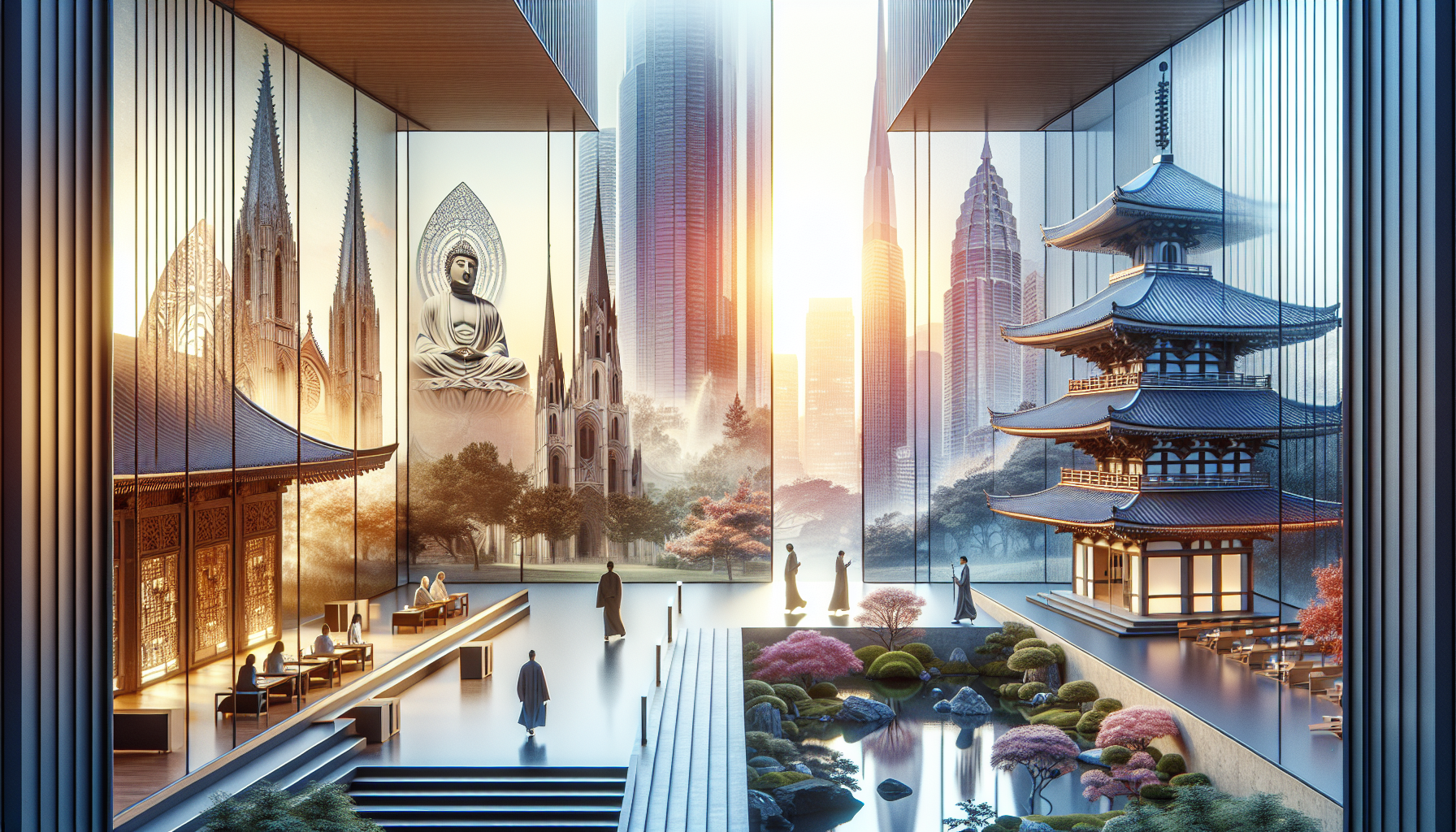
Imagine walking into a building that instantly uplifts your spirit and fills you with a sense of calm and serenity. The architecture seamlessly blends with nature, creating a harmonious and sacred space. This article explores the fascinating connection between spirituality and architectural designs, delving into how the spiritual beliefs and practices of a community can shape the structures they create. Join us on a captivating journey as we explore the profound influence of spirituality on the world of architecture.

This image is property of images.pexels.com.
Architectural Design and Spirituality
Definition of architectural design
Architectural design refers to the process of creating and planning structures that are aesthetically pleasing, functional, and safe for human habitation. It involves the integration of various elements such as spatial organization, materials, colors, textures, and forms to achieve a harmonious and well-balanced structure.
Definition of spirituality
Spirituality, on the other hand, is a broad concept that encompasses the belief in something beyond the physical and material world. It involves a deep sense of connection to oneself, others, and the universe. Spirituality is often associated with religious beliefs, but it can also exist independently of organized religion. It is a personal and subjective experience that can foster a sense of purpose, meaning, and inner peace.
Historical significance of spirituality in architecture
Throughout history, spirituality has played a significant role in architectural design. In ancient civilizations, such as Egypt and Greece, temples and sacred structures were built to honor and communicate with deities. These structures were often designed with intricate details and grandeur, reflecting the spiritual beliefs and values of the cultures that built them.
In the medieval period, cathedrals and churches were constructed as places of worship and spiritual contemplation. The Gothic architecture of these buildings aimed to evoke a sense of transcendence and divine connection through soaring arches, stained glass windows, and intricate stone carvings.
Even in more recent times, spirituality has influenced architectural design. The works of famous architects like Frank Lloyd Wright and Antoni Gaudí showcase a harmonious blend of spirituality and innovation. Wright’s organic architecture aimed to create a spiritual harmony between the built environment and the natural world, while Gaudí’s Sagrada Família in Barcelona is an awe-inspiring example of sacred architecture.
Philosophical Connections
The role of spirituality in philosophy
Spirituality has long been a subject of philosophical inquiry. Philosophers have sought to understand the nature of the spiritual experience and its implications for human existence. From ancient philosophers like Plato and Aristotle to modern thinkers like Immanuel Kant and Friedrich Nietzsche, spirituality has been a central theme in philosophical discourse.
Philosophy of architecture and spirituality
The philosophy of architecture explores the deeper meaning and purpose of the built environment. It considers how architecture can evoke emotions, influence behavior, and shape human experience. Spirituality is often intertwined with this philosophy, as it encompasses the search for meaning and transcendence that architecture can provide.
Architectural theorist Juhani Pallasmaa, for example, argues that architecture has the potential to awaken our dormant spiritual senses and reconnect us with our inner selves. By creating spaces that resonate with our emotional and spiritual needs, architects can contribute to the overall well-being of individuals and communities.
Spiritual dimensions in architectural theory
Architectural theory often encompasses more than just the technical aspects of design. It delves into the spiritual dimensions of architecture, exploring how architecture can inspire awe, reverence, and a sense of connection with something greater than oneself. This dimension acknowledges the impact of spiritual experiences on architectural design and the importance of designing spaces that facilitate such experiences.
Sacred Spaces
Concept of sacred spaces
Sacred spaces are architectural structures or environments that are dedicated to religious or spiritual purposes. These spaces often elicit a sense of reverence and provide individuals with a place to connect with the divine, seek solace, or engage in religious rituals and practices.
Historically, sacred spaces have been designed to create a transcendent experience by incorporating elements such as sacred geometry, symbolic representations, and carefully crafted aesthetics. These spaces are believed to be imbued with spiritual energy, making them conducive to prayer, meditation, and reflection.
Historical examples of sacred architecture
Throughout history, various cultures and civilizations have created sacred architecture that represents their religious beliefs and practices. Examples include the ancient Egyptian temples, such as the Temple of Karnak and the Temple of Luxor, which were designed as grand structures dedicated to gods and pharaohs.
In India, the Taj Mahal is considered a sacred space as it was built as a mausoleum for Emperor Shah Jahan’s beloved wife. Its intricate design and breathtaking beauty evoke a sense of awe and transcendence.
The Hagia Sophia in Istanbul, Turkey, is another remarkable example of sacred architecture. Originally built as a Christian cathedral, it later became a mosque and is now a museum. The Byzantine architecture of the Hagia Sophia reflects a fusion of spiritual beliefs and cultural influences.
Characteristics of sacred spaces
Sacred spaces share common characteristics that create an environment conducive to spiritual experiences. These include elements such as symmetry, proportion, balance, and a strong connection to nature. Natural light, soft materials, and acoustic design that enhances acoustics are also prevalent in sacred spaces to create a calming and contemplative atmosphere.
Sacred spaces often feature symbolic representations, such as religious artifacts, sacred texts, and intricate carvings. These symbols serve to reinforce the spiritual significance of the space and inspire a sense of devotion and reverence.
Transcendence and Architecture
Seeking transcendence through architecture
Transcendence refers to the experience of going beyond the ordinary, mundane, and material aspects of life. Architecture has the potential to facilitate this experience by creating environments that evoke a sense of awe, wonder, and spiritual connection. When we enter a transcendent space, we are transported beyond our everyday concerns and can tap into a deeper sense of meaning and purpose.
Spirituality as a driving force in design
Many architects draw inspiration from spiritual principles and beliefs in their design process. By considering the spiritual needs and aspirations of individuals and communities, architects can create spaces that support personal growth, reflection, and the exploration of one’s inner self. This approach places human well-being and meaning at the center of architectural design, going beyond the mere functionality of structures.
Holistic approach to architectural transcendence
A holistic approach to architectural transcendence involves considering the physical, emotional, and spiritual needs of individuals within a space. It requires attention to detail in terms of lighting, acoustics, materials, and spatial organization to create an environment that nurtures the soul.
Architects often utilize elements such as natural light, sacred geometry, and a connection to nature to foster a sense of transcendence. This approach aims to create spaces that promote inner peace, personal growth, and spiritual well-being.

This image is property of images.pexels.com.
Architectural Elements Influenced by Spirituality
Use of natural materials
The use of natural materials is one way in which spirituality influences architectural design. Natural materials such as wood, stone, and earth are often preferred for their organic and grounding qualities. These materials create a sense of harmony with the natural world, promoting a connection to nature and a feeling of peace and serenity within a space.
Incorporation of light and shadows
Light and shadows play a significant role in spiritual architecture. The interplay between light and shadow can create a sense of mystery, depth, and rhythm within a space. Glowing windows, skylights, and strategic placement of lights can evoke a divine presence and enhance the transcendent qualities of a space.
Balance and harmony in design
Spirituality emphasizes the importance of balance and harmony in all aspects of life, including architecture. Architectural designs influenced by spirituality often embody principles of balance and harmony through symmetrical compositions, proportioned forms, and the intentional use of colors and textures. These elements create a sense of visual equilibrium, promoting a feeling of tranquility and well-being within a space.
Spirituality and Sustainability
Connection between spirituality and environmental consciousness
One of the key connections between spirituality and architecture is the shared concern for the well-being of the natural environment. Many spiritual traditions emphasize the interconnectedness of all living beings and the responsibility to be caretakers of the Earth. This shared value often translates into a focus on sustainable design practices and the use of environmentally-friendly materials.
Incorporating sustainability in spiritual architecture
Spiritual architecture often incorporates sustainable design principles to minimize environmental impact. This may include utilizing renewable energy sources, optimizing natural ventilation and daylighting, and integrating green spaces into the design. By embracing sustainability, spiritual architecture aligns with the values of harmony, balance, and respect for the Earth.
Creating a harmonious relationship with nature
Spiritual architecture seeks to create a harmonious relationship between the built environment and the natural world. This can be achieved through the integration of natural elements such as green roofs, courtyards, and gardens that promote a sense of connection and well-being.
By designing spaces that encourage people to engage with nature and experience its beauty, spiritual architecture fosters a deeper appreciation for the natural world and its importance in nurturing the human spirit.

This image is property of images.pexels.com.
Cultural Representation in Architecture
Spiritual symbolism in architectural design
Architecture often serves as a medium for cultural expression and representation of spiritual beliefs. Symbolism plays a crucial role in architectural design, as it helps communicate the cultural, spiritual, and historical significance of a building.
For example, traditional Chinese architecture often incorporates symbolic elements such as the dragon and phoenix, representing power and harmony, respectively. In Islamic architecture, intricate geometric patterns and calligraphy symbolize the divine order and the importance of faith.
Reflecting cultural beliefs and values
Spiritual architecture also reflects cultural beliefs and values. The design of religious buildings, such as mosques, churches, and temples, is often influenced by the rituals, practices, and aesthetic preferences of a particular culture. By incorporating elements that are meaningful and familiar to the community, architects create spaces that resonate with their spiritual and cultural identity.
Interfaith architecture and spiritual inclusivity
Interfaith architecture is an emerging field that aims to create inclusive spaces for people of different spiritual traditions to gather and worship. These architectural designs encourage dialogue, respect, and understanding among diverse religious communities.
Interfaith spaces often incorporate elements that are common to multiple faiths while respecting the unique symbols and practices of each tradition. Such spaces foster a sense of unity, interconnectivity, and mutual respect, promoting a shared spiritual experience.
The Role of Ritual in Architecture
Influence of ritualistic practices on architectural forms
Ritualistic practices have long influenced architectural forms. The design of religious buildings often takes into account the specific rituals and ceremonies that will be performed within them. For example, the layout and arrangement of seating in a church or temple are often designed to accommodate communal worship and facilitate the rituals and liturgies involved.
Ritualistic practices also influence the use of materials, colors, and ornaments in architectural design. The choice of materials and their symbolism play an important role in creating a sacred and meaningful space for ritualistic practices.
Creating spaces for sacred rituals
Architects have the responsibility of creating spaces that support and enhance the sacred rituals performed within them. This includes considerations such as acoustics, lighting, and spatial arrangement to create a conducive environment for worship, meditation, prayer, and other religious practices.
By designing spaces that respect and accommodate specific ritualistic practices, architects contribute to the spiritual well-being of individuals and communities.
Building materials with spiritual significance
The choice of building materials in architectural design is not only driven by functional considerations but can also carry spiritual significance. For example, many religious buildings are constructed using locally sourced materials to reflect a sense of connection to the land and community.
In addition, the use of specific materials that hold symbolic significance in spiritual traditions can enhance the spiritual character of a building. For instance, the use of wood in Japanese Shinto shrines symbolizes a harmonious relationship with nature.
Emotional Well-being and Architecture
Impact of architecture on human emotions
Architecture has a profound impact on human emotions. The design of a space can elicit feelings of joy, tranquility, awe, or even sadness. By understanding the emotional impact of architectural elements, designers can create spaces that promote emotional well-being and enhance the spiritual experience.
Creating spaces for reflection and meditation
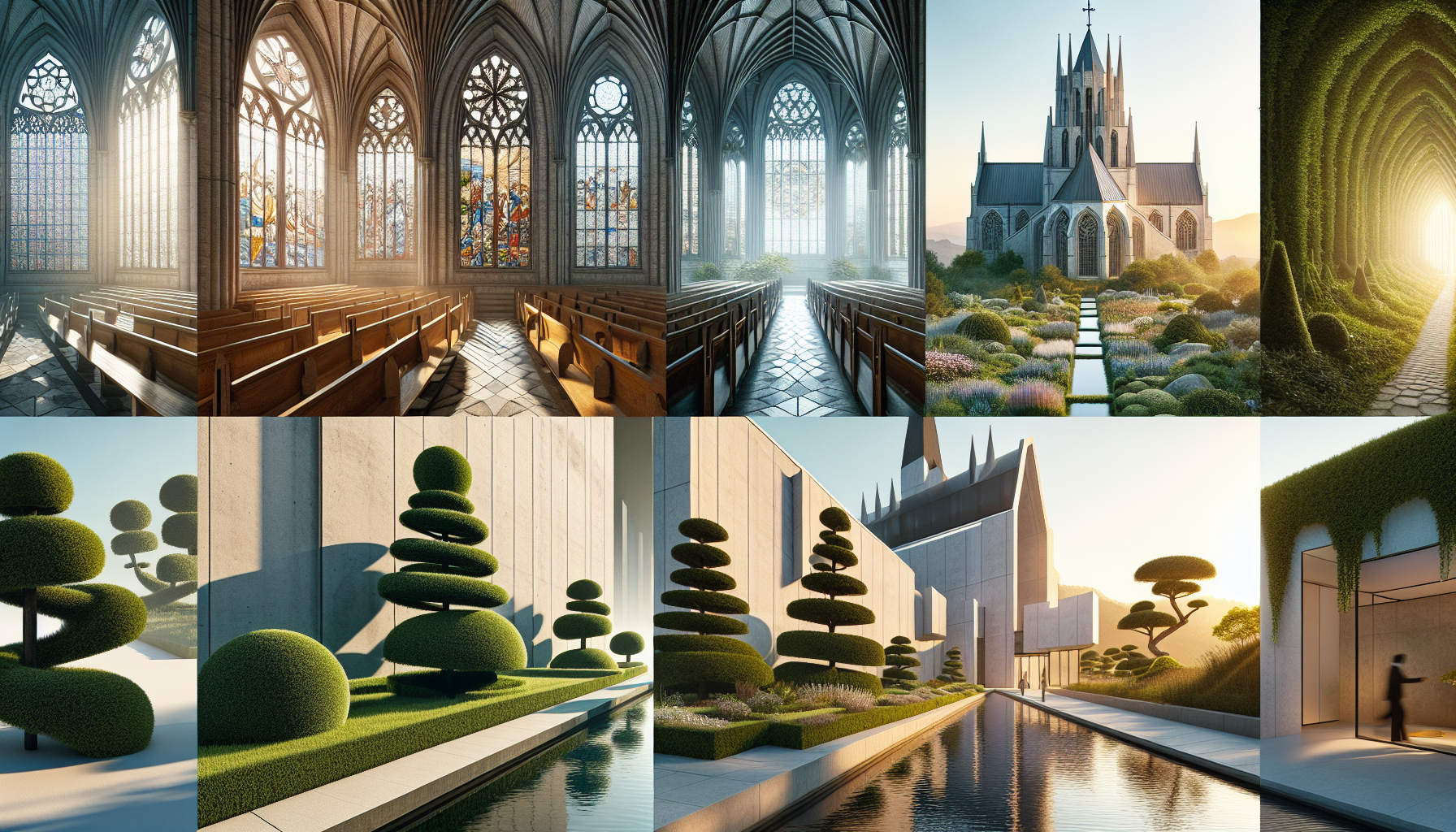
Spiritual architecture often includes spaces dedicated to reflection and meditation. These spaces are designed to provide individuals with a quiet and tranquil environment for introspection and inner exploration. By incorporating elements such as secluded alcoves, soft lighting, and natural materials, architects create spaces that promote inner peace and emotional healing.
Healing properties of spiritual architecture
Spiritual architecture can have healing properties and positively impact mental and emotional well-being. Research has shown that exposure to natural elements, such as views of nature, can reduce stress, enhance mood, and improve cognitive function. By incorporating natural elements, such as water features, gardens, and natural lighting, architects can create spaces that promote emotional healing and overall well-being.
Designing for Spiritual Experiences
Incorporating elements of surprise and wonder
Designing for spiritual experiences often involves incorporating elements of surprise and wonder within architectural spaces. By challenging our expectations and creating unique spatial experiences, architects can engage and captivate the senses, evoking a sense of awe and transcendence.
Architects achieve this by incorporating unexpected design elements, interplay of light and shadow, hidden alcoves, or even architectural features that respond to human touch or movement. Through these elements, architects create spaces that inspire curiosity, reverence, and a sense of the divine.
Spiritual journey through architectural spaces
Architectural spaces can be designed to facilitate a spiritual journey or narrative. By carefully considering the sequence, arrangement, and flow of spaces, architects can create a transformative experience for individuals as they move through the built environment.
For example, the design of a Buddhist temple may involve a gradual progression from the external world to an inner sanctum, representing the journey from the mundane to the sacred. Along this journey, architectural elements, materials, and spatial arrangements are thoughtfully designed to evoke a sense of spiritual transformation and profound connection.
Architecture as a medium for self-discovery
Spiritual architecture has the potential to serve as a medium for self-discovery and personal transformation. By creating spaces that encourage introspection, self-reflection, and self-awareness, architects can facilitate a deeper understanding of ourselves and our place in the world.
Through thoughtful design choices that elicit an emotional response, architects can help individuals connect with their inner selves, unlock hidden potentials, and foster personal growth and spiritual development.
In conclusion, spirituality and architectural design are intimately connected. From ancient temples to modern interfaith spaces, spirituality has influenced architectural forms and created spaces that foster a sense of transcendence, connection, and well-being. By integrating elements such as natural materials, light, balance, and symbolism, architects can design spaces that inspire awe, nurture the soul, and promote a harmonious relationship with the natural and spiritual worlds. As our understanding of the impact of architecture on human well-being continues to grow, the role of spirituality in architectural design becomes increasingly relevant in creating spaces that support the holistic needs of individuals and communities.