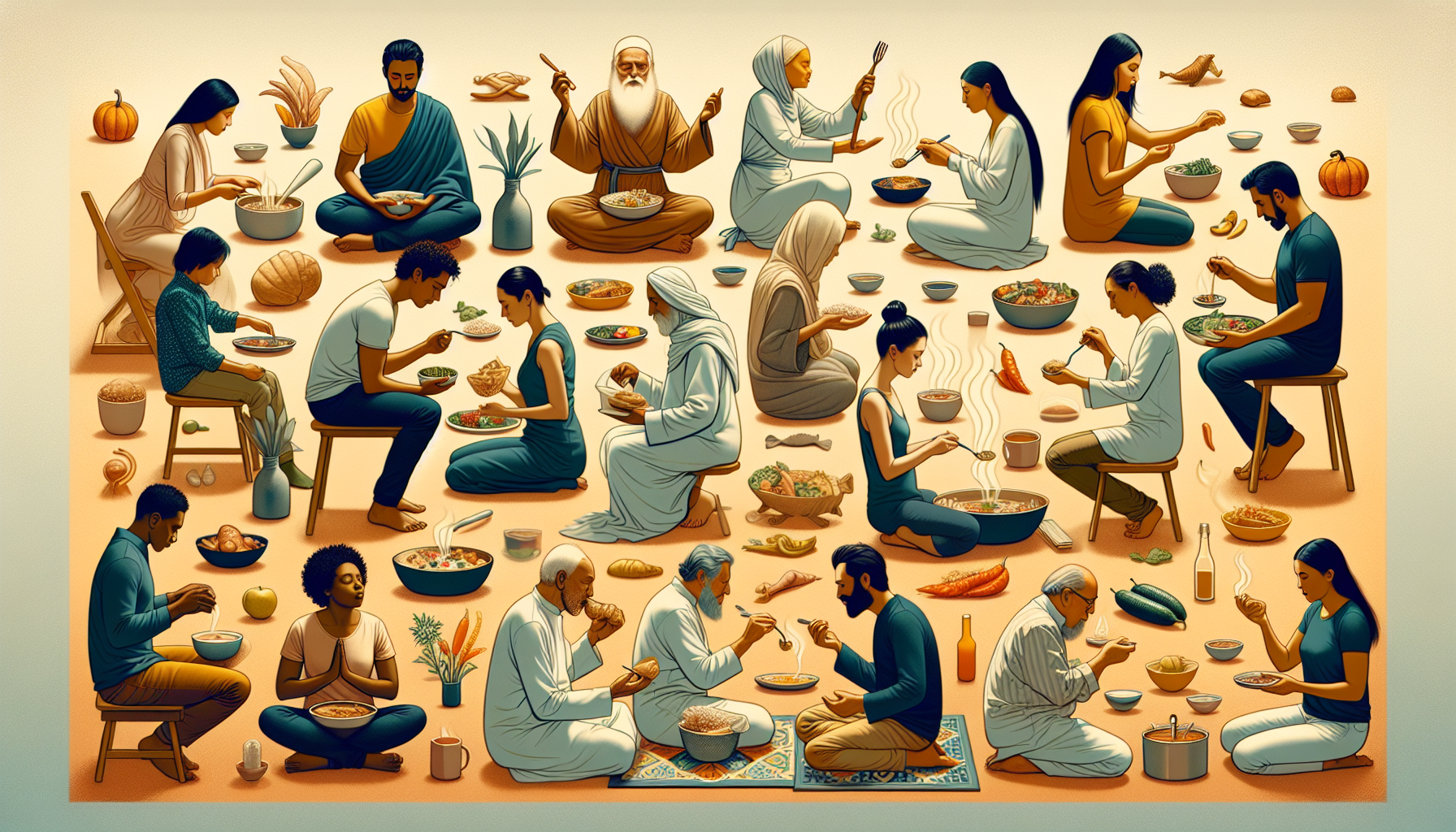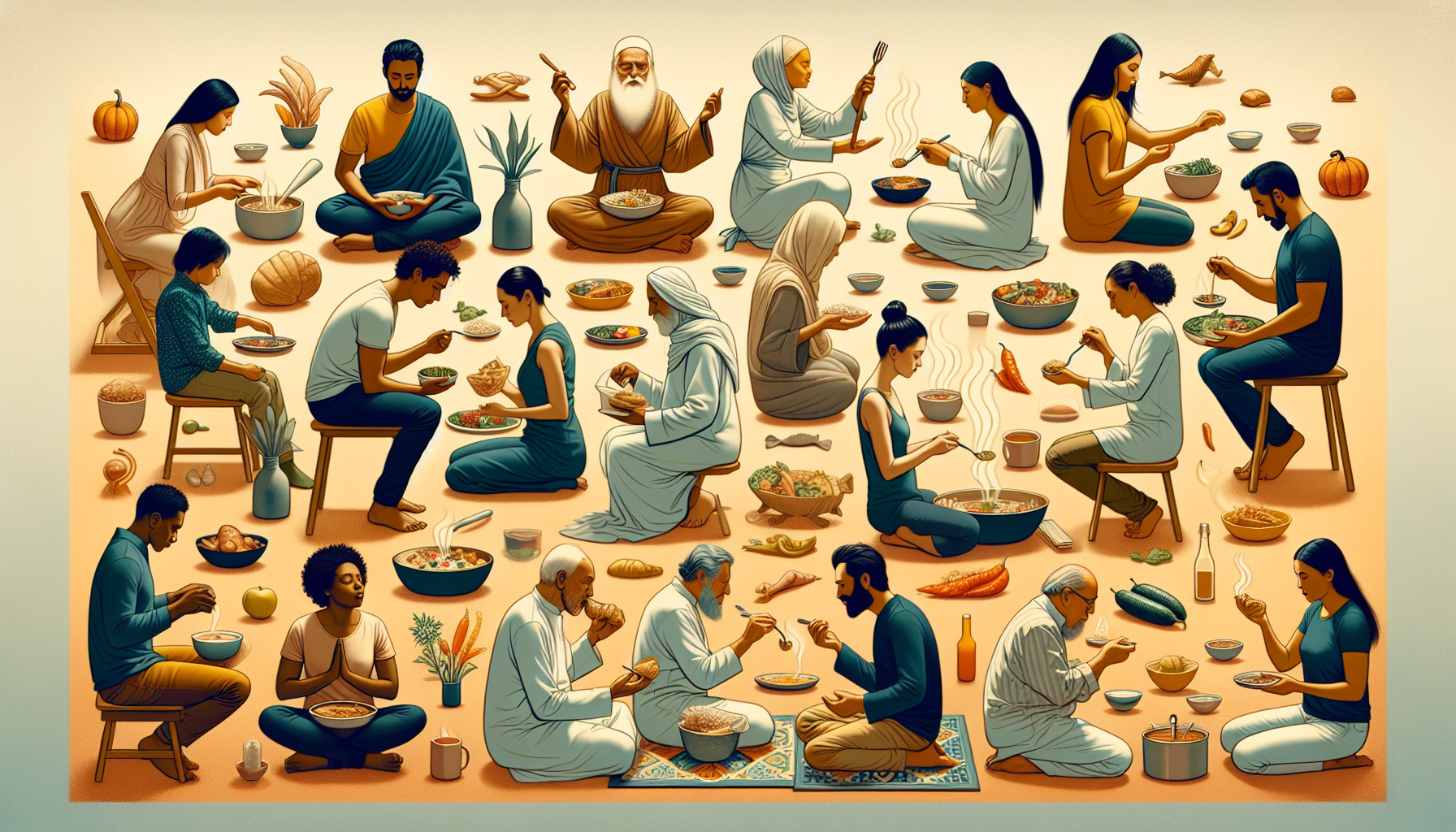
In today’s fast-paced world, we often overlook the importance of connecting with our spiritual selves, as well as the impact it can have on various aspects of our lives. Surprisingly, spirituality can even extend its influence into the realm of culinary practices. Whether it’s a mindful approach to food preparation or a belief in the power of certain ingredients, spirituality has the potential to shape the way we cook and consume our meals. Let’s explore the fascinating connection between spirituality and culinary practices, and how it can enhance our overall dining experience.
The Role of Spirituality in Culinary Practices
Culinary practices are deeply intertwined with the cultural and religious beliefs of a community. Spirituality plays a significant role in shaping the way people approach food, from the ingredients they use to the rituals and traditions they follow. This article explores the various dimensions of spirituality in culinary practices and the impact it has on individuals and communities.
Cultural and Religious Influences
Cultural and religious beliefs have a profound influence on culinary practices around the world. Food is not merely sustenance but also a way to express cultural identity and reinforce religious customs. From the spices used in Indian cuisine to the ceremonial feasts of the Native American tribes, spirituality is woven into the fabric of diverse culinary traditions.
Traditional Food Preparation Rituals
Traditional food preparation often involves rituals that go beyond mere practicality. These rituals serve as a means to connect with the spiritual realm and ancestors. Whether it’s the act of washing hands before cooking, praying over ingredients, or participating in communal cooking and feasting, these rituals infuse food with a sense of sacredness and reverence.
Food as an Expression of Spirituality
Food is a powerful form of expression, and many spiritual traditions view it as a way to communicate with the divine. Whether through elaborate feasts during religious festivities or simple daily offerings, food symbolizes gratitude, devotion, and the sharing of blessings. By preparing and consuming food mindfully, individuals can cultivate a deeper connection to their spirituality and find meaning in even the most mundane activities.
The Impact of Spiritual Beliefs on Ingredients
The ingredients chosen for culinary practices are often influenced by spiritual beliefs. Certain foods may be considered sacred or forbidden, leading to dietary restrictions and the adoption of specific culinary practices.
Sacred and Forbidden Foods
In many spiritual traditions, certain foods are deemed sacred and hold special significance. These foods may be associated with specific gods or goddesses, and their consumption is believed to bring blessings or divine favor. On the other hand, there are also forbidden foods that are seen as impure or negative, and their consumption is discouraged or prohibited altogether.
Dietary Restrictions and Ritual Fasts
Spiritual beliefs often give rise to dietary restrictions and ritual fasts. These restrictions can vary widely, from abstaining from certain types of meat to adhering to strict vegan or vegetarian diets. Fasting, in particular, is a common practice in many religious traditions. It is seen as a way to purify the body, discipline the mind, and create a deeper spiritual connection.

This image is property of images.pexels.com.
Sacramental and Ritualistic Food
Across different spiritual traditions, certain foods hold sacramental or ritualistic significance. These foods are often used in religious ceremonies and symbolize important aspects of the faith.
Food Offerings and Rituals
Offering food to deities or ancestors is a widely practiced ritual in many cultures. By making these offerings, believers express gratitude, seek blessings, and establish a sense of reciprocity with the spiritual realm. These offerings may include fruits, grains, or even elaborate meals prepared with utmost care and devotion.
Communal Eating in Spiritual Gatherings
Communal eating plays a vital role in spiritual gatherings, bringing people together and fostering a sense of unity. Whether it’s a shared meal after a religious ceremony or a community feast during a festive occasion, these communal meals symbolize the sharing of spiritual nourishment and create a bond among participants.
Mindful Cooking and Eating
Mindfulness, the practice of being fully present and aware in the current moment, can be applied to culinary activities. By adopting a mindful approach to cooking and eating, individuals can deepen their connection with spirituality and find greater fulfillment in everyday actions.
The Practice of Mindfulness
Mindful cooking involves being fully engaged in the process, paying attention to every ingredient, and appreciating the transformative nature of cooking. It encourages individuals to slow down, savor the sensory experiences, and cultivate a sense of gratitude for the nourishment and joy that food brings.
Intention and Gratitude in Culinary Activities
Intention and gratitude are integral aspects of spiritual culinary practices. Every act performed in the kitchen, from chopping vegetables to plating a dish, can be infused with intention and gratitude, turning ordinary tasks into meaningful rituals. By cultivating these qualities, individuals can create a positive energy that permeates their food and nourishes their own spiritual well-being as well as that of others.

This image is property of images.pexels.com.
The Influence of Spiritual Teachers and Gurus
Spiritual teachers and gurus often emphasize the importance of conscious cooking and eating as a means to connect with the divine and deepen one’s spiritual path.
Cooking as a Spiritual Discipline
In various spiritual traditions, cooking is seen as a spiritual discipline, an opportunity for self-transformation and service. By approaching cooking as a sacred act, individuals can cultivate qualities such as patience, love, and compassion, and infuse their creations with positive energy that nourishes both body and soul.
Instruction and Guidance from Spiritual Masters
Spiritual teachers and gurus provide guidance and instruction on incorporating spirituality into culinary practices. They may teach specific methods of cooking, emphasize the use of certain ingredients, or provide insights into the symbolic significance of different food items. Their wisdom and teachings inspire individuals to bring mindfulness and spiritual awareness into their daily interactions with food.
Ethical and Sustainable Approaches to Food
Spirituality often aligns with ethical and sustainable approaches to food. Many spiritual traditions emphasize the importance of treating animals with compassion and being mindful of the environmental impact of our food choices.
Spirituality and Humane Treatment of Animals
Some spiritual traditions promote a vegetarian or vegan lifestyle out of compassion for all living beings. By abstaining from the consumption of animal products, individuals align their dietary choices with their spiritual beliefs and contribute to the welfare of animals.
Connection to Nature and the Environment
Spiritual practices often emphasize the interconnectedness of all living beings and the need to live in harmony with the natural world. Sustainable, organic farming methods and a focus on locally sourced ingredients are seen as a way to honor and respect the Earth. By choosing foods that have minimal environmental impact, individuals can align their culinary practices with their spiritual values.

This image is property of images.pexels.com.
The Healing Power of Food
Food has long been recognized for its healing properties, and many spiritual traditions incorporate food as a form of medicine.
Energetic Properties of Ingredients
In spiritual culinary practices, certain ingredients are believed to possess energetic properties that can balance the body, mind, and spirit. The careful selection and preparation of these ingredients aim to enhance overall well-being and promote healing on multiple levels.
Food as Medicine in Spiritual Traditions
Traditional healing practices often involve the use of specific foods and herbs to address physical, emotional, and spiritual ailments. Whether it’s Ayurvedic practices, traditional Chinese medicine, or herbal remedies prescribed by Indigenous healers, the belief in the healing power of food is deeply ingrained in spiritual traditions around the world.
Food and Rituals in Cultural Celebrations
Religious holidays and festivals are often accompanied by specific culinary traditions and rituals. These culinary practices not only add to the festive atmosphere but also hold deeper symbolic significance.
Religious Holidays and Festivals
Religious holidays and festivals are often centered around food. From Christmas feasts to Ramadan iftars, these occasions bring families and communities together to share special meals and commemorate important events on the spiritual calendar.
Symbolism and Significance of Traditional Dishes
Traditional dishes served during religious holidays are not just culinary creations but bear symbolic meanings tied to the spiritual significance of the occasion. These dishes may represent purity, abundance, unity, or connection to the divine. By partaking in these culinary traditions, individuals honor their cultural heritage and reinforce their spiritual beliefs.
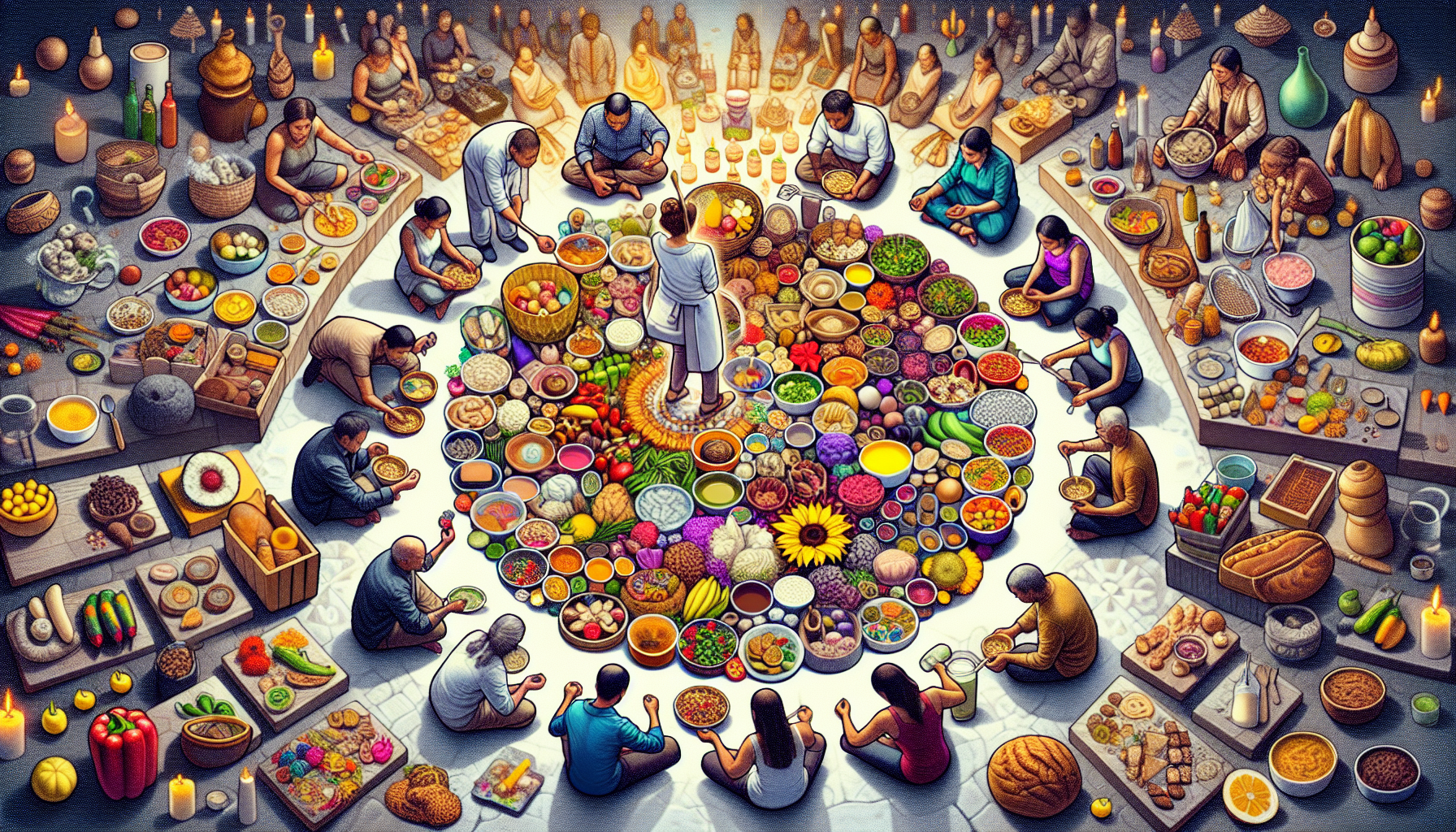
Emotional and Physical Nourishment
Food serves as more than just sustenance for the body. It also nourishes the spirit and provides comfort during challenging times.
Spiritual Nourishment Through Food
Food can provide spiritual nourishment, offering solace and a sense of connection to something greater than oneself. Whether it’s the familiar flavors of a childhood dish or the sharing of a meal with loved ones, food has the power to uplift the spirit and provide a sense of belonging.
Food as a Source of Comfort and Healing
During times of emotional or physical stress, food can provide comfort and healing. Whether it’s a warm bowl of soup or a favorite dessert, certain foods have the ability to soothe and nurture, offering a temporary respite from life’s challenges. By mindfully choosing and preparing these foods, individuals can tap into the healing power of food and find solace in their spirituality.
Exploring Spiritual Culinary Practices
The intersection of spirituality and gastronomy offers a rich field of exploration for individuals seeking to deepen their connection with food and nourish their souls.
The Intersection of Spirituality and Gastronomy
Spirituality and gastronomy intersect in various ways, from the use of sacred ingredients to the mindfulness and intention infused in cooking and eating. Exploring this intersection allows individuals to embark on a journey of self-discovery, where culinary practices become a means of spiritual expression and growth.
Incorporating Spirituality into Personal Cooking Practices
Incorporating spirituality into personal cooking practices is a deeply personal and individual journey. It involves bringing mindfulness, intention, and gratitude into every aspect of culinary activities, from ingredient selection to the act of cooking itself. By infusing these practices with spirituality, individuals can transform their relationship with food, nourish their souls, and create a profound connection to something larger than themselves.
In conclusion, spirituality plays a multifaceted role in culinary practices. From cultural and religious influences to mindful cooking and the healing power of food, spirituality infuses meaning and purpose into our relationship with food. Exploring and incorporating spirituality in culinary practices can lead to a deeper connection with oneself, others, and the divine, making every meal a sacred experience. So, embrace the spirituality in your culinary journey and savor the spiritual nourishment that food has to offer.