
Whether you’re a believer or a skeptic, tarot cards have intrigued people for centuries with their enigmatic illustrations and mystical interpretations. But beyond their reputation for predicting the future, have you ever considered if they could also be used for healing purposes? It turns out that tarot cards may hold a secret power to help individuals navigate emotional challenges, find clarity, and ignite personal growth. In this article, we’ll explore the fascinating potential of tarot cards as a tool for healing, delving into their transformative abilities and uncovering the ways in which they can offer solace and guidance on our life journeys.
The History of Tarot Cards
Origins of Tarot Cards
Tarot cards have a rich and mysterious history that dates back several centuries. The exact origins of tarot cards are still debated among scholars, but most believe that they originated in Europe during the 14th century. The earliest known tarot decks were created in Italy, with the Visconti-Sforza deck being one of the oldest surviving examples. These early decks consisted of 78 cards – 22 Major Arcana cards and 56 Minor Arcana cards – which were used for both gameplay and divination.
Popularity of Tarot Cards
Over the centuries, tarot cards gained popularity not only as a form of entertainment but also as a tool for spiritual insight and guidance. In the 18th and 19th centuries, tarot card reading became a popular pastime among the aristocracy and high society in Europe. The occult revival of the late 19th and early 20th centuries further fueled interest in tarot cards, as they were seen as a means of connecting with mystical and esoteric knowledge.
Evolution of Tarot Cards
While tarot cards have ancient roots, they have evolved and transformed over time. In the 20th century, tarot card designs began to deviate from the traditional imagery found in classic decks. Artists and enthusiasts started creating decks with unique themes, incorporating different cultural influences and artistic styles. This led to the emergence of a wide variety of tarot decks, each with its own interpretation and symbolism. Today, tarot cards continue to evolve, with modern decks reflecting contemporary perspectives and diverse cultural traditions.
Understanding Tarot Card Readings
Meaning of Tarot Cards
Tarot cards are a powerful tool for gaining insight and understanding into various aspects of our lives. Each card in a tarot deck has its own unique meaning and symbolism, which can be interpreted in different ways depending on the context of the reading. The Major Arcana cards often represent significant life events or archetypal energies, while the Minor Arcana cards delve into more specific areas of our daily lives. By studying and understanding the meanings of the cards, readers can provide valuable guidance and advice to those seeking answers.
Types of Tarot Card Decks
There is a wide variety of tarot card decks available on the market today, each with its own unique visual style and symbolism. Some popular decks include the Rider-Waite Tarot, the Thoth Tarot, and the Morgan-Greer Tarot. Each deck has its own interpretation of the traditional tarot card archetypes, and the choice of deck often depends on personal preference and connection. Some decks may have more complex imagery, while others may focus on simplicity and clarity. Regardless of the deck used, the underlying meanings and symbolism of the cards remain consistent.
How Tarot Card Readings are Conducted
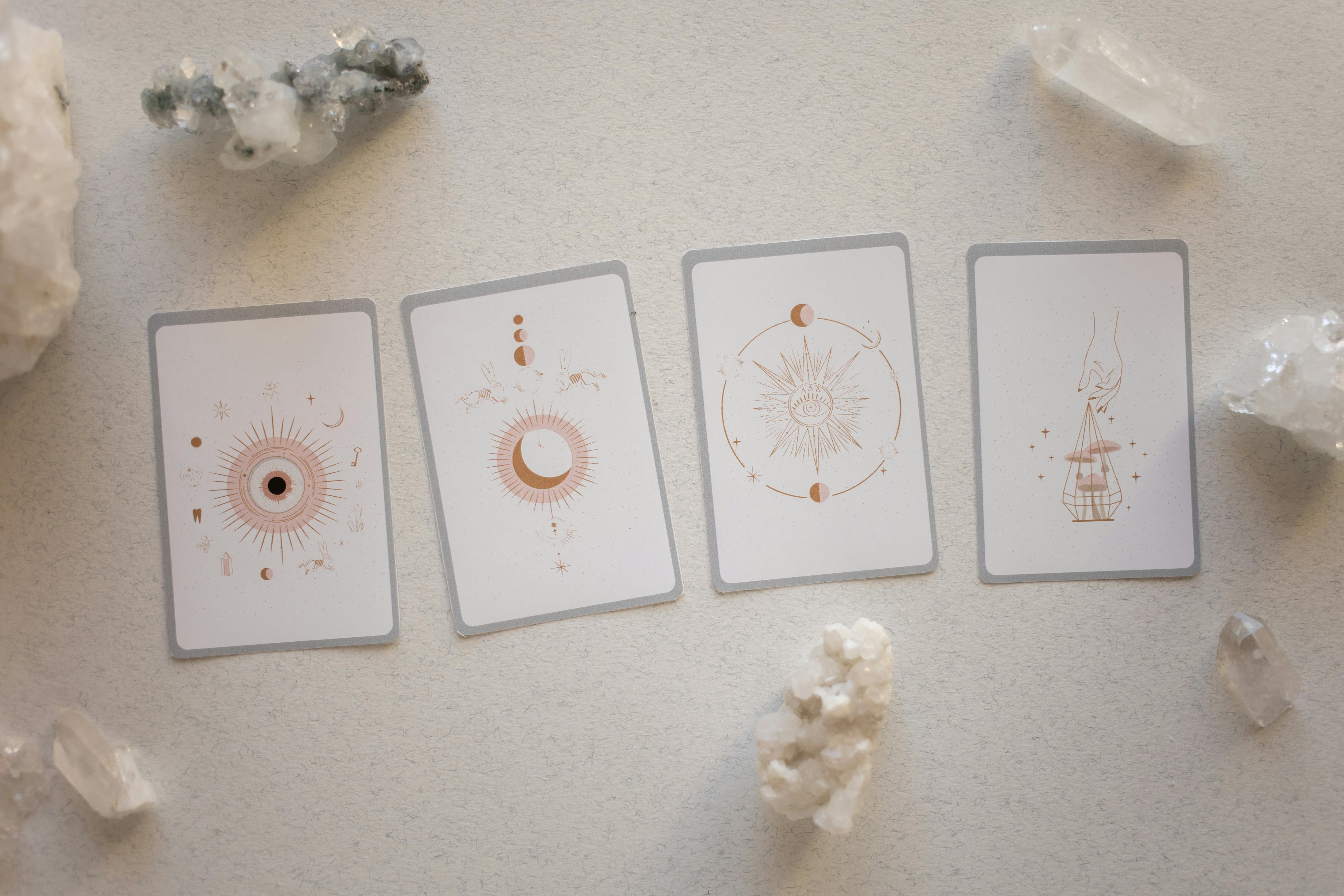
Tarot card readings can be conducted in various ways, depending on the reader’s methodology and approach. Typically, a reading begins with the querent (the client seeking guidance) shuffling the deck and focusing on their question or intention. The reader then lays out a spread, which can range from a simple three-card spread to more complex spreads like the Celtic Cross. Each card drawn is interpreted and analyzed in relation to the question or situation at hand. The reader may draw additional clarification cards or ask the querent for further insights to provide a more comprehensive reading. Throughout the reading, the reader acts as a facilitator, offering guidance and insights based on the cards and the reader’s intuition.
This image is property of images.pexels.com.
The Role of Tarot Cards in Healing
Tarot Cards as a Tool for Self-Reflection
One of the primary ways tarot cards can be used for healing purposes is through self-reflection. Tarot readings can help individuals gain insight into their emotions, thoughts, and behaviors, allowing them to explore their inner selves more deeply. The cards can act as a mirror, revealing hidden aspects of the self and illuminating patterns or blocks that may be hindering personal growth and healing. Through self-reflection with tarot cards, individuals can develop a greater understanding of themselves and access their inner wisdom, leading to transformation and healing.
Tarot Cards as a Guide to Making Choices
Tarot cards can also serve as a valuable tool for decision-making and choice guidance. When faced with important decisions or life transitions, tarot readings can provide clarity and guidance by offering different perspectives and potential outcomes. By exploring the energies and symbolism of the cards, individuals can gain a deeper understanding of the potential consequences of their choices. Tarot cards can help individuals navigate challenges, make informed decisions, and find the path that aligns with their highest good and healing.
Tarot Cards for Emotional Healing
Emotional healing is an essential aspect of overall well-being, and tarot cards can play a significant role in this process. Tarot readings can help individuals explore and process their emotions in a safe and supportive way. The cards can shed light on unresolved emotional issues, traumas, or hidden emotions that may be impacting one’s emotional well-being. By acknowledging and addressing these emotional wounds, individuals can work towards healing and personal growth. Additionally, tarot cards can provide guidance on self-care practices, affirmations, and mindset shifts that can foster emotional healing.
The Connection between Tarot Cards and Psychology
Psychological Concepts in Tarot Readings
Tarot cards and psychology share common ground when it comes to understanding the human psyche. Many psychological concepts can be applied to tarot readings, enhancing their therapeutic potential. Concepts such as archetypes, the collective unconscious, and symbolism are all relevant in both tarot and psychology. Tarot readings allow individuals to explore their subconscious and bring hidden aspects of themselves to the conscious awareness, allowing for greater self-understanding and psychological growth.
Tarot Cards and Jungian Psychology
The renowned Swiss psychologist Carl Jung and his theories on psychology have greatly influenced tarot card interpretation and understanding. Jung believed in the collective unconscious – a shared repository of archetypal imagery and symbolism that exists within every individual. He saw tarot cards as a powerful tool for accessing and interpreting collective wisdom, providing insights into the deeper realms of the psyche. As such, tarot card readings often incorporate Jungian concepts and symbolism, deepening the therapeutic potential of the practice.
Tarot Cards for Personal Growth and Transformation
Tarot cards offer individuals a unique opportunity for personal growth and transformation. By engaging with tarot cards on a regular basis, individuals can embark on a journey of self-discovery, self-improvement, and spiritual evolution. Tarot readings can provide insights into areas of strength, areas for growth, and opportunities for personal transformation. With this knowledge, individuals can make conscious choices and take proactive steps towards realizing their full potential. Tarot cards serve as a catalyst for personal growth and transformation, supporting individuals on their healing journeys.

This image is property of images.pexels.com.
Scientific Perspective on Tarot Cards
Psychological Benefits of Tarot Card Readings
While tarot card readings are often considered a spiritual or metaphysical practice, they also offer psychological benefits. Engaging with tarot cards can stimulate reflection, introspection, and self-awareness. The act of exploring the cards and their meanings can facilitate a deeper understanding of one’s thoughts, feelings, and behaviors. This process of self-reflection can lead to increased self-esteem, improved emotional regulation, and enhanced overall well-being. Additionally, tarot card readings can provide a sense of empowerment and agency, as individuals gain insights and guidance to navigate life’s challenges.
Effectiveness of Tarot Card Readings for Healing
Although scientific research specifically on the effectiveness of tarot card readings for healing purposes is limited, anecdotal evidence and individual experiences suggest their efficacy. Tarot card readings can offer individuals a sense of clarity, validation, and guidance, which can be empowering and supportive in the healing process. The therapeutic potential of tarot cards lies in their ability to facilitate self-reflection, insight, and emotional processing. By engaging with the symbols and messages of the cards, individuals can tap into their inherent healing abilities and facilitate personal growth.
Research on Tarot Card Therapy
While scientific research on tarot card therapy is still in its early stages, some studies have explored the potential benefits of using tarot cards in therapeutic settings. Research conducted by psychologists and counselors has indicated that tarot card therapy can facilitate self-reflection, increase self-awareness, and support emotional healing. However, more rigorous research is needed to establish the efficacy and specific mechanisms of tarot cards in therapeutic contexts. As interest in complementary and alternative healing practices grows, it is likely that further research will be conducted to explore the potential benefits of tarot card therapy.
Using Tarot Cards for Physical Healing
Tarot Cards and Alternative Medicine
Tarot cards can be integrated into alternative medicine practices to support physical healing. While tarot cards are not a substitute for medical treatment, they can complement other healing modalities by providing insights and guidance from a holistic perspective. Tarot readings can help individuals uncover potential emotional or energetic imbalances that may be contributing to physical symptoms. By addressing these underlying issues, individuals can support the body’s natural healing processes and enhance overall well-being.
Tarot Cards for Energy Healing
Energy healing modalities, such as Reiki or crystal healing, can be combined with tarot card readings to promote physical healing. Tarot cards can provide insights into imbalances in the body’s energy system, known as the chakras. By identifying and understanding these imbalances, individuals can use energy healing techniques to restore balance and promote healing. Tarot cards can serve as a guide to the specific areas of the body that may need attention, allowing individuals to tailor their energy healing practices accordingly.
Tarot Cards for Chakra Balancing
Chakras are energy centers within the body that correspond to different aspects of physical and emotional well-being. Tarot cards can be used to explore and balance the chakras, supporting physical healing. By selecting a tarot card for each chakra, individuals can gain insight into the particular energy patterns and imbalances associated with each chakra. Tarot readings can then guide individuals in selecting appropriate healing practices, such as meditation, visualization, or crystal therapy, to restore balance and promote physical well-being.

This image is property of images.pexels.com.
Tarot Cards in Holistic Health Practices
Incorporating Tarot Cards into Yoga and Meditation
Yoga and meditation are powerful practices that promote holistic well-being. Tarot cards can be incorporated into these practices to deepen self-awareness and provide guidance. Before starting a yoga or meditation session, individuals can draw a tarot card and reflect on its meaning in relation to their intention for the practice. This can enhance the experience by adding an additional layer of symbolism and introspection. Tarot cards can also be used as daily reflections or as focal points during meditation, providing insights and inspiration for personal and spiritual growth.
Using Tarot Cards in Reiki Healing
Reiki is a Japanese energy healing technique that promotes balance and relaxation. Tarot cards can be used in conjunction with Reiki to enhance the healing experience. During a Reiki session, a tarot card can be selected to provide insights into the energetic imbalances being worked on. The chosen card can serve as a focal point for visualization or meditation, aiding in the healing process. Tarot cards can also be used to guide practitioners in selecting appropriate Reiki hand positions for specific healing intentions, further enhancing the effectiveness of the practice.
Tarot Cards in Stress Management
Stress is a common and impactful aspect of modern life, and managing stress is essential for overall well-being. Tarot cards can be a valuable tool in stress management by providing insights, guidance, and perspective. When feeling overwhelmed or stressed, individuals can draw a tarot card and reflect on its message. The card can offer new insights or highlight areas of focus for stress reduction. Additionally, tarot readings can provide guidance on self-care practices, such as relaxation techniques, mindfulness exercises, or lifestyle adjustments, to effectively manage stress and promote balance.
Ethical Considerations in Tarot Card Healing
Professionalism and Confidentiality
Ethics are an integral part of any healing practice, including tarot card healing. Tarot card readers should maintain professionalism and uphold client confidentiality. It is essential for readers to establish clear boundaries and ensure that clients feel safe and respected during the reading process. All information shared during a reading should be treated with confidentiality, and clients should have the freedom to ask questions, express concerns, and set their own boundaries.
Avoiding Ethical Dilemmas in Tarot Card Readings
Tarot card readers must also be mindful of potential ethical dilemmas that may arise during readings. It is important for readers to provide accurate information and interpretations without imposing personal biases or judgments. Readers should refrain from making definitive predictions about the future and instead focus on empowering individuals to make their own choices. Additionally, readers should avoid offering medical or legal advice unless they are qualified professionals in those fields.
Creating Safe Spaces for Healing
Creating a safe and supportive environment is crucial for effective tarot card healing. Readers should ensure that the space in which readings take place is comfortable, quiet, and free from distractions. It is important to establish a rapport with clients, actively listen to their concerns, and validate their experiences. By creating a safe space, tarot card readers can foster trust and allow individuals to open up, facilitating a fruitful healing experience.
Personal Experiences with Tarot Card Healing
Testimonials from Individuals
Tarot card healing has touched the lives of many individuals, offering them guidance, support, and healing. Countless testimonials from those who have engaged in tarot card readings speak to the transformative power of the practice. Individuals often report increased self-awareness, clarity, and personal growth after engaging with tarot cards for healing purposes. Testimonials highlight the unique and individual journey that each person embarks upon with tarot card healing, demonstrating its potential for profound positive change.
Case Studies on Tarot Card Healing
Case studies provide valuable insights into the therapeutic potential of tarot card healing. By documenting specific client experiences and the outcomes of their tarot card readings, these studies offer tangible evidence of the efficacy of the practice. Case studies may focus on various aspects of healing, ranging from emotional healing to physical well-being. They shed light on the nuanced ways in which tarot cards can support individuals on their healing journeys and provide valuable guidance and support.
Benefits and Limitations of Tarot Card Healing
While tarot card healing offers numerous benefits, it is important to acknowledge its limitations as well. Tarot cards are a tool for personal reflection and guidance, and their interpretations rely on the skills and intuition of the reader. The accuracy and usefulness of a tarot card reading may vary depending on individual interpretation and the reader’s abilities. Additionally, tarot card healing is most effective when used as a complement to other healing practices and should not replace medical or psychological intervention when needed. Recognizing the benefits and limitations of tarot card healing allows individuals to approach the practice with realistic expectations and make informed decisions about their healing journey.
Exploring Other Forms of Divination for Healing
Astrology as a Healing Tool
Astrology, like tarot card reading, has a long history and is often used for gaining insight and guidance. The study of planetary positions and their influence on human behavior and events can provide valuable information for personal growth and healing. Astrology can shed light on personality traits, life challenges, and potential areas of growth. By exploring their birth chart or engaging in predictive astrology, individuals can gain a deeper understanding of themselves and their life path, supporting their healing journey.
Numerology for Self-Discovery and Healing
Numerology is the study of the symbolic meanings of numbers and their influence on human life. It can be a powerful tool for self-discovery and healing. By analyzing birth dates, names, and other significant numbers, individuals can gain insights into their personality traits, life purpose, and destiny. Numerology can help individuals understand their strengths and weaknesses, uncover patterns in their lives, and find ways to overcome challenges. By applying numerological principles to their healing journey, individuals can make more conscious choices and align their lives with their true essence.
Palmistry for Emotional Wellness
Palmistry, also known as chiromancy, is the art of reading the lines and features of the hands to gain insight and guidance. This practice can provide valuable information about an individual’s personality traits, emotional patterns, and potential areas for growth. Palmistry can uncover subconscious fears, emotional blocks, or unresolved issues that may be affecting one’s well-being. By recognizing and addressing these aspects, individuals can work towards emotional healing and overall wellness. Palmistry can serve as a complementary practice to tarot card healing, offering another perspective for personal growth and self-awareness.
In conclusion, tarot cards have a long and fascinating history that has evolved over the centuries. While they are often used for entertainment, tarot cards have also become a powerful tool for healing and self-reflection. Tarot card readings can provide insight into various aspects of life, guide decision-making, and support emotional and physical healing. Through the connection between tarot cards and psychology, individuals can utilize them for personal growth and transformation. While scientific research on tarot card therapy is limited, testimonials and case studies highlight the potential benefits of tarot card healing. Additionally, tarot cards can be integrated into holistic health practices, alternative medicine, and stress management techniques. Ethical considerations, such as professionalism, confidentiality, and creating safe spaces, are essential when engaging in tarot card healing. By exploring other forms of divination, such as astrology, numerology, and palmistry, individuals can further support their healing journey. Overall, tarot cards offer a versatile and powerful tool that can play a significant role in personal growth, self-awareness, and healing.