Divination is often misunderstood and carries a certain mystique that can lead to misconceptions. From fortune-telling to supernatural powers, there are many assumptions surrounding this ancient practice. However, it is important to separate fact from fiction and shed light on the truth behind divination. In this article, we will debunk some of the most common misconceptions about divination and explore its true purpose and potential. Let’s dive into the world of divination and challenge the myths that surround it.
This image is property of images.unsplash.com.
Misconception 1: Divination predicts the future
Explanation of divination’s purpose
Divination is often misunderstood as a practice solely focused on predicting future events. However, its purpose goes beyond fortune-telling. Divination is a means of gaining insight, guidance, and understanding about various aspects of life. It serves as a tool for self-reflection and self-discovery, helping individuals make informed decisions and navigate through challenges.
Understanding the limitations of divination
While divination can provide valuable insights, it is important to acknowledge its limitations. Divination does not guarantee precise or absolute predictions of the future. Instead, it offers potential outcomes based on the energies and circumstances present at the time of the reading. The future is not set in stone, and our choices and actions can influence the course of events. Divination merely provides a glimpse into possibilities and helps individuals make informed choices.
Divination as a tool for self-reflection
One of the key purposes of divination is to facilitate self-reflection. Through divination practices, individuals can gain a deeper understanding of themselves, their desires, fears, and motivations. Divination acts as a mirror, reflecting the subconscious and allowing individuals to explore their own thoughts and emotions. It helps in promoting self-awareness and personal growth, enabling individuals to make conscious decisions aligned with their values and aspirations.
Misconception 2: Divination is a form of magic
Defining divination and magic
Divination and magic are often conflated, leading to the misconception that they are the same thing. However, they are distinct practices with different purposes. Divination is a process of seeking information or guidance, whereas magic involves the use of rituals, spells, or supernatural forces to influence outcomes or manipulate energies.
Exploring the differences between divination and magic
Divination primarily focuses on obtaining insights and understanding, whereas magic involves the intention to affect change or manifest desires. Divination relies on interpreting symbols, signs, or intuitive messages, while magic employs rituals, spells, and the manipulation of energies. While both divination and magic can be powerful tools, it is essential to understand their distinct purposes and practices.
Misconception 3: Divination is always accurate
Recognizing the fallibility of divination
Divination, like any other method of gaining insight, is prone to limitations and inaccuracies. The future is complex and influenced by numerous factors, making it impossible to predict with absolute certainty. However, divination can provide valuable guidance and potential outcomes based on the information available at the time of the reading.
Factors that may affect the accuracy of divination
Several factors can impact the accuracy of divination readings. The skill, experience, and intuition of the practitioner play a crucial role in the interpretation of symbols and messages. Other factors, such as the mindset and emotional state of the individual seeking the reading, the clarity of the question asked, and the quality of the connection established, can also influence the accuracy of the divination session.
Importance of interpretation and intuition
Divination involves interpreting symbols, signs, or messages, which requires a blend of knowledge, intuition, and personal insights. The accuracy of a divination reading relies on the practitioner’s ability to effectively interpret the information received. Intuition and the practitioner’s connection with their chosen divination method also contribute to the accuracy, making interpretation a vital component of the practice.
Misconception 4: Divination is connected to supernatural entities
Exploring different perspectives on the source of divination’s insights
The source of insights in divination can vary depending on individual beliefs and perspectives. Some may attribute it to supernatural entities, spirits, or divine intervention. Others view it as a reflection of the collective unconscious or the interconnected energies of the universe. The interpretations differ, but the aim of divination remains the same: to gain understanding and guidance.
Psychological interpretation of divination
Psychological perspectives on divination emphasize that the insights gained are products of the mind’s subconscious processes. Divination acts as a catalyst for tapping into one’s intuitive abilities and accessing hidden knowledge within the self. It may involve archetypal imagery, symbolic concepts, or personal associations, all of which can provide valuable insights into one’s thoughts, emotions, and psyche.
The role of belief in divination
Belief plays a significant role in divination. One’s beliefs can shape the meaning and significance attributed to divination practices and the insights received. Whether one believes in supernatural entities or views divination as a psychological tool, the power of belief can enhance the efficacy and impact of divination experiences.
This image is property of images.unsplash.com.
Misconception 5: Divination is only for predicting future events
Understanding the breadth of divination’s purposes
Divination encompasses a wide range of purposes that extend beyond predicting future events. It can be used for gaining insight into present circumstances, understanding past events, exploring relationships, making decisions, and even as a means of spiritual connection and growth. Divination provides a holistic approach to seeking guidance and understanding in various aspects of life.
Using divination for guidance and insight in various aspects of life
Divination offers a valuable tool for seeking guidance and insight in different areas of life. Whether it’s career decisions, personal relationships, health concerns, or spiritual growth, divination can assist in navigating these areas with clarity and understanding. It helps individuals gain perspective, explore their options, and make informed choices aligned with their values and aspirations.
Misconception 6: Divination is against certain religious beliefs
Different attitudes towards divination in various religions
Attitudes towards divination vary across different religions and belief systems. While some religions embrace divination as a sacred practice, others may discourage or even prohibit it. It is essential to respect and understand the beliefs and teachings of different religious traditions and recognize that divination practices may not align with certain religious doctrines.
Integration of divination within different belief systems
For those who seek to integrate divination within their religious or spiritual beliefs, it is important to find a balance that honors both. This may involve adapting divination practices to align with specific religious teachings or seeking guidance from practitioners who have expertise in bridging the gap between divination and specific religious frameworks.
This image is property of images.unsplash.com.
Misconception 7: Divination requires special powers or abilities
Demystifying the practice of divination
Divination is often perceived as a mystical practice accessible only to those with special powers or supernatural abilities. However, divination is a skill that can be learned and developed with practice and dedication. While some individuals may possess natural intuitive abilities, anyone can learn divination methods and become proficient with time and commitment.
Accessible divination methods for everyone
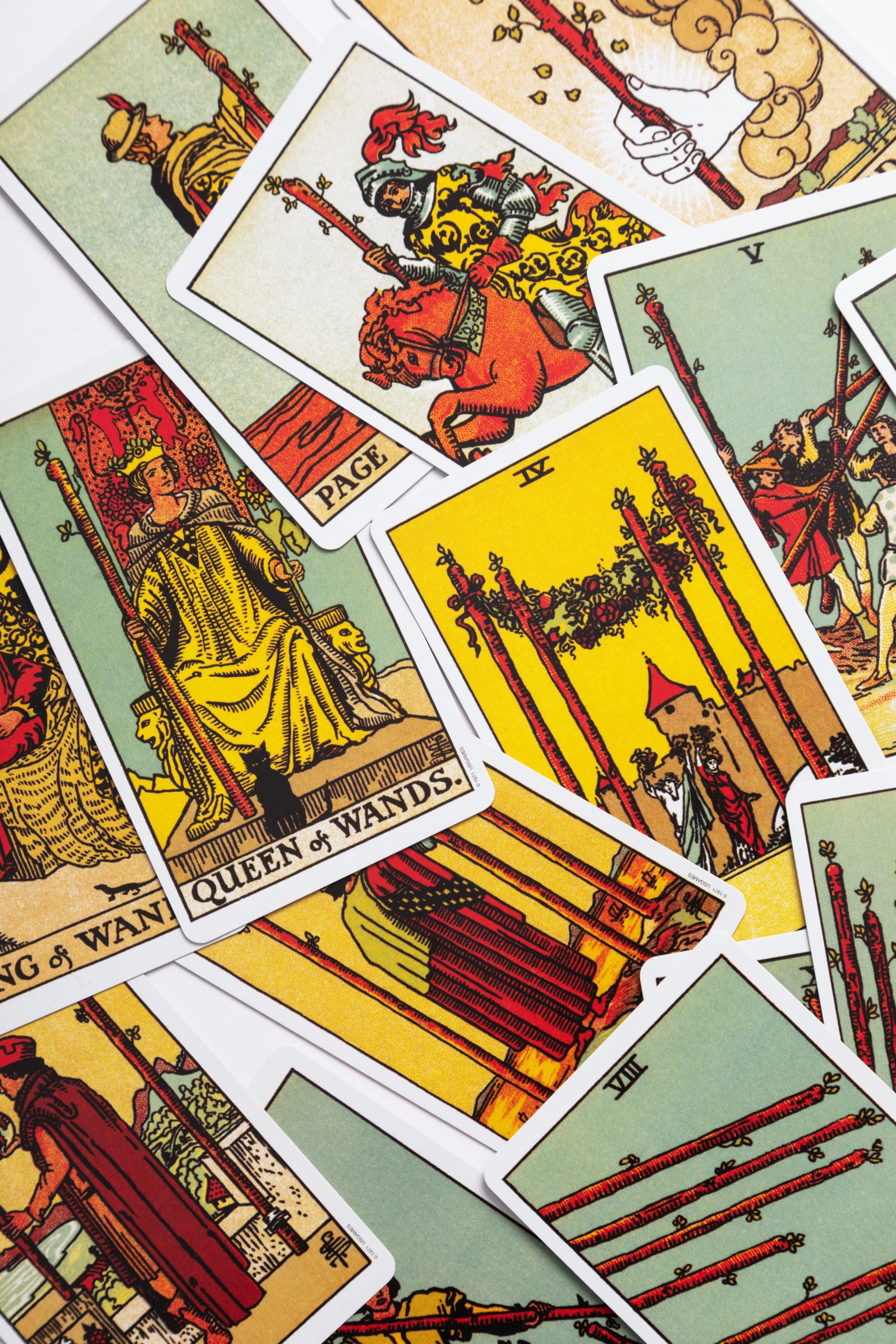
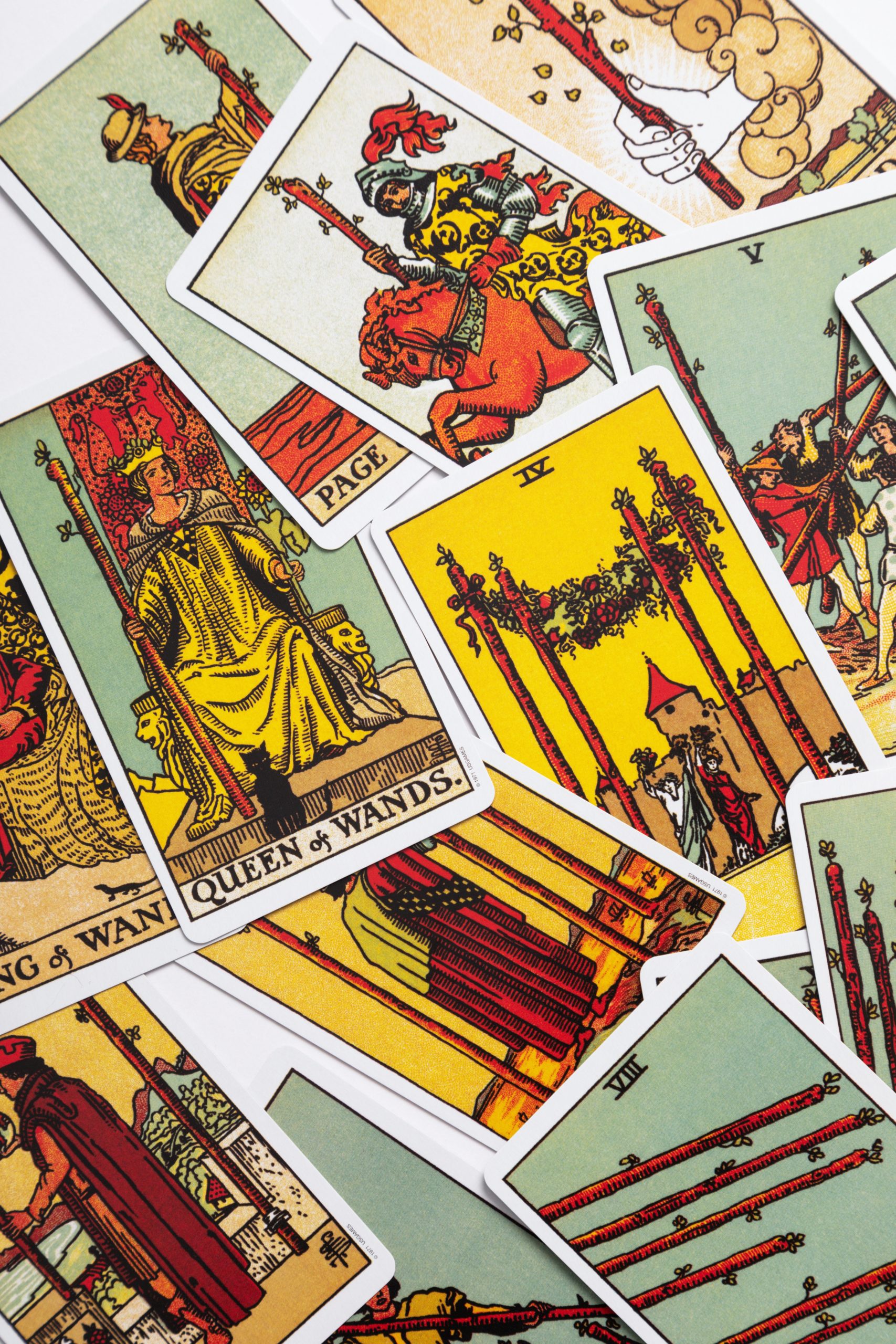
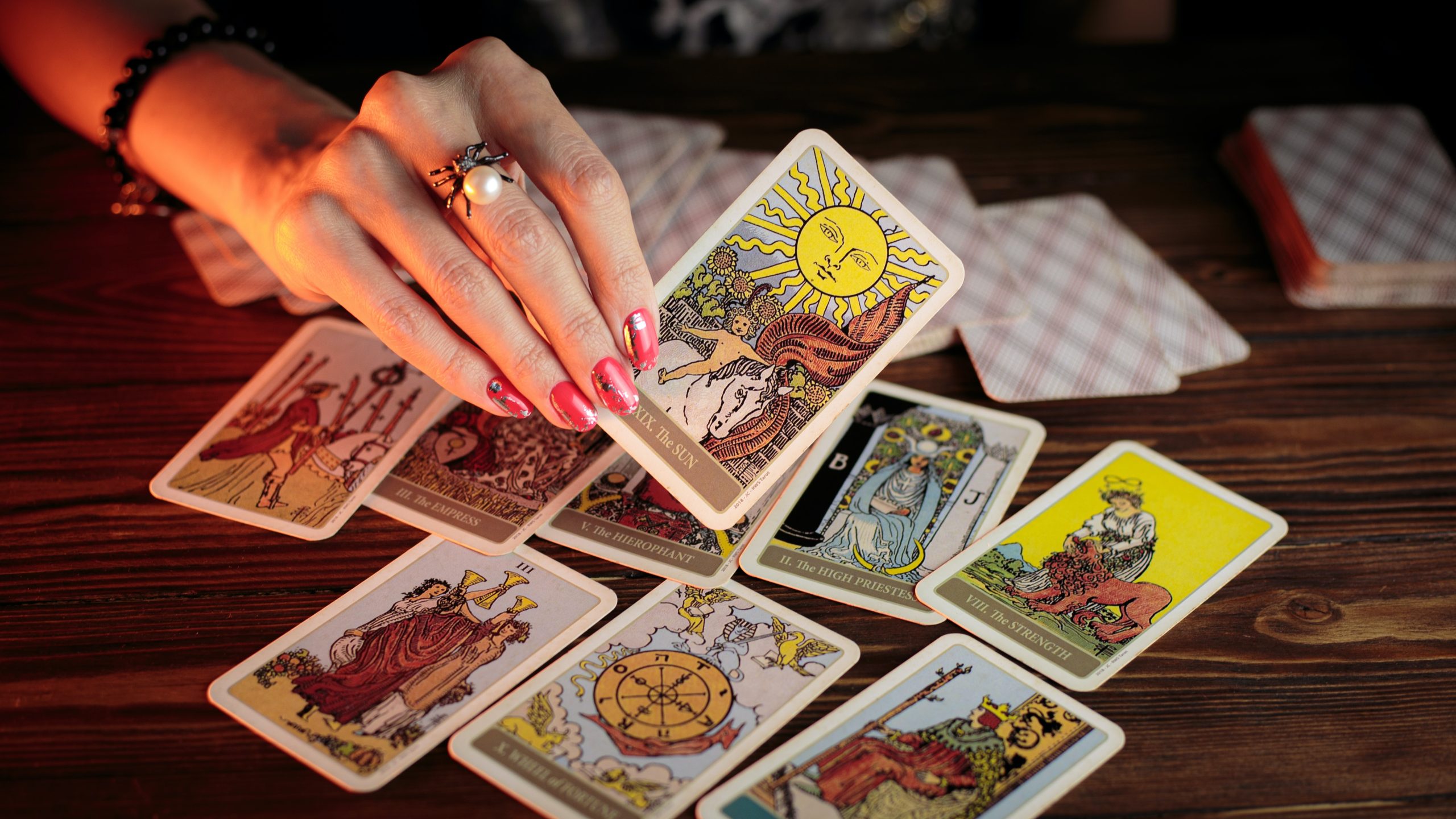
Divination encompasses a wide range of practices, from tarot reading and astrology to scrying and pendulum dowsing. Each divination method offers unique insights and can be tailored to suit individual preferences and comfort levels. With the abundance of resources available today, it is easier than ever for individuals to explore and learn divination methods that resonate with them.
Misconception 8: Divination is a fraudulent practice
Addressing the skepticism surrounding divination
Divination has faced skepticism and criticism throughout history, often being labeled as fraudulent or deceptive. While it is true that there are individuals who may exploit divination for personal gain, it is important not to dismiss the genuine practitioners and the value that divination can provide. Skepticism should be exercised but not at the expense of disregarding the potential benefits and insights divination can offer.
Ethics within the realm of divination
Ethical considerations are crucial in the practice of divination. Genuine practitioners adhere to a set of ethical guidelines, ensuring that their intentions are pure and focused on the well-being of the individuals seeking their services. Open communication, confidentiality, integrity, and respect for the individual’s autonomy are fundamental principles that guide ethical divination practices.
Differentiating genuine practitioners from frauds
Differentiating between genuine divination practitioners and frauds can be challenging. It is important to conduct thorough research, seek recommendations, and trust one’s intuition when choosing a divination practitioner. Genuine practitioners are transparent about their methods, experience, and limitations. They prioritize the well-being of their clients and provide guidance without coercion or manipulation.

Misconception 9: Divination is for the weak-minded or desperate
Examining the misconceptions around divination users
Divination users are often stigmatized and misunderstood, with misconceptions suggesting that only weak-minded or desperate individuals seek guidance through divination. However, people from all walks of life, regardless of their mental strength, seek divination as a means of gaining insight, clarity, and guidance when faced with challenges, dilemmas, or important decisions.
Understanding the diverse reasons for seeking divination
Individuals seek divination for various reasons. It can provide validation, reassurance, or an alternative perspective on a situation. Divination can help individuals gain clarity, make sense of complex emotions or conflicts, and provide guidance on their personal or spiritual journeys. It is a tool that can be utilized by individuals seeking personal growth, self-reflection, or simply a deeper understanding of themselves and the world around them.
Misconception 10: Divination is obsolete in the modern world
Adapting divination to contemporary contexts
While divination has ancient roots, it remains relevant and adaptable in the modern world. Divination practices have evolved to meet the changing needs and expectations of individuals today. With the integration of technology, divination readings can be accessed online, making it convenient for those seeking guidance in today’s fast-paced world. The essence of divination, the pursuit of insight and understanding, remains timeless.
Benefits of divination in modern society
Divination can offer numerous benefits in modern society. It provides individuals with tools to navigate the complexities of life, make informed decisions, and gain a deeper understanding of themselves and their relationships. Divination promotes introspection, self-awareness, and personal growth, contributing to overall well-being and fulfillment in today’s fast-paced and often chaotic world.
In conclusion, divination is a practice that goes beyond fortune-telling and magic. It is a tool for self-reflection, guidance, and understanding in various aspects of life. Divination’s accuracy is limited, but its potential for providing insights is valuable. Whether one views divination as connected to supernatural entities or psychological processes, it is important to approach the practice with respect and open-mindedness. Divination is not only for predicting the future but also for gaining guidance and insight in different areas of life. It can coexist with religious beliefs, and it is accessible to anyone who is willing to learn and practice. Skepticism should be exercised while acknowledging the ethical and genuine practitioners who offer valuable services. Divination users are diverse, seeking insight and guidance for various reasons. Lastly, divination remains relevant in the modern world, adapting to contemporary contexts and offering numerous benefits in navigating life’s challenges.