Are you intrigued by the fascinating world of divination? In this article, we will embark on a journey to explore the diverse cultural perspectives on divination. From ancient societies to modern civilizations, we will delve into the varied beliefs and practices surrounding this mystical art. Get ready to uncover the secrets and wisdom that lie within different cultures’ interpretations of divination. Join us as we unlock the doors to a realm where intuition meets spirituality and the unknown intertwines with centuries-old traditions.
This image is property of images.unsplash.com.
Historical Background
Early Origins of Divination
Divination, the practice of seeking knowledge about the future or hidden information through supernatural or mystical means, has been a part of human history for thousands of years. Its origins can be traced back to ancient civilizations such as Mesopotamia, Egypt, and China. In these early societies, divination played a crucial role in decision-making processes, governance, and religious rituals. The ancient Babylonians, for example, used divination to interpret celestial omens and make predictions about important events.
Spread of Divination Practices
As human societies began to expand and interact with one another, divination practices gradually spread across different regions and continents. With the rise of trade routes and cultural exchanges, divination methods were shared and adapted by various cultures. For instance, the ancient Greeks and Romans incorporated divination into their religious practices and sought guidance from oracles such as the famous Oracle of Delphi. Divination practices also reached the Americas, where indigenous tribes developed their own unique methods of divination.
Role of Divination in Different Cultures
Divination holds a significant place in the cultures and belief systems of diverse societies around the globe. While the specific methods and interpretations may vary, the underlying principle remains the same – the belief that certain individuals possess the ability to access higher realms of knowledge or communicate with spiritual entities. Divination serves as a tool to navigate the uncertainties of life, make informed decisions, and gain insight into one’s personal or collective destiny. It reflects the human pursuit of understanding the unknown and seeking guidance in the face of uncertainties.
Divination Methods
Astrology
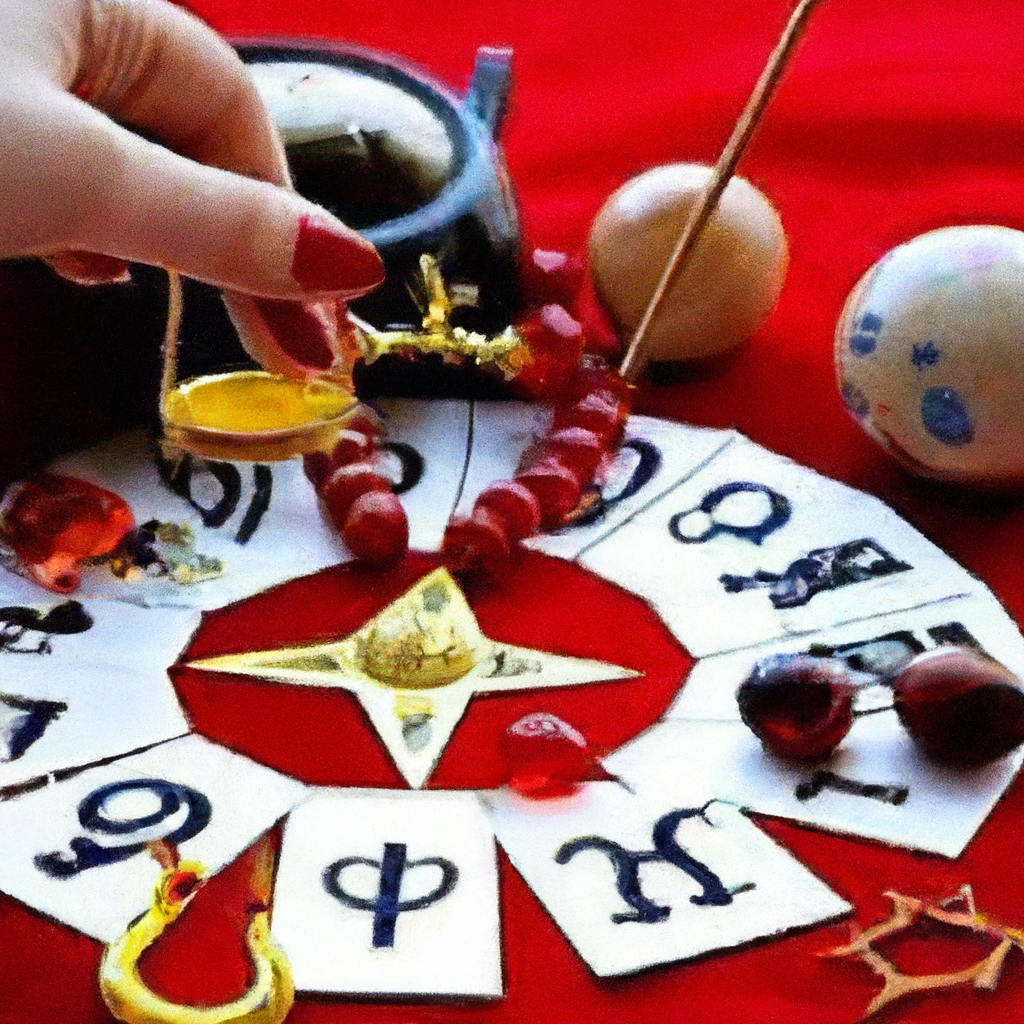
Astrology is among the most recognized and widely practiced forms of divination. It involves the study of celestial bodies and their alignment to interpret the influence they have on human personalities and events. Astrologers analyze birth charts, which map out the positions of planets at the time of a person’s birth, to provide insights into character traits, compatibility, and significant life events. While some perceive astrology as a pseudoscience, it continues to find a place in popular culture and remains a source of fascination for many.
Tarot Reading
Tarot reading utilizes a deck of 78 cards, each with its own symbolism and meaning, to gain insights into various aspects of life. Tarot readers interpret the cards’ placement and relationships to answer questions, provide guidance, and explore the possible outcomes of a situation. Many consider tarot reading as a form of spiritual counseling, offering valuable perspectives and clarity on personal matters, relationships, and career choices. It has gained immense popularity in recent years, with tarot decks available in bookstores and online platforms.
Palmistry
Palmistry, also known as chiromancy, involves the reading of lines, shapes, and symbols on an individual’s palm to reveal information about their personality, health, and future. Practiced across cultures, palmistry follows the belief that the lines on the palm can provide insight into one’s destiny and potential. By examining the length, shape, and clarity of the lines, palmists can make predictions about money, relationships, and life events. Despite skepticism, palmistry remains a popular divination practice, with many individuals seeking palm readings out of curiosity or for guidance.
I Ching
Originating in ancient China, the I Ching, also known as the Book of Changes, is a divination system based on the interpretation of 64 hexagrams. Through a process of manipulation and casting of yarrow sticks or coins, a hexagram is formed, which represents a specific situation or condition. The I Ching offers philosophical and practical wisdom, guiding individuals in decision-making, problem-solving, and self-reflection. Its enduring popularity is a testament to its profound influence on various aspects of Chinese culture, including philosophy, literature, and art.
Runes
Runes are an ancient Scandinavian divination system that utilizes a set of symbols carved onto stones or wooden pieces. Each rune represents a phoneme and has symbolic meanings associated with it. By drawing or casting the runes and interpreting their positions and relationships, practitioners gain insight into the past, present, and future. Originally used by the Norse for communication and inscriptions, runes eventually became a powerful tool for divination and self-discovery. Today, runes are employed by modern practitioners seeking guidance and connection with ancestral wisdom.
Western Perspectives
Greek and Roman Divination Practices
Ancient Greek and Roman societies placed great importance on divination, incorporating it into various aspects of their lives. The Greeks sought counsel from oracles, who were believed to commune with deities and provide guidance. The Oracle of Delphi was particularly renowned, and her prophecies influenced major decisions. Romans, on the other hand, practiced augury, which involved observing the flight patterns of birds to predict the outcome of events. Divination was seen as essential for ensuring favorable outcomes in military campaigns, governance, and personal affairs.
Christian Views on Divination
In the context of Christianity, divination has often been viewed with skepticism and caution. The belief in a single all-knowing God and the concept of divine providence led many Christian theologians to discourage the practice of divination. The Old Testament, in particular, contains passages that condemn divination and fortune-telling. However, throughout history, some Christian sects and individuals have embraced divination methods such as scrying or biblical numerology as a means of seeking divine guidance or understanding mystical teachings.
European Folklore and Divination
In addition to institutionalized religious views, European folklore has contributed to the diverse perspectives on divination. Practices such as reading tea leaves, interpreting dreams, or using mirror gazing have been passed down through generations, often intertwined with superstitions and cultural beliefs. These forms of divination have found a place in regional traditions, with individuals seeking insight into their love lives, health, and future endeavors. Despite the rise of modernity, folkloric divination practices continue to thrive, preserving cultural heritage and offering comfort in uncertain times.
Eastern Perspectives
Chinese Divination Systems
China has a rich history of divination systems, deeply rooted in its ancient philosophies and religious traditions. The aforementioned I Ching is a prominent example, but other methods such as fortune-telling with the aid of the Four Pillars of Destiny or face reading are also widely practiced. Chinese divination often emphasizes the interconnectedness of humans and nature, recognizing the role of cosmic forces in shaping individual destinies. The Chinese have traditionally turned to divination for making important life decisions, selecting auspicious dates, and seeking guidance from ancestors and deities.
Indian Divination Practices
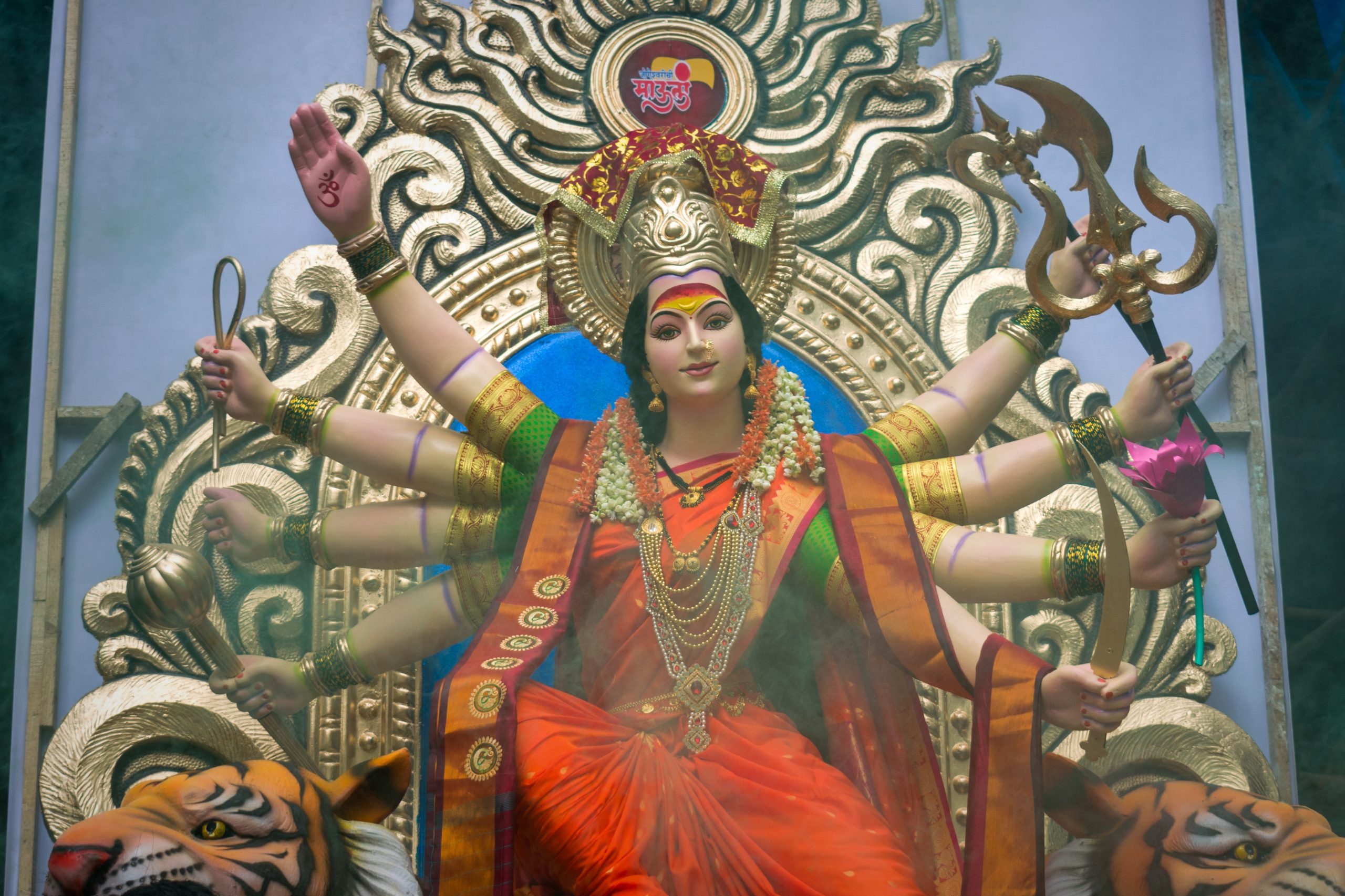
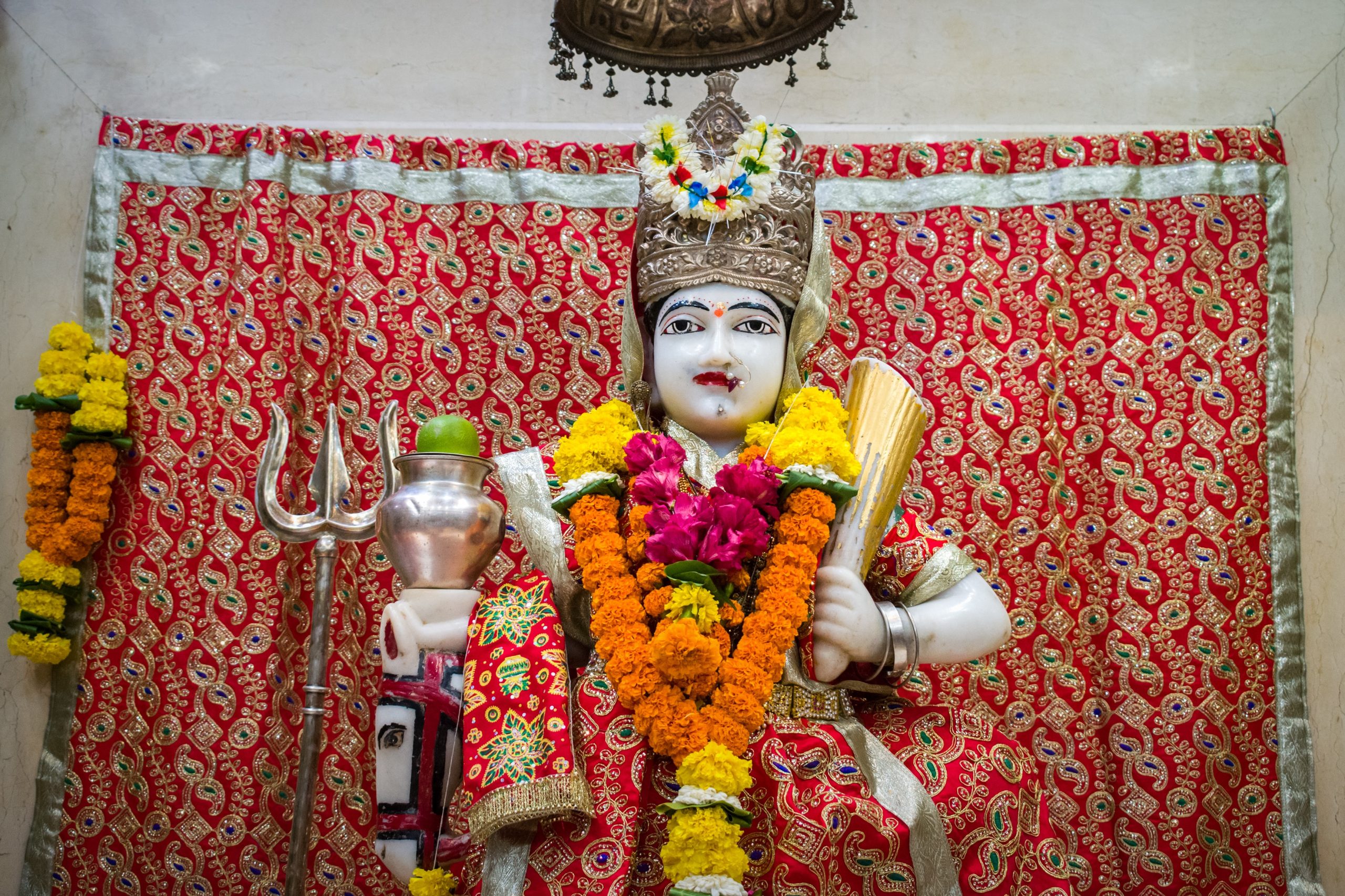
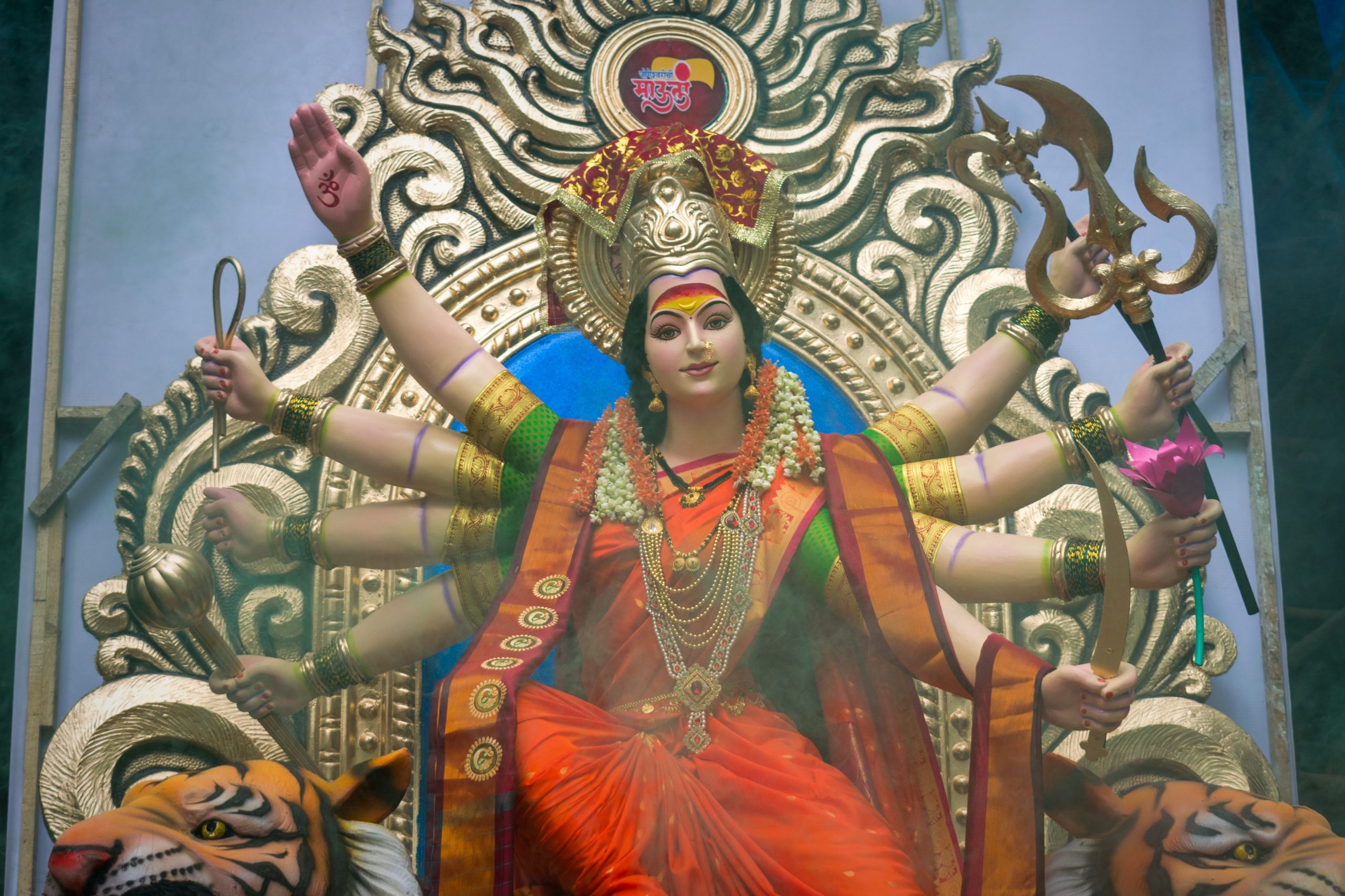
India boasts a diverse range of divination practices, reflecting its unique blend of religions and spiritual traditions. In Hinduism, astrology plays a vital role, with birth charts and planetary alignments guiding important life events, such as marriages and business ventures. Jyotish, the Hindu system of astrology, offers detailed interpretations and predictions based on complex calculations. Other Indian divination methods include palmistry, numerology, and the consultation of sacred texts. Divination is deeply ingrained in Indian society, providing individuals with insights into their karma, dharma, and spiritual paths.
Japanese Divination Traditions
In Japan, divination has been influential in shaping cultural practices and decision-making processes. One popular method is omikuji, where individuals draw small strips of paper from a box at Shinto shrines. These paper strips contain written predictions or auspicious messages that offer guidance or advice for the future. Divination is also present in Japanese folklore, with practices such as kumayaki (bear oracle) and ushi no koku mairi (cow-feeding divination) being observed on specific occasions. Japan’s rich divination traditions highlight the enduring belief in the supernatural and the quest for spiritual insights.
This image is property of images.unsplash.com.
African Perspectives
Divination in Traditional African Societies
Across Africa, divination holds a central place in traditional societies and their religious practices. In these cultures, diviners are considered intermediaries between the human and spirit realms, communicating with ancestors and deities to seek guidance and predict future events. Divination methods vary widely across regions, with practices such as throwing bones, casting shells, or scrying into a basin of water being common. Divination is deeply ingrained in social systems, addressing issues ranging from health and agriculture to conflicts and spiritual matters.
Yoruba Divination
Yoruba divination, originating from present-day Nigeria, is among the most well-known divination systems practiced in Africa. Ifa, the sacred oracle of the Yoruba, is consulted for guidance on all facets of life, including personal endeavors, relationships, and community matters. During divination ceremonies, a diviner, known as a Babalawo, interprets the messages conveyed through the positioning of palm nuts or cowrie shells. Ifa divination is not only a means of predicting events but also a source of moral teachings, promoting ethical conduct and communal harmony.
Sanusi Divination
Sanusi divination, practiced by the Zande people of Central Africa, showcases the multifaceted nature of divination in the region. It revolves around the belief in witchcraft and objectifies the notion of causation. Sanusi diviners use poisoned arrows and a wooden board called a gbaza to determine guilt or innocence in cases of suspected witchcraft. By observing the behavior of the arrows and interpreting their movements on the board, the diviner aims to reveal the truth and maintain social order. Sanusi divination highlights the intricate relationship between divination, spirituality, and cultural beliefs in different African societies.
Indigenous Perspectives
Native American Divination Practices
Indigenous cultures across North and South America have diverse divination practices that reflect their spiritual beliefs and cultural heritage. Native American tribes, such as the Hopi, Navajo, and Lakota, employ various forms of divination, ranging from dream interpretation and animal omens to the consultation of sacred objects like peyote. Divination serves as a means of communing with nature, spirits, and ancestors, providing guidance in matters of individual or communal importance. These practices continue to be an integral part of indigenous identity and are passed down through generations.
Australian Aboriginal Divination
The Australian Aboriginal people, with their rich spiritual traditions, possess unique forms of divination rooted in their deep connection with the land and its spirits. Dreamtime stories and ancestral teachings provide the foundation for divinatory practices like dowsing for water, tracking animal behavior, or reading the flight patterns of birds. These practices allow individuals to gain insights into their path, navigate their environment, and establish a harmonious relationship with nature. Aboriginal divination showcases the intimate ecological knowledge and spiritual wisdom held by these indigenous communities.
Maori Divination
The Maori people of New Zealand have a distinct divination system known as Tohunga, practiced by highly respected spiritual leaders. Tohunga employs various methods, such as interpreting natural signs, casting objects, and studying the flight patterns of birds, to gain insight and guidance. Through these divinatory processes, the Tohunga assist individuals and communities in decision-making, healing, and understanding the spiritual significance of events. Maori divination exemplifies the communion between humans and the spiritual realms, embodying the preservation of ancestral wisdom within indigenous cultures.
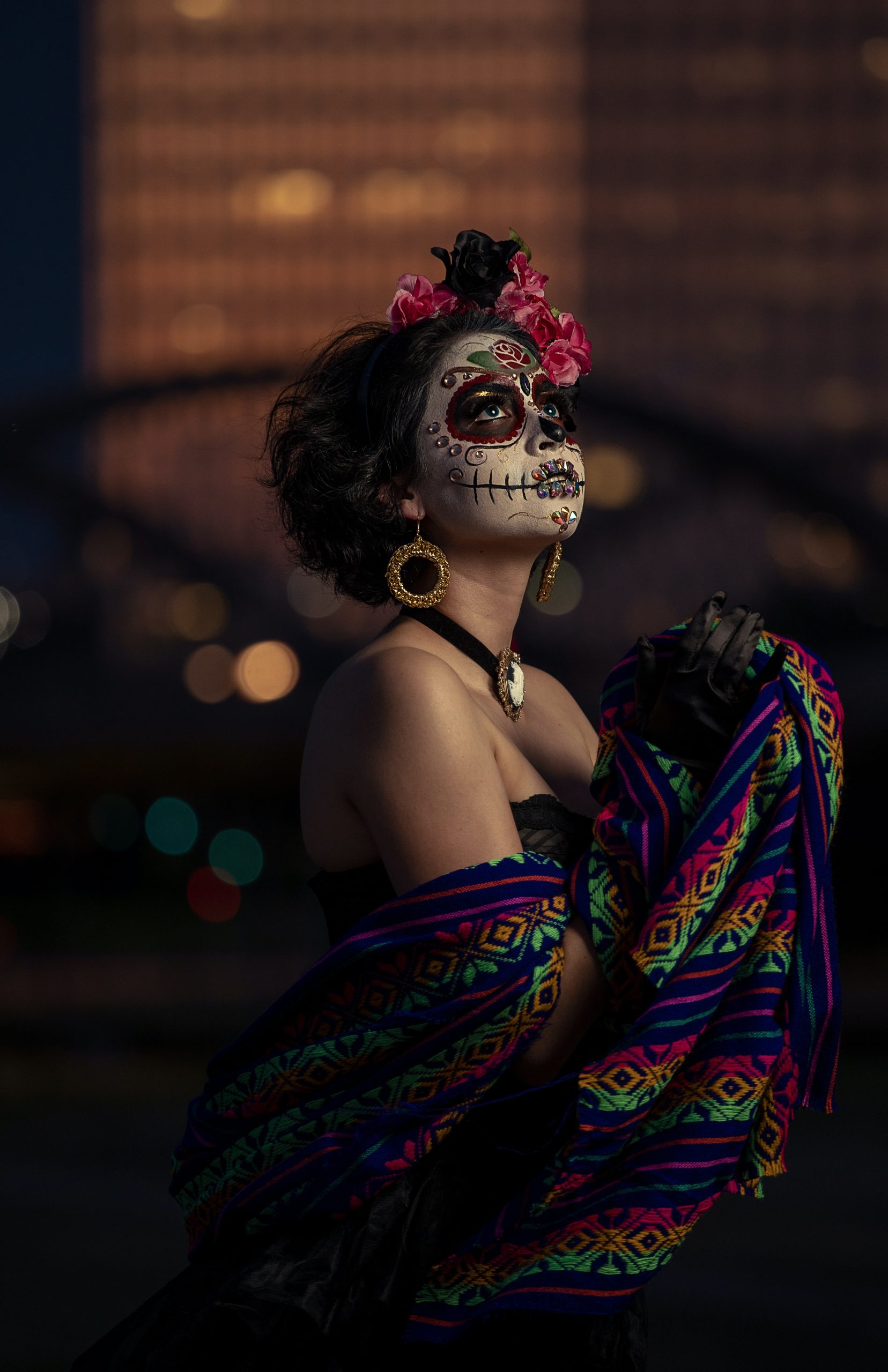
This image is property of images.unsplash.com.
Divination in Religions
Divination in Buddhism
Divination practices play a unique role in Buddhism, with various forms found across different Buddhist traditions. In Tibetan Buddhism, for example, divination is often employed for seeking guidance on spiritual paths or determining appropriate rituals. Tibetan Buddhist monks use deity dice, prayer beads, or other symbolic objects to interpret signs and messages during divination rituals. Rather than focusing solely on predictions, divination in Buddhism aims to reveal the karmic consequences of actions, guiding practitioners towards ethical conduct and spiritual growth.
Divination in Hinduism
Hinduism encompasses a wide range of divination methods, each playing a distinct role within the religion. From astrology (jyotish) to palmistry (hasta samudrika shastra) and face reading (physiognomy), Hindu divination practices are deeply interwoven with religious rituals and beliefs. The Rigveda, one of the oldest Hindu scriptures, mentions methods such as fire oblations and omen interpretation. Divination in Hinduism is seen as a means of gaining insights into one’s karmic journey, seeking divine guidance, and aligning one’s actions with cosmic harmony.
Divination in African Traditional Religions
African traditional religions, encompassing a vast array of beliefs and practices, place significant emphasis on divination as a fundamental aspect of connecting with the divine. Divination rituals are conducted by specialized practitioners, such as sangomas in Southern Africa or babalawos in West Africa, who channel the wisdom of ancestors and nature spirits. These rituals involve the use of sacred objects, such as divining bones or cowrie shells, to unveil hidden truths, provide guidance, and solve problems. In African traditional religions, divination serves as a means of maintaining cosmic balance and communal harmony.
Modern Interpretations
Psychological Perspectives on Divination
Psychological approaches to divination propose that the practice holds value beyond supernatural beliefs, suggesting that divination can have therapeutic and introspective benefits. Jungian psychology, for instance, suggests that divination methods tap into the collective unconscious, allowing individuals to access archetypal symbols and gain insight into their subconscious desires and fears. Divination can be seen as a tool for self-reflection, inviting individuals to explore their thoughts, emotions, and aspirations from new perspectives, ultimately promoting personal growth and self-awareness.
New Age and Divination
In the context of the New Age movement, divination methods have gained popularity as tools for personal development, spiritual exploration, and the pursuit of alternative forms of spirituality. Divination is often viewed as a means of connecting with higher consciousness, spiritual guides, or intuition. New Age practitioners may use a combination of divination methods, such as tarot cards, crystals, or pendulums, to provide guidance, uncover hidden patterns, or support personal decision-making. Divination in the New Age movement carries an emphasis on individual empowerment and inner transformation.
Divination in Popular Culture
Divination has also permeated popular culture, becoming a recurring theme in books, movies, and television shows. Iconic characters such as Cassandra from Greek mythology or Professor Trelawney from the Harry Potter series showcase the portrayal of individuals with the ability to foretell the future. Divination often serves as a plot device, adding intrigue and mystery to narratives. Popular culture’s fascination with divination reflects its enduring appeal to human curiosity and the desire for answers to the unknown.
Gender and Divination
Role of Gender in Divination Practices
Throughout history, divination practices have been influenced by gender roles and expectations within different societies. In some cultures, certain forms of divination have been predominantly practiced by men, while others were associated with women. The gendered aspect of divination reflects societal norms and the division of labor, with men often occupying positions of religious or spiritual authority. In recent times, there has been a shift towards greater gender inclusivity in divination, with individuals of all genders embracing these practices and finding their own unique approaches.
Female Diviners and Male Diviners
In many cultures, female diviners or seers have played significant roles in the practice of divination. Ancient priestesses in Greece, such as the Pythia of Delphi, served as intermediaries between deities and humans, providing prophetic guidance. Female shamans and oracles were also prominent in indigenous cultures, mediating between the spiritual and material realms. On the other hand, male diviners, such as Yoruba Babalawos or Tibetan Buddhist monks, have held esteemed positions as keepers of sacred knowledge and spiritual advisors. Both female and male diviners contribute to the diverse perspectives and practices within the field of divination.
Conclusion
Common Themes in Diverse Cultural Perspectives
Despite the variations in methods and interpretations, a few common themes emerge when exploring diverse cultural perspectives on divination. First and foremost, divination is a reflection of the human quest for understanding the unknown and gaining guidance in the face of uncertainties. Whether seeking answers from deities, ancestors, or one’s intuition, the belief in a higher power and the presence of hidden knowledge is ingrained in human nature. Additionally, divination often serves as a tool for decision-making, problem-solving, and gaining insight into personal or collective destinies. It bridges the gap between the material and spiritual realms, offering glimpses into what lies beyond ordinary perception.
Continued Relevance of Divination in Modern Society
Divination, despite its ancient origins, continues to hold relevance in modern society. In an increasingly complex and uncertain world, individuals seek guidance, reassurance, and personal empowerment. Divination, whether practiced as a sacred tradition, a form of entertainment, or a means of self-reflection, has the potential to fulfill these needs by providing insights, comfort, and a sense of direction. As long as human beings face the mysteries and uncertainties of life, divination will persist in its various forms, shaping cultural perspectives and influencing individual journeys.