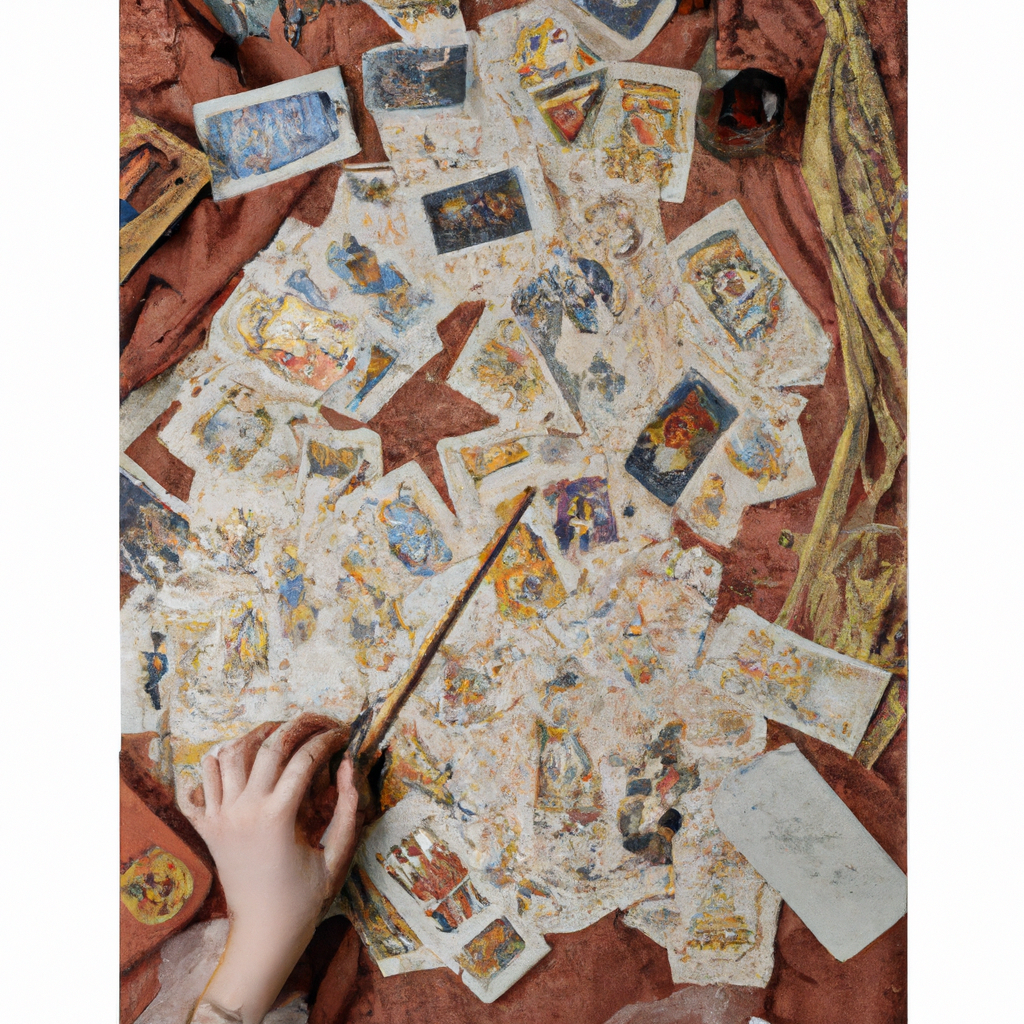
Are you fascinated by the ancient art of divination? Curious to explore its mysterious core principles? Look no further! In this captivating article, we will take you on a journey into the world of divination, unraveling its fundamental principles and shedding light on its intriguing practices. From tarot cards to palmistry, astrology to tea leaf reading, get ready to discover the timeless wisdom and enchanting traditions that lie at the heart of this captivating art form. So, grab a cup of tea, sit back, and prepare to delve into the magical realm of divination.
This image is property of images.unsplash.com.
Understanding Divination
Definition of Divination
Divination is the practice of seeking knowledge or insight into the future or the unknown through supernatural or spiritual means. It involves the interpretation of signs, symbols, or patterns to gain a deeper understanding of the present or to forecast future events. Divination has been practiced in various forms for centuries, across cultures and religions, and it continues to be an important aspect of spiritual practices today.
Historical Background
The roots of divination can be traced back to ancient civilizations, where it played a crucial role in decision-making and understanding the world. From the oracle at Delphi in ancient Greece to the Yijing (I Ching) in ancient China, divination was seen as a way to communicate with the divine and receive guidance. Throughout history, divination has been used to predict weather patterns, make strategic decisions in wars, and offer insights into personal matters. It has evolved over time, adapting to cultural changes and incorporating new tools and techniques, while still addressing the human desire to uncover the mysteries of the universe.
Importance of Divination in Different Cultures
Divination holds immense importance in various cultures around the world. In some indigenous cultures, divination is an essential part of the spiritual and social fabric, guiding decisions related to hunting, agriculture, and community matters. In African diaspora religions such as Vodou and Santería, divination serves as a means to connect with ancestors and seek their wisdom. Similarly, in Asian cultures, divination practices like astrology, numerology, and the I Ching are deeply ingrained in traditional belief systems and are seen as invaluable tools for understanding the interconnectedness of the universe. The diversity and significance of divination practices across cultures highlight its universal appeal and its ability to provide individuals with a sense of guidance and purpose.
Types of Divination
Astrology
Astrology is the study of celestial bodies and their influence on human affairs. It is based on the belief that the positions of the planets and stars at the time of a person’s birth can provide insights into their personality traits, relationships, and future events. Astrologers create birth charts or horoscopes, which map out the positions of celestial bodies at the moment of birth, and then interpret this information to provide guidance and predictions.
Tarot Reading
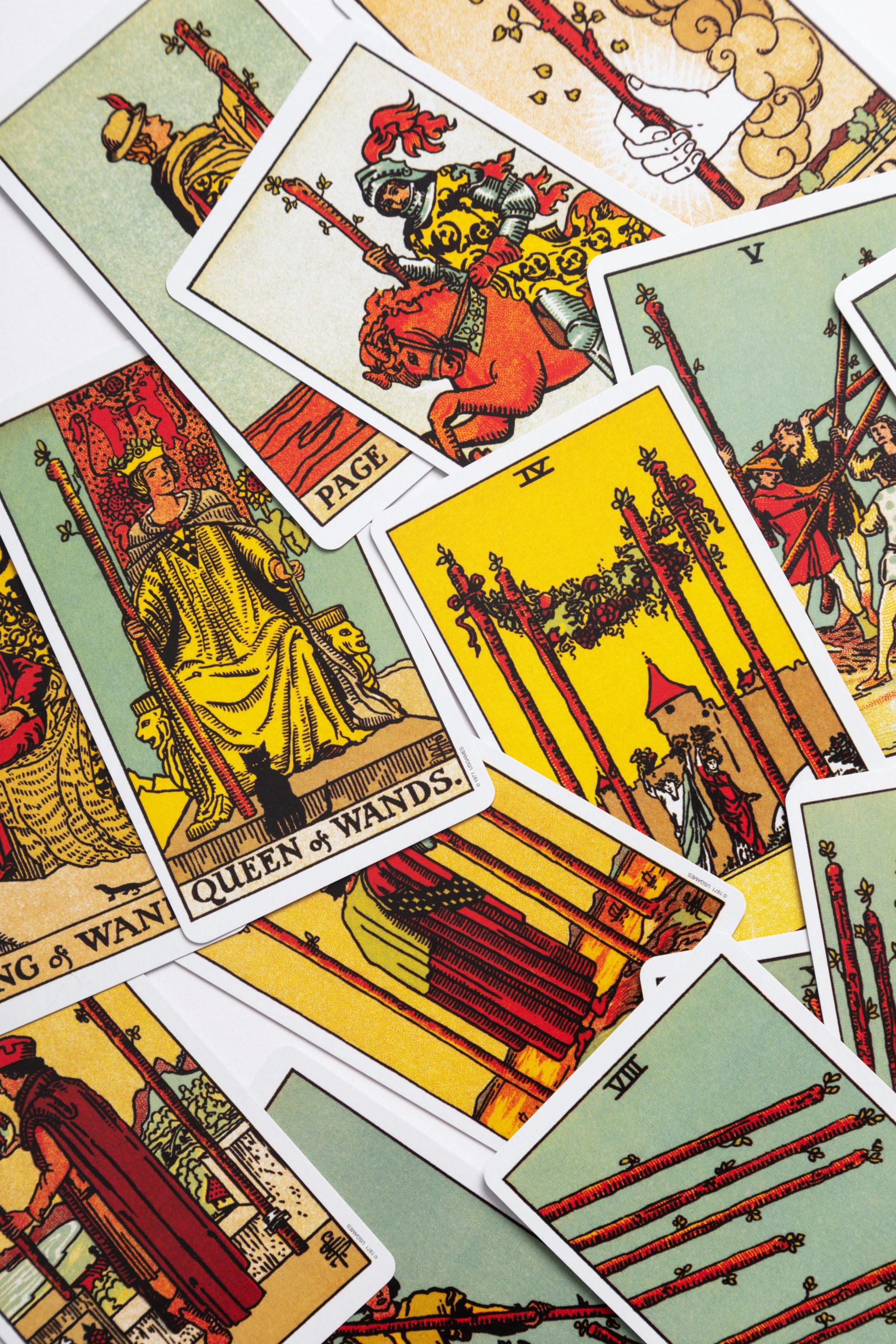
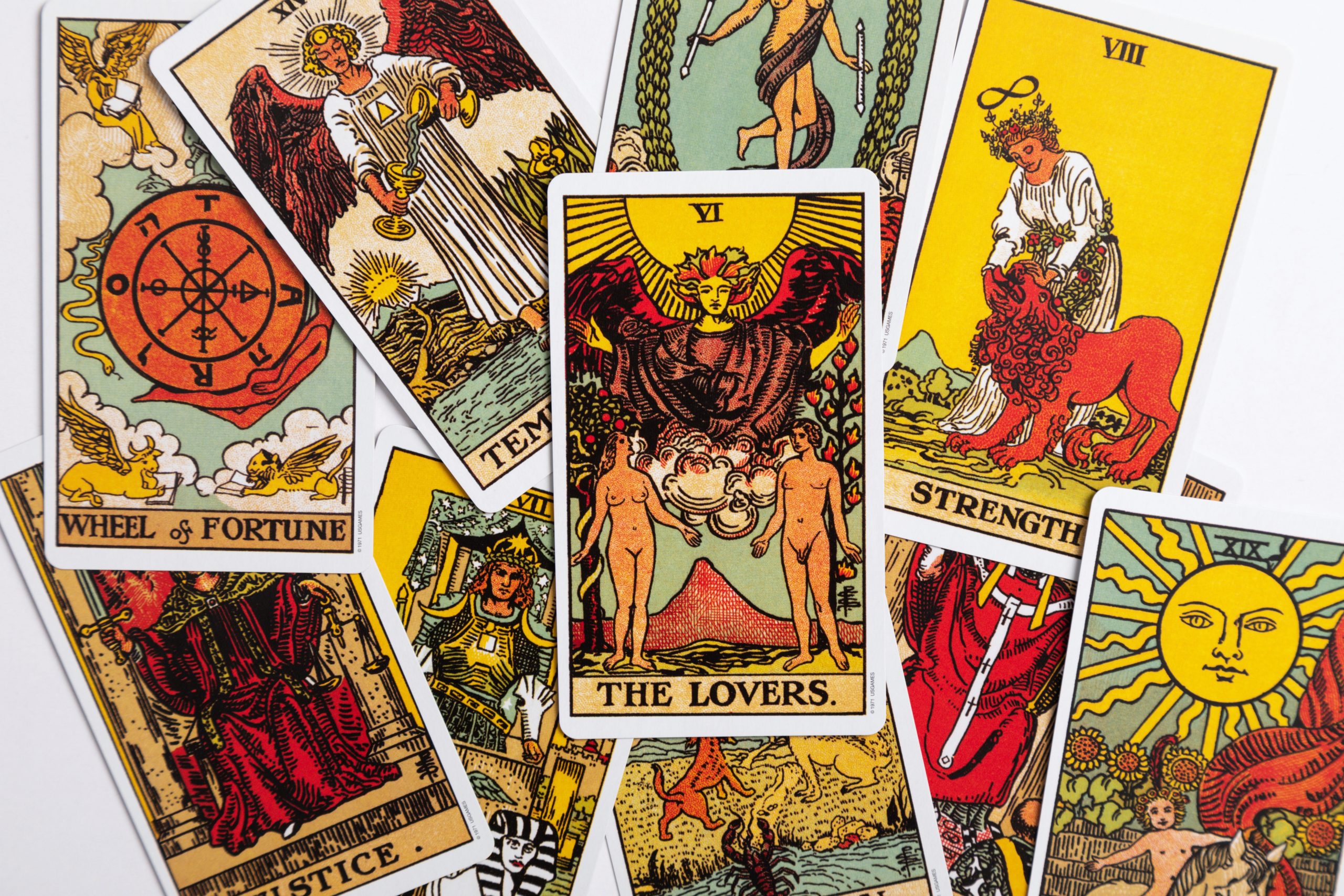
Tarot reading involves the use of a deck of 78 cards, each representing different archetypal symbols, characters, and situations. The reader shuffles the deck while focusing on a specific question or issue, and then lays out the cards in a predetermined spread. The placement and interactions of the cards are interpreted to provide guidance, personal reflection, and a deeper understanding of the current circumstances and potential outcomes.
Palmistry
Palmistry, also known as chiromancy, is the art of interpreting the lines, shapes, and other features of the hands to gain insights into a person’s character, potential, and future events. Palmists analyze the patterns and contours of the palm, fingers, and nails, as well as the mounts and lines on the hand, to reveal information about relationships, health, career, and other aspects of life.
Numerology
Numerology is the belief in the mystical significance of numbers and their influence on human life. It assigns specific meanings to numbers based on their vibrational qualities and analyzes the relationship between numbers and personal attributes, events, and cycles. Numerologists use calculations derived from a person’s birth date, name, or other significant numbers to gain insight into their life path, personality traits, and future trends.
Runes
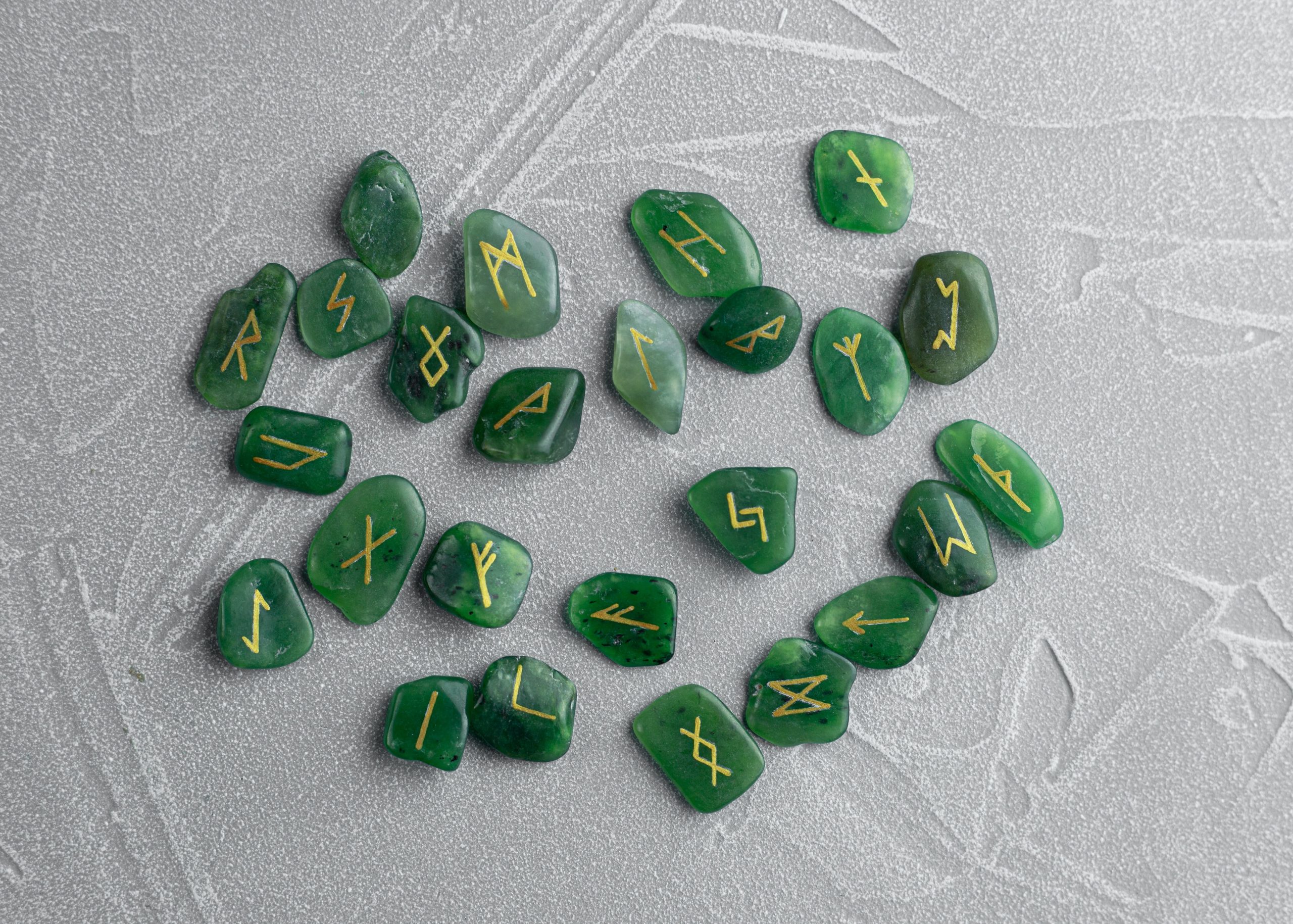
Runes are ancient symbols that originated in ancient Germanic and Scandinavian cultures. They are typically inscribed on stones or carved into wood, and each rune represents a specific concept or energy. Runes are cast or drawn from a bag or scattered onto a cloth, and their placement and interpretation can offer guidance, insight, and foresight.
I Ching
The I Ching, also known as the Book of Changes, is an ancient Chinese divination text dating back to the Zhou Dynasty. It consists of 64 hexagrams made up of six stacked lines, each line representing a specific energy or attribute. Through the casting of yarrow stalks, coins, or other methods, the I Ching is consulted to provide guidance, advice, and reflections on personal or worldly matters.
Tea Leaf Reading
Tea leaf reading, or tasseography, is a divination practice that involves interpreting patterns and symbols formed by tea leaves in a cup or saucer. After drinking the tea, the person swirls the leaves around and then turns the cup upside down to allow the leaves to settle and form unique shapes and patterns. An intuitive reader then examines these patterns and provides insights into the individual’s past, present, or future.
Crystal Ball Gazing
Crystal ball gazing, also known as scrying, involves gazing into a crystal ball or a smooth reflective surface to access information from the unconscious or spiritual realms. The crystal acts as a focal point to quiet the mind and open oneself to receiving messages, images, or symbols from the spiritual realm. Through interpretation and intuition, the crystal ball reader can decipher these messages and provide guidance or predictions.
Ouija Boards
Ouija boards, also known as spirit boards, are a divination tool that allows individuals to communicate with the spiritual realm. The board consists of letters, numbers, and other symbols, along with a pointer or planchette. Participants place their hands on the planchette and ask questions, with the planchette moving across the board to spell out answers or messages from the spirits. Ouija board sessions require caution and respect, as they involve contacting energies beyond the physical realm.
The Role of Intuition
Developing Intuition
Intuition is an innate human capacity that can be developed and honed over time. To cultivate intuition, it is important to cultivate self-awareness, practice mindfulness, and engage in activities that enhance connection with the inner self. Meditation, journaling, and spending time in nature are effective ways to awaken and nurture intuition. By quieting the mind and seeking inner stillness, individuals can tap into their intuitive abilities and access deeper insights.
Listening to Inner Voice
The inner voice, also known as the gut feeling or intuition, is a valuable source of guidance and wisdom. It often manifests as a subtle feeling or a quiet knowing that may go against logical or rational thinking. By paying attention to these intuitive signals, individuals can make informed decisions and navigate life with greater clarity. Trusting and following the inner voice allows individuals to align with their authentic selves and make choices that resonate with their deepest desires and values.
Trusting Gut Feelings
Trusting gut feelings is a crucial aspect of intuitive decision-making. Intuition operates on a different level than conscious reasoning and can provide insights that may not be immediately evident. While it is important to consider relevant information and analyze logical factors, trusting gut feelings can offer a valuable perspective that goes beyond rational thought. Building trust in one’s intuition requires practice, self-reflection, and openness to embracing the unknown.
Interpreting Signs and Symbols
Recognizing Patterns
Interpreting signs and symbols often involves recognizing patterns in various aspects of life. From everyday occurrences to dreams and synchronicities, patterns can serve as messages or guidance from the spiritual realm. By paying attention to recurring themes, symbols, or events, individuals can gain insights into their lives and uncover hidden meanings. Keeping a journal or record of these patterns can help in identifying connections and understanding their significance.
Understanding Symbolism
Symbols are powerful tools that transcend language and culture. They carry deep meanings and archetypal energies that can evoke emotions, trigger memories, and provide profound insights. Understanding symbolism requires an open mind, curiosity, and a willingness to delve into the layers of meaning associated with different symbols. Symbolism is subjective and can vary based on personal experiences and cultural backgrounds, so staying attuned to one’s intuition is key to unlocking the messages conveyed.
Contextual Interpretation
Interpreting signs and symbols requires considering the context in which they appear. Symbols can have different meanings based on the specific circumstances or the individual interpreting them. Contextual interpretation involves taking into account the personal and relational dynamics, as well as the broader societal or cultural influences that may shape the significance of the signs or symbols. By exploring the context, individuals can gain a more comprehensive understanding of the messages conveyed and apply them to their specific situations.
This image is property of images.unsplash.com.
Connection to Spirituality
Belief in Higher Power
Divination often involves a belief in a higher power or a greater cosmic order. It acknowledges the existence of forces beyond the physical realm and recognizes that there is a guiding intelligence or divine presence in the universe. Believing in a higher power provides individuals with a sense of connection, purpose, and support, and allows them to approach divination with reverence and trust in the process.
Seeking Guidance from Higher Realms
Divination is a means of seeking guidance, wisdom, and insights from higher realms. Whether it’s communicating with spirit guides, ancestors, or deities, divination serves as a conduit for accessing information or perspectives beyond the limitations of the human realm. By establishing a connection with higher realms, individuals can tap into the collective wisdom and receive guidance that can assist them on their spiritual journeys.
Connecting with Deities or Spirit Guides
Many divination practices involve establishing a connection with deities or spirit guides. These spiritual beings are believed to possess knowledge, wisdom, and guidance that can be accessed through divination. Through rituals, offerings, or prayers, individuals can invite the presence and assistance of these entities during divination sessions. Connecting with deities or spirit guides can deepen the spiritual experience, enhance the accuracy of readings, and foster a sense of support and guidance in one’s life journey.
Ethics and Responsibility
Maintaining Client Confidentiality
In the practice of divination, maintaining client confidentiality is of utmost importance. Clients may disclose personal and sensitive information during readings, and it is essential to respect their privacy and ensure that this information remains strictly confidential. Respecting client confidentiality not only builds trust but also creates a safe space for individuals to explore their concerns and receive guidance without fearing judgment or disclosure of personal details.
Giving Honest and Empowering Readings
Ethical divination practitioners prioritize honesty and integrity in their readings. It is essential to provide accurate and unbiased information to clients, even if it may not align with their expectations or desires. Honest readings allow individuals to make informed decisions, gain clarity, and take appropriate actions in their lives. Additionally, ethical practitioners focus on empowering their clients, offering guidance that supports personal growth, well-being, and self-empowerment rather than fostering dependency or reliance on external sources.
Avoiding Manipulation or Exploitation
Divination practitioners must exercise ethical responsibility by avoiding manipulation or exploitation of their clients. This includes refraining from exploiting vulnerable individuals or creating dependency on their services. Ethical practitioners strive to create a balanced and respectful relationship with their clients, maintaining boundaries, and providing guidance that is in the best interest of the client’s spiritual and personal development.
This image is property of images.unsplash.com.
Tools and Techniques
Choosing and Cleansing Divination Tools
Selecting the right divination tools is important for practitioners. Whether it’s a tarot deck, runes, or a crystal ball, the tools should resonate with the individual’s energy and intuitive connection. Cleansing the tools regularly is also necessary to remove any residual energy and ensure their effectiveness. Cleansing methods can include smudging with sage, using sound vibrations, or leaving the tools in natural light or moonlight.
Methods for Conducting Readings
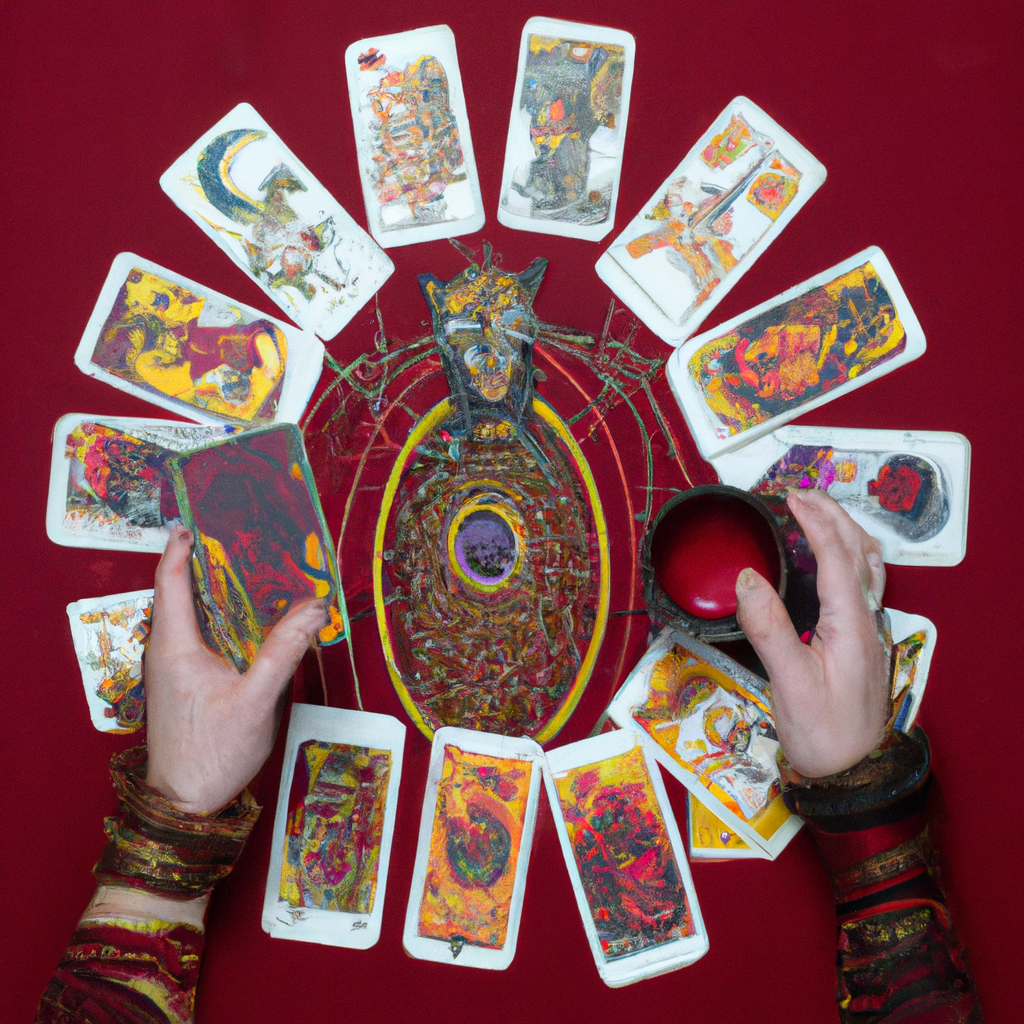
There are various methods and spreads for conducting divination readings. Practitioners may use specific layouts for tarot cards, arrange runes in particular patterns, or consult specific chapters in the I Ching. Each method has its own significance and can offer different perspectives or levels of detail. Practitioners choose their preferred methods based on personal intuition, experience, and the needs of their clients.
Creating Sacred Space
Creating a sacred space is essential to facilitate a focused and energetically supportive environment for divination. This can involve ritual practices, such as lighting candles, burning incense, or playing soft music, to create a serene atmosphere. Clearing the space of any clutter or negative energy is also crucial for an optimal divination experience. By intentionally setting up a sacred space, practitioners create a conducive environment for connection, intuition, and spiritual guidance.
Grounding and Centering
Grounding and centering techniques are important for practitioners to maintain a balanced and focused state during divination. Grounding involves connecting to the earth’s energy and anchoring oneself in the present moment, while centering involves aligning with one’s inner self and accessing a state of inner calm. Practices such as deep breathing, visualization, or physical exercises can help practitioners establish a strong foundation from which to conduct divination sessions.
Understanding Energy
Interpreting Energy Vibrations
Divination practitioners work with the subtle energies present in the universe and within individuals. They can interpret the energy vibrations that emanate from people, objects, or situations to gain insights into their nature and potential outcomes. By attuning to these vibrations, practitioners can perceive energetic imbalances, strengths, or patterns, providing valuable information to clients and guiding them towards harmonious and aligned choices.
Sensing Auras and Chakras
Auras and chakras are energetic fields and centers within the human body that reflect an individual’s physical, emotional, and spiritual states. Divination practitioners may possess the ability to sense and interpret the colors, shapes, or fluctuations in auras, as well as the balance or blockages in chakras. This insight allows for a deeper understanding of an individual’s energy, contributing to the overall divination experience and providing guidance on personal well-being and growth.
Channeling and Harnessing Energy
Divination practitioners may channel or harness energy from spiritual or cosmic sources during their readings. This can involve connecting with higher realms or specific entities to access guidance or information beyond their personal knowledge. Channeling and harnessing energy require openness, receptivity, and a clear intention to be of service to the highest good of the individual seeking guidance.
Protecting and Clearing Energy
Practitioners must prioritize protecting and clearing their own energy, as well as the energy of their divination tools and spaces. They may employ practices such as visualization, smudging, or using protective crystals to create energetic boundaries and ward off negative energies. Clearing energy regularly is also crucial to maintain the purity and effectiveness of divination tools and ensure accurate and insightful readings.
Cultivating Openness and Objectivity
Suspending Personal Biases
Divination practitioners strive to suspend personal biases and judgments when conducting readings. This allows for a more objective and unbiased interpretation of the signs and symbols that arise. Suspending personal biases is essential to provide clients with accurate and meaningful insights, allowing them to make decisions based on the information received rather than the practitioner’s subjective opinions.
Practicing Non-judgment
Non-judgment is a fundamental principle for divination practitioners. Regardless of the information or circumstances presented during a reading, practitioners approach their clients with compassion, empathy, and acceptance. The purpose of divination is to provide guidance and support, not to criticize or condemn. By embracing a non-judgmental attitude, practitioners create a safe space for clients to explore their concerns and experiences without fear of judgment or shame.
Remaining Objective and Neutral
Maintaining objectivity and neutrality is crucial during divination sessions. Practitioners should refrain from imposing personal beliefs, interpretations, or agendas onto the readings. Remaining neutral allows for a more authentic and unfiltered connection with the spiritual realm, enabling practitioners to transmit accurate and unbiased information to their clients. By prioritizing objectivity, practitioners assist individuals in making empowered decisions and exploring their own paths of self-discovery.
Practice and Study
Continual Learning and Improvement
Divination is an ever-evolving practice, and practitioners should strive for continual learning and improvement. Engaging in ongoing study, whether through books, workshops, or online courses, helps practitioners deepen their understanding of different divination techniques, expand their knowledge of symbols and systems, and refine their intuitive abilities. By staying curious and open to new perspectives, practitioners enhance the quality and accuracy of their readings.
Keeping a Divination Journal
Keeping a divination journal is a valuable practice for practitioners to track their experiences, insights, and observations. Recording details of readings, including the specific questions asked, the divination method used, and the interpretations provided, allows practitioners to review and reflect on their progress over time. A divination journal can also serve as a reference for future readings, providing a record of key symbols, patterns, or themes that arise for clients.
Meditation and Mindfulness
Meditation and mindfulness practices are beneficial for divination practitioners to cultivate focus, intuition, and a deeper connection to the spiritual realm. Regular meditation allows practitioners to quiet the mind, enter a state of heightened awareness, and access the subtler realms of consciousness. Mindfulness practices, such as being fully present in the moment and observing thoughts and sensations without judgment, enhance the overall divination experience and facilitate accurate readings.
Joining Divination Communities or Groups
Joining divination communities or groups provides practitioners with opportunities for learning, growth, and connection. Interacting with fellow divination enthusiasts allows practitioners to share experiences, exchange knowledge, and receive support and feedback. Community involvement may include participating in discussion forums, attending workshops or conferences, or engaging in mentorship relationships. Divination communities offer a space for practitioners to deepen their understanding of the craft, refine their skills, and expand their network.
The core principles of divination encompass an array of practices, beliefs, and techniques. Understanding the historical background, types of divination, the role of intuition, interpreting signs and symbols, connection to spirituality, ethics and responsibility, tools and techniques, energy dynamics, cultivating openness and objectivity, and the importance of continual practice and study are key factors in a comprehensive understanding of divination. As practitioners embrace these principles, they can embark on a profound journey of guidance, self-discovery, and spiritual connection.