Have you ever wondered about the way different cultures around the world approach divination practices? It’s fascinating to see how these ancient traditions have been shared, adapted, and blended across borders throughout history. In this article, we will delve into the intricate web of cross-cultural exchange of divination practices, exploring the ways in which syncretism has transformed and enriched these ancient arts. So grab a cup of tea, cozy up in your favorite reading nook, and let’s embark on a journey through the fascinating world of divination!
The Origins of Divination Practices
Divination is as ancient as human civilization itself, with roots tracing back to the earliest recorded history. Almost every culture across the world has developed its unique forms of divination, each reflecting the beliefs, values, and practices of its people.
Mesopotamia: Birthplace of Divination
In ancient Mesopotamia, divination was deeply integrated into the religious and political structures of society. Priests known as “baru” would interpret omens from the movements of celestial bodies, the behavior of animals, or the patterns in oil spilled on water. The famous Code of Hammurabi even included regulations for divination practices, indicating its importance in Mesopotamian culture.
China: The Art of I Ching
In China, the ancient practice of I Ching, or “The Book of Changes,” has been used for thousands of years for divination and guidance. The methodology involves casting yarrow stalks or coins to generate hexagrams, which are then interpreted to provide insight into the present and guidance for the future. The philosophical underpinnings of I Ching have influenced Taoism, Confucianism, and other aspects of Chinese culture.
Ancient Egypt: Divination and the Afterlife
In ancient Egypt, divination played a crucial role in religious practices and the preparation for the afterlife. Priests known as “seers” would use methods such as dream interpretation, scrying, and observing the flight of birds to communicate with the gods and receive messages from the divine realm. The famous Egyptian Book of the Dead contains spells and rituals related to divination and the journey to the afterlife.
The Spread of Divination Practices
As civilizations interacted through trade, conquest, and cultural exchange, divination practices began to spread across geographical and cultural boundaries. The syncretism of beliefs and practices led to the blending of different divinatory traditions, resulting in the rich tapestry of cross-cultural exchange we see today.
Greco-Roman Empire: Syncretism and Divination
The Greco-Roman period was a melting pot of cultures, beliefs, and practices, leading to the syncretism of divination traditions from Egypt, Mesopotamia, and beyond. Oracles such as the Oracle of Delphi gained widespread fame for their prophetic abilities, attracting people from far and wide seeking guidance from the gods.
Silk Road: Transmission of Divination Practices
The ancient Silk Road served as a vital trade route connecting the East and West, facilitating the exchange of goods, ideas, and divination practices. Chinese methods such as I Ching and Feng Shui traveled along the Silk Road, influencing the divinatory practices of Central Asia, the Middle East, and Europe.
Colonialism and Globalization: Impact on Divination
The era of European colonialism and globalization brought about the rapid dissemination of divination practices across continents. Indigenous divinatory traditions from Africa, the Americas, and Asia were suppressed or assimilated into European belief systems, leading to the erosion of native practices and the emergence of new syncretic forms of divination.
Syncretism and Adaptation of Divination Practices
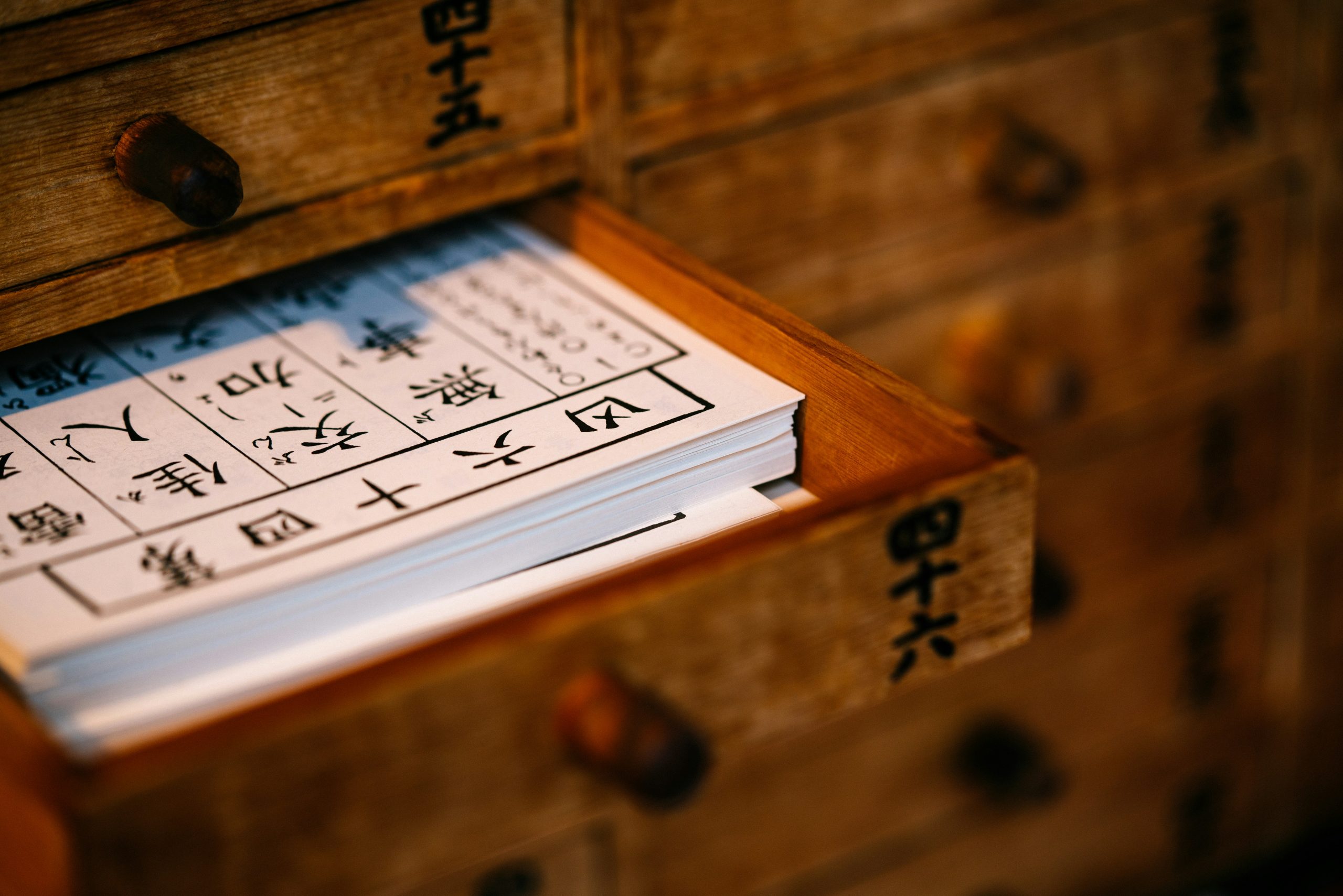
Syncretism refers to the blending of different beliefs, practices, and cultural elements to create a new, hybrid tradition. As divination practices spread and interacted with one another, they underwent transformations and adaptations, giving rise to new syncretic forms of divination that combined elements from various traditions.
Caribbean Syncretism: Santeria and Obeah
In the Caribbean region, the syncretism of African, Spanish, and Indigenous cultures gave birth to new divination practices such as Santeria and Obeah. These Afro-Caribbean religions blend elements of Catholicism, Yoruba mythology, and Indigenous beliefs, incorporating divination methods such as casting shells, reading cards, and communicating with spirits.
New Age Movement: Neo-Paganism and Divination
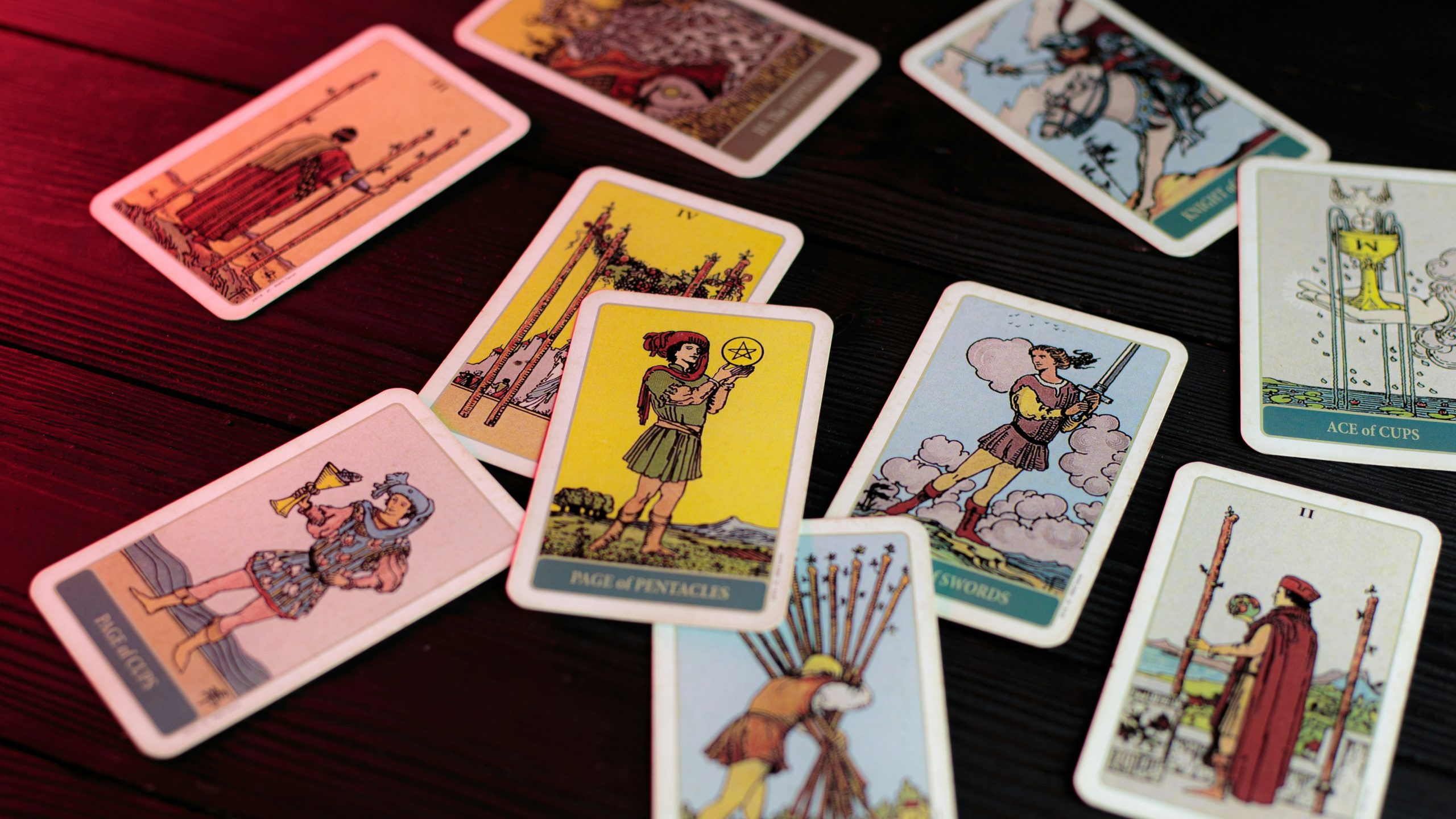
The New Age movement of the 20th century saw a resurgence of interest in divination practices, as people sought spiritual growth, self-discovery, and connection with the divine. Neo-Pagan traditions such as Wicca, Druidry, and Shamanism incorporate divination tools like tarot cards, runes, and pendulums for guidance, healing, and ritual practices.
Digital Divination: Technological Adaptation
In the age of technology, divination practices have adapted to digital platforms, making them more accessible and convenient for modern practitioners. Online tarot readings, astrology apps, and virtual oracles have become popular tools for divination, allowing users to receive insights and guidance at the click of a button.
Shared Themes in Divination Practices
Despite their cultural diversity and historical origins, divination practices across the world share common themes, symbols, and archetypes that resonate with the human experience. These universal elements reflect our collective longing for meaning, insight, and connection with the unseen realms.
Archetypes: Symbols of the Collective Unconscious
Archetypes are universal symbols and patterns of thought that underlie human myths, dreams, and divinatory images. Carl Jung, the famous Swiss psychiatrist, believed that archetypes are inherited memories of human experience, forming the basis of our collective unconscious. Divination practices often draw on archetypal imagery such as the fool, the magician, the lover, and the hero to provide guidance and insight.
Elements: Earth, Air, Fire, Water, Spirit
Many divination systems are based on elemental symbolism, associating different elements with personality traits, seasons, and phases of life. The classical elements of earth, air, fire, water, and spirit represent different aspects of the human psyche and the natural world, offering a framework for understanding the forces at play in divination readings.
Cycles: Time, Seasons, Life Phases
Divination practices often involve the interpretation of cycles, patterns, and rhythms in nature and human life. The passage of time, the changing of seasons, and the stages of a person’s life are reflected in divination methods such as astrology, numerology, and the tarot. By recognizing these cycles, practitioners can gain insight into the past, present, and future events.

Modern Applications of Divination Practices
In the contemporary world, divination practices continue to thrive and evolve, offering guidance, insight, and spiritual connection to individuals seeking meaning and direction in their lives. From traditional methods to innovative approaches, divination remains a powerful tool for self-discovery, healing, and empowerment.
Therapeutic Divination: Tarot and Jungian Psychology
Therapeutic divination combines divinatory tools such as tarot cards with psychological frameworks such as Jungian psychology to promote self-awareness and personal growth. By exploring the symbolism of tarot images and archetypes, individuals can gain deeper insights into their thoughts, emotions, and behaviors, leading to a greater sense of clarity and integration.
Business Divination: Astrology and Decision-Making
Business professionals and entrepreneurs are increasingly turning to divination practices such as astrology for guidance in decision-making, strategic planning, and risk assessment. By consulting astrological charts, business owners can gain insights into market trends, financial cycles, and optimal timing for launching new ventures, helping them make informed and strategic choices.
Divinatory Arts: Creativity and Intuition
Artists, writers, and creators often use divination practices as a source of inspiration, creative exploration, and intuitive guidance. Methods such as automatic writing, intuitive painting, and bibliomancy can unlock the unconscious mind, stimulate the imagination, and tap into the wisdom of the higher self, leading to innovative ideas, breakthroughs, and artistic expression.
Ethical Considerations in Divination Practices
While divination can be a powerful tool for personal growth, insight, and spiritual connection, it is essential to approach these practices with respect, integrity, and ethical awareness. Practitioners should be mindful of the ethical considerations involved in divination, ensuring that they uphold the highest standards of professionalism, integrity, and respect for the autonomy and well-being of their clients.
Confidentiality: Privacy and Trust
Maintaining confidentiality and trust is paramount in divination practices, as clients often share personal, sensitive, and vulnerable information during readings. Practitioners must respect the privacy and confidentiality of their clients’ readings, ensuring that sensitive information is kept confidential and not disclosed without the client’s explicit consent.
Informed Consent: Empowerment and Autonomy
Practitioners should obtain informed consent from their clients before conducting divination readings, ensuring that clients are fully informed about the purpose, process, and potential outcomes of the reading. Informed consent empowers clients to make autonomous decisions about their participation in divination practices, fostering a sense of agency, ownership, and responsibility for their spiritual growth.
Professional Boundaries: Ethics and Integrity
Maintaining professional boundaries and ethical conduct is essential for upholding the integrity and credibility of divination practices. Practitioners should adhere to ethical codes of conduct, standards of practice, and guidelines for professional behavior, ensuring that they respect the boundaries of their role and responsibilities as diviners, counselors, or spiritual guides.
Conclusion: Embracing the Diversity of Divination Practices
In conclusion, the cross-cultural exchange of divination practices has enriched and transformed these ancient arts, leading to the emergence of new syncretic forms of divination that blend elements from diverse traditions. By exploring the shared themes, symbols, and archetypes of divination practices, we can gain deeper insights into the universal quest for meaning, guidance, and connection with the divine.
Whether you’re a seasoned practitioner or a curious beginner, there is a wealth of knowledge and wisdom to be gained from exploring the world of divination. So grab your favorite divination tool, open your heart to the mysteries of the unseen realms, and embark on a journey of self-discovery, healing, and empowerment through the ancient art of divination. The possibilities are endless, the wisdom is infinite, and the journey is yours to explore. Happy divining!