Have you ever wondered about the fascinating world of divination? From ancient times to the present day, people across different cultures have sought guidance and insight through various forms of divination practices. In this article, we will take a journey to explore the diverse ways in which different cultures approach divination. Whether it’s tarot cards, tea leaf reading, or astrology, each culture has its unique methods and beliefs surrounding these mystical practices. Get ready to embark on an enchanting exploration of the diversity of divination practices in different cultures!
This image is property of images.unsplash.com.
Types of Divination Practices
Astrology
Astrology is a divination practice that involves analyzing the positions and movements of celestial bodies to gain insight into various aspects of life. It is based on the belief that the positions of the stars, planets, and other celestial objects at the time of a person’s birth can influence their personality traits and future events. Astrologers use birth charts and horoscopes to provide guidance and predictions.
Tarot Reading
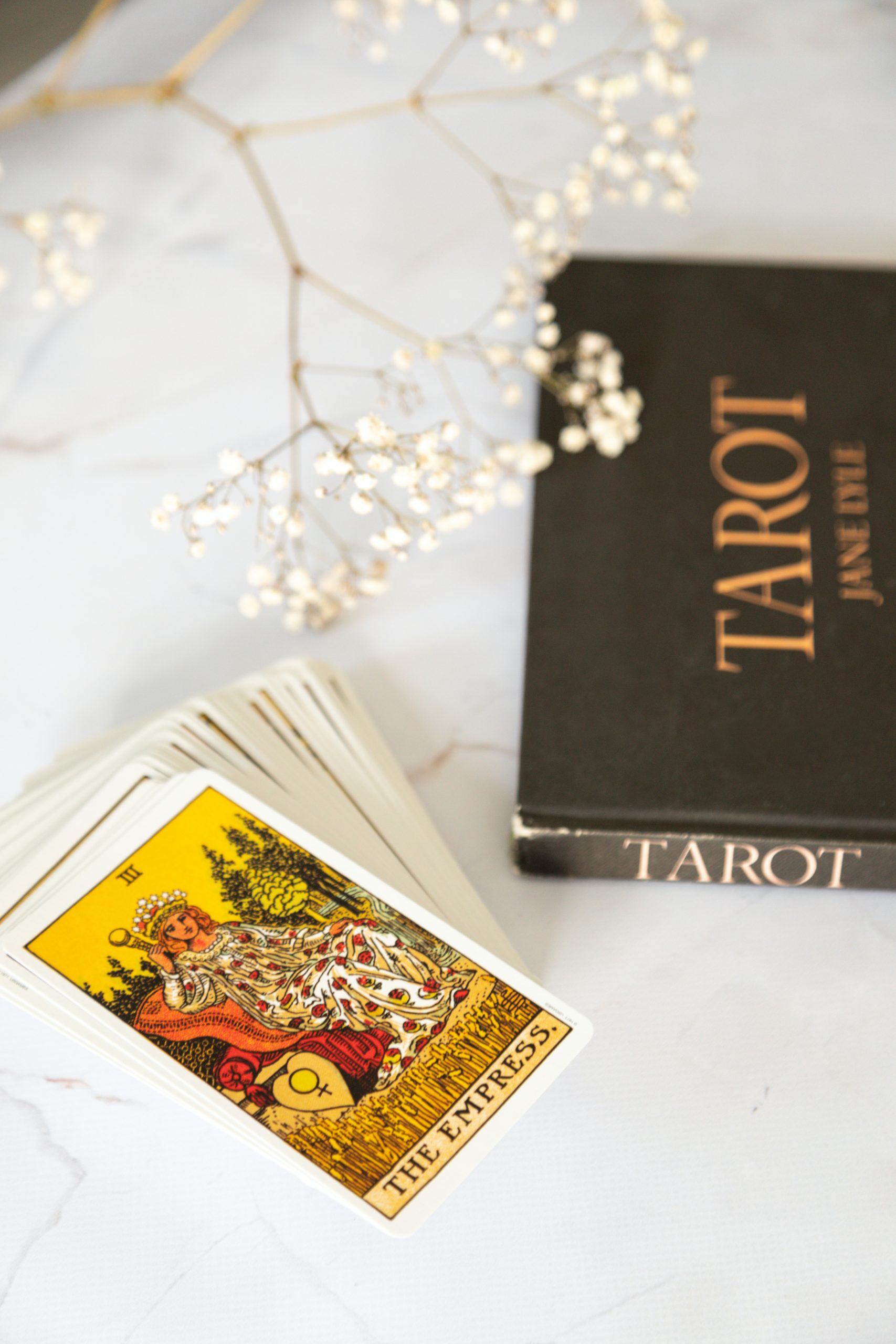
Tarot reading is a popular divination practice that involves using a deck of cards called tarot cards. Each card has symbolic imagery and meanings, and the reader interprets these cards to provide insights and guidance to the seeker. Tarot readings can help with decision-making, understanding relationships, and gaining clarity on life situations.
Palm Reading
Palmistry, or palm reading, is a divination practice that involves interpreting the lines, shapes, and other features of a person’s hand to gain insight into their character traits, personality, and potential future events. Each hand and its markings are believed to reveal different aspects of a person’s life, such as their health, career, and relationships.
Numerology
Numerology is a divination practice that assigns symbolic meanings and influences to numbers. Practitioners believe that each number carries a specific energy or vibration that can provide insights into a person’s life path, personality traits, and future events. Numerologists analyze dates of birth, names, and other numerical patterns to provide guidance and predictions.
I Ching
The I Ching, also known as the Book of Changes, is an ancient Chinese divination system that dates back thousands of years. It uses a set of 64 hexagrams, each consisting of six stacked lines, to provide guidance and answers to questions. Practitioners consult the I Ching by tossing coins or using yarrow stalks to generate a hexagram, which is then interpreted to provide insights and advice.
Runes
Runes are ancient Norse symbols that have been used for divination for centuries. The runic alphabet consists of 24 symbols, each with its own name and meaning. Runes are often carved into stones or wooden tiles and drawn from a bag or scattered onto a cloth. The symbols that are selected or drawn are then interpreted to provide guidance and answers to questions.
Tea Leaf Reading
Tea leaf reading, also known as tasseography, is a divination practice that involves interpreting patterns and symbols formed by tea leaves at the bottom of a cup. The reader observes the shapes and symbols left by the settled tea leaves and uses their intuition and knowledge of symbolism to provide insights and predictions about the seeker’s life.
Ouija Boards
Ouija boards are divination tools that are used to communicate with spirits or entities from the spirit realm. They consist of a board with letters, numbers, and other symbols, and a movable indicator called a planchette. Participants place their hands on the planchette and ask questions, and the spirit is believed to guide the movement of the planchette to spell out answers or messages.
Bibliomancy
Bibliomancy is a divination practice that involves seeking guidance or answers by randomly selecting and opening a book, often a sacred or religious text, and interpreting the passage that catches one’s attention. The chosen passage is believed to provide insights or solutions to the seeker’s questions or concerns.
Scrying
Scrying is a divination practice that involves gazing into a reflective surface, such as a crystal ball, mirror, or water, to gain insight and receive messages from the spiritual realm. The scryer focuses their attention on the surface and allows their mind to enter a relaxed and receptive state. Symbols, images, or visions may then appear, which are interpreted to provide guidance and understanding.
Divination in Ancient Cultures
Divination practices have been deeply woven into the fabric of various ancient cultures, serving as a means for seeking guidance, understanding the supernatural, and predicting future events. Let’s explore some of these ancient cultures and their unique approaches to divination.
Egyptian Divination
Ancient Egyptians had a rich tradition of divination practices, reflecting their profound spiritual beliefs. One prominent method was dream interpretation, where priests analyzed dreams to understand their symbolic meanings and provide guidance. Egyptians also relied on rituals involving offerings and sacrifices to communicate with their gods and receive divine messages.
Greek Divination
In ancient Greece, divination played a crucial role in decision-making and seeking divine guidance. The Greeks had various methods, including the interpretation of dreams, the study of bird flights and behavior, and the consultation of oracles, such as the famous Oracle at Delphi. Oracles would provide prophetic insights and advice on matters of personal and collective importance.
Roman Divination
The Romans adopted many divination practices from the Greeks and developed their own unique methods. Haruspicy, a form of divination that involved examining the entrails of sacrificed animals, was prevalent in Roman culture. The interpretation of lightning strikes, known as fulgurites, was another significant method used to divine future events.
Mayan Divination
The ancient Mayans had a complex divination system that was deeply intertwined with their religious and astronomical beliefs. Priests, known as shamans, used various tools such as obsidian mirrors, cacao beans, and jade stones to connect with the spirit realm. Mayan divination focused on deciphering symbolic messages from the gods and predicting future events.
Chinese Divination
Divination has a long and rich history in Chinese culture, with several distinct practices still being widely used today. One of the most well-known methods is the ancient divination text, the I Ching, which we previously explored. Chinese astrology, Feng Shui, and the interpretation of dreams are other significant divination practices in Chinese culture.
Divination in Indigenous Cultures
Indigenous cultures around the world have their unique approaches to divination, deeply rooted in their spiritual beliefs, connection to nature, and ancestral wisdom. Let’s explore some of these fascinating divination practices.
Native American Divination
Native American tribes have diverse divination practices, each incorporating their unique cultural beliefs and traditions. Practices such as smoke readings, animal totem interpretations, and vision quests are common methods used to gain insight, understand natural omens, and connect with ancestral spirits.
African Divination
Africa is home to a vast array of indigenous cultures, each with its own distinctive divination practices. For example, the Yoruba people of Nigeria employ methods like Ifa divination, which involves using palm nuts and interpreting the resulting patterns to provide guidance and predictions. Divination practices in Africa often involve the mediation of ancestral spirits or deities.
Aboriginal Australian Divination
The Aboriginal people of Australia have a deep spiritual connection with the land and practice various forms of divination to seek guidance and understand their place in the world. Practices such as sand divination, bone-throwing, and reading natural signs are methods used by Aboriginal elders to receive messages from the Dreamtime and their ancestors.
Celtic Divination
The Celts, an ancient people who inhabited parts of Europe, had their own unique divination practices. One prominent method was the interpretation of omens in nature, such as animal behavior and patterns in the flight of birds. The Celts also placed great importance on dream interpretation and used rituals involving sacred trees and stones for divination purposes.
Inuit Divination
The Inuit people, who reside in the Arctic regions of North America, have a rich divination tradition rooted in their close connection with the natural elements and spirit beings. Practices such as bone casting, reading animal tracks, and observing celestial phenomena are used to seek guidance, understand the weather, and predict hunting success.
Divination in Eastern Cultures
Eastern cultures have a long history of divination practices, shaped by their philosophical and spiritual traditions. Let’s explore the fascinating divination practices found in various Eastern cultures.
Hindu Divination
Hinduism, one of the oldest religions in the world, incorporates divination as an integral part of its spiritual practices. Astrology plays a significant role in Hindu divination, with birth charts and horoscopes used to provide insights into one’s life, destiny, and personal characteristics. The casting of horoscopes during important life events is common in Hindu culture.
Buddhist Divination
Buddhism, with its emphasis on mindfulness and spiritual awakening, has its own unique divination practices. Tibetan Buddhism, in particular, utilizes various methods, such as the casting of dice or the use of divination cards known as Mo, to seek guidance and answers from the spiritual realm. Prayer beads and mantras also play a role in Buddhist divination practices.
Tibetan Divination
Tibetan divination practices have deep roots in spiritual traditions like Buddhism and Bon, an indigenous belief system of Tibet. Techniques such as the use of dice, prayer flags, and holy scripture scrolls are employed to communicate with deities and spirits, seek guidance, and gain insights into personal or collective concerns.
Japanese Divination
Japan has a rich history of divination practices influenced by Shintoism, Buddhism, and traditional folklore. One popular method is Omikuji, where visitors to shrines draw a written fortune that provides guidance and predictions. The art of Kau Cim, using numbered sticks to receive messages from deities, is also prevalent in Japanese divination.
Korean Divination
Divination practices in Korea are deeply interwoven with traditional beliefs and spiritual customs. Korean shamans, known as Mudang, play a crucial role in conducting divination rituals. Methods such as Ssanggoma, which involves interpreting the sounds made by tortoise shells, and Napsaengje, where fortunes are drawn using sticks, are commonly employed.
This image is property of images.unsplash.com.
Divination in Western Cultures
Western cultures have a rich history of divination practices that vary across different regions and periods. Let’s explore some of the fascinating divination traditions found in Western cultures.
European Divination
Throughout European history, divination practices have played a significant role in various cultures. Methods such as scrying, cartomancy (fortune-telling using playing cards), and the interpretation of dreams and omens have been widely practiced. Europe has a diverse range of divination traditions, with each region having its unique practices and symbolism.
Medieval Divination
The Middle Ages witnessed a fusion of divination practices from different cultures, including astrology, physiognomy (interpreting facial features), and the use of oracles. Divination was often intertwined with religious beliefs, and techniques like palmistry, geomancy (interpreting patterns in the ground), and candle divination were prevalent during this era.
Witchcraft Divination
Divination has long been associated with witchcraft and the occult. Practices such as tarot reading, crystal gazing, and spell casting are often associated with witchcraft and different pagan traditions. Witches and practitioners of the craft use divination to gain insights, connect with spiritual forces, and harness their magical abilities.
Viking Divination
The Vikings had their unique divination practices that reflected their belief in fate and the unseen forces governing their lives. Methods such as the casting of runes, divination through animal sacrifice, and studying natural phenomena like the flight patterns of birds were employed by Norse seers to gain insight into upcoming battles, weather conditions, and personal matters.
Christian Divination
Divination practices have also existed within certain branches of Christianity. Methods like bibliomancy, where passages from the Bible are randomly selected for guidance, and the interpretation of visions and dreams have been utilized. Some Christian sects, however, view divination as incompatible with their religious teachings and consider it a sin.
Divination in African Cultures
Africa is a continent rich in diverse cultures and spiritual beliefs, each with its own unique divination practices. Let’s explore some of the fascinating divination traditions found in Africa.
Yoruba Divination
The Yoruba people of Nigeria have a complex divination system known as Ifa, which is deeply intertwined with their spiritual and cultural practices. Ifa divination involves casting palm nuts or cowrie shells and interpreting the resulting patterns. Ifa priests, known as babalawos, are highly respected and play a crucial role in advising and guiding the community.
Zulu Divination
Divination practices in Zulu culture are centered around connecting with ancestral spirits and seeking their guidance. Methods like bone throwing and the interpretation of dreams are used to gain insights into individual and collective matters. Zulu divination is deeply rooted in their belief system and plays a vital role in decision-making and problem-solving.
Santeria Divination
Santeria, also known as Lukumi, is a syncretic religion that combines elements of Yoruba spirituality with Catholicism. Divination is an integral part of Santeria, and various practices, such as cowrie shell readings, card readings, and the use of divinatory tools like the diloggun (sacred cowrie shells), are employed to communicate with deities and ancestors.
Dinka Divination
The Dinka people of South Sudan have their unique divination practices that involve interpreting cattle behavior and markings. Cattle are regarded as sacred and play a central role in Dinka culture. By observing the patterns of their movements or analyzing marks on their hides, Dinka diviners can provide guidance and predictions related to issues such as health, fertility, and harvests.
Akan Divination
Divination practices among the Akan people of Ghana are rooted in their intricate cosmology and belief in the influence of spirits on human affairs. Methods like the consultation of the Okomfo (priests), the interpretation of kola nuts, and the casting of symbols known as Adinkra are employed to seek insight, resolve conflicts, and understand the will of deities.
This image is property of images.unsplash.com.
Divination in Oceanic Cultures
The diverse cultures of Oceania, spread across thousands of islands, have their unique divination practices. Let’s explore some of the fascinating divination traditions found in Oceanic cultures.
Polynesian Divination
Polynesia is a region encompassing multiple island groups, each with its distinct culture and divination practices. Methods such as reading bird flights, observing cloud formations, and interpreting the behavior of marine animals were used to understand celestial messages and navigate the physical and spiritual realms.
Maori Divination
The Maori people of New Zealand have a deep spiritual connection with their land and practice divination to seek guidance and understanding. Methods such as reading ancient texts, observing the flight patterns of birds, and interpreting dreams and signs in nature are employed to gain insight into individual and collective concerns.
Micronesian Divination
Micronesian cultures have their unique divination practices, influenced by their connection to the natural environment and their spiritual beliefs. Methods such as observing celestial phenomena, reading coconut shell patterns, and interpreting dreams and visions are used to seek guidance, predict success in fishing or farming, and address personal or community issues.
Melanesian Divination
Melanesia, a region encompassing Papua New Guinea and other Pacific islands, is home to diverse indigenous cultures, each with its own divination traditions. Practices like divination through spirit possession, interpreting bird or animal behaviors, and analyzing natural signs play a crucial role in seeking guidance and making decisions.
Tongan Divination
The Tongan people of the kingdom of Tonga have a rich cultural heritage that includes various divination practices. Methods such as reading the patterns formed by coconut shells and observing the flight patterns of birds are employed to gain spiritual insights, understand the will of ancestral spirits, and predict future events.
Divination in the Americas
The Americas have a rich tapestry of different indigenous cultures, each with its own unique divination practices. Let’s explore some of the fascinating divination traditions found in the Americas.
Aztec Divination
The Aztecs, an ancient civilization in Mesoamerica, had a complex system of divination rooted in their religious beliefs. Methods such as the interpretation of dreams, the observation of natural phenomena, and the use of divinatory codices provided insight into matters of state, agriculture, warfare, and personal affairs.
Inca Divination
The Inca Empire, located in the Andes Mountains of South America, had a sophisticated divination system that reflected their belief in the interconnectedness of the natural and spiritual realms. Methods such as reading the flight patterns of condors, interpreting coca leaves, and studying the behavior of sacred animals were employed for guidance and predicting future events.
Mesoamerican Divination
Mesoamerica was home to diverse cultures, including the Maya and Olmec civilizations. Divination practices among these cultures included techniques such as the interpretation of complex calendrical systems, the reading of celestial events, and analyzing natural signs and symbols. These practices were used to gain insight, make decisions, and understand the will of the gods.
Native American Prophecy
Many Native American tribes had prophetic traditions and practices aimed at understanding the future and guiding their communities. Prophecies were often received through visions, dreams, or direct communication with spirits. Various tribes had their own unique ceremonies and rituals to connect with the spirit realm and seek guidance from ancestors and spiritual beings.
Amazonian Divination
The indigenous tribes of the Amazon rainforest have rich divination traditions, shaped by their deep connection with nature and their spiritual beliefs. Practices such as the use of psychoactive substances in shamanic rituals, the interpretation of forest sounds and animal behavior, and the observation of natural signs, are used to communicate with spirits, receive messages, and address community concerns.
Divination and Religion
Divination practices have been intertwined with various religions throughout history, offering spiritual insights, guidance, and predictions. Let’s explore how divination is incorporated into different religious traditions.
Divination in Christianity
Divination practices within Christianity vary across denominations and interpretations of scripture. Some Christian groups view divination as incompatible with their religious teachings and consider it a sin. However, other Christians may engage in practices such as dream interpretation, the casting of lots, or seeking guidance through prayer and meditation.
Divination in Islam
In Islamic theology, divination is generally discouraged, as it is believed that Allah alone has knowledge of the unseen and the ability to determine future events. However, some Muslims may practice forms of divination, such as dream interpretation or seeking guidance through prayer, as long as they align with Islamic teachings and do not involve the use of forbidden methods or entities.
Divination in Hinduism
Divination is deeply woven into the fabric of Hinduism, offering insight into one’s karma, destiny, and spiritual path. Astrology plays a significant role, with birth charts and horoscopes used to provide guidance. Other practices such as dream interpretation, palmistry, and the consultation of oracles like the cowrie shells are also prevalent in Hindu divination.
Divination in Judaism
Judaism has a complex relationship with divination, as some forms may be considered forbidden or discouraged according to Jewish law. However, certain divination practices, such as the interpretation of dreams, the use of gematria (assigning numerical values to Hebrew letters), and seeking guidance through prayer, can be seen within certain branches of Judaism.
Divination in Buddhism
Buddhism incorporates divination practices as a means to seek guidance and insight. Tibetan Buddhism, for example, utilizes various methods such as the casting of dice and the use of divination cards to communicate with higher beings and receive guidance. Divination practices in Buddhism aim to aid practitioners on their spiritual path and foster mindfulness and understanding.
Cultural Perspectives on Divination
Divination is not only a set of practices but also a reflection of cultural beliefs, rituals, and social norms. Let’s explore some cultural perspectives on divination across different societies.
Beliefs and Meanings
Each culture has its unique beliefs and meanings associated with divination practices. Divination is often regarded as a way to connect with the spiritual realm, seek guidance, and gain insights into one’s life. The interpretations of symbols, signs, and omens may vary, reflecting the cultural context, mythology, and worldview of each society.
Ceremonies and Rituals
Divination practices are often accompanied by ceremonies and rituals that mark their significance and provide a framework for seeking guidance. These ceremonies may involve prayers, offerings, or specific actions aimed at creating a sacred space and invoking spiritual forces. Divination ceremonies are often communal and involve the participation of diviners, seekers, and the wider community.
Role of Diviners
Diviners play a crucial role in facilitating the practice of divination. They are often recognized and respected members of their communities, possessing special knowledge, gifts, or abilities to interpret the messages and symbols provided by the divination tools. Diviners act as intermediaries between the spiritual realm and the human realm, providing guidance, advice, and predictions.
Gender Roles in Divination
In many cultures, particular gender roles are associated with divination. Some cultures may have specific gender-based divisions, where certain divination practices are performed by either men or women. However, there are also cultures where divination practices are open to individuals of all genders, emphasizing the spiritual abilities and wisdom that transcend gender boundaries.
Traditional vs Modern Divination
Divination practices have evolved over time, adapting to changes in society, technology, and cultural beliefs. Traditional forms of divination, deeply rooted in history and cultural traditions, continue to be practiced alongside modern iterations. The rise of technology has also given birth to new forms of divination, such as online tarot readings or smartphone apps that offer insights and predictions.
In conclusion, divination practices vary greatly across cultures, reflecting the beliefs, traditions, and spiritual foundations of each society. Whether it is astrology, tarot reading, palmistry, or any other divination method, the aim is universal – to gain insight, seek guidance, and understand the mysteries of the human experience and the vast universe that surrounds us. Across ancient, indigenous, Eastern, Western, African, Oceanic, and American cultures, divination has played a significant role in shaping spiritual, social, and personal narratives, providing a fascinating glimpse into the diverse ways humans navigate the complexities of existence.