Step into the fascinating world of divination and unlock the secrets of predicting the future. With its intriguing methods and ancient roots, divination has captivated humanity for centuries. Uncover the methods used to peer into the unknown and gain a glimpse into what lies ahead. From tarot cards to palmistry, tea leaves to astrology, the power of divination holds an undeniable allure. Discover how these age-old practices continue to shape our beliefs and provide glimpses of the future that await us.
The History of Divination
Ancient Origins
Divination, the practice of seeking knowledge of the future or hidden information, has a long and storied history that can be traced back to ancient origins. The exact beginnings of divination are difficult to pinpoint, as it emerged independently in various cultures around the world. However, evidence of divination can be found in ancient civilizations such as Mesopotamia, Egypt, Greece, Rome, China, and Mesoamerica.
Cross-Cultural Practices
One intriguing aspect of divination is its prevalence across different cultures and time periods. Despite the vast differences in beliefs, traditions, and geographical locations, the practice of divination has transcended boundaries and taken on unique forms in each culture. This cross-cultural exchange has contributed to the evolution and diversification of divination methods.
Evolution over Time
As human societies have evolved, so too has the practice of divination. Over time, new methods and tools have been developed, reflecting changes in cultural beliefs and advancements in technology. Divination practices have adapted to fit the needs and interests of each era, ensuring their continued relevance and popularity.
Types of Divination
Astrology
Astrology, one of the oldest forms of divination, utilizes celestial bodies such as stars, planets, and zodiac signs to gain insights into a person’s life and future. By studying the positions and movements of these cosmic entities, astrologers believe they can accurately interpret a person’s personality traits, relationships, and even predict major life events.
Tarot Reading
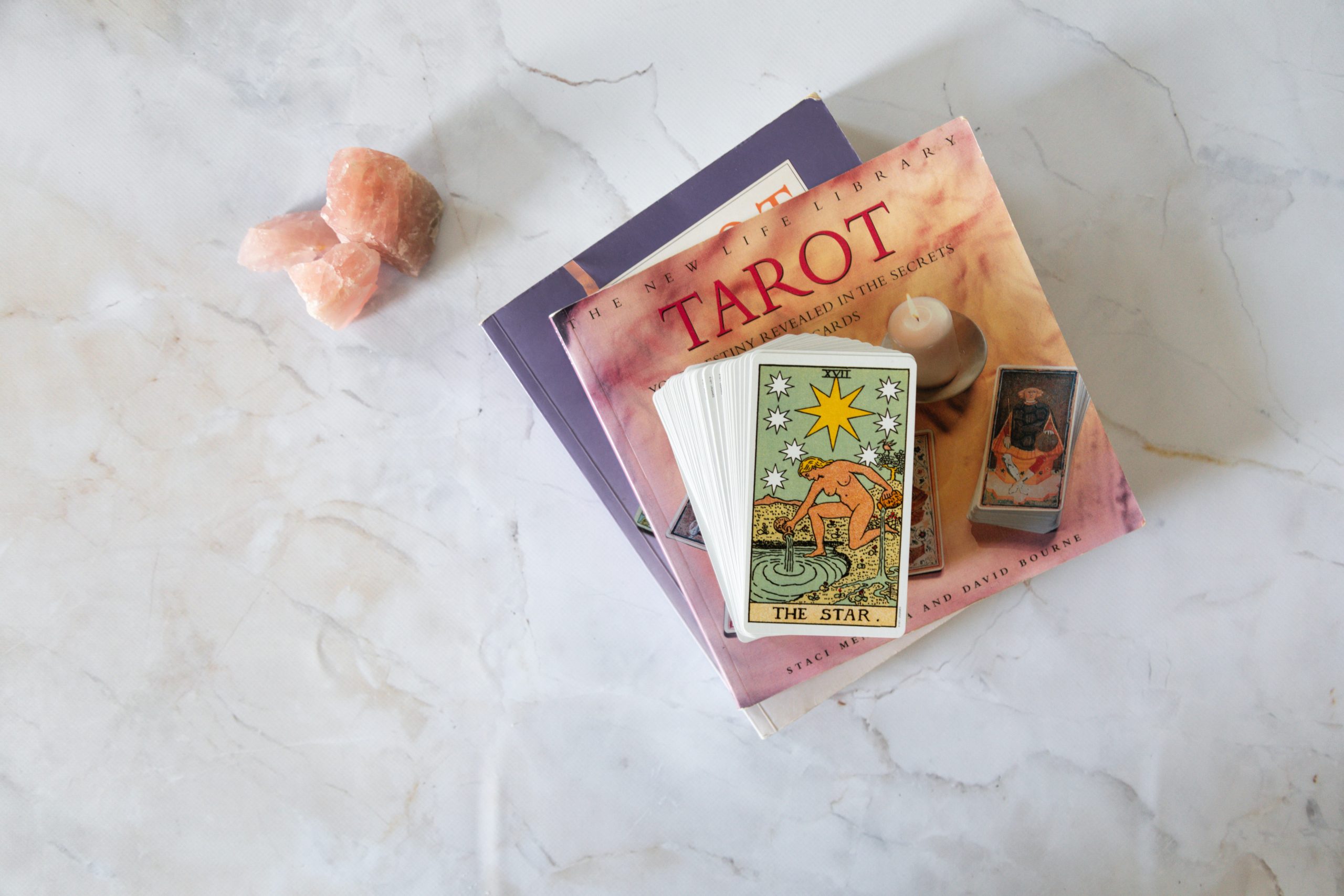
Tarot reading involves the use of a deck of cards known as Tarot cards. Each card has its own symbolic meaning, and through a combination of intuition and interpretation, readers can offer guidance and insights into the question or situation at hand. Tarot readings are often seen as a tool for self-reflection and decision-making.
Palmistry
Palmistry, also known as palm reading, is the art of interpreting the lines, shapes, and other characteristics of a person’s hand. Practitioners believe that the lines on the palm can reveal information about an individual’s character, personality traits, and even provide glimpses into their future.
Runes
Runes are ancient symbols that were used by the Norse and Germanic peoples for both communication and divination. Each rune has its own meaning, and casting these symbols and interpreting their arrangement can provide valuable insights into various aspects of life, including relationships, career, and personal growth.
I Ching
I Ching, an ancient Chinese divination system, involves casting a series of coins or yarrow sticks and interpreting the resulting patterns. The I Ching offers profound insights into the nature of change, providing guidance on how to navigate life’s challenges and embrace opportunities for growth.
Crystal Ball Gazing
Crystal ball gazing, also known as scrying, is a divination practice that involves gazing into a crystal ball or other reflective surfaces to gain insights and foresight. The images or visions that appear in the crystal ball are believed to have symbolic meanings that can be interpreted to reveal valuable information about the future.
Tea Leaf Reading
Tea leaf reading, also called tasseography, is a divination method that relies on interpreting the patterns formed by tea leaves in a cup. The reader examines the placement, size, and shape of the leaves to predict future events and gain a deeper understanding of the individual’s life.
Numerology
Numerology is a system that assigns meanings to numbers and their combinations. By calculating and analyzing various aspects of a person’s birthdate and name, numerologists believe they can uncover significant insights about an individual’s personality, life path, and future.
Ouija Board
The Ouija board is a divination tool that gained popularity during the late 19th century spiritualism movement. It is a board marked with letters, numbers, and other symbols, and a small pointer called a planchette is used to spell out messages from spirits or the subconscious mind. This controversial tool continues to intrigue and fascinate people seeking answers from beyond.
Scrying
Scrying is a divination technique that involves gazing into a reflective surface such as a mirror, bowl of water, or darkened room to induce visions or insights. Some practitioners believe scrying taps into the subconscious mind or the collective unconscious to reveal hidden knowledge and guide decision-making.

This image is property of images.unsplash.com.
Theoretical Basis of Divination
Determinism vs. Free Will
One of the fundamental debates surrounding divination is the tension between determinism and free will. Determinism suggests that all events, including future ones, are predetermined and therefore divination merely uncovers what is already set in stone. On the other hand, proponents of free will argue that individuals have the ability to shape their destinies and that divination can offer guidance and insights to make informed choices.
Quantum Physics and Divination
The intersection of divination and quantum physics is thought-provoking. Quantum physics asserts that events at the subatomic level are inherently uncertain, challenging strict determinism. Some individuals believe that the inherent uncertainty in quantum mechanics allows for the possibility of divination, as future events might not be fully determined and can be influenced by subjective factors.
Synchronicity and Symbolism
Carl Jung, a renowned psychologist, introduced the concept of synchronicity, which refers to the meaningful coincidences that occur beyond mere chance. Divination often relies on symbolism, and practitioners interpret these symbols to uncover deeper meanings and insights. Synchronicity suggests that these symbols are not merely random but are purposefully connected to events in an individual’s life.
Human Psychology and Divination
Confirmation Bias
Confirmation bias is a psychological phenomenon where individuals tend to search for, interpret, and remember information in a way that confirms their pre-existing beliefs or expectations. When it comes to divination, individuals may unconsciously focus on information that aligns with their desires or beliefs, potentially biasing the interpretation of divinatory messages.
Barnum Effect
The Barnum effect, also known as the Forer effect, refers to the tendency of individuals to accept vague or general statements as accurate descriptions of themselves. Divination often involves providing generalized insights that can be interpreted to fit various individuals, thereby exploiting this cognitive bias and leading individuals to perceive the divination as highly accurate and personalized.
Cognitive Dissonance
Cognitive dissonance occurs when individuals experience psychological discomfort due to holding conflicting beliefs or ideas. In the context of divination, if a prediction or insight contradicts an individual’s existing beliefs or desires, cognitive dissonance may arise. This discomfort can be resolved by either dismissing the divination as inaccurate or reshaping existing beliefs to accommodate the new information.
Self-Fulfilling Prophecies
Self-fulfilling prophecies occur when an individual’s belief or expectation about a future event leads them to behave in ways that make the prediction come true. In divination, individuals may unconsciously alter their behavior, decisions, and even thoughts based on the guidance or predictions received. This can inadvertently shape their future experiences and outcomes, aligning with the divinatory message.
This image is property of images.unsplash.com.
Divination in Ancient Civilizations
Ancient Mesopotamia
In ancient Mesopotamia, divination played a significant role in the religious and political sphere. One of the most notable divination practices was hepatoscopy, which involved examining the livers of sacrificed animals to interpret divine messages. This practice was undertaken by specialized priests and influenced decisions regarding governance and warfare.
Ancient Egypt
The ancient Egyptians had a deep belief in the power of divination. They practiced various forms of divination, such as dream interpretation, reading animal entrails, and scrying with mirrors or bowls of water. Divination played a crucial role in guiding important decisions, healing, and even determining the most auspicious times for various activities.
Ancient Greece and Rome
Divination held great importance in ancient Greek and Roman societies. The Greeks practiced various forms of divination, including the interpretation of omens, examination of bird flight patterns, and visits to oracles like the famous Oracle of Delphi. Similarly, the Romans relied on divination techniques such as augury, interpreting lightning strikes, and consulting prophecy books.
Ancient China
Divination occupied a significant place in ancient Chinese culture. The Chinese developed intricate divination methods such as the I Ching and face reading. The rulers of ancient China consulted diviners to make important decisions and sought guidance on matters of governance, warfare, and personal life. Divination became deeply ingrained in Chinese philosophy and formed a crucial part of their spiritual and cultural heritage.
Mesoamerica
In Mesoamerican civilizations, divination played a central role in the lives of the people. The Mayans, Aztecs, and other Mesoamerican cultures practiced divination methods such as scrying, astrology, and interpreting signs in nature. Divination was closely tied to the religious beliefs and rituals of these civilizations, influencing agricultural practices, social structure, and even human sacrifices.
Controversies Surrounding Divination
Religious and Spiritual Perspectives
Divination has long been a subject of debate and controversy within religious and spiritual communities. Some religious traditions view divination as an act of seeking forbidden knowledge or putting faith in forces other than a higher power. On the other hand, many individuals and religious groups incorporate divination into their spiritual practices, seeing it as a means of connecting with the divine and receiving guidance.
Scientific Skepticism
From a scientific perspective, divination often faces skepticism and dismissal due to its reliance on subjective interpretation and lack of empirical evidence. Skeptics argue that divination methods can be easily influenced by known psychological biases and that the predictions offered are often vague and open to multiple interpretations. Scientific inquiry into divination is limited, and the majority of academic research dismisses its claims as pseudoscience.
Ethical Considerations
The practice of divination raises ethical considerations, particularly when dealing with vulnerable individuals seeking guidance or solutions to personal problems. Diviners must navigate the responsibility of offering advice while ensuring that their intentions are genuine and that clients are not unduly exploited. Ethical practices within the divination community include respecting client autonomy, providing honest interpretations, and promoting the well-being of those seeking guidance.

This image is property of images.unsplash.com.
The Effectiveness of Divination
Subjective Experience
Many individuals who seek divination experience a sense of validation and comfort from their readings, even if the predictions do not manifest in their lives. The subjective experience of receiving insight and connecting with something greater can have a profound impact on one’s well-being, regardless of the objective accuracy of the divinatory messages.
Anecdotal Evidence
Anecdotal evidence consists of personal stories and accounts that support the effectiveness of divination. Many individuals attribute positive life changes, clarity, and peace of mind to divination. While anecdotal evidence cannot be relied upon as scientific proof, it highlights the significant role divination can play in people’s lives and their perception of its effectiveness.
Studies on Accuracy
Limited scientific studies have been conducted to assess the accuracy of divination methods. However, the results have been mixed and inconclusive. Some studies suggest the presence of statistical significance in divinatory predictions, while others reveal chance-level accuracy. The subjective nature of divination, coupled with the challenges of designing rigorous scientific studies, makes it difficult to definitively conclude on its overall accuracy.
Divination as a Guidance Tool
Self-Reflection and Insight
Divination offers individuals an opportunity for self-reflection and self-awareness. By engaging with divinatory practices, individuals can explore their inner thoughts, emotions, and desires. Divination can serve as a tool for introspection, helping individuals gain insights into their own strengths, weaknesses, and personal growth opportunities.
Decision-Making Aid
Divination can be used as a decision-making aid, providing individuals with different perspectives and potential outcomes to consider. By consulting divination tools or practitioners, individuals can seek guidance when faced with important choices or dilemmas. Divination can provide a fresh perspective, prompt further reflection, and offer different possibilities to inform decision-making.
Emotional Support
Divination can offer emotional support during challenging times. When individuals feel lost or overwhelmed, divination can provide a sense of comfort and reassurance. The process of seeking guidance from divination can create a space for individuals to express their hopes, fears, and uncertainties, and in turn, receive empathy and understanding.
The Role of Intuition in Divination
Intuition as a Facilitator
Intuition plays a significant role in divination, both for the practitioner and the individual seeking guidance. It is often through intuition that divinatory messages and symbols are interpreted and understood. Intuition can facilitate a deeper connection with the divinatory realm and allow for more nuanced and personalized interpretations.
Intuition as Bias
However, intuition can also introduce bias into divinatory practices. Both the diviner and the individual receiving the reading may be influenced by their preconceived notions, desires, or fears, potentially distorting the interpretations and messages received. Acknowledging and critically examining the role of intuition is crucial to minimize bias and ensure a balanced approach to divination.
Developing and Trusting Intuition
Cultivating intuition is a skill that can be developed through practice and experience. Divination practitioners often undergo training and engage in introspective practices to enhance their intuitive abilities. Similarly, individuals seeking divination can cultivate their own intuition through self-reflection, meditation, and trusting their inner guidance. Developing and trusting intuition is an ongoing process that requires patience and self-awareness.
Conclusion
Divination, with its rich history and diverse methodologies, continues to captivate and intrigue individuals across cultures and time. Whether seen as a means to gain insights into the future, connect with higher realms, or simply as a tool for personal growth, divination serves a significant role in many people’s lives. While debates surrounding its effectiveness and theoretical basis persist, the enduring popularity of divination reflects its enduring appeal as a guidance tool and source of comfort and support for those seeking answers and meaning.