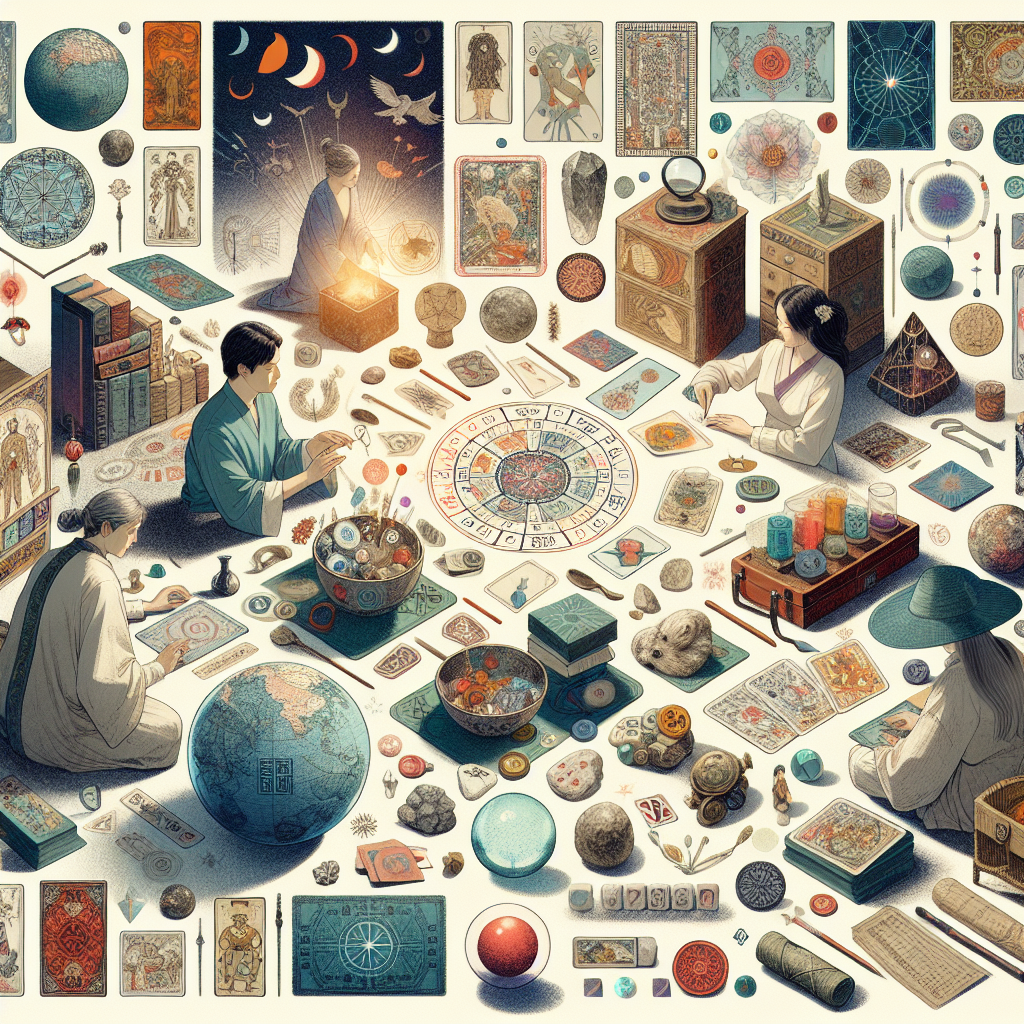
Imagine a world where suffering can be alleviated, and solutions can be found through divine guidance. In this captivating article, we will delve into the intriguing role of divination in addressing the profound challenges that life presents. By exploring the mystical realm of divination, you will discover the ancient practices and beliefs that provide solace and insight to those seeking answers to their suffering. Brace yourself for a journey through the fascinating world of divination, where hope and understanding await. So, let us embark on this enlightening exploration of the profound influence divination holds in our quest to confront and overcome the adversities of life.
The Origin and Definition of Divination
Divination is a practice that has been integral to human societies since ancient times. It is rooted in the belief that there are hidden forces and knowledge that can be accessed through various methods. The word “divination” originates from the Latin word “divinare,” which means to foresee or predict. It encompasses a wide range of practices and techniques used to gain insight into the future, understand the present, or interpret the past.
Historical Background of Divination
Divination has deep historical roots, with evidence of its existence found in several ancient civilizations. In ancient Mesopotamia, divination was closely tied to the worship of the gods and was often performed by priests or specialized individuals. The practice of reading omens from celestial bodies and natural phenomena, such as the flight patterns of birds or the position of planets, was common in ancient Egypt and Greece as well. Divination also played a significant role in traditional Chinese and Indian cultures, where it was considered a means of communication with the spiritual realm.
Different Forms of Divination
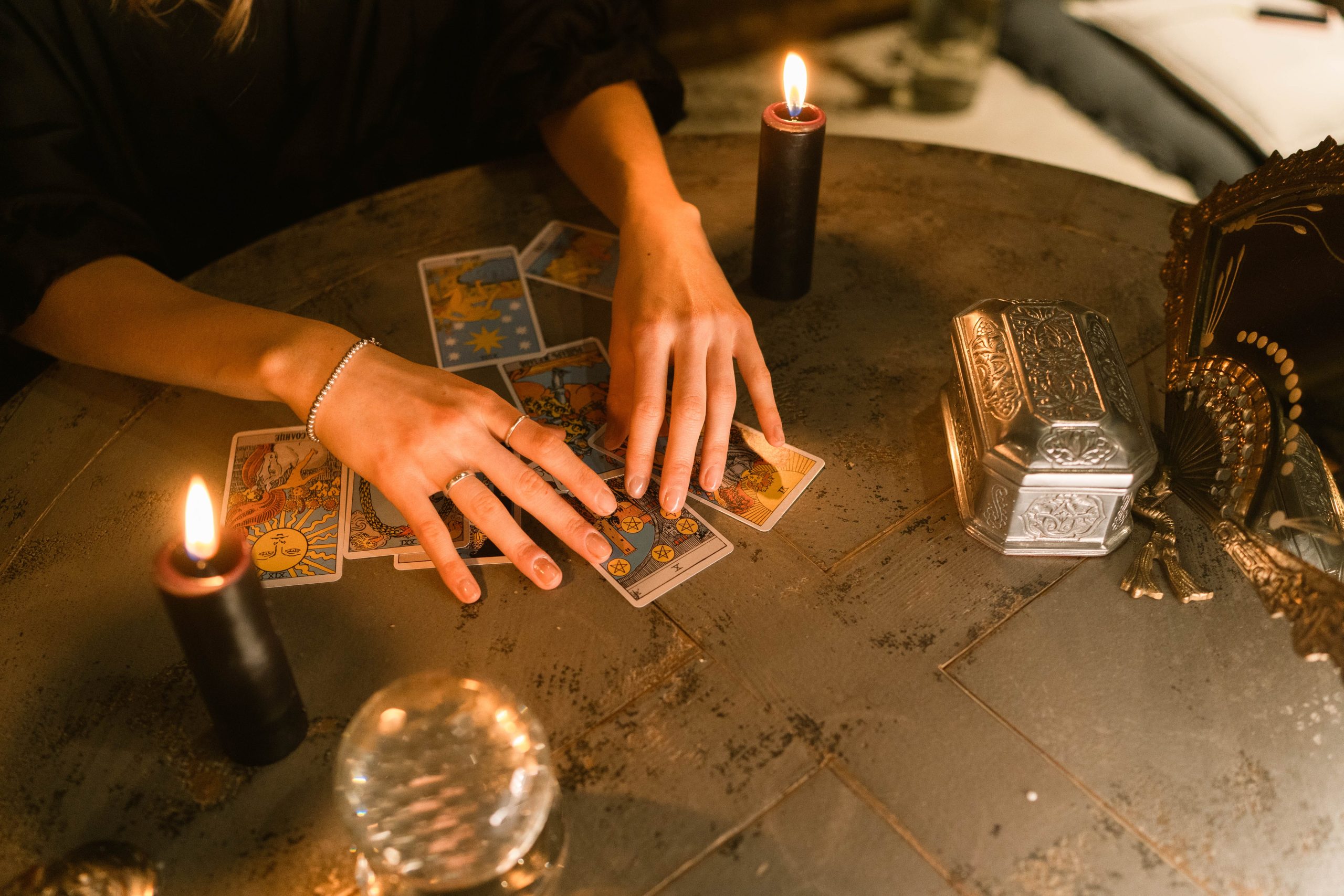
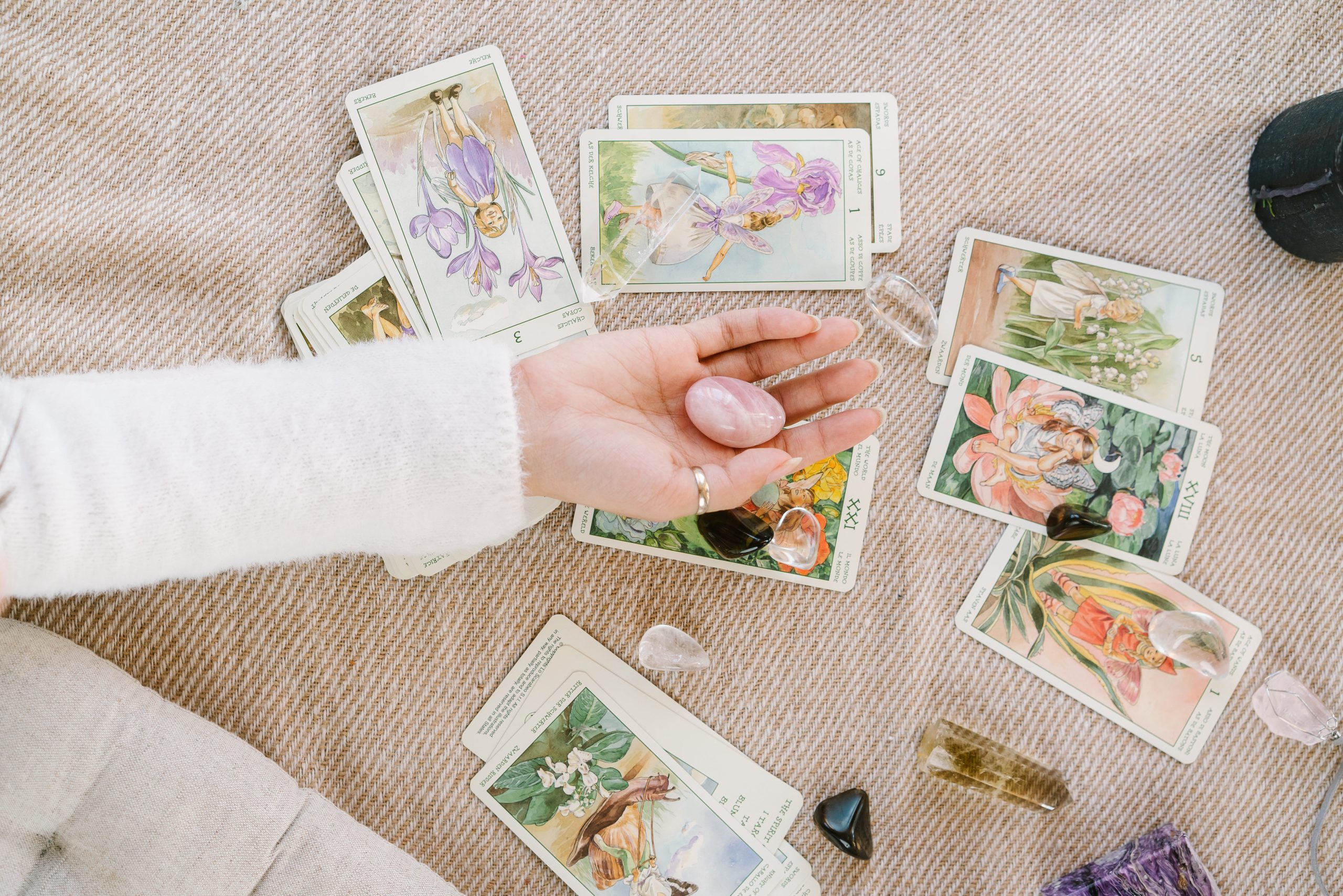
Divination takes on various forms across different cultures and traditions. Some popular methods include tarot card readings, astrology, palmistry, runes, and the I Ching. Tarot card readings involve drawing cards from a deck, each with symbolic imagery that the reader interprets to provide guidance and insight. Astrology, on the other hand, involves analyzing the positions and movements of celestial bodies to determine one’s personality traits and future events. Palmistry focuses on reading the lines and features of the palm to uncover aspects of an individual’s life path. Runes are ancient Norse symbols used for divination, while the I Ching is an ancient Chinese text that offers guidance through the casting of coins or sticks.
Understanding Suffering
Suffering is an inevitable part of the human experience, and it can manifest in various forms. By understanding the causes and types of suffering, individuals can better navigate their way through challenging times.
Causes of Suffering
Suffering can arise from a myriad of causes, including physical illness, emotional trauma, societal injustice, natural disasters, and personal loss. It may also be the result of internal factors such as negative thoughts, unmet expectations, or a lack of purpose and fulfillment. Understanding the root causes of suffering allows individuals to address them more directly and find ways to alleviate or cope with the pain.
Types of Suffering
Suffering can be categorized into different types, including physical, emotional, and existential suffering. Physical suffering refers to the experience of bodily pain, discomfort, or illness. Emotional suffering encompasses psychological distress, such as grief, anxiety, or depression. Existential suffering pertains to the search for meaning and purpose in life, often triggered by questions about the nature of existence, mortality, or one’s place in the world. Each type of suffering requires nuanced approaches for addressing and healing.
This image is property of images.pexels.com.
The Role of Divination in Addressing Suffering
Divination serves as a valuable tool in helping individuals navigate and find solace in times of suffering. It offers a range of benefits, including guidance, hope, a sense of control, support in decision-making, and even facilitation of the healing process.
Providing Guidance and Insight
One of the primary roles of divination is to provide individuals with guidance and insight regarding their life circumstances and challenges. Whether through tarot card readings, astrology, or other divinatory practices, seekers can tap into a wealth of intuitive wisdom that can illuminate their path forward. By gaining a deeper understanding of their current situation and potential outcomes, individuals can make more informed decisions and take appropriate action.
Offering Hope and Comfort
In times of suffering, hope and comfort can be crucial for maintaining resilience and well-being. Divination can provide a sense of hope by offering glimpses into the possibilities that lie ahead. It reminds individuals that even in the face of adversity, there is potential for change, growth, and transformation. Moreover, the validation and understanding provided by divinatory readings can offer solace and emotional support, helping individuals find comfort in knowing that their experiences are seen and acknowledged.
Creating a Sense of Control
Suffering often brings about feelings of helplessness and a loss of control. By engaging in divination, individuals can regain a sense of agency and influence over their circumstances. Divination provides a framework for navigating life’s challenges by making individuals aware of their choices and empowering them to take action. This sense of control can help alleviate anxiety and foster a more proactive and constructive mindset, even in the midst of adversity.
Promoting Decision Making
Divination can assist in decision-making processes by offering valuable insights and perspectives. When faced with difficult choices or uncertain outcomes, seeking guidance through divination can shed light on the potential consequences of different paths. By exploring the implications of various options, individuals can make decisions with greater confidence and clarity. Divination can serve as a trusted advisor, helping individuals consider factors they may have overlooked and revealing hidden aspects of the situation at hand.
Facilitating Healing Processes
Divination can also play a role in the healing journey, both physically and emotionally. By delving into the underlying causes of suffering, divination can help individuals uncover unresolved issues or hidden patterns that contribute to their pain. This awareness allows for targeted healing work, whether through therapy, energy healing, or other modalities. Divination acts as a guide, gently pointing individuals towards the necessary steps for self-discovery, growth, and healing.
Common Divination Practices
Divination encompasses a diverse array of practices, each with its unique methods and symbolism. Some widely recognized forms of divination include tarot card readings, astrology, palmistry, runes, and the I Ching.
Tarot Card Readings
Tarot card readings involve the use of a deck of cards, each with a unique image and symbolism. The reader interprets the cards drawn, considering their position and relationship to one another, to provide insights into an individual’s life, challenges, or future possibilities. The tarot can tap into the subconscious, revealing deep-rooted emotions, patterns, and potentials that may influence a person’s journey.
Astrology
Astrology is a divinatory practice that revolves around the study of celestial bodies and their influence on human affairs. It involves analyzing an individual’s birth chart, which maps the positions of celestial bodies at the time of their birth. Astrologers interpret the relationships between these celestial bodies to gain insight into an individual’s personality traits, tendencies, and life events. By understanding the astrological influences, individuals can better navigate their life’s ebb and flow.
Palmistry
Palmistry is the practice of examining the lines and features of the palm to gain insight into an individual’s character, relationships, and potential future. Each line and marking on the palm is believed to correspond to different aspects of life, such as love, career, and health. Palmists interpret these lines and features to provide guidance and predictions, helping individuals understand themselves and make informed decisions.
Runes
Runes are an ancient divinatory system rooted in Norse mythology. Consisting of a set of symbols carved into stones or wooden pieces, runes are cast or drawn to uncover guidance and answers. Each rune holds a specific meaning and can represent various aspects of life, including personal qualities, actions, or challenges. By interpreting the symbols revealed, individuals can gain insights into their current circumstances and the potential outcomes of their choices.
I Ching
The I Ching, also known as the Book of Changes, originated in ancient China and is one of the oldest divinatory texts in existence. It involves the use of hexagrams, which are combinations of six broken or unbroken lines, to derive wisdom and guidance. Through the casting of coins or sticks, individuals generate a hexagram, which they then interpret with the help of the I Ching text. The I Ching offers valuable insights, reflections, and advice on various aspects of life, fostering a deeper understanding of oneself and one’s circumstances.

This image is property of images.pexels.com.
Criticism and Skepticism Surrounding Divination
Despite its long history and widespread adoption, divination has faced criticism and skepticism from various quarters. Some of the common concerns raised include the lack of scientific evidence, the potential for misinterpretation and fraudulent practices, and ethical concerns surrounding vulnerable individuals.
Lack of Scientific Evidence
Divination practices often rely on intuitive interpretation and symbolism, which makes them difficult to subject to empirical testing. Skeptics argue that without concrete scientific evidence, divination should be regarded as mere superstition or pseudoscience. However, it is essential to recognize that not all aspects of human experience can be strictly measured or explained through scientific means. Divination operates in the realm of subjective experience and can provide valuable insights and guidance, even without empirical validation.
Misinterpretation and Fraudulent Practices
Divination can be misused or manipulated by individuals who claim to have special abilities but are driven by personal gain rather than a genuine desire to help others. This can lead to misinterpretations, inaccurate readings, or even outright fraudulent practices. It is important to approach divination practitioners with discernment and seek those who uphold ethical standards and prioritize the well-being of their clients. Responsible practitioners will emphasize the importance of informed consent, ethical conduct, and the limitations of divinatory practices.
Ethical Concerns
Divination can delve into intimate aspects of an individual’s life, which raises ethical concerns regarding privacy, consent, and potential harm. Practitioners must prioritize the confidentiality and psychological well-being of their clients, creating a safe space for exploration and reflection. Additionally, divination should never be used to exploit vulnerable individuals or as a substitute for professional medical or mental health care. The ethical implications of divination must be carefully considered by both practitioners and recipients.
Belief Systems and Cultural Perspectives
Divination practices vary greatly across different belief systems and cultures, reflecting the diversity of human experiences and perspectives.
Divination in Different Religions
Divination plays a significant role in several religious traditions, albeit with unique interpretations and methodologies. For example, in the Afro-Caribbean religion of Santeria, divination is performed through the casting of cowrie shells to communicate with ancestral spirits. In Vedic astrology, prevalent in Hinduism, astrologers analyze birth charts to guide individuals on matters of life, relationships, and career. It is important to understand that divination practices are shaped by cultural and religious contexts, and interpretations can differ accordingly.
Cultural Diversity and Divination
Cultural diversity enriches the landscape of divination practices, with each culture contributing its distinct system and techniques. From the considerate art of tea leaf reading in traditional British culture to the intuitive bone casting in African societies, divination reflects the unique histories and perspectives of different communities. Exploring and appreciating this rich tapestry of divinatory traditions enhances our understanding and acceptance of diverse beliefs and practices.
This image is property of images.pexels.com.
Contemporary Perspectives on Divination
In contemporary society, divination continues to evolve, adapt, and find its place alongside modern psychological and holistic practices.
Integration of Divination with Psychological Practices
Increasingly, divination is being integrated into therapeutic and counseling processes as a complementary tool to traditional psychological practices. Divination can provide a unique perspective and language to access the depths of the unconscious mind, facilitating healing and growth. By combining divination with therapy techniques, individuals can gain a holistic understanding of their inner world and uncover hidden aspects of themselves that impact their well-being.
Divination as a Tool for Self-Reflection and Personal Development
Many individuals turn to divination as a means of self-reflection and personal development. By engaging with divinatory practices, individuals can gain insights into their strengths, weaknesses, and areas for growth. Divination encourages introspection, mindfulness, and self-awareness, leading to personal transformation and the cultivation of emotional resilience.
Professionalization of Divination
As interest in divination grows, so does the need for ethical standards and professionalization. Organizations dedicated to divination have emerged, offering certifications, training programs, and codes of conduct. These initiatives aim to raise the standards of practice, ensuring that divination is approached with integrity and responsibility. Professionalization helps individuals seeking divination services to make informed decisions and engage with practitioners who adhere to ethical guidelines.
Ethical Considerations in Divination
When engaging in divination, it is essential to consider the ethical implications to protect the well-being and autonomy of both the seeker and the practitioner.
Client Consent and Confidentiality
Practitioners must prioritize informed consent and respect the confidentiality of their clients. Seekers should be made aware of what to expect during a divination session, the limitations of the practice, and what insight can be gained. Furthermore, practitioners should adhere to ethical guidelines regarding confidentiality, ensuring that personal details shared during a session remain private and protected.
Empowerment vs. Dependency
Divination has the potential to empower individuals by providing guidance and insights. However, it is crucial to avoid creating dependency on divinatory readings. Practitioners should encourage seekers to cultivate their own intuition and decision-making abilities, emphasizing that divination is a tool for self-reflection rather than a source of absolute truth. Empowerment should be the goal, enabling individuals to trust their own inner wisdom while appreciating the guidance that divination can offer.
Safeguarding Vulnerable Individuals
Divination can attract individuals who are vulnerable, seeking answers or solace during difficult times. Practitioners must approach such individuals with empathy and care, ensuring their well-being is prioritized. It is essential to recognize the limitations of divination and refer individuals to appropriate professional help when necessary. Ethical considerations must be at the forefront, protecting the emotional and psychological welfare of all participants.
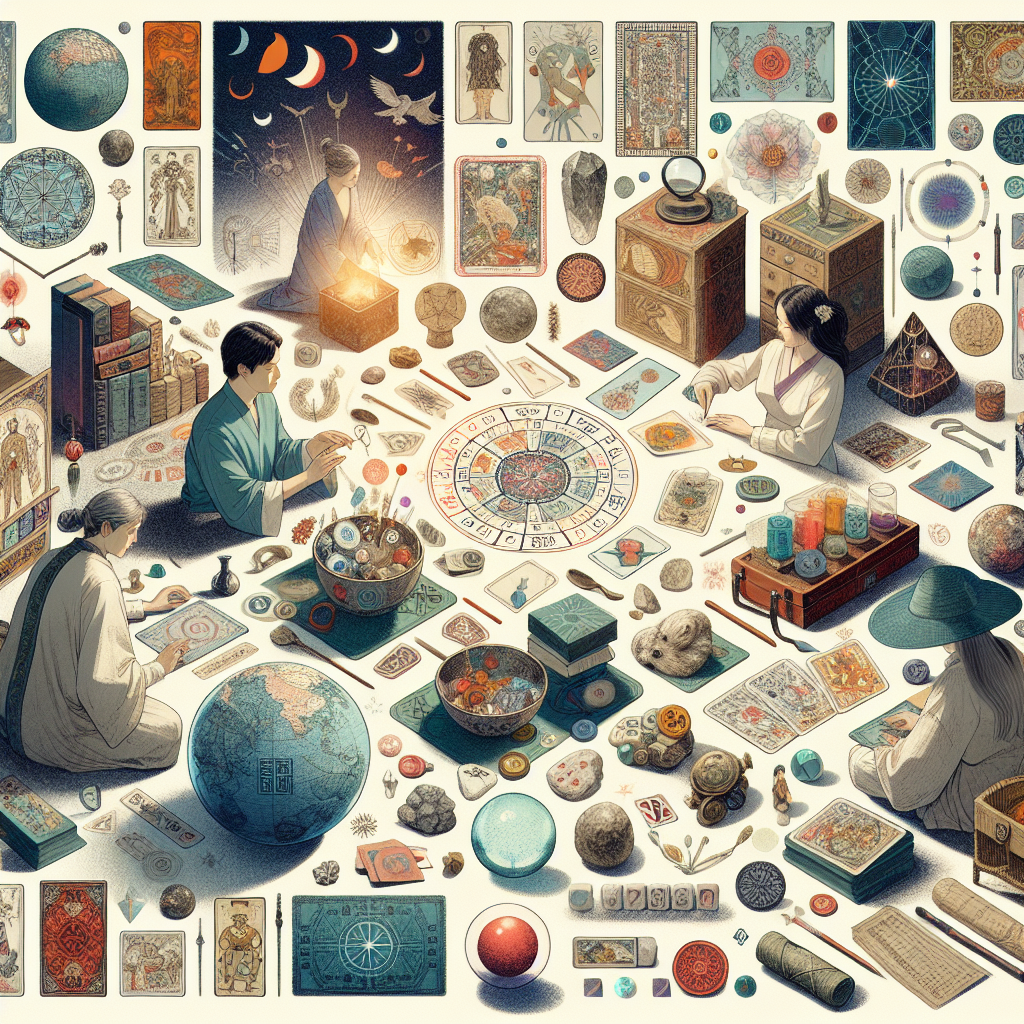
Future Directions and Potential Research Areas
As interest in divination continues to grow, there is room for further exploration and research to better understand its efficacy, mechanisms, and cultural impact.
Exploring the Efficacy of Divinatory Practices
Research can delve into the efficacy of divinatory practices by studying the outcomes and experiences of individuals who have engaged in divination. Understanding the impact of divination on decision-making, coping mechanisms, and overall well-being can shed light on its potential benefits and limitations. This research may involve collaborations between experts in divination, psychology, and other relevant fields.
Understanding the Mechanisms Behind Divination’s Benefits
Further research can focus on uncovering the underlying mechanisms behind the benefits of divination. Exploring the psychological, neurobiological, or neurological processes that occur during divinatory practices can provide insights into why individuals derive meaning, comfort, and guidance from such experiences. This exploration may require interdisciplinary collaborations and innovative research methodologies.
Cultural and Societal Impact of Divination
Studying the cultural and societal impact of divination can shed light on its role as a social and spiritual practice. It can explore how divination shapes belief systems, cultural identity, and individual worldviews. This research may involve examining the role of divination in various cultural contexts, its historical evolution, and its impact on community cohesion and resilience.
Conclusion
Divination has a long-standing history and serves as a valuable tool for addressing suffering. It provides guidance, hope, a sense of control, and support during challenging times. Despite criticism and skepticism, divination continues to persist in various forms and is evolving in response to contemporary needs and contexts. As we navigate the complexities of life, divination offers an avenue for self-reflection, personal growth, and connection with the unseen forces that shape our experiences. By embracing the richness and diversity of divinatory practices, we embark on a journey of understanding, empowerment, and healing.