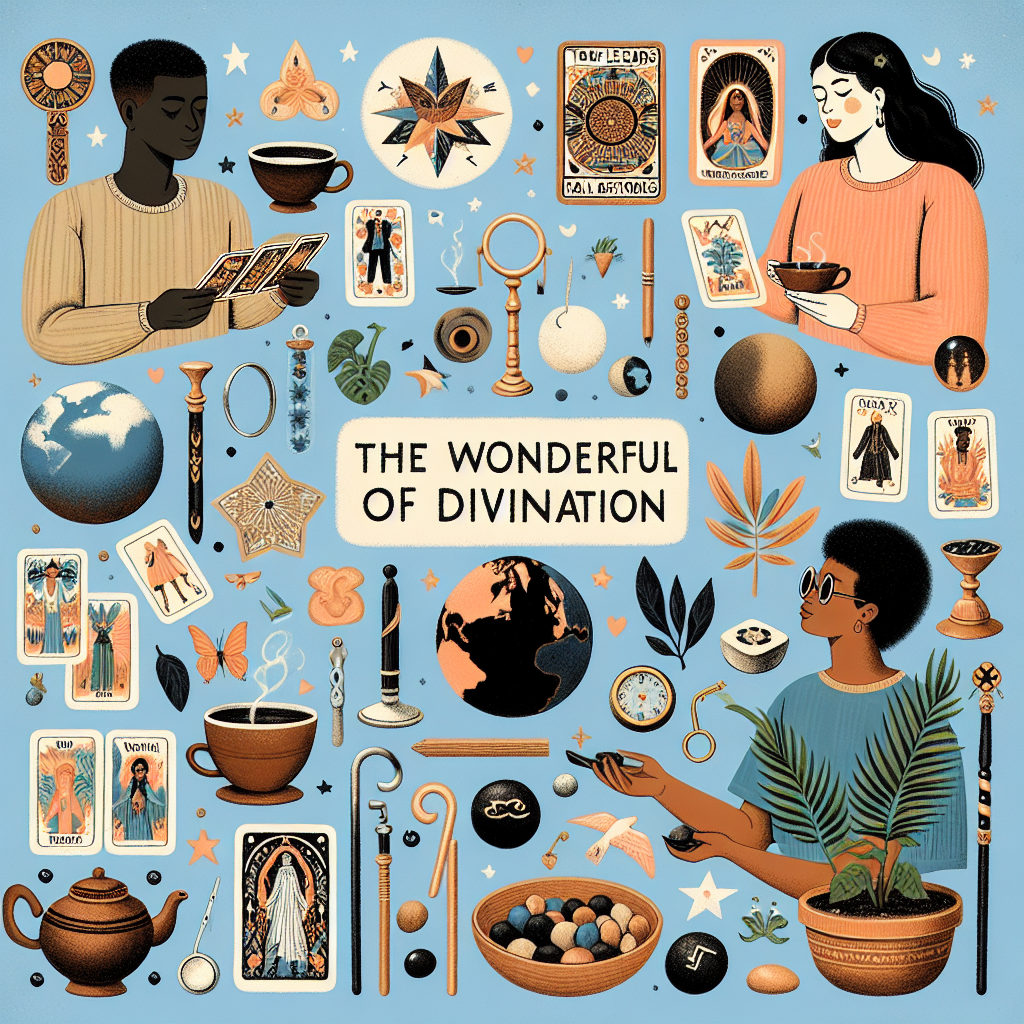
In our article, “Exploring the Role of Divination in Challenging Gender Norms,” we delve into the fascinating realm of divination and its potential to challenge long-standing gender norms. By providing individuals with a means to connect with the spiritual realm and gain insight into their future, divination has the power to challenge societal expectations and pave the way for a more inclusive and accepting understanding of gender. Through this exploration, we will uncover the ways in which divination can empower individuals to challenge traditional gender roles and find new paths of self-discovery.
Defining Divination
What is divination?
Divination is a practice that involves seeking knowledge or insight about the future or hidden truths through supernatural or intuitive means. It is based on the belief that the universe holds information that can be accessed through various methods. Divination has been practiced for centuries and is present in different cultures around the world.
Different forms of divination
There are numerous forms of divination, each with its own unique techniques and tools. Some common forms include astrology, tarot reading, palmistry, numerology, and scrying. Astrology uses the positions of celestial bodies to interpret events and personalities. Tarot reading involves the use of a deck of cards to gain insight into questions or situations. Palmistry focuses on interpreting the lines and features of the hand. Numerology examines the significance of numbers in a person’s life. Scrying utilizes reflective surfaces or mediums like water or crystals to access messages from the divine. These are just a few examples, but divination takes many forms and can be tailored to individual preferences and beliefs.
Historical background of divination
Divination has a rich historical background that dates back to ancient civilizations. It has been practiced by cultures such as the Egyptians, Greeks, Romans, and Chinese. In these societies, divination was often associated with religious or spiritual practices and played a significant role in decision-making processes, governance, and personal guidance. Divination was seen as a way to communicate with the divine and seek guidance for important matters. Over time, divination practices have evolved and adapted, incorporating new tools and interpretations while also being influenced by cultural contexts and societal changes.
Gender Norms and Roles
Understanding gender norms
Gender norms are societal expectations and roles assigned to individuals based on their perceived gender identities. These norms often dictate how people should behave, dress, and interact within society. They vary across cultures and time periods, reflecting historical and cultural perspectives on masculinity and femininity. Gender norms can be harmful as they limit the expression and freedom of individuals, confining them to predefined roles and stereotypes.
Historical context of gender roles
Historically, gender roles have been deeply rooted in patriarchal systems, where men were perceived as dominant and women as submissive. These gender roles were reinforced through social, economic, and political structures. Men were often expected to be breadwinners, assertive, and strong, while women were encouraged to be nurturing, domestic, and submissive. Society upheld these gender roles, making it challenging for individuals to deviate from them without facing scrutiny or discrimination.
Impact of gender expectations
Gender expectations and norms have a profound impact on individuals’ lives and experiences. They can create a sense of pressure and limit personal growth and self-expression. For example, men might feel compelled to suppress emotions in order to conform to societal expectations of strength and stoicism. Similarly, women might face restrictions and judgments if they pursue careers traditionally associated with men. These gender expectations can lead to imbalances of power, discrimination, and marginalization.
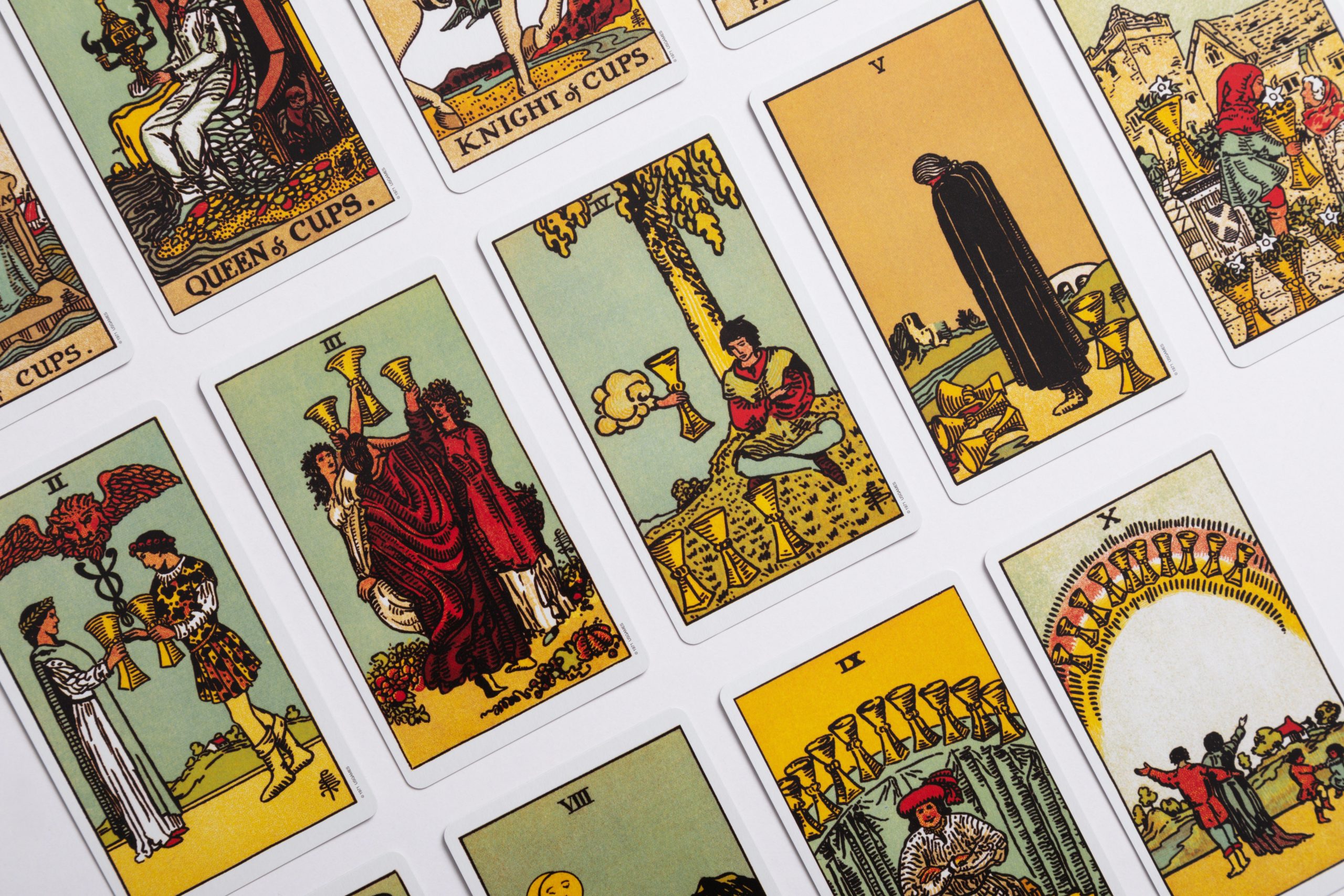
This image is property of images.unsplash.com.
Challenging Gender Norms
Evolving perspectives on gender
Society has made significant progress in challenging traditional gender norms and embracing more inclusive perspectives. The understanding of gender has expanded beyond the binary constructs of male and female, recognizing the existence of non-binary identities and the fluidity of gender. This evolving perspective acknowledges that gender is not solely determined by biological sex but is a complex interplay of identity, expression, and societal influence.
Intersections of gender and divination
Divination has the potential to challenge gender norms by providing a space for individuals to explore and express their true selves. It allows for self-reflection, questioning societal expectations, and embracing personal empowerment. Divination practitioners can navigate their spiritual journeys and embrace diverse interpretations of masculinity and femininity, creating a platform for inclusivity and understanding.
Divination as a tool for empowerment
Divination can be a powerful tool for empowerment, allowing individuals to connect with their inner selves and find strength outside of societal constraints. By engaging with divination practices, individuals can gain insights into their own journey of self-discovery. Divination encourages individuals to trust their intuition, make decisions based on personal values, and challenge oppressive gender norms. It provides a means for individuals to reclaim their narratives and define their own identities.
Divination as a Reflective Practice
Self-exploration and gender identity
Divination offers a unique opportunity for self-exploration and examination of gender identity. It encourages individuals to reflect on their own experiences, feelings, and beliefs about gender. Through divination, individuals can gain a deeper understanding of their authentic selves, beyond societal expectations. It can serve as a catalyst for personal growth and self-acceptance, ultimately leading to a more empowered and fulfilling life.
Breaking free from societal constraints
Divination allows individuals to break free from the limitations imposed by societal norms and expectations. By engaging with divination practices, individuals can challenge the binary constructs of gender and explore the multifaceted nature of their identities. Divination encourages individuals to embrace their unique qualities and celebrate diversity, fostering a sense of liberation and self-acceptance.
Examining gender biases through divination
Divination provides a lens through which individuals can examine their own biases and preconceived notions about gender. By engaging with divination practices, individuals can confront internalized stereotypes and challenge societal conditioning. Divination encourages self-reflection, leading to a deeper understanding and empathy for different gender experiences. This process of examination can contribute to the dismantling of oppressive systems and the promotion of equality and inclusivity.

This image is property of images.unsplash.com.
Divination and representing Femininity
Exploring femininity in divination
Divination can provide a platform for exploring and representing femininity beyond societal expectations. It recognizes the diverse expressions of femininity and honors the individual experiences of women. Divination practices often celebrate feminine energies and archetypes, acknowledging the inherent strength, intuition, and wisdom associated with femininity. By engaging with divination, individuals can embrace and affirm their own femininity while challenging restrictive gender norms.
Divination as a communication with the divine feminine
Divination can be seen as a sacred communication with the divine feminine, honoring the nurturing, creative, and intuitive aspects of femininity. It allows individuals to tap into their innate divine connection and access messages that resonate with their own experiences as women. This recognition of the divine feminine through divination can be empowering and affirming for individuals, providing a spiritual framework that embraces and celebrates femininity.
Alternative narratives of femininity
Divination offers alternative narratives of femininity that challenge stereotypical portrayals of women. It allows individuals to reclaim and redefine femininity based on their own unique experiences and expressions. Divination practices often emphasize the power, resilience, and complexity of feminine energies, acknowledging that femininity extends beyond superficial societal constructs. By engaging with divination, individuals can embrace diverse manifestations of femininity and challenge oppressive gender norms.
Interpreting Masculinity in Divination
Masculinity through the lens of divination
Divination can provide a lens through which masculinity can be explored and understood in a nuanced way. By engaging with divination practices, individuals can question and redefine traditional notions of masculinity, acknowledging the diverse experiences and expressions of male energy. Divination offers an opportunity to navigate and embrace the complexities of masculinity, moving beyond rigid societal expectations and encouraging personal growth and transformation.
Breaking the stereotypes of masculinity
Divination practices can play a role in challenging and dismantling harmful stereotypes surrounding masculinity. By engaging with divination, individuals can challenge the notion that masculinity is solely defined by strength, stoicism, and dominance. Divination invites introspection and encourages individuals to explore vulnerability, emotional intelligence, and compassion. It allows for the reimagining of masculinity, celebrating the unique qualities and experiences that embody diverse expressions of male identity.
Reclaiming masculinity through divination
Divination practices provide a space for individuals to reclaim and redefine masculinity on their own terms. Divination allows individuals to connect with their authentic selves, exploring the intersections of their gender identity and spirituality. By engaging with divination, individuals can embrace aspects of masculinity that resonate with their personal values, reclaiming their narratives and challenging societal expectations. Divination serves as a tool for empowerment, offering a pathway to personal growth and the fostering of healthy masculine identities.

This image is property of images.unsplash.com.
Gender Fluidity and Divination
Understanding gender fluidity
Gender fluidity refers to the concept that gender is not fixed or static, but rather exists on a spectrum. Individuals who identify as gender fluid may experience their gender identity shifting or fluctuating over time. This fluidity challenges the traditional binary understanding of gender, recognizing that identities can be non-binary, genderqueer, or encompass a range of different gender expressions.
Fluidity in divination practices
Divination practices can reflect and accommodate the fluid nature of gender identities. These practices honor and validate individuals’ experiences of their gender, creating a space where gender fluidity can be embraced and celebrated. Divination offers a supportive environment for those exploring their gender identity, providing a means to navigate and understand the nuances of their evolving sense of self.
Exploring non-binary identities through divination
Divination can be a valuable tool for individuals who identify as non-binary, allowing them to explore and affirm their gender identity. Divination practices offer a way to connect with the divine and seek guidance that resonates with their unique experiences. By engaging with divination, individuals can find solace, validation, and support in navigating the complexities of their non-binary identity. Divination provides a framework for self-exploration, helping individuals embrace their authentic selves and find a sense of belonging.
Divination and Cultural Perspectives
Cultural influences on gender norms
Gender norms are heavily influenced by cultural perspectives and societal expectations. Different cultures have their own definitions of masculinity and femininity, shaped by historical, religious, and social factors. It is crucial to consider cultural contexts when examining gender norms and the intersection with divination practices. Cultural influences can shape divination traditions, interpretations, and expressions of gender identity within those practices.
Cross-cultural interpretations of divination
Divination practices vary across cultures, reflecting the unique interpretations and applications of these practices. Different cultures may have divergent views on gender and its relationship to divination. For example, in some cultures, certain forms of divination may be traditionally associated with specific genders or roles. Understanding these cross-cultural interpretations allows for a more inclusive perspective on gender and divination, acknowledging the diversity of experiences and beliefs.
Gender diversity in divination across cultures
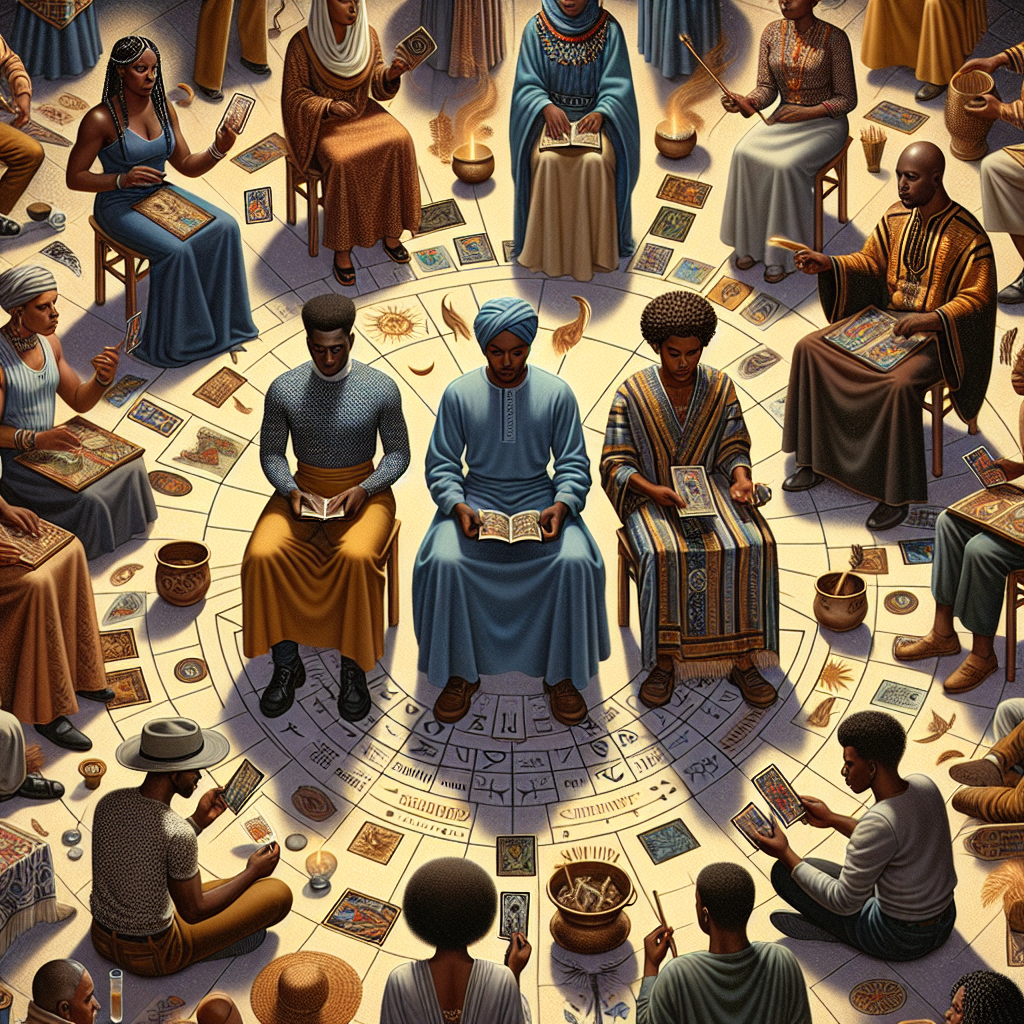
Exploring divination practices across cultures reveals the diversity of gender expressions and identities. Certain cultures may have long-standing traditions that recognize and respect diverse gender experiences. Divination can serve as a means for individuals within these cultures to connect with the divine and seek guidance that aligns with their unique gender identities. By acknowledging and exploring these cultural perspectives, divination becomes an avenue for inclusivity and understanding.
Feminist Divination Movements
Feminist perspectives on divination
Feminist perspectives on divination recognize and challenge the gender biases that exist within these practices. Feminist divination movements aim to reclaim divination as a tool for self-empowerment and personal growth, free from patriarchal influences. These movements seek to create inclusive spaces that honor and celebrate diverse gender identities and experiences. Feminist divination encourages individuals to question and challenge power imbalances, promoting equality and embracing the intersectionality of gender and spirituality.
Divination as a tool for feminist activism
Divination can be used as a tool for feminist activism, providing a platform for self-expression and resistance against oppressive gender norms. By engaging with divination practices, individuals can tap into their inner power and channel it towards advocating for gender equality. Divination serves as a means to challenge societal structures and address systemic gender biases. It inspires individuals to reflect on their own beliefs, actions, and contributions to dismantling sexist norms and cultivating a more equitable society.
Creating inclusive divination spaces
Feminist divination movements emphasize the importance of creating inclusive spaces within the practice. These spaces aim to challenge exclusive gender norms and welcome individuals of all gender identities and expressions. Inclusive divination spaces encourage diverse interpretations and provide opportunities for dialogue, learning, and growth. They prioritize understanding and supporting the unique experiences and struggles of marginalized genders, creating a sense of belonging and empowerment.
Limitations and Criticisms
Ethical concerns in gender-based divination
While divination can be a powerful tool for challenging gender norms, there are ethical considerations to be mindful of. Gender-based divination should prioritize consent, respecting the autonomy and boundaries of individuals. Practitioners should be aware of potential harm that may arise from making assumptions or perpetuating harmful stereotypes. It is essential to approach divination with sensitivity, ensuring that it does not reinforce harmful gender biases or contribute to the marginalization of certain gender identities.
Critiques of binary approaches in divination
Divination practices that uphold binary constructs of gender may face criticism for reinforcing restrictive and exclusionary norms. Some argue that binary approaches overlook the complexity of gender and limit the potential for inclusive interpretations. Critics advocate for divination practices that embrace non-binary identities and challenge traditional understandings of masculinity and femininity. By moving beyond binary frameworks, divination can become more inclusive and affirming of diverse gender experiences.
Balancing individual empowerment and community impact
Divination practices must strike a balance between personal empowerment and community impact. While divination can be a powerful tool for self-reflection and personal growth, it is important to recognize the broader implications of gender exploration. Individual empowerment must be balanced with an understanding of how personal choices and expressions of gender influence the larger community. Divination practitioners should strive to create spaces that uplift marginalized voices and foster collective empowerment, promoting a more equitable world for all genders.
In conclusion, divination provides a unique and powerful avenue for exploring, challenging, and redefining gender norms. By engaging with divination practices, individuals can navigate their own journeys of self-discovery, breaking free from societal constraints and embracing their authentic selves. Divination allows for the celebration of diverse expressions of femininity and masculinity, encouraging the exploration of gender fluidity and non-binary identities. Cultural perspectives and feminist movements within divination offer opportunities for inclusivity, activism, and the creation of empowering spaces. While divination has its limitations and ethical considerations, it remains a transformative practice that holds immense potential for challenging gender norms and promoting equality.