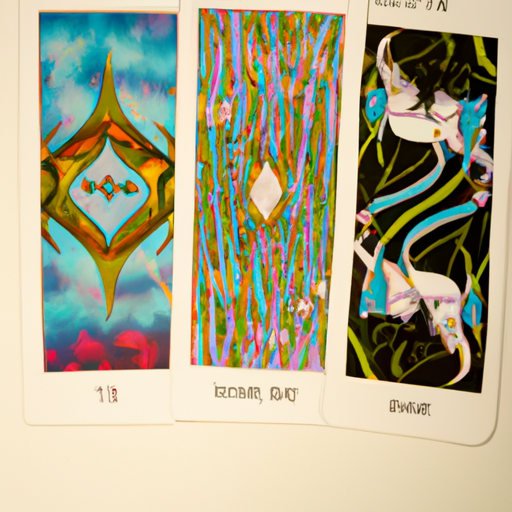
Curious about how tarot cards have the uncanny ability to predict the future? As you delve into the fascinating world of tarot, you’ll discover the intriguing methods and symbolism behind these mystical cards. Unlocking their hidden truths and trusting in your intuition, tarot cards offer guidance and insights into what lies ahead.
The History of Tarot Cards
Origins of Tarot Cards
The history of tarot cards can be traced back to the 15th century in Europe, specifically in Italy and France. The origin of tarot cards is often debated, with various theories suggesting influences from ancient Egyptian hieroglyphs, Jewish mysticism, and even Indian divination methods. However, the most widely accepted theory is that tarot cards originated as playing cards used for entertainment purposes.
Tarot Cards and Divination
Tarot cards gradually transitioned from being used solely for playing games to being associated with divination and fortune-telling. In the 18th century, occultists and mystics began interpreting the symbolism of the cards to unravel their hidden meanings and use them as tools for predicting the future. Tarot cards became popular among spiritualists and esoteric practitioners, who believed that the cards held the power to unlock knowledge of the past, present, and future.
The Popularity of Tarot Cards
Throughout the centuries, tarot cards have gained immense popularity and have become highly sought after by people seeking guidance and insight. Today, tarot cards are widely recognized and used as a tool for personal reflection, self-discovery, and spiritual growth. The versatile nature of tarot cards, which allows for both divination and introspection, has contributed to their enduring appeal. Whether it be for entertainment or introspective purposes, tarot cards continue to captivate individuals from all walks of life.
Understanding Tarot Cards
The Structure of Tarot Cards
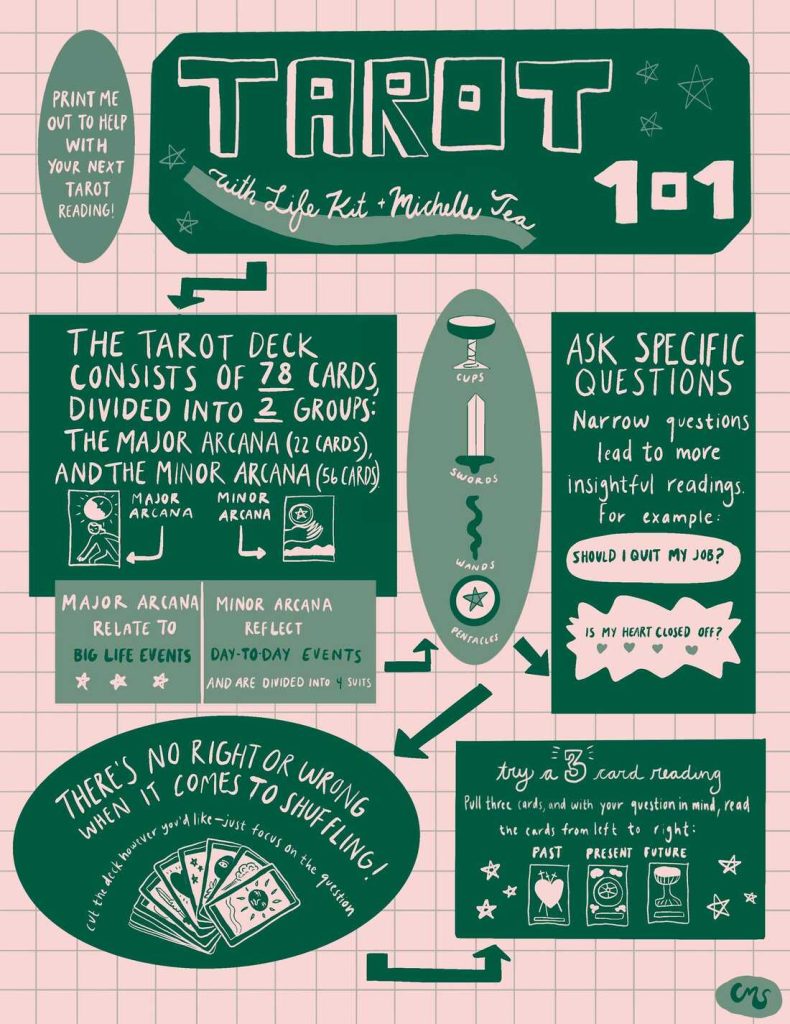
Tarot cards consist of a deck of 78 cards, divided into two main categories: the Major Arcana and the Minor Arcana. Each card carries its own symbolism and meaning, contributing to the rich tapestry of tarot interpretation. The structure of tarot cards is important to understand as it provides a foundation for effectively deciphering and interpreting the cards in a reading.
The Major Arcana
The Major Arcana comprises 22 cards, representing significant life events, archetypal figures, and transformative energies. These cards hold immense power and often depict universal themes and experiences that transcend individual circumstances. From “The Fool” to “The World,” each card in the Major Arcana tells a story and holds profound wisdom that can guide individuals through the journey of life.
The Minor Arcana
The Minor Arcana consists of 56 cards, divided into four suits: Cups, Pentacles, Swords, and Wands. These suits represent different aspects of life, including emotions, material possessions, thoughts, and creativity. Each suit consists of ten numbered cards and four Court cards, namely the Page, Knight, Queen, and King. The Minor Arcana provides more detailed insight into specific areas of a person’s life and offers guidance for navigating daily challenges and opportunities.
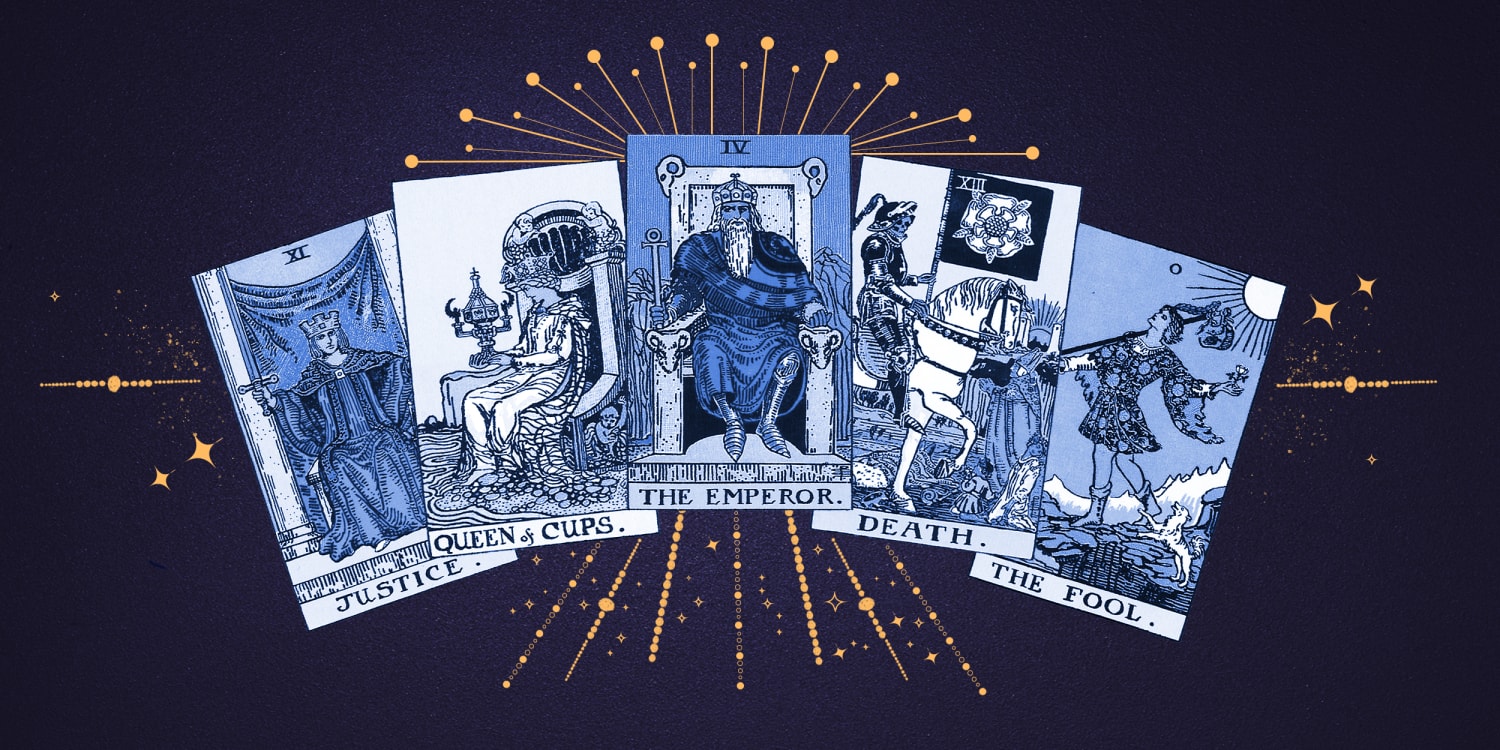
This image is property of media-cldnry.s-nbcnews.com.
The Role of Intuition in Tarot Readings
Developing Intuition
Intuition plays an integral role in tarot readings, allowing the reader to tap into their subconscious and receive guidance beyond the literal interpretations of the cards. Developing intuition is a lifelong journey that involves honing one’s ability to listen to the inner voice and trusting the intuitive messages that come through during a tarot reading. Through meditation, journaling, and mindful practices, individuals can cultivate and strengthen their intuitive abilities.
Connecting with the Cards
Establishing a strong connection with the tarot cards is essential for accurate and meaningful readings. Developing a personal relationship with each card involves spending time with them, familiarizing oneself with their symbolism, and delving into their individual meanings. By connecting with the cards on an energetic level, readers can establish a profound bond that enables them to imbue their readings with deep insight and intuitive guidance.
Interpreting Intuitive Messages
Interpreting intuitive messages during a tarot reading requires openness and receptivity. It involves trusting one’s gut instincts and allowing the subconscious mind to guide the interpretation process. Intuitive messages can come in the form of sudden insights, visual imagery, or a strong emotional response to a particular card. Skillful interpretation of these messages allows the reader to provide clients with valuable and relevant guidance on their life journey.
The Symbolism of Tarot Cards
Archetypal Symbols
Tarot cards are replete with archetypal symbols that resonate with the collective unconscious. From the serene High Priestess to the transformative Death card, each symbol carries profound meaning and holds a connection to universal human experiences. These symbols often trigger emotional responses, memories, and insights, helping individuals gain clarity and wisdom about their lives.
Numerology and Tarot
Numerology, the study of numbers and their vibrational qualities, is interwoven into the fabric of tarot cards. Each card in the tarot deck is associated with a specific number, which contributes to its overall meaning. Understanding numerology allows readers to delve deeper into the essence of each card and uncover hidden layers of personal and universal significance.
Astrology and Tarot
Astrological correspondences also play a significant role in tarot card symbolism. Many tarot decks incorporate astrological symbols and assign zodiac signs, planets, and astrological houses to specific cards. By considering astrological influences in a tarot reading, readers can enhance their understanding of the cards and offer clients a more nuanced interpretation that aligns with their unique astrological profile.
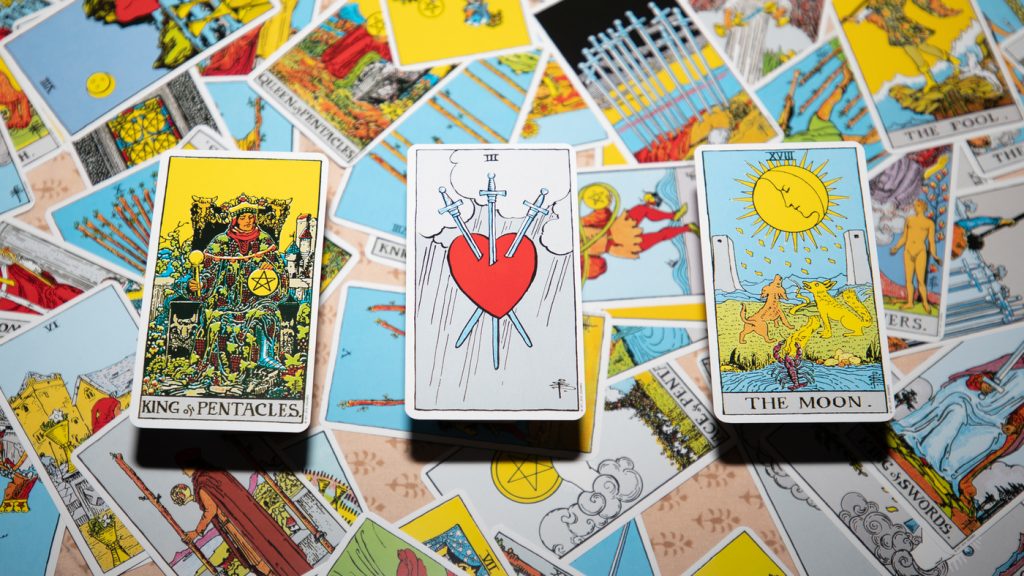
This image is property of media.npr.org.
The Spread of Tarot Cards
Different Tarot Spreads
Tarot spreads are specific patterns in which the cards are arranged during a reading. Each spread serves a different purpose and offers insight into various aspects of a person’s life or situation. Popular spreads include the Celtic Cross, the Three-Card Spread, and the Relationship Spread. Each spread has its own unique layout and set of positions, providing a structured framework for extracting meaning from the cards.
Choosing a Tarot Spread
Selecting the appropriate tarot spread for a specific question or area of focus is crucial for obtaining accurate and relevant information. The chosen spread should align with the client’s needs, providing insight into the specific aspect of their life that requires guidance. Considerations such as the complexity of the question, the depth of insight desired, and the available time for the reading can all influence the selection of an appropriate tarot spread.
Interpreting the Spread
Interpreting the spread involves analyzing the relationships between the cards and extracting meaningful information from their positions. Each card’s placement within the spread and its interaction with other cards provide valuable clues for understanding the larger narrative at play. By examining the symbolism, numerology, and intuitive messages conveyed by the cards, readers can weave together a comprehensive and insightful interpretation of the tarot spread.
The Art of Tarot Reading
Preparation for a Tarot Reading
Preparing for a tarot reading involves creating a calm and sacred space where both the reader and the client can feel comfortable and open. This may include cleansing the area with herbs or incense, setting an intention for the reading, and creating a relaxing atmosphere. The reader must also mentally prepare by centering themselves, clearing their mind, and grounding their energy to ensure a focused and intuitive reading.
Shuffling and Drawing Cards
Shuffling the tarot deck and drawing the cards is a pivotal moment in a tarot reading. The reader must infuse their energy into the cards and establish a connection with them through this process. The client may be given the opportunity to shuffle the cards as well, enhancing their personal connection to the reading. Drawing the cards one by one from the shuffled deck allows the reader to create a unique narrative for the client’s reading.
Reading Card Meanings
Reading card meanings is the heart of a tarot reading. Each card carries multiple layers of symbolism and represents different aspects of life or personality traits. The reader must have a solid understanding of the traditional meanings associated with each card while also allowing their intuition to guide their interpretation. Skillful reading of the card meanings involves weaving together the traditional associations, personal insights, and intuitive messages to provide a comprehensive and enlightening reading for the client.
This image is property of media.npr.org.
The Science Behind Tarot Predictions
Psychology and Tarot
While tarot readings are often seen as mystical and spiritual, there is a psychological aspect to them as well. The art of tarot reading can provide individuals with a means to explore their subconscious mind and gain insight into their thoughts, feelings, and desires. Tarot cards act as symbolic representations that trigger the imagination and allow individuals to access the depths of their psyche, enabling self-reflection and personal growth.
Synchronicity and Tarot
The concept of synchronicity, coined by Swiss psychologist Carl Jung, is closely linked to tarot readings. Synchronicity refers to meaningful coincidences that occur in our lives, suggesting an interconnectedness between events and the collective unconscious. Tarot cards, with their archetypal symbols and intuitive messages, can often reflect and resonate with the synchronistic events happening in an individual’s life, helping them make sense of their experiences and gain clarity on their life path.
The Subconscious Mind
The subconscious mind is believed to hold vast amounts of information and wisdom that may not be readily accessible to the conscious mind. Tarot readings can tap into this wellspring of wisdom by bypassing conscious filters and connecting directly with the subconscious. The symbolic nature of tarot cards allows the subconscious mind to communicate through imagery and intuition, providing individuals with valuable insights into their current situations and potential future outcomes.
The Ethics of Tarot Predictions
Responsible Tarot Reading
Responsible tarot reading entails approaching the practice with integrity, compassion, and a genuine desire to help others. Tarot readers must prioritize the well-being and autonomy of their clients, offering guidance that empowers individuals rather than imposing strict predictions or judgments. Respect for confidentiality, consent, and informed decision-making should always be at the forefront of ethical tarot practice.
Free Will and Fate
Ethical tarot readers recognize and respect the concept of free will. They understand that tarot readings offer potential paths and outcomes, serving as guideposts rather than concrete predictions set in stone. Tarot readings provide clients with the opportunity to make informed choices, understanding the influence of their actions on their life’s trajectory. They encourage clients to embrace their personal agency and exercise free will in shaping their own future.
Ethical Considerations
Tarot readers must navigate various ethical considerations, such as avoiding overdependence on tarot cards, refraining from making medical or legal predictions, and acknowledging the limits of their abilities. It is also essential for tarot readers to engage in ongoing self-reflection and education to ensure they continue to provide ethical and responsible readings. By adhering to a strong ethical framework, tarot readers can contribute to the well-being and personal growth of their clients.
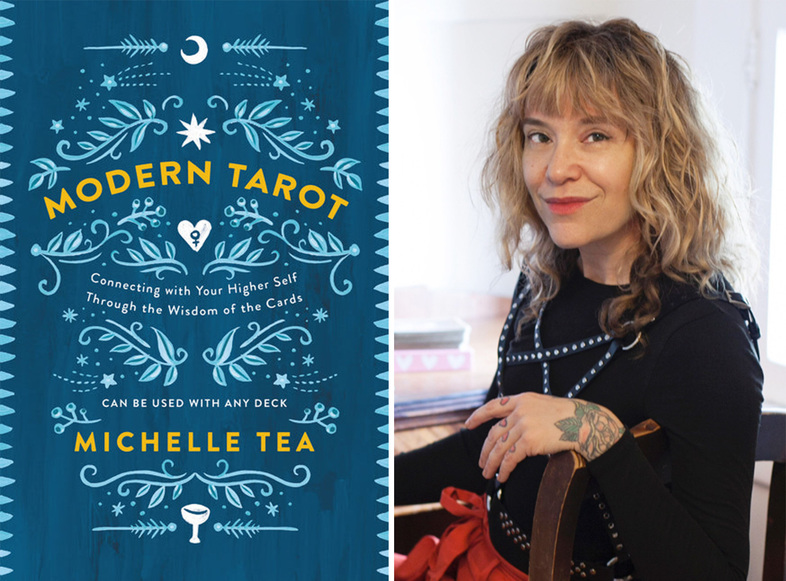
This image is property of media.npr.org.
The Limitations of Tarot Predictions
Subjectivity and Interpretation
Tarot predictions rely heavily on subjective interpretation. The meaning of the cards can vary depending on factors such as the reader’s intuition, the context of the reading, and the client’s personal experiences. As a result, different readers may provide different interpretations of the same cards, highlighting the subjective nature of tarot readings. It is important for individuals receiving a tarot reading to approach it with an open mind and recognize that interpretations are not fixed or definitive.
External Factors
Tarot predictions can also be influenced by external factors outside the realm of the cards themselves. People’s actions, decisions, and changing life circumstances can alter the potential outcomes suggested by a tarot reading. It is crucial to understand that tarot cards offer insight into the current trajectory and energies surrounding a situation, but external influences can alter the path and lead to different outcomes.
Time and Free Will
The concepts of time and free will further contribute to the limitations of tarot predictions. Time is a fluid and ever-changing dimension, and the accuracy of time-specific predictions can be challenging. Additionally, individuals possess free will and can make choices that alter their life path. Tarot readings provide guidance based on current energies and potential paths, but the choices individuals make can lead to different outcomes, highlighting that the future is not set in stone.
Conclusion
Tarot cards have a rich history rooted in both entertainment and divination. From their origins as playing cards, they have evolved into powerful tools for personal growth and guidance. Understanding the structure, symbolism, and intuition behind tarot readings allows individuals to harness the wisdom and insights that tarot cards offer. It is important to approach tarot readings with respect, integrity, and an appreciation of the ethical considerations involved. While tarot predictions have their limitations, they provide an invaluable means of self-reflection, empowerment, and exploring the mysteries of life. Whether seeking guidance or expanding one’s spiritual journey, tarot cards can serve as trusted companions on the path to self-discovery and personal transformation.
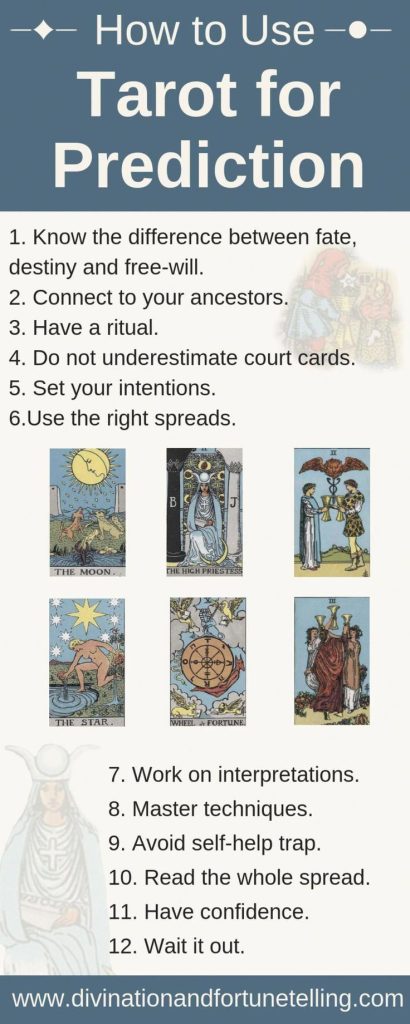
This image is property of i.pinimg.com.