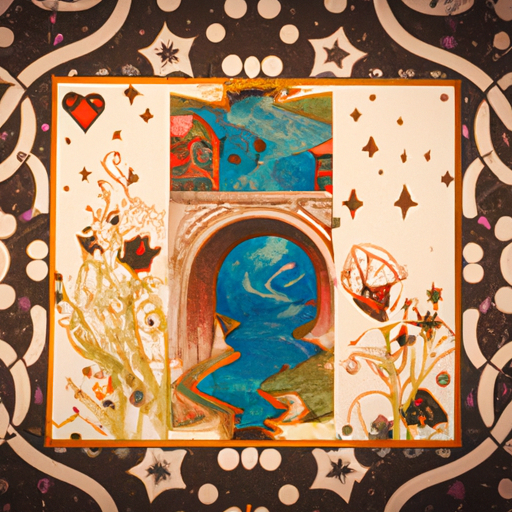
Are you feeling intrigued about tarot cards but not sure where to start? Choosing the right tarot deck can be a daunting task, but fear not, as this article aims to guide you through the process. Whether you are a beginner or a seasoned reader looking for a new deck, we will explore key factors to consider when selecting your tarot companion. From exploring different artistic styles to examining your personal connection with the cards, this article will help you navigate the vast array of options and find the perfect tarot deck that resonates with you.
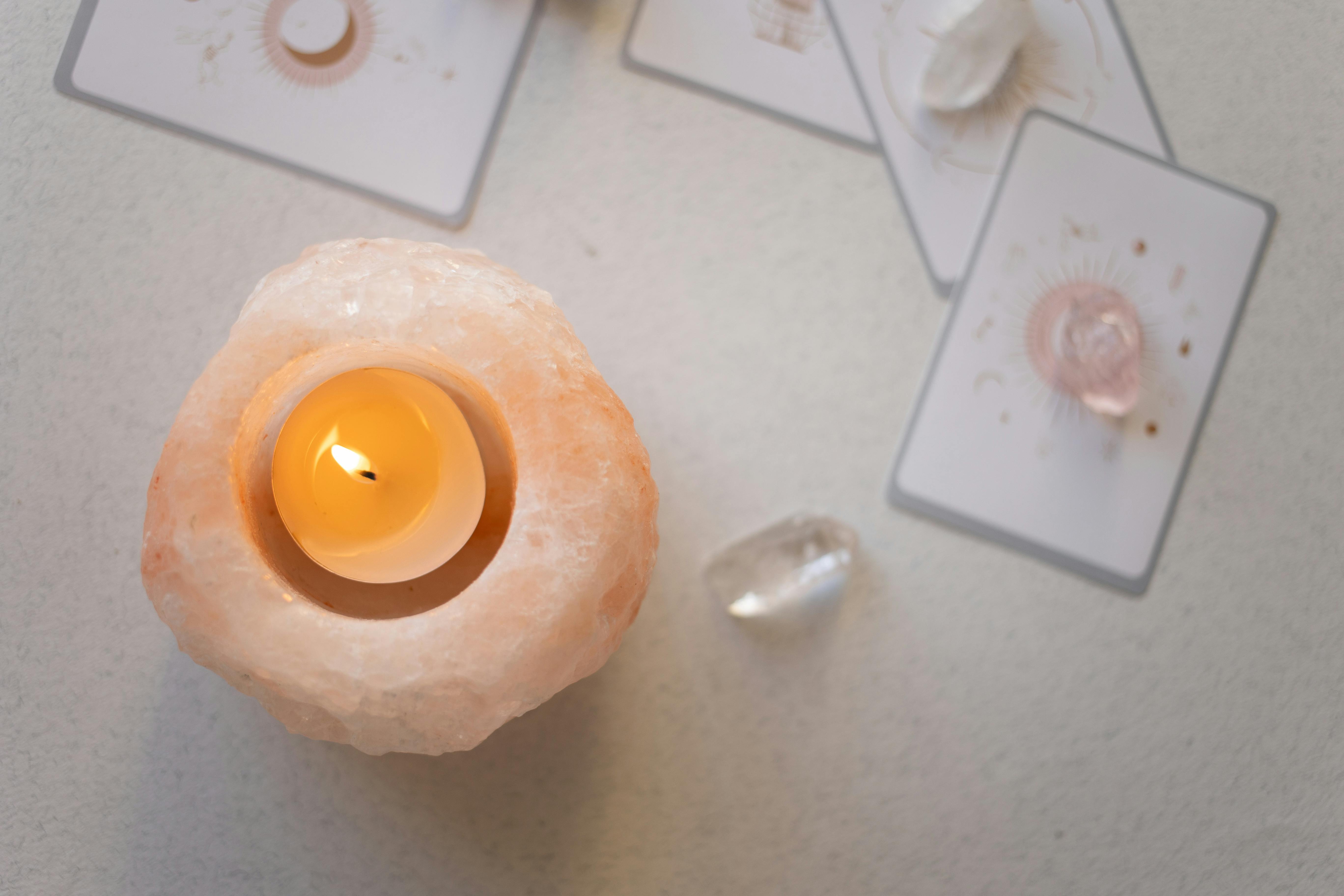
This image is property of images.pexels.com.
Understanding Tarot Decks
What is a tarot deck?
A tarot deck is a set of cards that are used for divination, spiritual guidance, and self-reflection. Each deck consists of 78 cards, typically divided into two main categories: the Major Arcana and the Minor Arcana. The Major Arcana consists of 22 cards that represent significant life events and archetypal energies, while the Minor Arcana is made up of 56 cards that depict more everyday experiences and situations. Tarot decks can be a powerful tool for introspection and gaining insight into one’s personal journey.
The structure of a tarot deck
Within a tarot deck, there are four suits in the Minor Arcana: Wands, Cups, Swords, and Pentacles. Each suit represents a different element and various aspects of life. The cards in each suit range from Ace to Ten, with four additional Court Cards: Page, Knight, Queen, and King. These cards can further represent different personalities and roles. Additionally, the Major Arcana cards are numbered from 0 to 21, each carrying its own unique symbolism and story.
Different types of tarot decks
There are numerous types of tarot decks available, each characterized by its own artistic style, symbolism, and themes. Some popular examples include the Rider-Waite-Smith Tarot, Thoth Tarot, and Marseilles Tarot. Each deck has its own interpretations and images, allowing for diverse approaches to tarot reading. Exploring different types of tarot decks can offer a broader perspective and help you find a deck that resonates with you on a personal level.
Factors to Consider
Intuition vs Traditional symbolism
When selecting a tarot deck, you can choose between decks that rely heavily on traditional symbolism and those that encourage intuitive interpretation. Decks with traditional symbolism, like the Rider-Waite-Smith Tarot, provide a strong foundation for beginners and those who prefer a structured approach. On the other hand, if you trust your intuition and enjoy more freedom in your interpretations, decks with abstract or modern imagery may be a better fit.
Artistic style and imagery
The artistic style and imagery of a tarot deck are important factors to consider. Some decks feature whimsical, colorful illustrations, while others showcase more realistic or abstract art. Take the time to explore different decks and see which visual style resonates with you the most. The artwork and imagery should evoke a sense of connection and inspiration, as it will play a significant role in your tarot readings.
Deck size and portability
Consider the size and portability of the tarot deck you choose. Standard size decks are usually more readily available and easier to handle. Large or oversized decks can provide a more immersive experience, but they may be less practical for daily use or carrying with you. Miniature or pocket-sized decks offer convenience and portability, making them ideal for those who are frequently on the go. Choose a deck size that suits your lifestyle and preferences.
Thematic focus
Tarot decks often incorporate different themes, ranging from mythology and folklore to angels and spirituality, nature and animals, or even modern and pop culture references. Consider your personal interests and the themes that resonate with you the most. A tarot deck with a theme that aligns with your passions and beliefs can enhance your connection with the cards and deepen your understanding of their messages.
Tarot deck creators
Pay attention to the creators of the tarot decks you’re considering. Each deck has a unique perspective and energy that comes from the creator’s artistic vision. Research the background of the deck’s creator and understand their intentions and motivations behind the deck’s creation. Some creators may have a specific spiritual or cultural background that influences their interpretations, which can add depth and authenticity to the deck.
Price and budget
Tarot decks can range greatly in price, from affordable options to more luxurious collector’s editions. Determine your budget and consider how much you are willing to invest in a deck. Keep in mind that the price can reflect the quality of the materials used, the level of artistry, and any additional guidebooks or resources that come with the deck. While it’s important to find a deck that fits your budget, remember that the true value lies in the connection you form with the cards.
Choosing Based on Intuition
Connect with the energy of the deck
To choose a tarot deck based on intuition, take the time to connect with the energy of the different decks you are considering. Pick up each deck and hold it in your hands, paying attention to the sensations and emotions that arise. Notice if there is a particular deck that feels energetically aligned with you. Trusting your intuition is key in finding a deck that will speak to you on a deeper level.
Trust your instincts
While exploring different tarot decks, trust your instincts and listen to your inner voice. If a particular deck catches your eye or triggers a sense of curiosity, it may be a sign that it holds significant meaning for you. Don’t be afraid to follow your intuition, even if a deck may not align with conventional recommendations. Remember, the most important aspect of tarot is the personal connection and intuitive understanding you develop with your deck.
Read reviews and testimonials
Before making a final decision, read reviews and testimonials from other tarot enthusiasts. While personal experiences will always vary, hearing others’ perspectives can provide valuable insights. Look for reviews that discuss the deck’s ease of use, accuracy of readings, and overall satisfaction. Hearing about the experiences of others can help you gather more information to make an informed decision.
Exploring Traditional Symbolism
Rider-Waite-Smith Tarot
The Rider-Waite-Smith Tarot, also known as the Rider Tarot or Waite Tarot, is one of the most well-known and widely used tarot decks. Created by Arthur Edward Waite and illustrated by Pamela Colman Smith, this deck follows a traditional structure and symbolism. It features vivid, detailed imagery in a style that is highly accessible for beginners. The Rider-Waite-Smith Tarot serves as a foundation for understanding the meanings and interpretations of many other tarot decks.
Thoth Tarot
The Thoth Tarot, created by Aleister Crowley and Lady Frieda Harris, is known for its deep esoteric symbolism and rich imagery. This deck is based on the teachings of the Hermetic Order of the Golden Dawn and incorporates elements from astrology, Kabbalah, and Egyptian mythology. The Thoth Tarot invites the reader to delve into profound spiritual and metaphysical concepts, making it a popular choice among experienced tarot practitioners.
Marseilles Tarot
The Marseilles Tarot is one of the oldest known tarot decks, with its origins dating back to the 15th century. This deck features simple yet powerful symbolism, with minimalistic illustrations and bold colors. The Marseilles Tarot focuses on the essence of the cards, allowing the reader to develop a deeper understanding of the foundational meanings. Many tarot enthusiasts appreciate the Marseilles Tarot for its historical significance and its ability to evoke a sense of tradition.
Learning the traditional meanings
Exploring tarot decks with traditional symbolism can provide a solid framework for understanding the tarot’s traditional meanings. While each deck may have its own interpretations, learning the foundational symbolism can deepen your understanding of the cards as a whole. Resources such as guidebooks, online courses, and workshops can help you delve into the traditional meanings and historical significance of different tarot decks.
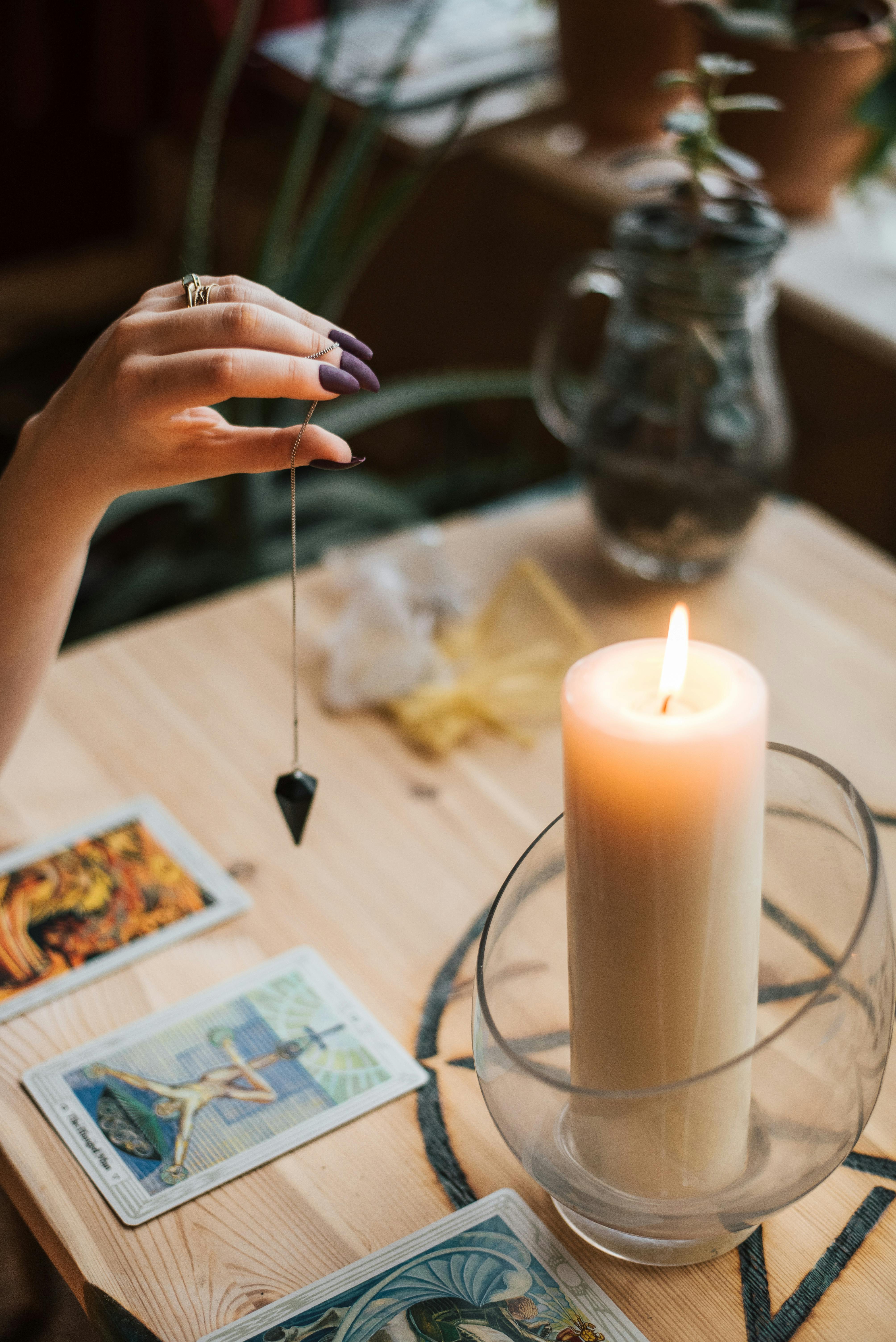
This image is property of images.pexels.com.
Appreciating Artistic Style
Different art styles
Tarot decks come in a wide variety of art styles, each with its own beauty and charm. Some decks feature intricate and highly detailed illustrations, while others showcase abstract and minimalist designs. There are decks with dreamlike watercolors, vibrant digital artwork, and even decks inspired by specific artistic movements such as Art Nouveau or Surrealism. Explore different art styles to find the ones that captivate and resonate with you on a visual level.
Personal preferences
Appreciating artistic style in tarot decks is highly subjective. Consider your personal preferences and what visually appeals to you. Some individuals may prefer decks with softer, pastel colors and gentle imagery, while others may gravitate towards bold, vibrant illustrations. Take the time to explore different decks online or visit a local metaphysical store to physically experience the artwork and see which styles evoke emotions and draw you in.
Finding visually appealing decks
When searching for visually appealing tarot decks, look beyond the mainstream and explore independent artists and smaller publishing houses. These decks often offer unique and niche artistic styles that may speak directly to your tastes. Online communities and social media platforms dedicated to tarot can be great resources for discovering lesser-known decks and artists. Don’t be afraid to step outside of the mainstream and embrace the beauty of tarot artistry in its many forms.
Considering Deck Size and Portability
Standard size decks
Standard size tarot decks are the most common and widely available. These decks typically measure around 2.75 x 4.75 inches and are easy to handle. They fit comfortably in the hands and can be shuffled with ease, making them practical for both beginners and experienced readers. Standard size decks are also a popular choice for collectors due to their versatility and compatibility with various tarot accessories, such as decorative pouches or cloth spreads.
Large or oversized decks
Larger or oversized tarot decks offer a different experience and visual impact. These decks often have dimensions exceeding the standard size, allowing for greater detail in the artwork and symbolism. They can be visually stunning, showcasing intricate designs that captivate the eye. However, it’s important to consider your personal comfort and portability requirements before choosing a larger deck. They may be harder to handle and may not fit in smaller tarot bags or pouches.
Miniature or pocket-sized decks
If you are frequently on the go or prefer a more discreet option, consider miniature or pocket-sized tarot decks. These decks are typically smaller than standard decks, usually measuring around 2 x 3 inches or smaller. While the smaller size may sacrifice some of the details in the artwork, these decks are convenient for carrying in a purse, pocket, or travel bag. Miniature decks are also popular for quick daily draws or as a portable backup deck for larger collections.
Choosing based on your lifestyle
When selecting a tarot deck based on size and portability, consider your lifestyle and how you plan to use the deck. If you primarily read at home or in a dedicated space, the size may not be as important. However, if you want to bring your deck with you on the go or incorporate tarot into your daily activities, a smaller or more portable deck may be a better fit. Consider your preferences and needs to find a deck size that aligns with your unique circumstances.
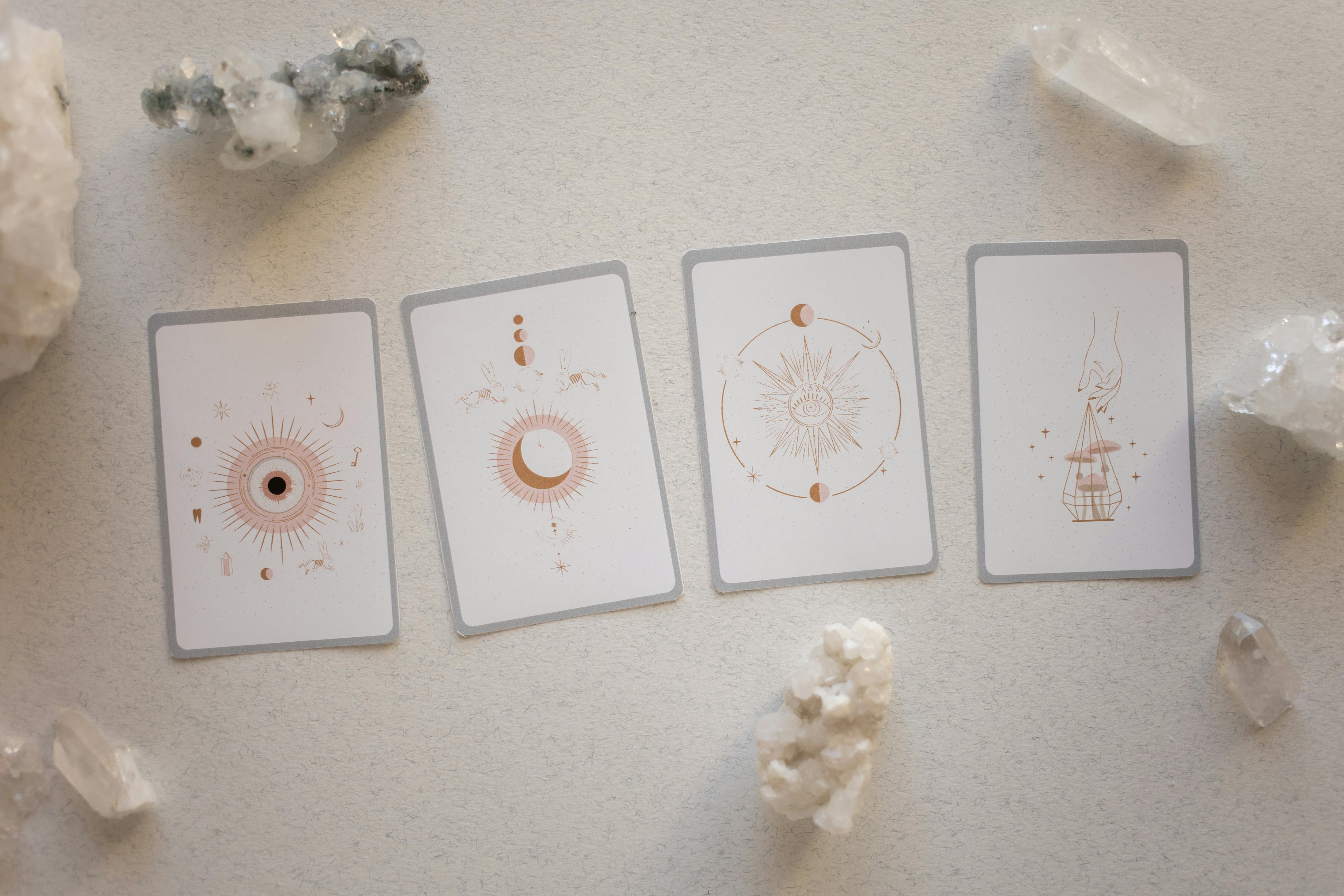
This image is property of images.pexels.com.
Exploring Thematic Focus
Mythology and folklore
Tarot decks with a mythological or folklore theme draw inspiration from various cultures and legends. These decks often feature gods, goddesses, mythical creatures, or folklore characters as the main images on the cards. Choosing a deck with a mythological theme can deepen your connection to ancient wisdom and archetypal energies. It allows you to explore the stories and symbolism associated with different mythologies, such as Greek, Celtic, or Norse mythology.
Angels and spirituality
Tarot decks with an angelic or spiritual theme focus on higher realms and divine guidance. These decks often feature angels, celestial beings, or spiritual symbols on the cards. Choosing a deck with an angelic or spiritual theme can help you connect with your higher self, explore your spiritual journey, and seek wisdom from angelic energies. If you resonate with spiritual teachings or have a strong connection to the angelic realm, consider a deck that reflects these themes.
Nature and animals
Decks centered around the themes of nature and animals bring the beauty and wisdom of the natural world into your tarot readings. These decks often feature flora, fauna, and wildlife as the main motifs on the cards. Choosing a deck that celebrates nature can deepen your connection to the earth, its cycles, and the animal kingdom. It can inspire a sense of harmony and interconnectedness with all living beings.
Modern and pop culture themes
For those who enjoy a contemporary twist, tarot decks with modern or pop culture themes offer a fresh interpretation of the cards. These decks incorporate elements from popular culture, such as television shows, movies, video games, or music. Choosing a modern or pop culture-themed deck allows you to explore the archetypal energies through a lens that resonates with current times. It can be a fun and relatable way to connect with the tarot.
Choosing a theme that resonates with you
When selecting a tarot deck based on theme, choose one that resonates with your interests, beliefs, and personal journey. Consider the themes that evoke a sense of curiosity, inspiration, or a feeling of alignment with your own experiences. Exploring different themes can bring a fresh perspective to your readings and may reveal new layers of meaning in the cards. Allow your intuition to guide you towards a deck that resonates deeply with your unique path.
Researching Deck Creators
Understanding the artist’s vision
Every tarot deck has an artist behind it, whose vision and creativity breathe life into the cards. Take the time to understand the artist’s vision and explore their artwork beyond the context of the tarot deck. Research their artistic style, other projects they have worked on, and any interviews or statements they have shared about their creative process. Understanding the artist’s vision can give you a deeper appreciation for the deck and a better understanding of its intended purpose.
Researching the creator’s background
As you research a tarot deck, delve into the background of its creator. Look for information about their experience, expertise, and spiritual or cultural influences. Some creators may have a background in a specific spiritual tradition, cultural heritage, or metaphysical practices, which can significantly impact the deck’s interpretations and symbolism. Learning about the creator’s background adds valuable context and depth to your understanding of the deck.
Supporting diverse and inclusive creators
When researching tarot deck creators, consider supporting diverse and inclusive voices. Tarot is a powerful tool for self-reflection and guidance, and by supporting creators from different backgrounds, you can experience a broader range of interpretations and perspectives. Seek out creators who honor and respect various cultures, identities, and spiritual beliefs. Supporting diverse and inclusive creators contributes to a more inclusive tarot community and promotes an appreciation for different worldviews.
Considering Price and Budget
Determining your budget
Before diving into the world of tarot decks, determine your budget. Tarot decks can vary greatly in price, from affordable options to more expensive collector’s editions. Consider how much you are willing to invest in a deck and set a budget that aligns with your financial resources. Remember, the true value of a tarot deck lies in the connection and meaningful experiences you have with it, regardless of its price tag.
Comparing different price ranges
As you explore different tarot decks, compare their prices and assess what each deck offers in relation to its cost. Consider factors such as the quality of the cardstock, the level of artistry and detail, the inclusion of guidebooks or additional resources, and any special features or limited editions. While price can indicate certain aspects of a deck’s quality, it does not necessarily equate to a better reading experience. Find a balance between your budget and the attributes that are most important to you.
Considering additional costs like guidebooks
Some tarot decks come with accompanying guidebooks that provide further insights into the meanings and interpretations of the cards. While these guidebooks can be helpful, they may also add to the overall cost of the deck. Consider whether you prefer to have a guidebook to accompany your deck or if you feel confident in exploring the cards through your own intuitive interpretation. Guidebooks can provide structure and guidance, but they are not essential for a meaningful tarot practice.
Exploring affordable options
If you’re on a tight budget or prefer not to spend a significant amount on a tarot deck, there are many affordable options available. Look for decks that offer a good balance between price and quality. Independent artists often create decks at affordable prices, and many smaller publishing houses offer budget-friendly options. Remember that the value of a tarot deck goes beyond its price – focus on finding a deck that speaks to you on a personal level, regardless of its cost.
Cleansing and Bonding with Your Deck
Clearing the deck’s energy
When you bring a new tarot deck into your life, it’s important to clear its energy and establish a fresh connection. There are many methods to cleanse a tarot deck, such as smudging with sage or palo santo, placing the cards under moonlight or sunlight, or using crystals such as clear quartz or selenite. Choose a method that resonates with you and follow your intuition to clear and reset the deck’s energy. This allows you to connect with the cards on a clean and blank canvas.
Shuffling and handling the cards
Shuffling and handling the cards is an essential part of building a bond with your tarot deck. Take the time to familiarize yourself with the cards by shuffling them regularly, practicing different shuffling techniques, and getting comfortable with the deck’s size and weight. As you become more accustomed to the physical aspect of handling the cards, you’ll establish a rhythm and flow that enhances your connection with the deck.
Creating a personal ritual
Developing a personal ritual around your tarot practice can deepen your bond with the deck and create a sacred space for your readings. This ritual can be as simple or elaborate as you choose. It may involve lighting candles, setting intentions, or incorporating specific crystals or symbols. Find a ritual that speaks to your unique spiritual practice and perform it before each tarot reading. This establishes a routine that signals to your subconscious mind that you are entering a focused and sacred state.
Establishing a connection with your deck
Building a strong connection with your tarot deck takes time and consistent practice. Spend regular dedicated moments with your deck, whether it’s shuffling the cards, meditating with them, or pulling daily draws. Observe the messages that emerge through your readings and reflect on their relevance to your life. As you develop a bond with your tarot deck, it will become a trusted tool for self-reflection, guidance, and personal growth.
By understanding the basics of tarot decks, considering key factors such as intuition and symbolism, exploring different artistic styles, and discovering tarot decks that resonate with your interests and beliefs, you can choose the right tarot deck that will support and enhance your tarot journey. Remember that the most important aspect of selecting a tarot deck is the connection and resonance you feel when working with the cards. Trust your intuition and choose a deck that feels like a true reflection of your inner self. Happy tarot exploration!