Have you ever wondered how spiritual practices differ among various religions? It is fascinating to explore the diverse ways in which different faiths encourage their followers to connect with the divine. From meditation and prayer to rituals and ceremonies, each religion has its distinctive methods of nurturing the spiritual self. In this article, we will take a closer look at the varying spiritual practices across religions, providing you with a deeper understanding of the rich tapestry of beliefs and customs practiced around the world. So, grab a cup of tea, sit back, and let’s embark on a journey of discovery together!
Prayer
Types of prayer in different religions
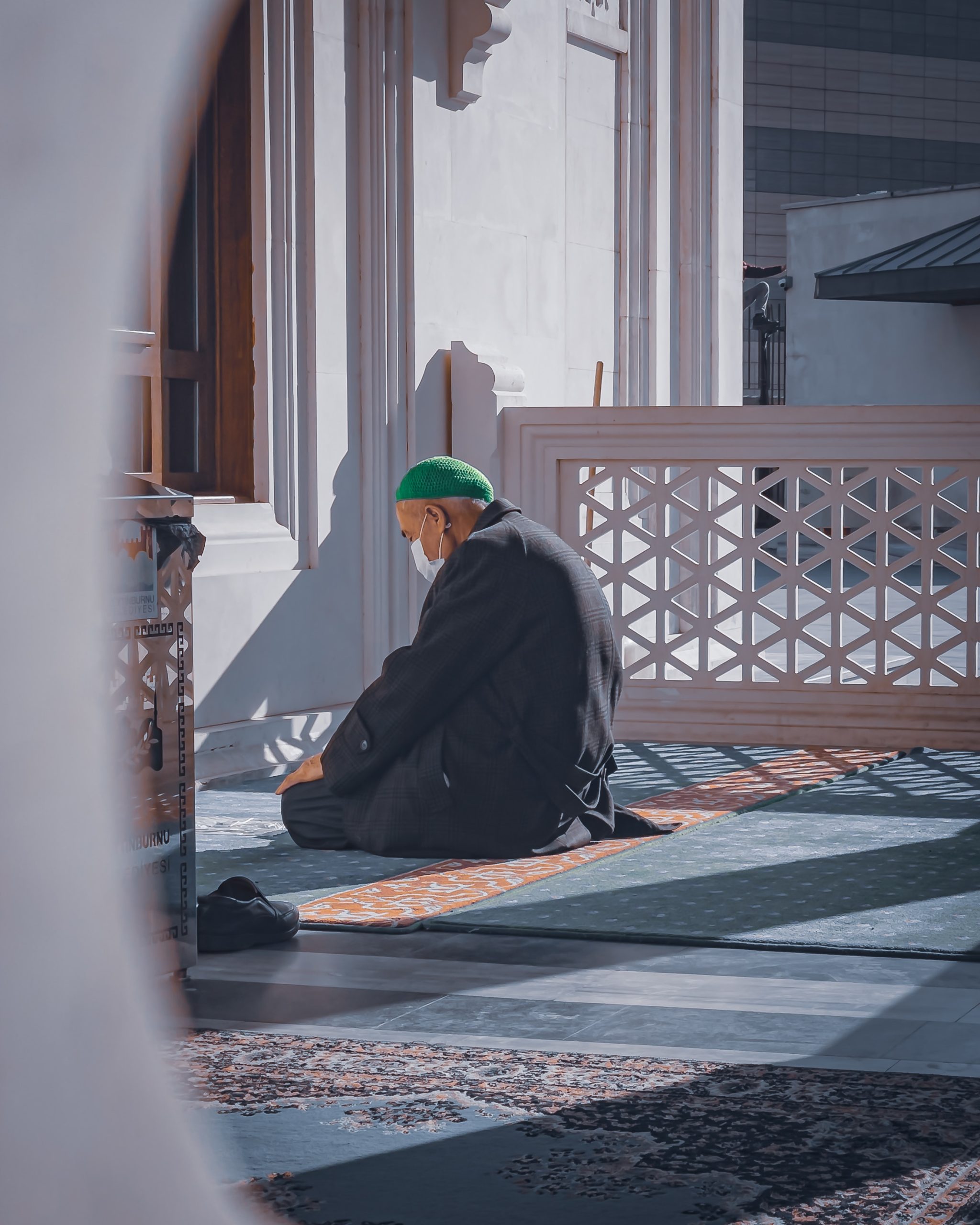
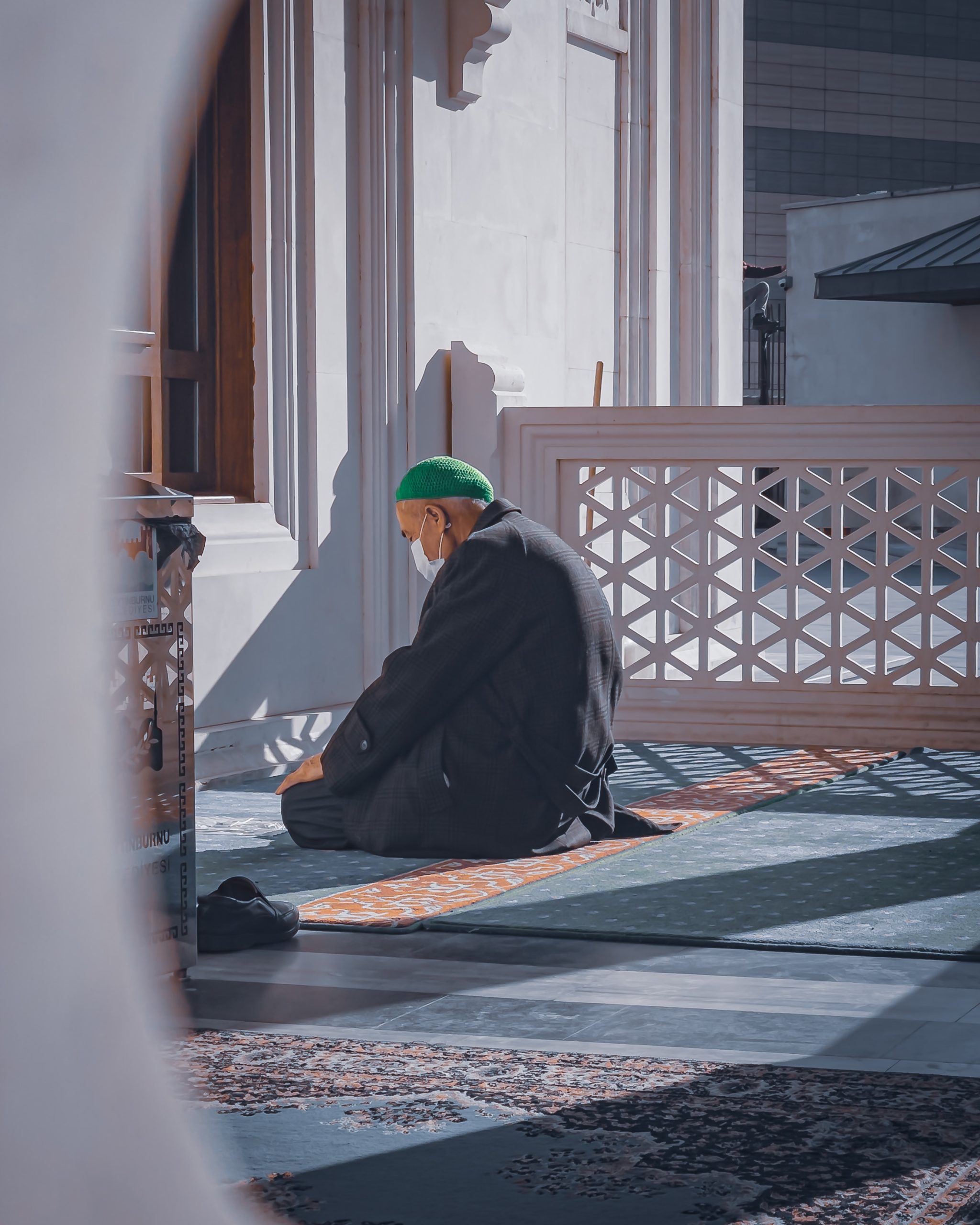
Prayer is a fundamental aspect of religious practice, and its forms and expressions vary across different religions. In Christianity, prayer is often seen as a means of communicating with God, whether through spoken or silent words. Muslims, on the other hand, engage in five daily prayers known as Salah, which are performed at specific times and involve specific movements. Hindus practice prayer known as puja, which involves offering rituals and devotional acts to deities. Buddhists engage in meditation and recite mantras as a form of prayer, focusing their minds and seeking spiritual enlightenment. These examples illustrate the diverse ways prayer is approached and valued across religious traditions.
Specific practices within prayer
Within each religion, there are specific practices and customs associated with prayer that further define the religious experience. For example, in Judaism, prayer involves reciting blessing and prayers from the Siddur (the Jewish prayer book), often in a community setting at synagogues. In Sikhism, followers participate in congregational prayer known as Gurdwara, where they recite verses from the Guru Granth Sahib, their sacred scripture, and engage in communal singing and meditation. These practices highlight the significance of communal prayer and the role it plays in fostering a sense of belonging and spiritual connection within a religious community.
Methods of communication with the divine
Different religions employ various methods to establish a connection with the divine during prayer. In some religious traditions, prayer involves formalized rituals that are designed to create a sacred atmosphere. These rituals may include lighting candles, burning incense, or offering specific objects. In other traditions, prayer is a personal and introspective experience that involves inner reflection, meditation, and quiet contemplation. Regardless of the specific method, prayer serves as a way for individuals to express their faith, seek guidance, and find solace in the presence of the divine.
Meditation
Diverse meditation techniques
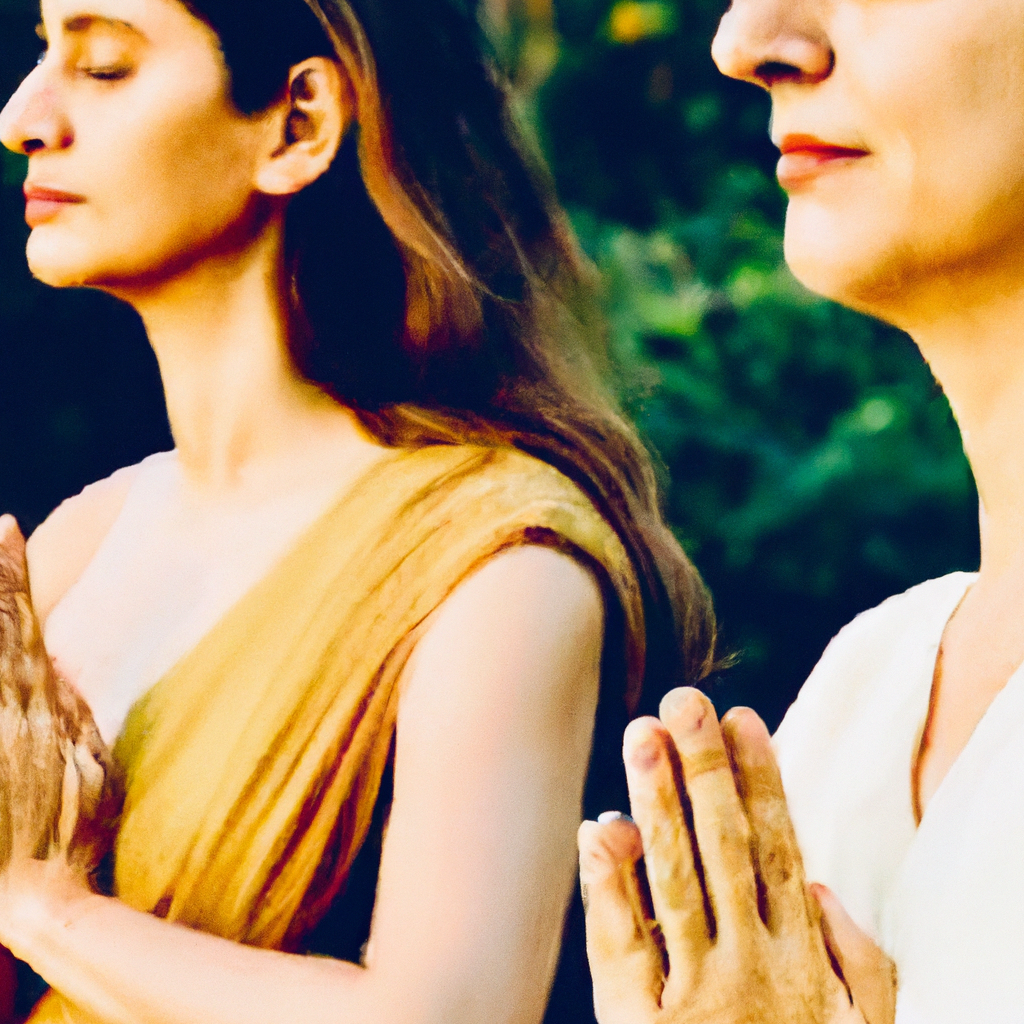
Meditation is a spiritual practice that is widely embraced by many religions and spiritual traditions. While the specific techniques and approaches to meditation may differ, the overarching goal is often similar – to achieve a state of mental clarity, inner peace, and spiritual growth. Buddhist meditation, for example, involves mindfulness and the development of insight through focused attention on the breath or specific objects. In Hinduism, meditation can take the form of Japa meditation, where practitioners repeat a mantra or a sacred word to attain a meditative state. These diverse meditation techniques emphasize the importance of stilling the mind and cultivating spiritual awareness.
Incorporation of meditation in various religious practices
Meditation is commonly integrated into religious practices to deepen one’s spiritual connection and foster a greater sense of self-awareness. In Christianity, contemplative prayer is a form of meditation that focuses on the presence of God within and seeks to develop a closer relationship with the divine. Similarly, Sufi Muslims engage in a form of meditation called Dhikr, which involves the repetition of holy phrases or names of God as a way to deepen their spiritual consciousness. The incorporation of meditation in religious practices allows individuals to cultivate a sense of inner peace and transcendence, ultimately leading to a deeper understanding of one’s faith and purpose.
Purposes and goals of meditation in different religions
The purposes and goals of meditation within religious contexts vary, reflecting the different spiritual philosophies and objectives of each faith tradition. While some religions view meditation as a means of attaining enlightenment or spiritual liberation, others see it as a way to enhance personal well-being, reduce stress, and foster mental clarity. For example, in Taoism, meditation is seen as a path to achieving harmony with nature, while in Islam, it is a means of drawing closer to Allah and seeking spiritual purification. The diverse purposes and goals of meditation highlight the multifaceted nature of spirituality and the various ways in which individuals seek connection and meaning in their religious practices.

This image is property of images.unsplash.com.
Rituals and Worship
Forms of worship in different religions
Worship is a central component of many religious traditions, and the forms it takes can vary greatly across different faiths. In Christianity, worship often includes communal gatherings for prayer, singing hymns, and listening to sermons. In Hinduism, worship involves elaborate rituals and ceremonies conducted in temples, where offerings and prayers are made to deities. Similarly, in Judaism, worship encompasses prayer, reading of the Torah, and the observance of festivals and holidays. These diverse forms of worship demonstrate the unique ways in which different religions cultivate a relationship with the divine and foster a sense of spiritual connection.
Important rituals and ceremonies
Rituals and ceremonies play a significant role in religious worship as they provide a structure through which individuals can express their beliefs and engage in spiritual practice. Baptism and the Eucharist are two important rituals in Christianity, symbolizing purification and communion with Jesus Christ, respectively. In Islam, the Hajj pilgrimage to Mecca is a major event, undertaken by millions of Muslims each year, as it represents unity, self-reflection, and spiritual renewal. Hindu rituals, such as Aarti and Yagna, are performed to honor deities and seek their blessings. These rituals and ceremonies offer a sense of continuity, tradition, and meaning within religious communities.
Symbolism and significance of religious rituals
Religious rituals are often deeply symbolic, representing profound spiritual concepts and teachings. For instance, the lighting of candles in many religious traditions symbolizes the presence of the divine and the dispersion of darkness. In Buddhism, the act of offering incense represents the purification of the mind and the cultivation of mindfulness. The use of water in various rituals across different religions symbolizes purification, renewal, and spiritual cleansing. These symbolic actions and gestures provide a visual and sensory representation of the deeper spiritual realities and serve as a powerful means of connecting with the divine.
Sacred Texts
Variety of sacred texts across religions
Religious traditions encompass a wide range of sacred texts, each holding its own importance and serving as a guide for spiritual practice. In Christianity, the Bible is regarded as the inspired word of God and contains teachings, stories, and guidance for believers. The Quran is the holy book of Islam, believed to be the literal word of Allah as revealed to the Prophet Muhammad. Hinduism has a vast collection of sacred texts, including the Vedas, Upanishads, and Bhagavad Gita, which offer insights into philosophical concepts, rituals, and moral teachings. The diversity of sacred texts reflects the multiplicity of religious traditions and the richness of spiritual wisdom.
Role and interpretation of scriptures
Sacred texts hold a central role in the religious life of believers. They serve as a source of moral guidance, theological teachings, and historical narratives. The interpretation of scriptures varies across religious traditions, with some adhering to literal interpretations and others emphasizing allegorical or metaphorical understandings. Interpretation often relies on the guidance of religious leaders, scholars, and the accumulated wisdom of the community. The scriptures are seen as a means through which believers can deepen their understanding of their faith, find answers to life’s questions, and draw inspiration for their spiritual journey.
Importance of scripture study and its implementation
The study of sacred texts is highly valued in many religious traditions as it allows individuals to delve deeper into the teachings and wisdom of their faith. In Judaism, the study of the Torah is considered a sacred duty, and rigorous engagement with its texts is encouraged. Similarly, in Sikhism, the study of the Guru Granth Sahib is essential for understanding and living in accordance with the teachings of the Gurus. By studying sacred texts, believers gain spiritual knowledge, develop a stronger connection to their faith, and apply the teachings to their daily lives. The implementation of scriptures fosters personal growth, ethical conduct, and a sense of moral responsibility within religious communities.
This image is property of images.unsplash.com.
Fasting and Abstinence
Religious fasting traditions
Fasting is a spiritual practice observed in various religions, serving as a means of self-discipline, purification, and spiritual reflection. In Islam, Muslims observe the month of Ramadan, during which they abstain from food, drink, smoking, and other physical needs from sunrise to sunset. Christians observe the period of Lent, where they voluntarily give up certain foods or habits as a form of repentance and preparation for Easter. In Buddhism, fasting is often part of monastic discipline, where monks and nuns restrict their intake of food to specific times of the day. These fasting traditions reflect a shared commitment to self-control and spiritual devotion.
Reasons and durations of fasting
The reasons for fasting are diverse and often tied to the specific beliefs and practices of a religious tradition. Fasting may be undertaken as an act of penance, purification, or seeking spiritual enlightenment. In addition, fasting may be associated with specific religious events, such as honoring a particular deity or commemorating significant historical events. The duration of fasting varies as well, ranging from day-long fasts to more extended periods, such as Ramadan, which lasts for a month. Fasting offers believers a time of introspection, heightened spirituality, and a reminder of the value of self-control and moderation in their lives.
Practices of abstinence in different religions
Abstinence, similar to fasting, involves refraining from specific actions, behaviors, or indulgences for religious purposes. For example, in Hinduism, followers practice abstinence from certain foods, such as meat or alcohol, as part of their adherence to Ahimsa (non-violence) and purity. Similarly, in Buddhism, monks and nuns uphold the precepts of abstinence, which include refraining from killing, stealing, sexual misconduct, lying, and the use of intoxicants. Abstinence serves as a pathway towards spiritual discipline, self-control, and aligning one’s actions with the ethical teachings of a particular religious tradition.
Pilgrimage
Holy destinations and pilgrimage sites
Pilgrimage holds a special place in many religious traditions as a physical journey to sacred sites imbued with spiritual significance. In Islam, Muslims are expected to undertake the Hajj pilgrimage to Mecca at least once in their lifetime, visiting the Kaaba and other holy sites associated with the Prophet Muhammad. Hinduism features a multitude of sacred pilgrimage sites, including the Ganges River, Varanasi, and the temples of Rishikesh. Christians undertake pilgrimages to places like Bethlehem, where Jesus was born, or Jerusalem, where significant events of Jesus’ life occurred. These sacred destinations provide a tangible and transformative experience for pilgrims, deepening their connection to their faith and fostering spiritual growth.
Rituals and activities performed during pilgrimage
Pilgrimage involves a range of rituals, activities, and acts of devotion that pilgrims undertake when visiting holy sites. In Islam, pilgrims perform various rituals during the Hajj pilgrimage, including circumambulating the Kaaba, standing on the Plain of Arafat, and throwing pebbles at the pillars of Jamarat. Hindu pilgrims engage in ritual bathing in the Ganges River, known as the Ganga Aarti, and offer prayers and offerings in temples. Christian pilgrims may pray at specific shrines, participate in processions, and seek spiritual guidance from religious leaders. These rituals and activities serve to deepen the spiritual experience and create a sense of unity with fellow pilgrims and the divine.
Spiritual significance and benefits of undertaking a pilgrimage
Undertaking a pilgrimage is seen as a transformative and spiritually enriching experience, offering believers the opportunity to detach from worldly concerns and focus on their spiritual selves. Pilgrimage provides a sense of purpose, devotion, and deepens one’s understanding and connection to their faith. It allows pilgrims to experience a collective journey with fellow believers, fostering a sense of community, solidarity, and shared devotion. The physical and spiritual journey of pilgrimage is believed to bring about purification, forgiveness, and a more profound connection with the divine, ultimately leading to personal transformation and spiritual growth.
This image is property of images.unsplash.com.
Chanting and Devotional Singing
Chanting practices in various religions
Chanting and devotional singing are prevalent practices in many religious traditions, representing a form of worship and spiritual expression. In Buddhism, the recitation of mantras, such as “Om Mani Padme Hum,” holds deep significance, with each syllable representing different aspects of enlightenment. Devotional hymns and chants are central to Christianity, with congregations singing hymns to express praise, gratitude, and devotion to God. In Sikhism, followers engage in devotional singing known as Kirtan, where verses from the Guru Granth Sahib are sung to experience a union with the divine. Chanting and devotional singing create a melodic and harmonious atmosphere that fosters spiritual connection and upliftment.
Importance of devotional singing
Devotional singing serves as a powerful means of expressing love, devotion, and gratitude towards the divine. It offers individuals a way to connect with the transcendent realm and experience a sense of spiritual unity. The act of singing and chanting sacred verses or hymns allows one to focus their thoughts, center their minds, and tap into a deeper level of consciousness. Devotional singing is often practiced in a group setting, reinforcing a sense of communal worship and fostering a collective spiritual experience. Through song, believers can find solace, inspiration, and a heightened sense of reverence for the divine presence.
Chants, hymns, and mantras with religious significance
Religions incorporate specific chants, hymns, and mantras that hold significant religious and spiritual meaning. In Islam, the call to prayer, known as the Adhan, is recited in a melodious manner and reminds Muslims of their sacred duties and the presence of Allah. The Hindu chant of “Om” is considered a primordial sound and is embraced as a powerful mantra that represents the eternal and infinite nature of the divine. Christian hymns, such as “Amazing Grace” or “Ave Maria,” capture the essence of Christian teachings, express devotion, and inspire a deeper connection with God. These chants, hymns, and mantras encapsulate the essence of religious teachings and serve as vehicles for spiritual contemplation, devotion, and transcendence.
Community Gatherings
Religious festivals and celebrations
Religious festivals and celebrations are vital components of religious life, serving as occasions for communal gatherings, worship, and the expression of faith. In Hinduism, Diwali, also known as the Festival of Lights, commemorates the victory of light over darkness and is marked by the lighting of Diyas, colorful decorations, and firework displays. Christmas is a significant Christian festival celebrating the birth of Jesus Christ, with believers coming together for midnight mass, exchanging gifts, and spreading joy and goodwill. These festivals provide an opportunity for believers to come together as a community, celebrate their shared traditions, and reinforce the values and teachings of their respective religious traditions.
Public worship and communal gatherings
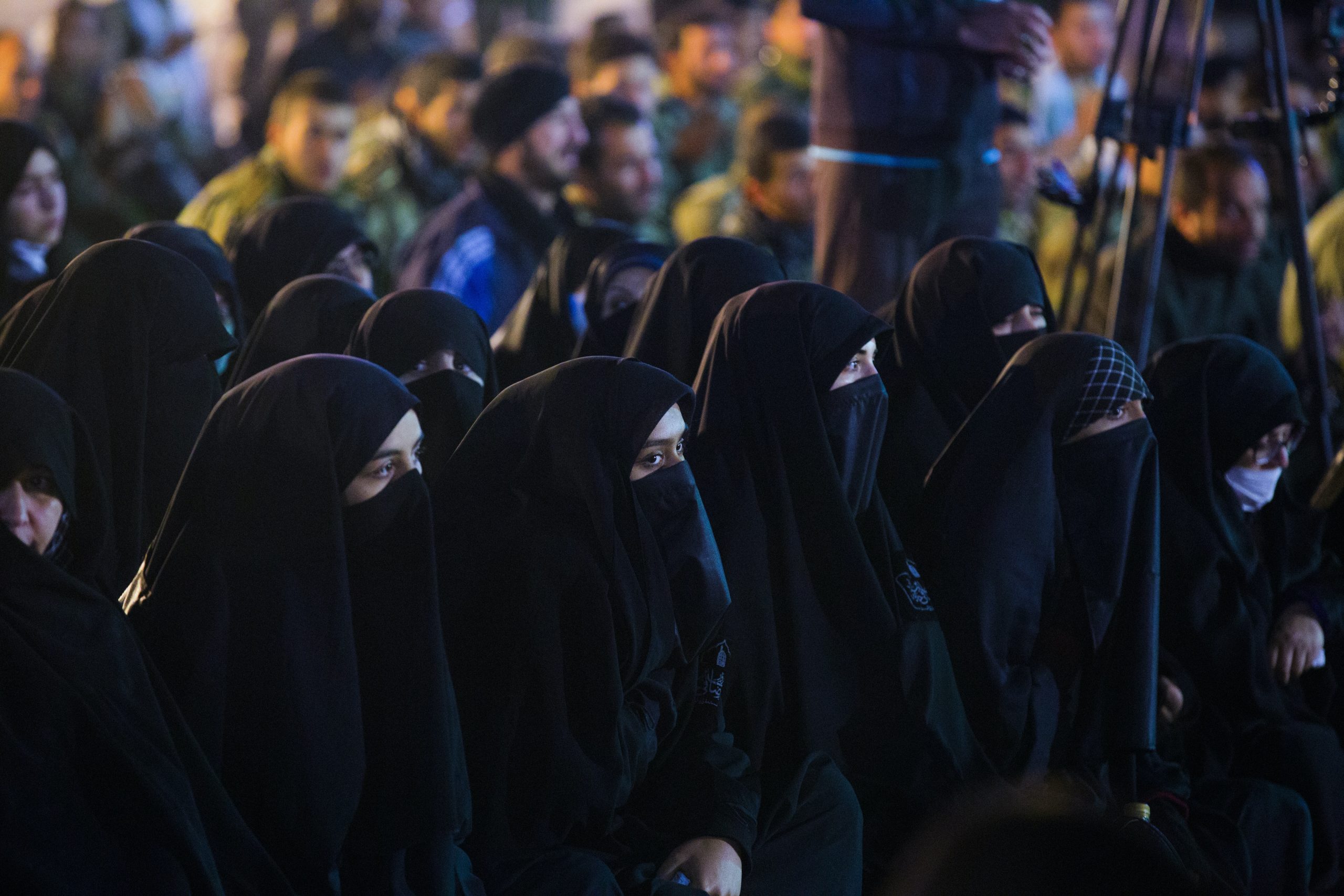
Public worship and communal gatherings hold an essential place in various religious traditions as they promote a sense of belonging, fellowship, and shared worship. In Islam, Friday prayers (Jumma) are held in mosques, bringing Muslims together for congregational prayers, sermons, and the strengthening of community ties. The Sikh tradition of Langar involves the communal preparation and sharing of a free meal, which serves as a way to break down social barriers, promote equality, and foster a sense of unity among believers. These gatherings encourage participation, engagement, and a collective sense of spirituality that is nurtured through shared worship and communal rituals.
Role of community in spiritual practices
The community plays a significant role in spiritual practices, offering support, guidance, and a sense of collective purpose. Religious communities provide opportunities for growth, education, and the deepening of spiritual experience. They serve as a source of strength during challenging times, provide a network of like-minded individuals who can inspire and motivate one another, and offer a space for individuals to express their spirituality openly and without judgment. Additionally, the community fosters accountability and encourages adherence to shared moral and ethical values, leading to personal and communal spiritual development.

Sacrifice and Offering
Diverse forms of sacrifice and offering
Sacrifice and offering are prevalent practices in many religious traditions, embodying a willingness to give up something of value as an act of devotion or worship. In Judaism, the offering of animals on the altar (Korbanot) was historically practiced as a means of atonement and demonstrating dedication to God. In Hinduism, devotees often make offerings of flowers, fruits, or incense in temples to honor deities and seek divine blessings. Sacrifices in Christianity are more symbolic, involving acts of selflessness and service to others. These diverse forms of sacrifice and offering symbolize personal commitment, gratitude, and the acknowledgment of the divine presence within religious practice.
Spiritual symbolism and intentions behind sacrifices
Sacrifices and offerings hold deep spiritual symbolism and intentions, transcending the mere act of material giving. Sacrifices often serve as a means of surrendering personal desires and demonstrating devotion to a higher power. The act of giving up something of value symbolizes one’s commitment and willingness to prioritize the spiritual over the material. Symbolically, sacrifices represent a transformative act, where one offers a part of oneself as an act of selflessness and dedication to the divine. Whether through the offering of prayers, objects, or actions, sacrifice reflects a desire to establish a deeper connection with the sacred and align oneself with the principles and values of one’s faith.
Types of offerings in different religious contexts
Offerings within religious contexts take various forms, depending on the beliefs and practices of a particular tradition. Material offerings, such as food, flowers, or candles, are common in many religions as tangible expressions of reverence, gratitude, and devotion. Additionally, offerings may include acts of service and charity, such as helping the less fortunate or engaging in community projects. In some traditions, acts of self-discipline and renunciation, such as fasting, are seen as offerings to the divine. These offerings, be they material or non-material, aim to promote humility, generosity, and a deeper connection between the individual and the divine.
Contemplation and Reflection
Importance of self-reflection in spiritual growth
Self-reflection is a vital aspect of spiritual growth, as it allows individuals to examine their thoughts, actions, and beliefs in relation to their spiritual journey. By engaging in introspection and self-awareness, individuals can identify areas for improvement, challenge limiting beliefs, and deepen their understanding of their faith. Self-reflection provides an opportunity to review values, align actions with spiritual principles, and foster personal growth and transformation. It helps believers develop a deeper connection with the divine and cultivate a stronger sense of purpose, meaning, and authenticity in their religious practices.
Contemplative practices and techniques
Contemplative practices encompass a wide range of techniques and methods that facilitate self-reflection and spiritual growth. Meditation, as previously discussed, is a major contemplative practice that encourages individuals to quiet the mind and cultivate a heightened state of consciousness. Journaling, prayer, and silent retreats are other contemplative practices that offer dedicated time and space for introspection and deep reflection. Additionally, engaging in activities such as nature walks, artistic expression, or engaging with sacred texts can serve as contemplative practices, fostering contemplation, and connection with the divine.
Meditative methods of gaining self-awareness and understanding
Meditation serves as a powerful method for gaining self-awareness and understanding, enabling individuals to explore their inner landscape and delve into the depths of their consciousness. Through meditation, individuals can observe their thoughts, emotions, and sensations without judgment or attachment, gaining insight into the nature of their minds and identifying patterns of thinking or behavior that may hinder spiritual growth. Mindfulness techniques, such as focusing on the breath or practicing present moment awareness, cultivate a state of heightened attentiveness to the present and enable individuals to recognize and let go of distractions or negative thought patterns. By gaining self-awareness, individuals can explore their spiritual essence and develop a greater understanding of their relationship with the divine.
In conclusion, spiritual practices exhibit a remarkable diversity across religions. From prayer and meditation to rituals and worship, each religious tradition embraces unique ways of connecting with the divine. These practices encompass values such as devotion, self-discipline, community, and self-reflection, offering believers a pathway to pursue spiritual growth, cultivate inner peace, and find meaning and purpose in their lives. Through the exploration and understanding of these varied spiritual practices, individuals can deepen their appreciation for the rich tapestry of human spirituality. Whether it be through prayer, meditation, pilgrimage, or sacrifice, these practices serve as catalysts for spiritual transformation, connection, and the unification of diverse religious communities.