Imagine standing on a mountaintop, the air crisp and clean as you gaze out at the breathtaking landscape spread out before you. The beauty of nature can have a profound impact on our lives, evoking a sense of awe and wonder that transcends the physical world. It is in these moments, surrounded by the serene majesty of the natural world, that our spiritual beliefs are often shaped and deepened. Nature has an uncanny ability to connect us to something greater than ourselves, sparking a sense of spirituality that can guide our understanding of the universe and our place within it. In this article, we will explore the fascinating ways in which nature influences our spiritual beliefs, unlocking the hidden wonders that lie within the natural world.
This image is property of images.pexels.com.
The Connection between Nature and Spirituality
Nature and spirituality have long been intertwined, with many individuals finding a deep sense of connection and meaning in the natural world. Across cultures and religions, there is a widespread belief in a higher power that created and governs the universe. This belief forms the foundation of spirituality, and nature often plays a significant role in this belief system.
The belief in a higher power
At the heart of most spiritual beliefs is the acknowledgment of a higher power. This power is often seen as a divine being or force that is responsible for the creation and order of the universe. Many people find solace and guidance in their relationship with this higher power, and nature serves as a powerful reminder of its existence. The beauty and complexity of the natural world can inspire awe and wonder, reinforcing the belief that there is something greater than ourselves at work.
The role of nature in religious texts
Religious texts from various traditions frequently incorporate nature as a means of conveying spiritual messages. For example, in Christianity, the Bible frequently references the wonders of creation, with passages describing the beauty of the natural world and the ways in which it reflects the glory of God. Similarly, in Islam, the Quran emphasizes the signs of Allah in the natural world, encouraging believers to reflect on the intricate design and purpose in nature.
Nature as a Source of Wonder and Awe
Nature possesses a remarkable ability to elicit feelings of transcendence, awe, and wonder in individuals. When immersed in natural environments, one can experience a profound sense of connection to something larger than themselves, a feeling that taps into the core of their spiritual beliefs.
Experiencing transcendence in nature
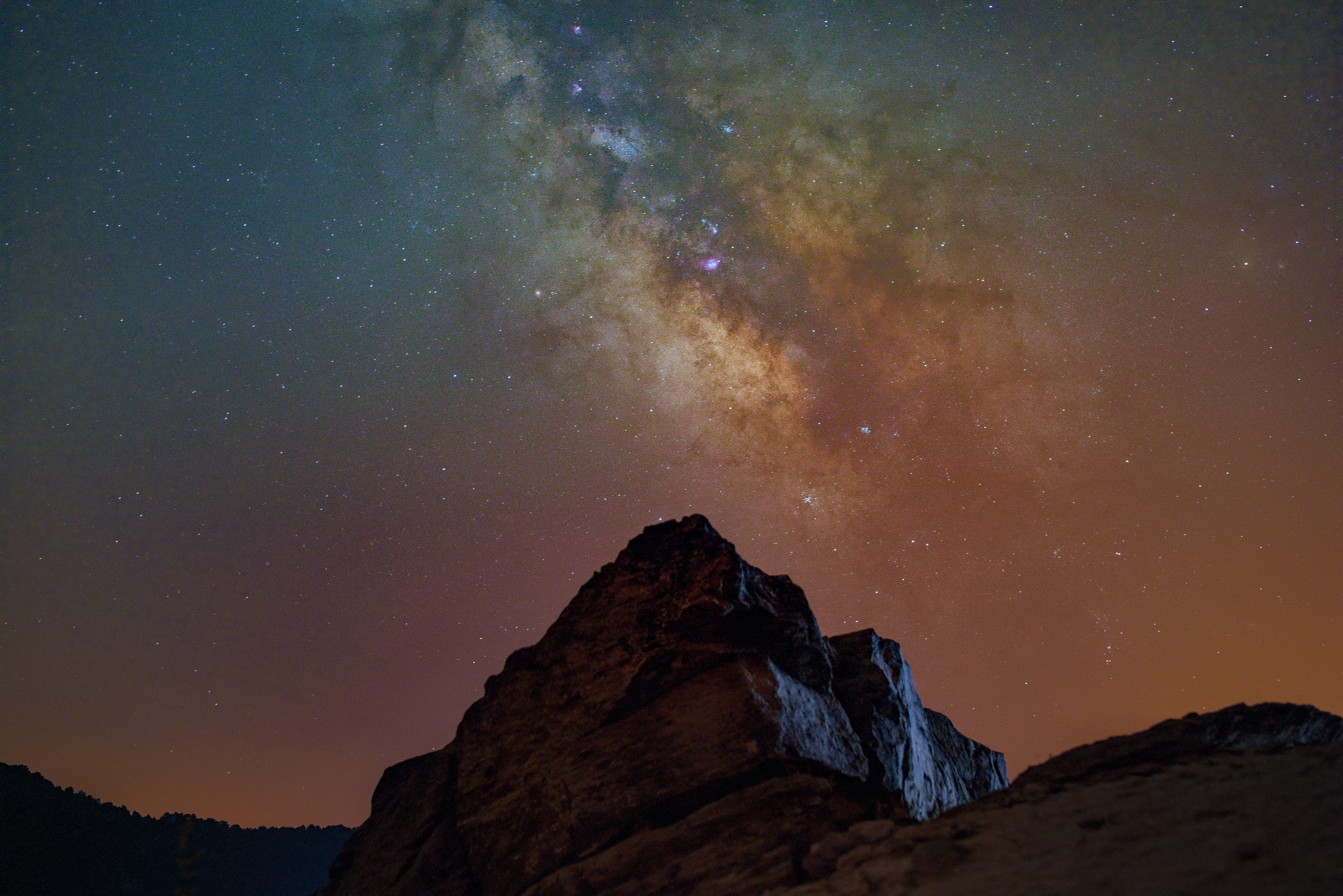
Nature has a unique ability to transcend the confines of our everyday lives and transport us into a state of awe. Whether it be witnessing a breathtaking sunset, gazing up at a star-filled sky, or standing in awe of a majestic mountain range, these experiences can evoke a sense of transcendence. In such moments, individuals may feel a heightened connection to the divine, experiencing a sense of unity and interconnectedness with all of creation.
Nature’s capacity to inspire spiritual beliefs
Nature’s beauty and grandeur have the power to inspire and shape spiritual beliefs. Many people find themselves drawn to specific landscapes or natural elements, such as mountains, forests, or bodies of water, imbuing these places with a spiritual significance. They may view these settings as sacred spaces, where they can connect with the divine and experience a sense of peace and harmony. This deep-rooted connection to nature can strengthen one’s spiritual beliefs and foster a greater appreciation for the natural world.
The Healing Power of Nature
In addition to its ability to inspire spiritual beliefs, nature also serves as a source of healing for many individuals. Immersion in natural environments can have profound therapeutic effects, offering solace, peace, and a sense of renewal.
Nature as a source of peace and solace
Nature has the capacity to provide a respite from the stresses and pressures of daily life. For many, a walk through a peaceful forest, the sound of waves crashing on a beach, or the sight of a vibrant garden can bring a sense of calm and tranquility. The sights, sounds, and smells of nature can quiet the mind, allowing individuals to find inner peace and solace.
The therapeutic effects of interacting with nature
Studies have shown that spending time in nature can have numerous positive effects on mental and physical well-being. Nature walks and exposure to natural environments have been found to reduce stress, anxiety, and depression, while also increasing feelings of vitality and well-being. Moreover, engaging in activities such as gardening or outdoor meditation can enhance cognitive function and contribute to overall psychological health. The healing power of nature is a testament to its profound impact on the human spirit.
Nature as an Expression of a Higher Power
Many spiritual traditions recognize the divine presence within the natural world itself. Nature is viewed as an expression of a higher power, a reflection of divine wisdom and creative energy.
Recognizing divinity in the natural world
For some individuals, nature represents a tangible manifestation of a higher power. Whether it be the intricate patterns found in a snowflake, the delicate petals of a flower, or the harmonious interplay of ecosystems, the natural world is seen as evidence of a divine intelligence at work. By recognizing divinity in nature, individuals can deepen their spiritual beliefs and develop a stronger connection to the world around them.
The concept of pantheism
Pantheism is a philosophical and spiritual belief that holds that the divine is not separate from the natural world but is, in fact, synonymous with it. In this worldview, nature itself is sacred, and the entire universe is viewed as a unified, interconnected web of existence. Pantheists find spiritual fulfillment by immersing themselves in nature, seeing the divine in every leaf, rock, and creature. This perspective highlights the inherent spirituality of nature and invites individuals to develop a profound reverence for the natural world.
This image is property of images.pexels.com.
Nature’s Symbolic Significance
Throughout history, humans have associated certain elements of nature with spiritual beliefs, using them as symbols to convey deeper meanings and insights.
Associating certain elements of nature with spiritual beliefs
Many cultures and spiritual traditions have assigned symbolic meanings to different aspects of nature. For example, water has often been associated with purification and cleansing rituals, while fire symbolizes transformation and renewal. The seasons are often used as metaphors for the cycles of life and death, and animals are frequently seen as symbols of wisdom, strength, or divine messengers. These symbolic associations allow individuals to connect with the spiritual realm and gain a deeper understanding of themselves and the world around them.
The symbolic representation of natural phenomena
Natural phenomena, such as storms, rainbows, and eclipses, have captivated human imagination and have been interpreted through a spiritual lens. These phenomena are often seen as symbolic representations of divine powers, carrying messages or lessons for those who are attuned to their significance. The interpretation of natural events as symbolic reinforces the connection between nature and spirituality, inviting individuals to engage with the mysteries of the natural world and explore its deeper meanings.
Cultural Influences on Nature and Spirituality
Culture plays a significant role in shaping our beliefs and perceptions of nature and spirituality. Different cultures have their own unique rituals, traditions, and sacred sites that reflect their spiritual connection to the natural world.
Sacred natural sites
Many cultures designate certain natural sites as sacred, believing them to be spiritually significant. These sites become focal points for worship, pilgrimage, and communal gatherings. For example, Native American tribes consider places like Devil’s Tower in Wyoming and Uluru in Australia to be sacred, imbued with spiritual energy and ancestral connections. These sacred natural sites are revered as places of power and are seen as a direct link between the earthly realm and the divine.
Nature-based rituals and ceremonies
Cultural traditions often incorporate nature-based rituals and ceremonies that honor and celebrate the natural world. These practices can range from offerings to the earth, sky, or water, to ceremonies marking the changing of seasons or agricultural cycles. Nature-based rituals provide individuals with a tangible way to express their spiritual beliefs and foster a sense of unity with the natural world. They serve as reminders of our interconnectedness with nature and the need to live in harmony with the environment.

This image is property of images.pexels.com.
Environmentalism and Spirituality
In recent years, there has been a growing recognition of the interconnections between environmentalism and spirituality. Many spiritual traditions emphasize the importance of stewardship and the responsibility to care for the Earth.
The belief in stewardship of the Earth
Numerous spiritual traditions promote the idea of stewardship – the belief that humans have a responsibility to care for and protect the natural world. This belief is rooted in the understanding that the Earth is a sacred gift, and it is our duty to preserve its beauty and resources for future generations. Many individuals with spiritual beliefs feel a deep sense of responsibility towards environmental conservation and see it as an integral part of their spiritual practice.
Finding spiritual connection through environmental activism
For some, environmental activism serves as a vehicle for expressing their spiritual beliefs and connecting with the divine. By engaging in activities such as conservation efforts, cleanups, or advocating for environmental policies, individuals experience a deep sense of purpose and alignment with their spiritual values. Environmental activism can become a spiritually transformative journey, allowing individuals to bridge the gap between their internal beliefs and external actions, fostering a greater sense of connection to both nature and their spiritual path.
The Impact of Nature on Personal Growth and Transformation
Nature has a profound impact on personal growth and transformation. Many individuals find that spending time in nature acts as a catalyst for self-reflection, introspection, and personal development.
Nature as a catalyst for self-reflection and introspection
The peace and solitude found in nature provide individuals with an environment conducive to self-reflection and introspection. Away from the distractions of everyday life, one can engage in deep contemplation and gain clarity on life’s challenges and purpose. Immersed in the beauty and tranquility of natural environments, individuals often find answers to their questions and discover new insights about themselves and their spiritual journey.
The transformative power of connecting with nature
Connecting with nature can be a transformative experience, leading to personal growth and a deeper understanding of oneself. Nature has a way of reminding individuals of their place in the world, offering perspectives that transcend the trivialities of daily life. By immersing oneself in the rhythms of nature, individuals can tap into a greater sense of meaning and purpose, fostering personal growth and spiritual development.
Different Cultural Perspectives on Nature and Spirituality
Across different cultures and traditions, there are unique perspectives on the relationship between nature and spirituality. Indigenous cultures and Eastern philosophies, in particular, offer distinct insights into this connection.
Indigenous perspectives on nature and spirituality
Indigenous cultures have a deep reverence for nature and view it as sacred. Many indigenous belief systems recognize the interconnectedness of all living beings and the need for harmonious coexistence. These perspectives emphasize the importance of reciprocity and respect for nature, acknowledging the inherent spiritual wisdom that can be gained from observing and listening to the natural world.
The influence of Eastern philosophies on spiritual beliefs
Eastern philosophies, such as Buddhism and Taoism, have long recognized the spiritual significance of nature. These traditions emphasize the concept of non-duality – the idea that there is no separation between humans and the natural world. Through practices such as meditation and mindfulness, individuals can cultivate a deep sense of connection with nature, recognizing themselves as an integral part of the cosmic order. Eastern philosophies encourage individuals to align their actions with the rhythms of nature, fostering a spiritual connection and a greater sense of inner peace.
The Potential Conflict between Nature and Organized Religion
While nature often serves as a source of inspiration and spiritual connection, there can also be conflicts between the values of organized religion and the preservation of the natural world.
Challenges in reconciling religious doctrine with nature
Some religious doctrines prioritize human dominion over the natural world, perceiving it as a resource to be exploited for human benefit. This mindset can lead to conflicts when it comes to environmental conservation and sustainability. The challenge lies in reconciling these conflicting values – finding a way to honor religious beliefs while also recognizing the importance of preserving and protecting the natural environment.
Controversies surrounding the exploitation of natural resources
The exploitation of natural resources often raises ethical concerns, creating controversies that stem from conflicting spiritual and environmental values. Examples include debates over deforestation, fossil fuel extraction, or the destruction of sacred natural sites for commercial purposes. Resolving these conflicts requires open dialogue and a willingness to find common ground between different perspectives, ultimately seeking solutions that respect both religious beliefs and the integrity of the natural world.
In conclusion, nature and spirituality share a profound and complex relationship. The wonders of the natural world inspire spiritual beliefs, offer solace and healing, and provide opportunities for personal growth and transformation. Cultural influences shape our connection to nature, and the interplay between environmentalism and spirituality highlights the importance of stewardship. Different cultural perspectives offer unique insights into the relationship between nature and spirituality, while potential conflicts between nature and organized religion underscore the need for dialogue and understanding. Ultimately, the connection between nature and spirituality continues to evolve and shape the way we perceive and interact with the world around us.