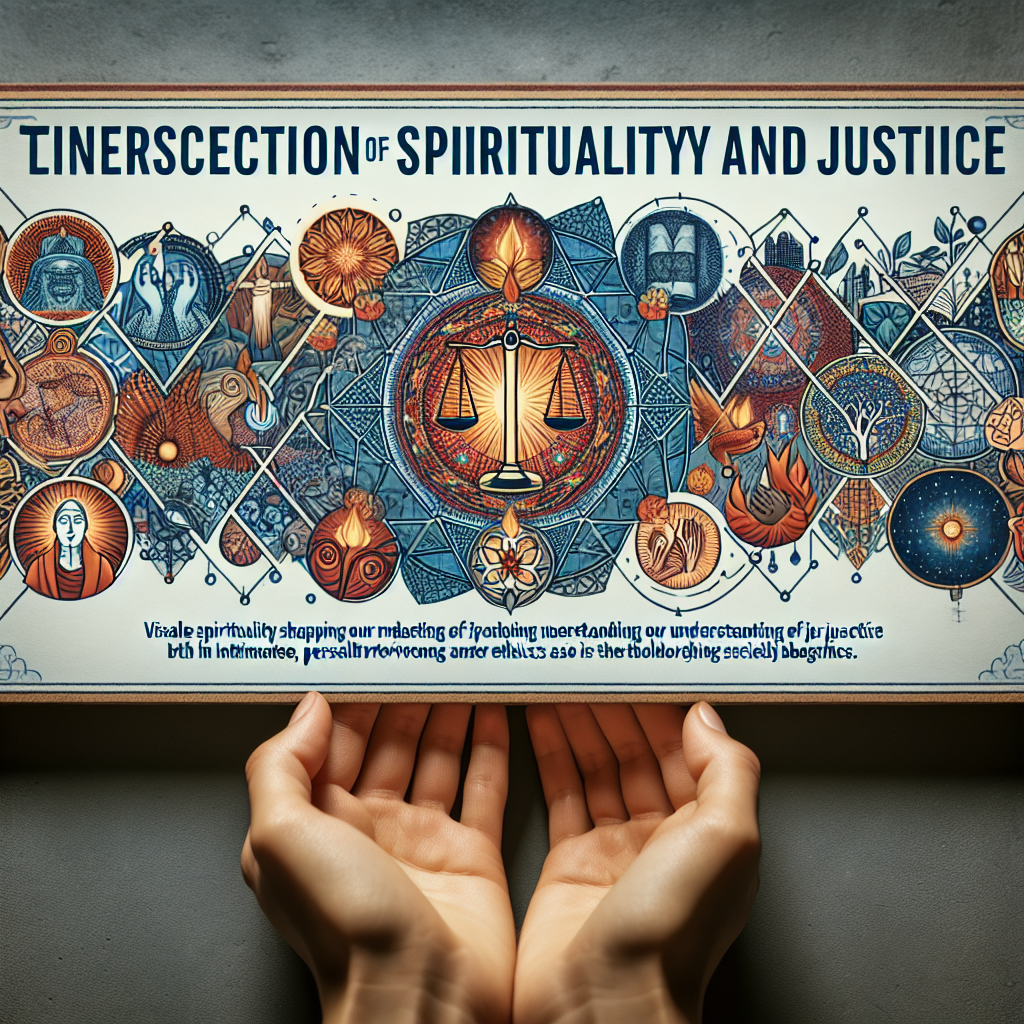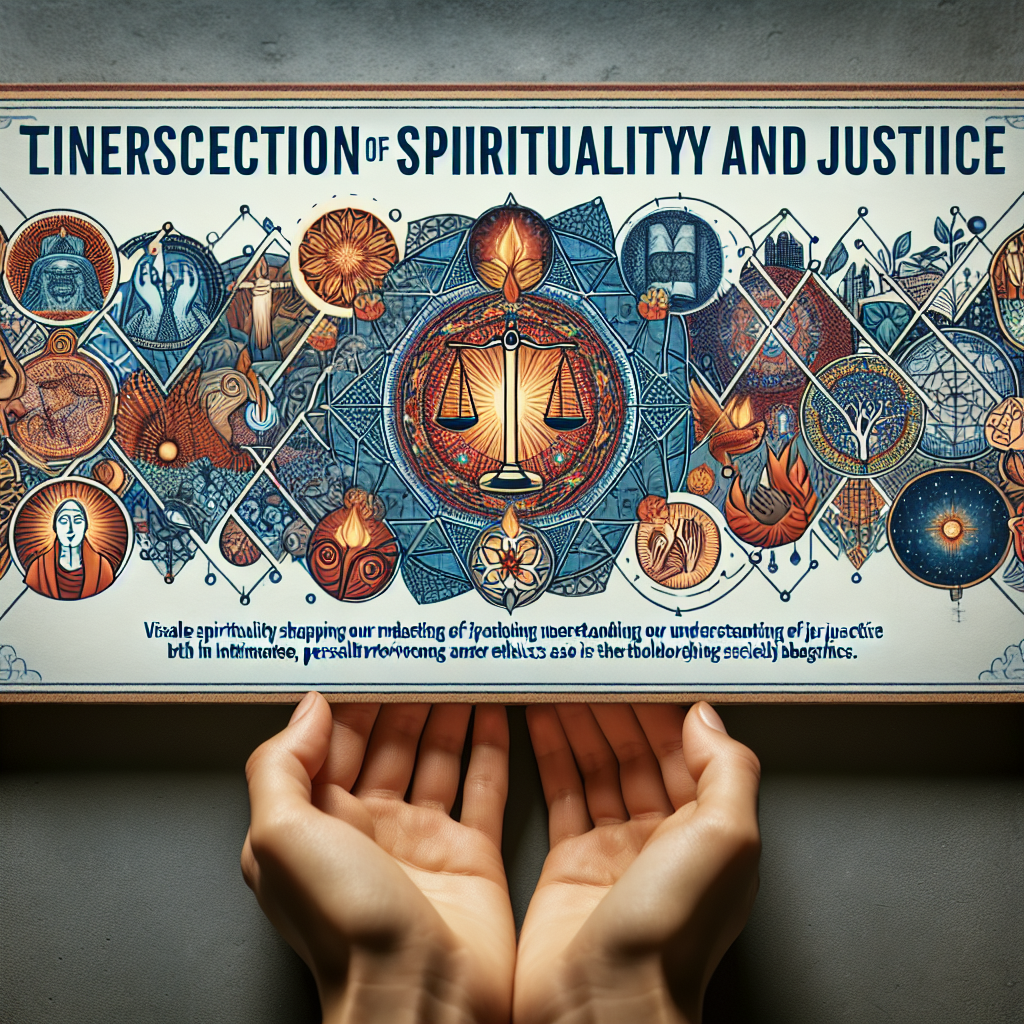
In exploring the intricate relationship between spirituality and justice, we embark on a profound journey that delves into the core values and beliefs that guide human existence. Spirituality offers a unique perspective on the concept of justice, emphasizing interconnectedness, compassion, and the pursuit of harmony. In this article, we will uncover the ways in which spirituality seeks to address and bring about justice in our lives and society as a whole. From examining the role of forgiveness and empathy to exploring the transformative power of love, we will navigate the intersection of spirituality and justice, ultimately leading us to a deeper understanding of our shared humanity.

This image is property of images.unsplash.com.
Understanding Spirituality
Spirituality is a deeply personal and subjective experience that encompasses a wide range of beliefs, practices, and traditions. While it can vary greatly from person to person, spirituality generally refers to an individual’s search for meaning, purpose, and connection to something greater than themselves. It encompasses an inward journey of self-discovery, as well as an exploration of the mysteries and wonders of the universe.
Definition of Spirituality
Spirituality is often difficult to define, as it encompasses a wide range of beliefs and practices. However, at its core, spirituality is about seeking a sense of wholeness, harmony, and connectedness in life. It involves exploring the deeper aspects of oneself and connecting with a higher power or divine presence. It can take various forms, including religious beliefs, meditation, mindfulness practices, and engagement with nature or art.
Role of Spirituality in People’s Lives
Spirituality plays a significant role in many people’s lives, offering guidance, comfort, and a sense of purpose. It provides a framework for understanding the world and our place in it. For some, spirituality serves as a source of solace during challenging times, offering hope and support. It can also provide a moral compass, guiding individuals in making ethical decisions and leading a more meaningful life.
Spirituality often involves seeking answers to fundamental questions such as the nature of existence, the meaning of suffering, and the purpose of life. It encourages personal growth and self-reflection, helping individuals develop a deeper understanding of themselves and their place in the world. Spirituality can also foster a sense of interconnectedness and empathy, promoting compassion and altruism towards others.
The Conceptualization of Justice in Spirituality
Definitions and Interpretations of Justice in Different Spiritual Traditions
Justice is an essential aspect of many spiritual traditions, although its interpretation may vary. In Christianity, for instance, justice is often equated with righteousness and fairness. It involves treating others with equity and ensuring that everyone receives their due. Islam, on the other hand, views justice as a fundamental moral principle, emphasizing social equality and protection of human rights.
Buddhism’s understanding of justice differs slightly, focusing on the principle of karma and the consequences of one’s actions. The concept of justice in indigenous spiritual traditions may center around maintaining harmony, balance, and respect for all living beings.
Importance of Justice in Spiritual Teachings
Justice holds great significance in spiritual teachings, as it aligns with the core values of compassion, fairness, and love for others. Spiritual traditions often emphasize the interconnectedness of all beings and the importance of treating others with dignity and respect. Justice is seen as a means to promote harmony, balance, and the well-being of both individuals and communities.
By embracing justice, individuals can cultivate a more ethical and righteous approach to life. Justice serves as a guiding principle for making choices and engaging with others in a way that promotes equality, fairness, and the common good. It encourages individuals to stand up for what is right and work towards creating a more just and equitable world.
Spiritual Principles and Ethics
The Connection Between Spirituality and Moral Values
Spirituality and moral values are deeply intertwined, as both involve the pursuit of higher ideals and ethical principles. Spirituality provides a foundation for moral reasoning and values, offering a framework for understanding right from wrong and guiding individuals in their choices and actions.
Through self-reflection and spiritual practices, individuals can develop a deeper sense of empathy, compassion, and integrity. Spirituality encourages individuals to align their actions with their values, promoting honesty, kindness, and justice. It serves as a moral compass, guiding individuals towards ethical behavior and promoting the well-being of oneself and others.
Teachings on Fairness and Equality in Spirituality
Many spiritual traditions emphasize the importance of fairness and equality in interpersonal relationships and social structures. Concepts such as compassion, love, and non-discrimination are often central to spiritual teachings.
Spirituality encourages individuals to transcend notions of societal divisions and treat all beings with equal respect and dignity. It promotes the idea that every individual deserves justice and fairness, regardless of their race, gender, religion, or socioeconomic status. By recognizing the inherent worth and equality of all human beings, spirituality fosters a commitment to social justice and the elimination of biases and discrimination.
Karma and Divine Justice
Understanding the Concept of Karma and Its Role in Spirituality
In many spiritual traditions, including Hinduism and Buddhism, the concept of karma plays a central role in understanding justice and moral responsibility. Karma refers to the law of cause and effect, where one’s actions have consequences that will affect their future experiences. It is believed that every action, whether positive or negative, creates an energy that influences the course of one’s life.
Karma is often seen as a mechanism through which justice is maintained in the universe. It suggests that individuals will eventually experience the effects of their actions, either in this life or future incarnations. This belief in karmic justice encourages individuals to act with integrity and kindness, as they understand that their actions have far-reaching implications.
Belief in Divine Justice and Its Influence on Spiritual Practices
Many spiritual traditions also highlight the concept of divine justice, wherein a higher power or divine entity ensures that justice is served. This belief provides individuals with a sense of trust and hope, knowing that ultimately, justice will prevail.
The belief in divine justice can influence spiritual practices by motivating individuals to seek righteousness, fairness, and compassion in their interactions with others. It encourages individuals to trust in the guidance of a higher power and place their faith in the ultimate triumph of justice. By embracing this belief, individuals can find solace in difficult times and remain committed to upholding justice in the face of adversity.
This image is property of images.unsplash.com.
Spiritual Practices Promoting Justice
Meditation and Mindfulness as Tools for Personal Transformation Towards Justice
Meditation and mindfulness practices are powerful tools that can aid individuals in their journey towards justice and personal transformation. Through regular meditation and mindfulness practice, individuals can develop a greater awareness of their thoughts, emotions, and actions. This heightened awareness allows individuals to identify and challenge biases, prejudices, and unjust attitudes.
By cultivating a state of presence and non-judgment, individuals can develop a deeper understanding of the interconnectedness of all beings. This realization can lead to a greater commitment to justice and a desire to promote fairness and equality in all aspects of life. Meditation and mindfulness also help individuals cultivate empathy and compassion, essential qualities for working towards justice.
Compassion and Empathy as Driving Forces for Promoting Justice
Compassion and empathy are fundamental aspects of spirituality that can serve as driving forces for promoting justice. When individuals develop compassion, they can see the suffering and injustices experienced by others with greater clarity and sensitivity. This awareness ignites a deep desire to alleviate suffering and work towards justice for all.
Empathy, the ability to understand and share the feelings of others, is also crucial for promoting justice. By placing oneself in another’s shoes, individuals can gain a deeper understanding of the impact of injustice and work towards creating more equitable and compassionate systems.
Compassion and empathy inspire individuals to take action, whether through charitable efforts, advocacy, or engaging in social justice movements. They provide the motivation and energy needed to persevere in the face of obstacles, and they allow individuals to connect with others on a deeper level, fostering unity and collaboration for justice.
Restorative Justice in Spiritual Communities
The Application of Restorative Justice Principles in Spiritual Communities
Restorative justice is an approach that focuses on healing, reconciliation, and the restoration of relationships in the aftermath of harm or wrongdoing. This approach values the needs and perspectives of all parties involved, aiming to repair the harm caused and foster accountability and understanding.
In spiritual communities, restorative justice principles can be applied to resolve conflicts and address harm within the community. By embracing restorative practices such as mediation, dialogue, and community circles, spiritual communities can create spaces for healing and transformation. These practices allow individuals to take responsibility for their actions, understand the impact of their behavior, and work towards repairing the harm caused.
Healing and Reconciliation as Spiritual Practices
Healing and reconciliation are central to many spiritual traditions and can serve as powerful practices within spiritual communities. The process of healing involves addressing and transforming the wounds and traumas that individuals may carry, allowing them to find wholeness and restoration. Reconciliation, on the other hand, involves seeking forgiveness and repairing relationships that have been damaged by harm or conflict.
Within spiritual communities, healing and reconciliation practices can create opportunities for growth, understanding, and unity. By offering support, guidance, and forgiveness, spiritual communities can become spaces where individuals can find solace and experience true reconciliation. These practices contribute to the overall well-being and harmony of the community, fostering a sense of justice and compassion within its members.

This image is property of images.unsplash.com.
Spirituality and Social Justice Movements
The Role of Spirituality in Inspiring and Supporting Social Justice Movements
Spirituality has played a significant role in inspiring and supporting various social justice movements throughout history. Many influential leaders and activists have drawn upon their spiritual beliefs and practices to fuel their commitment to justice and equality.
Spirituality provides individuals with a sense of interconnectedness and a deep understanding of the inherent worth and dignity of all beings. These beliefs and values can galvanize individuals to stand up against injustice, advocate for change, and work towards a more equitable society. Spiritual teachings often emphasize the call to love, serve, and seek justice, providing a moral imperative for individuals to engage in social justice movements.
Examples of Spiritual Leaders Advocating for Social Justice
Throughout history, spiritual leaders have emerged as powerful advocates for social justice. Figures such as Martin Luther King Jr., Mahatma Gandhi, and the Dalai Lama have used their spiritual beliefs and practices to drive social change and challenge oppressive systems.
Martin Luther King Jr., a Baptist minister, drew upon the teachings of Christianity to advocate for civil rights and racial equality. He believed that all individuals, regardless of their skin color, deserved justice and dignity. Gandhi, influenced by Hinduism and Jainism, championed non-violent resistance in the fight against British colonial rule in India.
The Dalai Lama, the spiritual leader of Tibetan Buddhism, has been an outspoken advocate for human rights and social justice. He emphasizes the interconnectedness of all beings and calls for compassion, peace, and justice in the face of global challenges.
These spiritual leaders serve as powerful examples of how spirituality can inspire and mobilize individuals to work towards justice and create a more equitable world.
Challenges and Criticisms
Critiques of Spirituality’s Approach to Justice
While spirituality often promotes justice and moral values, it is not immune to criticism. Some critics argue that spirituality can be individualistic and inward-focused, leading to a lack of engagement with systemic injustices. They argue that spirituality, at times, may prioritize personal growth and enlightenment over addressing broader societal issues.
Moreover, spirituality’s emphasis on forgiveness and transcendence can be seen as minimizing the urgency and importance of addressing concrete issues of injustice. Critics argue that instead of focusing solely on personal growth and individual transformation, spirituality should more actively engage with social and political realities to promote systemic change.
The Tension Between Justice and Forgiveness in Spiritual Contexts
Spirituality often emphasizes the importance of forgiveness as a means of personal growth and healing. However, there can be tension between justice and forgiveness, as some argue that forgiveness can be used to avoid accountability for wrongdoing.
Critics argue that without addressing systemic issues and confronting the root causes of injustice, forgiveness alone is insufficient. They advocate for a more comprehensive understanding of justice that involves both accountability for past actions and transformational change to prevent future injustices.
While spirituality seeks to promote forgiveness and healing, it is vital to recognize the need for justice and accountability in addressing systemic injustices and promoting equality for all.
Interfaith Dialogue on Justice
Exploring Justice Concepts Across Different Spiritual Traditions
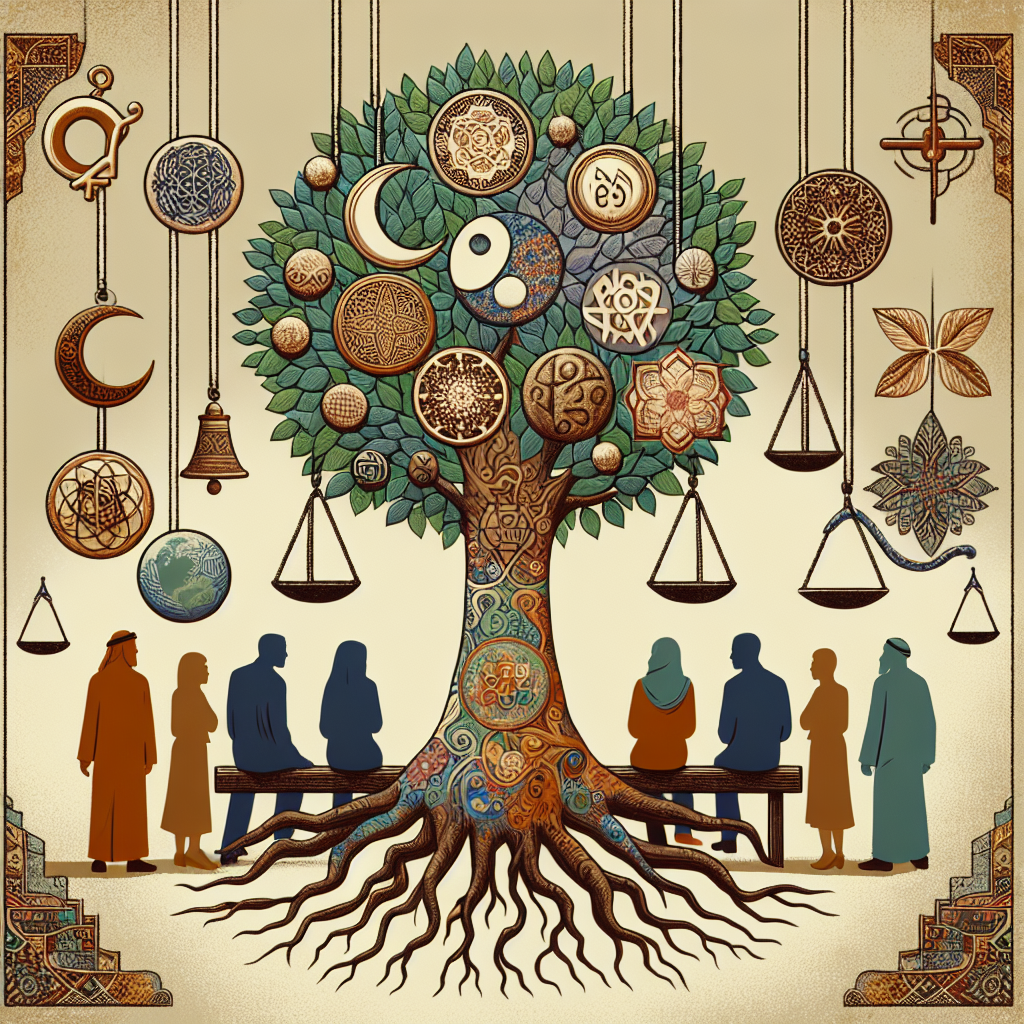
Interfaith dialogue provides a platform for individuals from different spiritual traditions to come together and explore various concepts of justice. By engaging in open and respectful conversations, individuals can deepen their understanding of justice and gain insights from different perspectives.
Through interfaith dialogue, individuals can discuss and compare different spiritual teachings on justice, examining the similarities and differences between various traditions. This dialogue encourages individuals to transcend their own beliefs and engage in a broader exploration of justice concepts, fostering mutual respect and understanding.
Finding Common Ground and Collaborating for Justice
Interfaith dialogue also offers an opportunity for individuals to find common ground and collaborate on issues of justice. By focusing on shared values such as compassion, love, and respect for humanity, individuals from different spiritual traditions can work together towards common goals.
Collaboration across religious and spiritual boundaries allows for collective action and amplifies the impact of social justice movements. By embracing diversity and recognizing the interconnectedness of all beings, individuals can unite to address systemic injustices and promote fairness, equity, and justice.
The Call to Action
How Spirituality Motivates Individuals to Actively Work for Justice
Spirituality serves as a powerful motivator for individuals to actively work for justice. It instills a deep sense of compassion, empathy, and interconnectedness, creating a strong desire to alleviate suffering and create a more just world.
When individuals embrace spirituality, they feel a personal responsibility to respond to societal injustices. They recognize the importance of taking action and advocating for those whose voices are often unheard. By aligning their actions with their spiritual beliefs, individuals can become agents of change, channeling their energy and efforts towards justice.
Spirituality also provides individuals with the resilience and determination needed to engage in long-term justice work. It offers a sense of purpose and hope, even in the face of adversity and challenges. By grounding themselves in spiritual practices and beliefs, individuals can find the strength and inspiration to persevere in their pursuit of justice.
Examples of Initiatives and Organizations Integrating Spirituality and Justice
Across the globe, numerous initiatives and organizations are integrating spirituality and justice to effect meaningful change. One such initiative is the Buddhist Peace Fellowship, which combines Buddhist teachings and mindfulness practices with social justice activism. The organization works to address issues such as racial inequality, climate change, and mass incarceration, applying the principles of compassion and liberation to promote justice.
The Interfaith Youth Core is another organization that promotes interfaith collaboration and justice work. It engages young people from various spiritual backgrounds in dialogue and action, inspiring them to work together towards justice, peace, and acceptance.
Additionally, the Eco-Justice Center, an organization rooted in Catholic spirituality, combines environmental stewardship and social justice. It seeks to address the interconnected challenges of environmental degradation and social inequality, promoting sustainable and just practices.
These examples highlight the diverse ways in which spirituality and justice can intersect, leading to innovative initiatives that address pressing social issues and promote a more equitable world.
In conclusion, spirituality provides a framework for understanding justice, promoting fairness, and inspiring individuals to actively work towards justice and equality. It encompasses a wide range of beliefs, practices, and traditions, with each offering unique insights into the concept of justice. By exploring the interconnectedness of all beings, cultivating compassion and empathy, and engaging in restorative practices, individuals and communities can embody the principles of justice in their actions and contribute to creating a more just and equitable world. Spirituality has the power to unite individuals from diverse backgrounds and traditions, fostering collaboration and dialogue for justice. By integrating spirituality and justice, individuals can find profound meaning, purpose, and fulfillment in their pursuit of a more just and compassionate society.