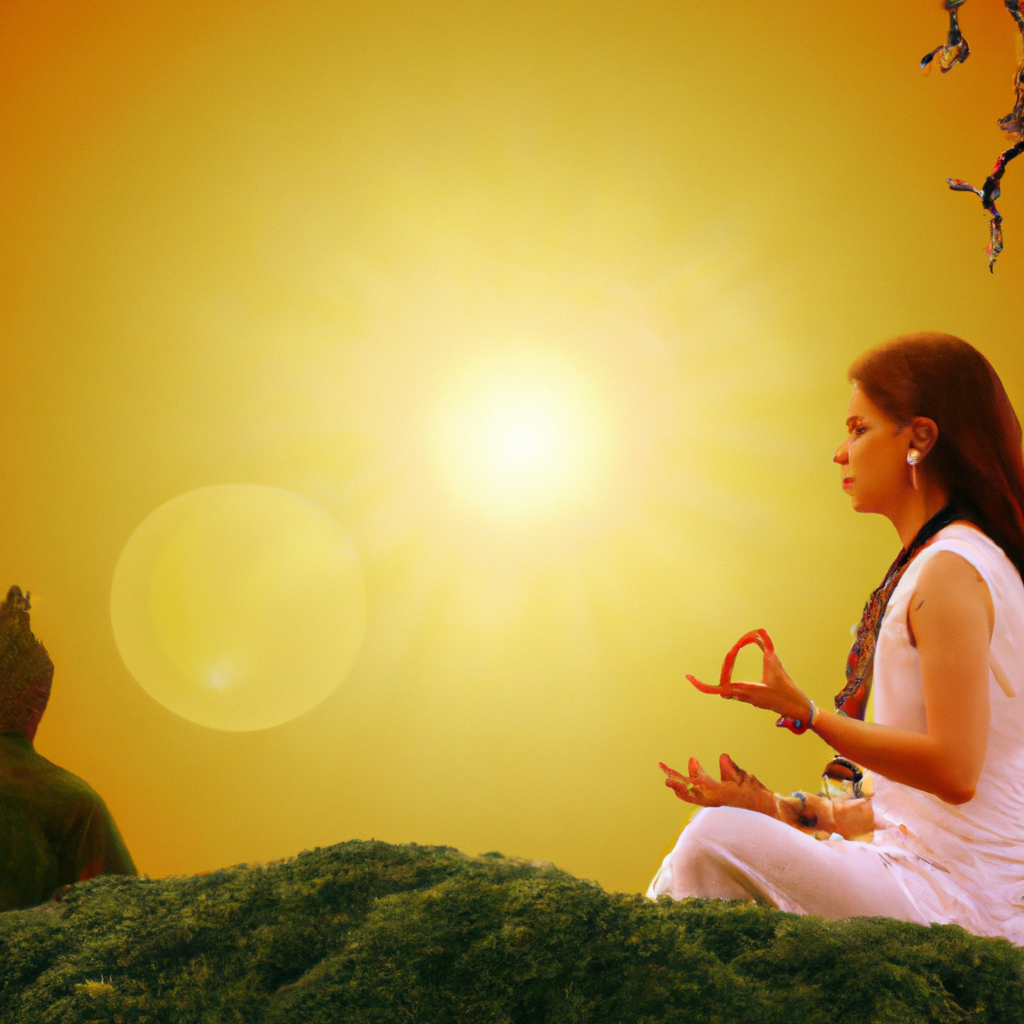
Have you ever wondered how spirituality and religion differ from each other? While the two terms are often used interchangeably, there are distinct characteristics that set them apart. Spirituality is a personal and individual experience that focuses on one’s relationship with the self and the inner search for meaning and purpose. On the other hand, religion encompasses a set of organized beliefs, rituals, and practices that are shared by a community. In this article, we will explore the differences between spirituality and religion, highlighting the unique aspects of each and shedding light on their coexistence in today’s world.

This image is property of images.pexels.com.
Definition of Spirituality
Spirituality is a concept that places emphasis on personal experience and individual belief systems. It encompasses a deep connection to a higher power or higher purpose and focuses on inner growth and self-discovery. Unlike religion, spirituality is not bound by the constraints of organized doctrines or specific rituals. It is a path that allows individuals to explore their own unique spiritual journey and find meaning and fulfillment in their lives based on their personal beliefs and experiences.
Emphasis on personal experience
At the core of spirituality is the belief that personal experiences are valuable sources of wisdom and guidance. It encourages individuals to trust their own inner voice, intuition, and reflections for guidance and insight. Spirituality recognizes that each person’s journey is unique and that there is no one-size-fits-all approach to spiritual fulfillment. It places the power of exploration and self-discovery squarely in the hands of the individual, allowing them to tailor their spiritual practices to their own needs and desires.
Connection to a higher power or higher purpose
Spirituality acknowledges the existence of a higher power or higher purpose that transcends human understanding. It can be seen as a deeply personal and individualized relationship with this higher power, regardless of any specific religious affiliation. Spirituality allows individuals to explore and connect with their understanding of the divine in a way that resonates with them personally, without the rigid dogmas or doctrines often associated with organized religion.
Focus on inner growth and self-discovery
One of the fundamental aspects of spirituality is the emphasis on inner growth and self-discovery. It encourages individuals to delve deep within themselves to uncover their own values, beliefs, and purpose in life. This introspective journey allows individuals to develop a greater sense of self-awareness and understanding, leading to personal transformation and a more fulfilling and meaningful existence. Spirituality recognizes that the path to enlightenment and inner peace is an ongoing process that evolves and deepens with time.
Definition of Religion
Religion, on the other hand, is characterized by a belief in a specific set of doctrines or principles. It often involves a structured organization and rituals, and places a strong emphasis on communal worship and adherence to established traditions. Unlike spirituality, religion tends to provide a clear framework and set of guidelines for how individuals should live and conduct themselves.
Belief in a specific set of doctrines or principles
Religion is based on a system of specific doctrines or principles that define its beliefs and practices. These doctrines often include teachings about the nature of the divine, moral codes, and guidelines for living a righteous and virtuous life. The adherents of a particular religion are expected to accept and follow these doctrines as a cornerstone of their faith.
Structured organization and rituals
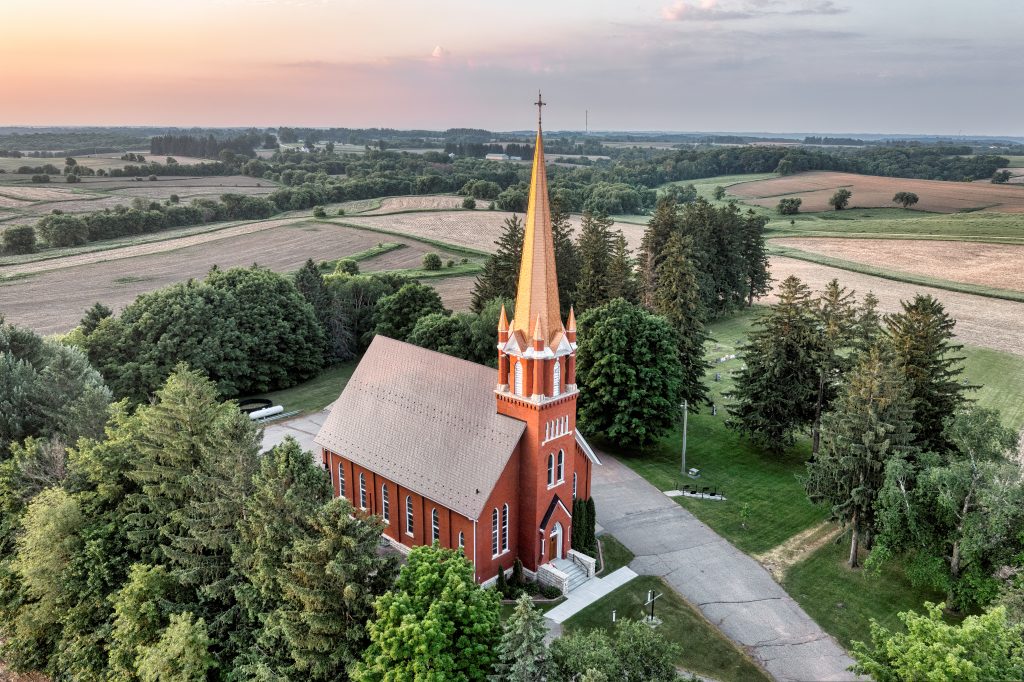
Religion often involves a formalized structure with organized institutions, such as churches, temples, or mosques, that serve as centers of religious worship and community. These institutions provide a sense of structure and organization to the religious community, guiding and overseeing the implementation of rituals and religious practices. These rituals may include regular prayer, sacraments, or ceremonies that are considered essential for the religious experience.
Focus on communal worship and adherence to established traditions
In religion, communal worship and participation in religious rituals are highly valued. The community aspect of religion is an integral part of the practice, as it allows individuals to come together in a shared belief system and engage in acts of devotion and worship. Adherence to established traditions and customs is also a key aspect of religion, as it promotes a sense of continuity and unity among its followers.
Beliefs and Faith
Spirituality: Personal beliefs and experiences
In spirituality, beliefs and faith are deeply personal and are shaped by individual experiences and reflections. Spirituality allows individuals to explore and cultivate their own beliefs and faith based on their personal understanding of the divine, the nature of existence, and their own experiences. It acknowledges that beliefs can be subjective and can vary from person to person, and places importance on personal conviction and authenticity.
Religion: Acceptance of specific doctrines and creeds
In contrast, religion often requires adherence to specific doctrines and creeds that are shared by a religious community. Beliefs and faith in religion are typically defined by the teachings and principles set forth by religious authorities, such as religious texts, religious leaders, or established dogma. The focus is on accepting and following the prescribed beliefs rather than individual interpretation or customization.
Higher Power
Spirituality: Connection to a non-denominational higher power
Spirituality recognizes the presence of a higher power that surpasses the limitations of any specific religion or denomination. It allows individuals to form a connection with this higher power based on their personal beliefs and experiences. Spirituality encourages an open and inclusive approach to the concept of a higher power, enabling individuals to define and relate to it in a way that resonates with their own spiritual journey.
Religion: Worship and belief in a specific deity or deities
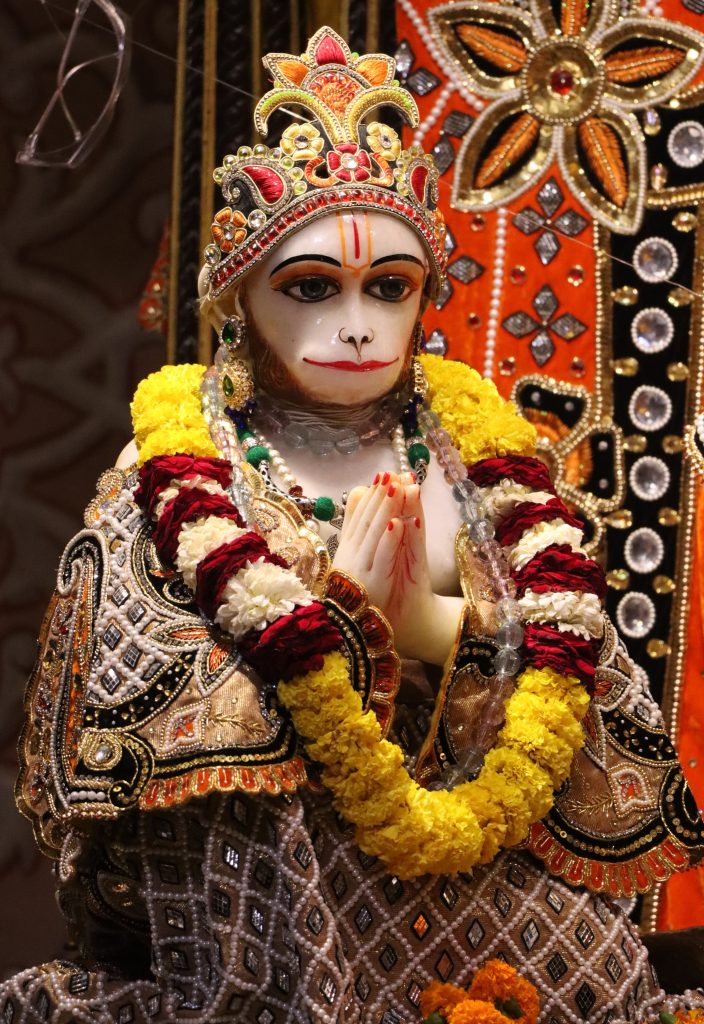
Religion is often centered around a specific deity or deities, and worship and belief in these divine beings are integral to its practices. The concept of a higher power in religion is typically associated with a particular god or gods that are revered and worshiped by the religious community. The rituals and practices within religion are often structured around this belief system and the worship of the specific deity or deities.
This image is property of images.pexels.com.
Sourcing Wisdom and Guidance
Spirituality: Self-reflection, intuition, and inner guidance
In spirituality, wisdom and guidance are often sourced from within. Individuals are encouraged to engage in self-reflection, introspection, and personal inquiry to gain insights and wisdom about their spiritual journey. Intuition and inner guidance play a significant role, as individuals learn to trust their own inner knowing and connect with the deeper aspects of themselves to find answers and direction.
Religion: Sacred texts, religious leaders, and established dogma
Religion relies heavily on external sources for wisdom and guidance. Sacred texts, such as the Bible, Quran, or Vedas, are considered authoritative and offer guidance on matters of faith, morality, and conduct. Religious leaders, such as priests, imams, or rabbis, are seen as spiritual authorities who provide interpretations and teachings based on these sacred texts. Established dogma and religious doctrines also serve as guiding principles within religion.
Practices and Rituals
Spirituality: Individualized practices, such as meditation or yoga
Spirituality encourages individuals to explore and personalize their spiritual practices. These practices can vary widely and are often centered around self-care, self-reflection, and connection with the divine. Meditation, yoga, mindfulness, or other forms of contemplative practices are commonly utilized in spirituality as a means of quieting the mind, increasing self-awareness, and deepening the connection to the spiritual realm.
Religion: Group rituals, such as prayer or sacraments
Religion places a strong emphasis on collective worship and group rituals. These rituals are often prescribed by the religious tradition and serve as a means of expressing devotion, connecting with the divine, and reinforcing communal ties. Prayer, communal worship services, sacraments, or other religious ceremonies are common practices within religious communities. These practices are often executed in a structured manner and are considered essential for religious observance.
This image is property of images.pexels.com.
Community and Fellowship
Spirituality: Connections with like-minded individuals or spiritual communities
Spirituality encourages individuals to seek connections with like-minded individuals or join spiritual communities that share similar beliefs or practices. This sense of community and fellowship provides a space for individuals to engage in meaningful conversations, share experiences, and seek support on their spiritual journey. These connections can be informal, such as attending spiritual workshops or retreats, or more formal through participation in spiritual organizations or groups.
Religion: Membership in a specific religious community or congregation
Religion often involves formalized membership in a specific religious community or congregation. Joining a religious community provides individuals with a sense of belonging and support, as well as opportunities for communal worship and engagement in religious activities. Membership in a religious community or congregation often entails adhering to certain standards, rituals, and traditions that are integral to the religious practice.
Flexibility and Freedom
Spirituality: Encourages personal exploration and eclectic beliefs
One of the defining aspects of spirituality is its inherent flexibility and freedom. It encourages individuals to explore various spiritual paths, beliefs, and practices, allowing them to create a unique spiritual framework that aligns with their personal values and experiences. Spirituality embraces the idea that there are multiple paths to spiritual fulfillment and growth, and encourages individuals to cultivate an open-minded and inclusive approach to spirituality.
Religion: Requires adherence to specific doctrines and rituals
Religion, by its nature, often requires adherence to specific doctrines, creeds, and rituals that define the religious tradition. These doctrines and rituals are considered essential for maintaining the integrity and coherence of the religious community. Religion provides a structured framework with clear guidelines for how individuals should practice their faith, often prescribing specific rituals and observances that must be followed.
Goal and Purpose
Spirituality: Seeking inner peace, enlightenment, or personal transformation
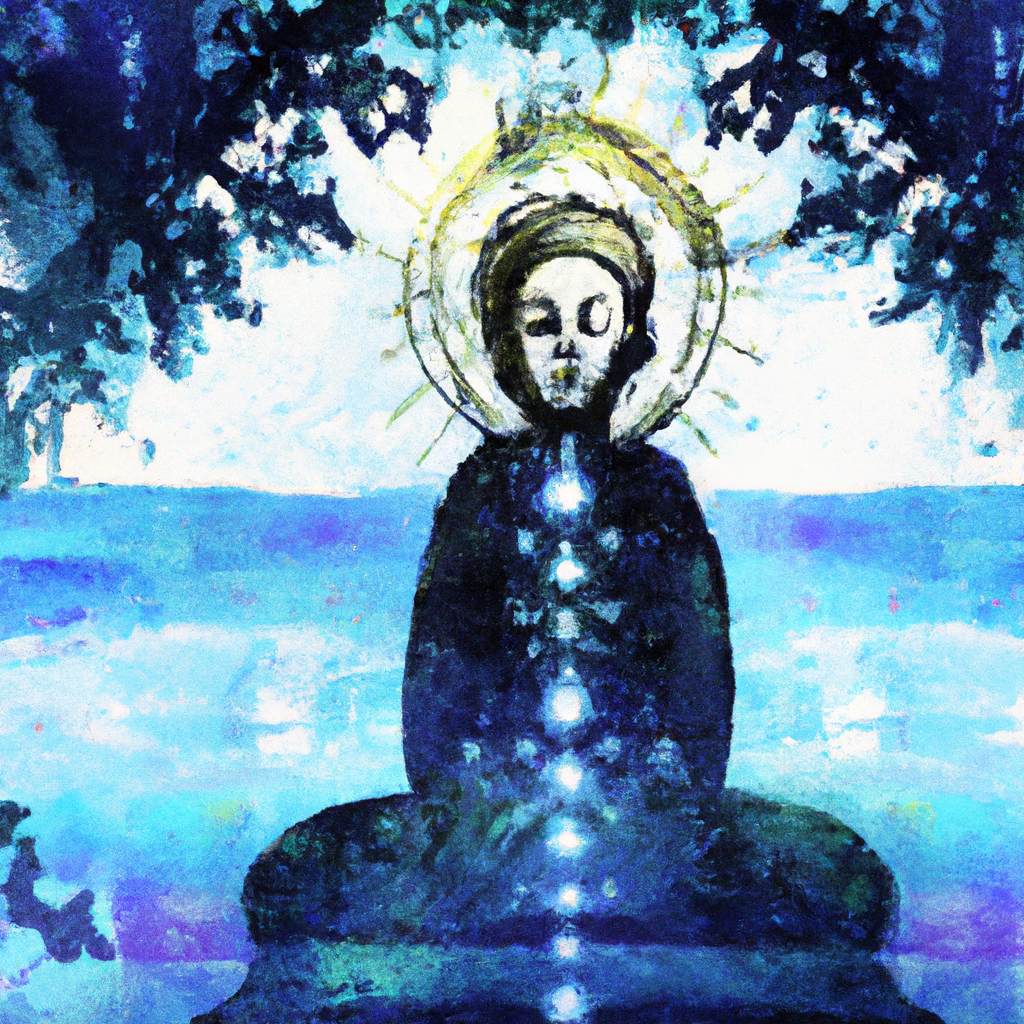
The goal and purpose of spirituality are often focused on personal transformation and self-realization. Spirituality seeks to cultivate inner peace, awareness, and enlightenment by exploring one’s own spiritual beliefs, practices, and experiences. It aims to bring about a deeper understanding of oneself, others, and the nature of existence. The pursuit of spiritual growth and fulfillment is seen as an ongoing journey that leads to personal transformation and a greater sense of purpose and meaning in life.
Religion: Fulfilling religious duties, achieving salvation, or gaining religious rewards
Religion is often centered around fulfilling religious duties, achieving salvation, or gaining religious rewards. The purpose of religious practice is to maintain a relationship with the divine, adhere to religious teachings and principles, and seek salvation or spiritual redemption. Religion provides a framework for living a virtuous and righteous life, guided by religious principles and moral codes. It offers a path towards attaining religious rewards, such as eternal life, heavenly blessings, or spiritual enlightenment.
Conflict between Spirituality and Religion
Spirituality vs. Organized Religion
One potential conflict that can arise is between spirituality and organized religion. Spirituality, with its emphasis on personal beliefs and individualized practices, may clash with the more structured and defined nature of organized religion. Individuals who lean more towards spirituality may find themselves at odds with the rigid doctrines, rituals, and hierarchical structures present in organized religious institutions. This conflict can arise when an individual’s personal beliefs and experiences diverge from the teachings and practices of their religious community.
Religious Dogmatism vs. Personal Beliefs
Another conflict can arise from the tension between religious dogmatism and personal beliefs. Religion often promotes adherence to specific doctrines and creeds, which may not align with an individual’s personal beliefs or experiences. This conflict can create a sense of dissonance for individuals who value personal authenticity and autonomy in their spiritual journey. It may require individuals to make a choice between following the prescribed beliefs and teachings of their religion or embracing their personal beliefs and experiences.
Institutionalized Practices vs. Individualized Spirituality
The conflict between institutionalized practices and individualized spirituality can also arise. Religion often relies on standardized rituals and practices that are performed collectively within a religious community. This may not resonate with individuals who prefer a more individualized and flexible approach to their spirituality. The tension between conforming to institutionalized practices and following one’s own spiritual path can create a conflict between individuals and their religious communities, as well as within individuals themselves as they strive to find a balance between the two.
In conclusion, spirituality and religion are two distinct but interconnected concepts. While both involve a connection to a higher power or purpose, spirituality places a greater emphasis on personal experience, inner growth, and self-discovery. Religion, on the other hand, is characterized by a belief in specific doctrines, structured organization, and communal worship. The difference lies in the level of personal autonomy, flexibility, and freedom that spirituality allows, compared to the more structured and prescribed nature of religion. While conflicts can arise between spirituality and organized religion, it is important to recognize that both have the potential to provide individuals with a path towards spiritual fulfillment, personal growth, and a deeper connection to the divine. Ultimately, the choice between spirituality and religion is a personal one, guided by individual beliefs, experiences, and values.