
Imagine a world where spirituality and culture are intricately intertwined, influencing one another in a beautiful dance of expression and belief. From ancient rituals to modern traditions, spirituality has played a significant role in shaping cultural practices throughout history. Whether it be the way we celebrate, mourn, or connect with one another, the influence of spirituality is undeniable. In this article, we explore the profound ways in which spirituality has impacted cultural practices, shedding light on the deep bonds between the spiritual and the cultural realms. So, join us as we embark on a journey to uncover the mesmerizing connection between spirituality and cultural practices.
Spirituality and Cultural Practices
Overview of spirituality and cultural practices
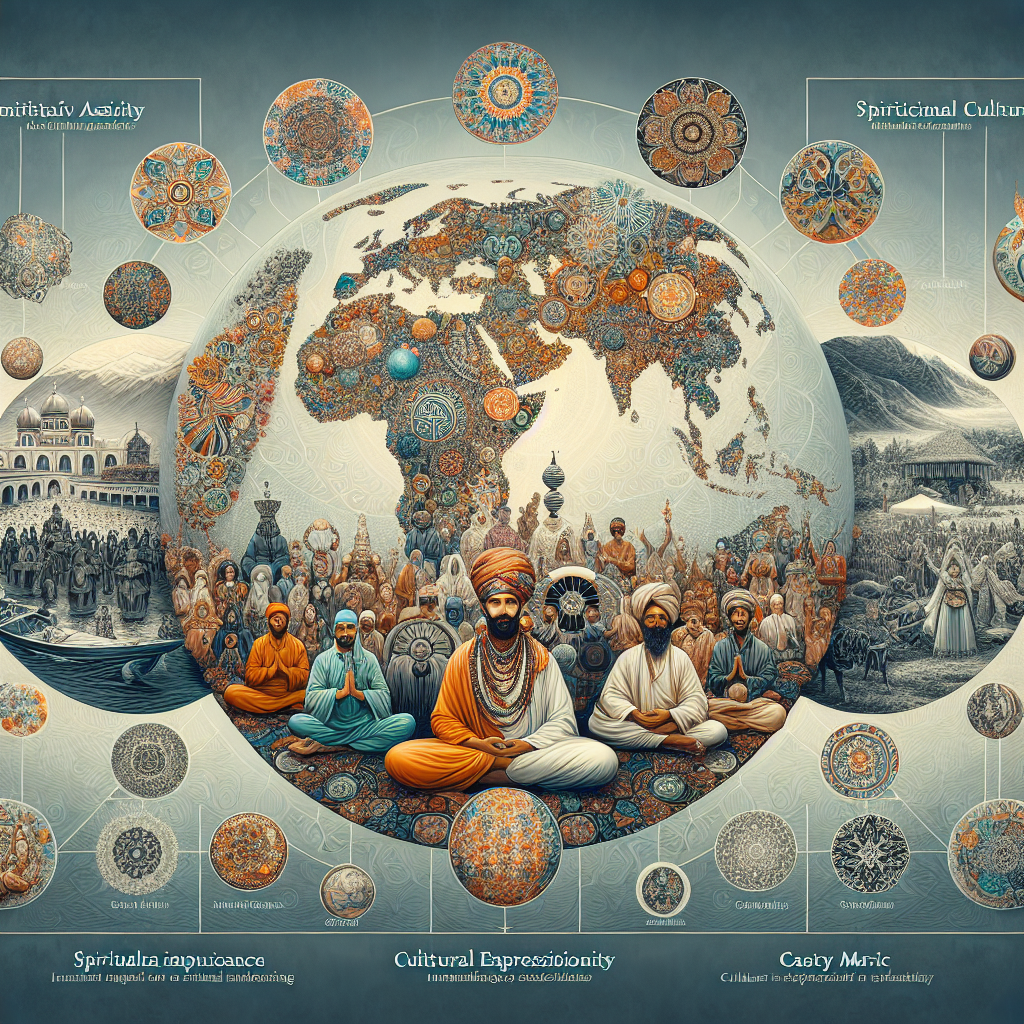
Spirituality and cultural practices are deeply intertwined aspects of human life. Both play a significant role in shaping and defining a person’s identity, beliefs, values, and behaviors. While spirituality pertains to a person’s connection with the divine or transcendent, cultural practices encompass the customs, traditions, rituals, and expressions of a specific group or community. This article explores the profound impact of spirituality on various facets of cultural practices, including rituals and traditions, art, language, family dynamics, ethical standards, healing practices, and the overall formation of cultural identity.
Definition of spirituality
Spirituality can be understood as a deeply personal and subjective experience that encompasses an individual’s belief system, search for meaning and purpose, and connection to something beyond the material world. It goes beyond organized religions and is often about finding a sense of higher purpose, inner peace, and transcendence. Spirituality can manifest through various avenues, including religious beliefs, meditation, nature, personal reflection, and acts of kindness and compassion.
Definition of cultural practices
Cultural practices, on the other hand, refer to a broad range of behaviors, customs, rituals, traditions, and artistic expressions that are passed down from one generation to another within a specific group or community. These practices encompass a wide spectrum, varying from region to region, ethnicity to ethnicity, and even within different religious groups. Cultural practices are often deeply rooted in history, geography, social norms, and collective experiences.
Spirituality as the Foundation of Cultural Practices
Spirituality as a guiding force
Spirituality serves as a guiding force in shaping cultural practices. It provides a moral compass, ethical guidelines, and a sense of purpose and direction for individuals and communities. It answers fundamental questions about the nature of existence, the meaning of life, and the journey towards self-realization and enlightenment. Spirituality acts as a driving force that influences how cultural practices are conceived, perceived, and practiced.
Spiritual beliefs shaping cultural practices
Spiritual beliefs form the bedrock of cultural practices in many societies. People’s notions of the divine, supernatural, and the afterlife directly impact how their cultural practices unfold. For instance, in Hinduism, the belief in karma and reincarnation shapes the practice of performing rituals to alleviate suffering and attain spiritual growth. In indigenous cultures, the reverence for nature and ancestral spirits influences practices such as land preservation, harvest ceremonies, and storytelling rituals.
Influence of spirituality on societal norms
Spirituality profoundly influences societal norms and values. It provides a framework for determining what is considered right or wrong, just or unjust, moral or immoral within a cultural context. Religious texts and spiritual teachings often include guidelines on interpersonal relationships, social justice, and community engagement. These principles then become embedded in cultural practices, leading to the establishment of norms and standards that govern social interactions and collective behavior.
Spirituality as a source of values and beliefs
Spirituality serves as a source of values and beliefs that underpin cultural practices. It provides a foundation for understanding the purpose of life, the cultivation of virtues, and the pursuit of a higher self. For example, in Buddhism, the Four Noble Truths and the Eightfold Path act as guiding principles for personal conduct and moral development, influencing various cultural practices such as meditation, mindfulness, and compassion towards all living beings.
This image is property of images.pexels.com.
Spirituality Impacting Rituals and Traditions
Spiritual significance in cultural rituals
Cultural rituals are often infused with spiritual significance and symbolism. These rituals serve as a means of connecting with the divine, seeking blessings, expressing gratitude, and acknowledging important life transitions. Whether it is the lighting of candles in Christian ceremonies, the performance of circumambulation around a sacred shrine in Buddhism, or the recitation of prayers in Islam, spiritual beliefs and practices form the essence of these rituals, giving them depth, meaning, and purpose.
Religious ceremonies and cultural practices
Religious ceremonies play a central role in cultural practices around the world. These ceremonies, such as baptism, bar mitzvah, marriage ceremonies, and funeral rites, not only mark important milestones in an individual’s life but also reflect the spiritual beliefs and cultural values of the community. They serve as a way to reinforce social bonds, honor tradition, and seek divine blessings for individuals and their families.
Incorporation of spirituality in traditional events
Spirituality permeates traditional events and celebrations in diverse cultures. Whether it is the Chinese New Year, Diwali in Hinduism, or Day of the Dead in Mexican culture, these events are deeply rooted in spiritual beliefs and practices. They provide an opportunity for individuals and communities to come together, rejuvenate their spiritual connection, express gratitude, and seek good fortune and blessings for the year ahead.
Symbolism and spiritual connections in cultural traditions
Cultural traditions are often imbued with symbolism that reflects spiritual connections and meanings. Symbols such as the cross in Christianity, the lotus flower in Buddhism, or the yin and yang in Taoism convey deep spiritual concepts and act as a visual representation of cultural practices. These symbols create a shared language of spirituality within a cultural context and foster a sense of unity and solidarity among community members.
Spirituality in Art, Music, and Dance
Spiritual themes in cultural art forms
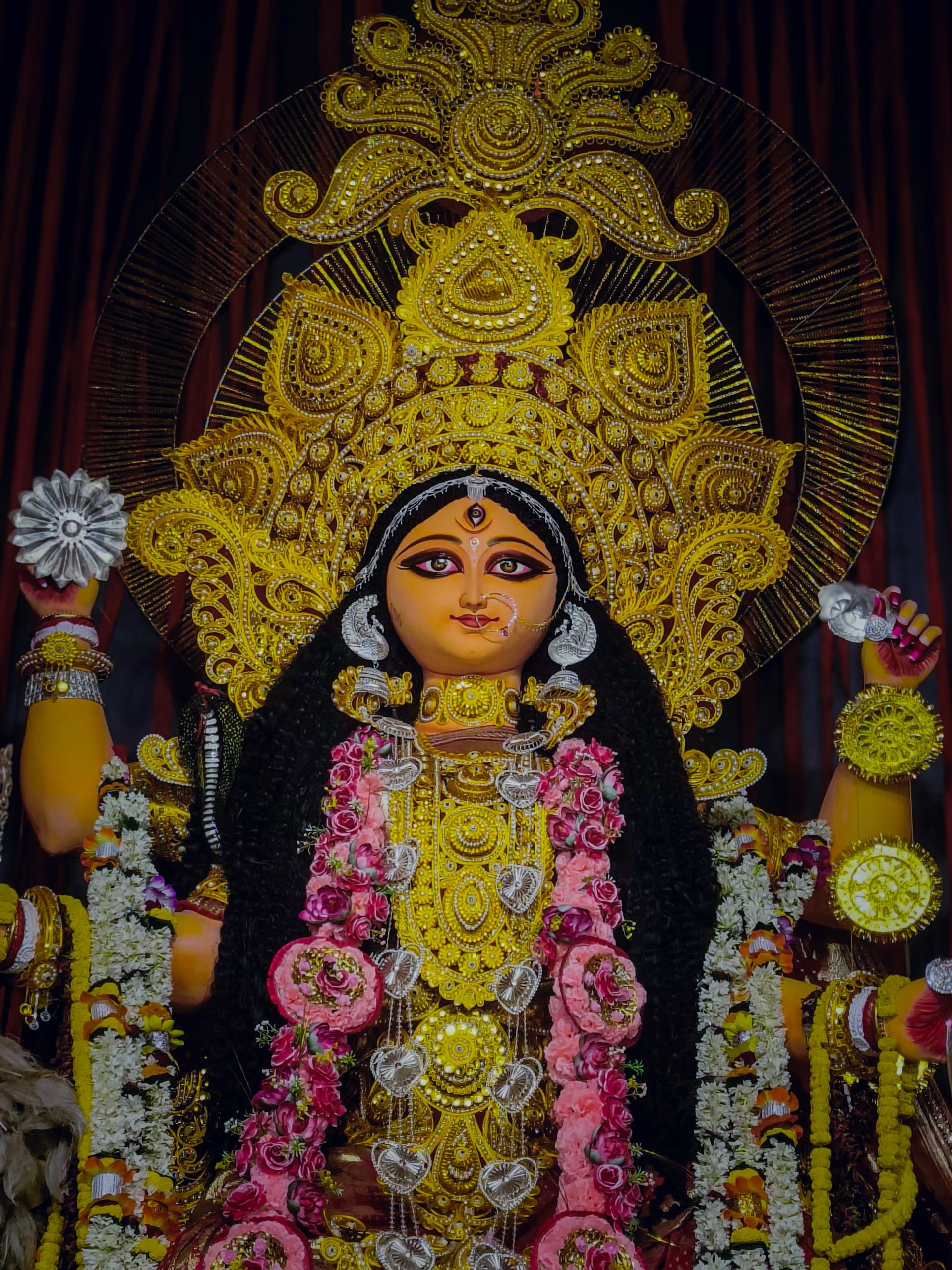
Art, music, and dance have long served as mediums for expressing spirituality and cultural practices. Traditional paintings, sculptures, and crafts often depict religious figures, mythological stories, and symbolic representations of spiritual beliefs. In music, spiritual themes and devotional songs are prevalent across various genres, from gospel music in Christianity to qawwali in Sufi Islam. Similarly, dance forms such as Bharatanatyam in Indian culture or the whirling dervishes in Sufism convey the spiritual essence of cultural practices through graceful movements and storytelling.
Influence of spirituality on music and lyrics
Spirituality influences the creation of music and lyrics, shaping the emotions, messages, and themes conveyed through songs. Whether it is hymns in Christian worship, mantras in Hindu chants, or Sufi poetry in Islamic music, spiritual beliefs and practices infuse the compositions with a sense of reverence, devotion, and transcendence. Music becomes a vehicle for spiritual expression and a means to connect with the divine.
Sacred dance as an expression of spirituality
Sacred dance forms, found in various cultures across the world, provide a physical manifestation of spirituality. These dances are often characterized by specific gestures, postures, and movements that embody spiritual concepts and narratives. For example, the Balinese dance drama called “Barong” represents the eternal struggle between good and evil, while the Native American “Grass Dance” symbolizes spiritual healing and renewal.
Depiction of spiritual beliefs in performing arts
Performing arts, such as theater and opera, frequently depict spiritual beliefs and cultural practices. Productions like Wagner’s “Parsifal,” which explores themes of redemption and spiritual awakening, or the classical Indian dance-drama “Ramayana,” which portrays the epic tale of divine intervention and righteousness, showcase spirituality’s influence on storytelling and theatrical performances. These artistic expressions help convey complex spiritual concepts to a wider audience, fostering greater understanding and appreciation of cultural practices.

This image is property of images.pexels.com.
Spirituality and Language
Spiritual elements in language usage
Language often reflects and incorporates spiritual elements and terminology that are central to cultural practices. Whether it is the use of divine names and greetings in religious texts, prayers, or invocations, or the inclusion of sacred words and phrases in everyday speech, spirituality becomes an integral part of language usage. These linguistic expressions not only convey meaning but also reinforce cultural beliefs and practices.
Religious influence on cultural idioms
Religious teachings significantly impact the idioms and proverbs used within a culture. For instance, in Christianity, idioms such as “the salt of the earth” or “the apple of my eye” reflect biblical metaphors and teachings. Similarly, Islamic idioms like “break the fast” or “the straight path” draw from the Quranic language and concepts. These idiomatic expressions serve as cultural markers, conveying a shared understanding and connection to spiritual teachings.
Sacred texts impacting linguistic traditions
Sacred texts, revered within religious and cultural contexts, influence linguistic traditions. The Quran in Islam, the Bible in Christianity, the Vedas in Hinduism, and the Torah in Judaism shape the vocabulary, syntax, and literary styles found in religious scriptures and devotional literature. The linguistic richness of these texts becomes an essential part of cultural identity and spiritual significance.
Expressions of spirituality in proverbs and sayings
Proverbs and sayings within a culture often encapsulate spiritual wisdom and insights. These concise and memorable expressions convey moral lessons and ethical teachings derived from spiritual beliefs. For example, the Chinese saying “The journey of a thousand miles begins with a single step” reflects the Taoist principle of taking small, deliberate actions towards a goal. These expressions become a part of cultural heritage, passing down spiritual truths from one generation to another.
Spirituality and Cultural Identity
Spiritual practices as a reflection of cultural identity
Spiritual practices form a significant part of an individual’s cultural identity. The way people worship, celebrate, and engage with the divine reflects their cultural heritage. For example, the daily prayers, observance of fasting during Ramadan, and the pilgrimage to Mecca are important markers of Muslim cultural identity. These practices create a sense of belonging and foster a shared cultural identity within a specific community.
Preservation of cultural heritage through spirituality
Spirituality acts as a means of preserving cultural heritage by keeping traditions, rituals, and beliefs alive throughout generations. Cultural practices are often deeply intertwined with spiritual rituals and ceremonies, contributing to the transmission of cultural knowledge and values. By upholding and engaging in spiritual practices, individuals and communities ensure the continuity and preservation of their cultural heritage.
Cultural belonging and spiritual affiliation
Spiritual affiliation plays a crucial role in an individual’s sense of cultural belonging. It connects individuals to a broader community that shares similar beliefs and values. Participating in religious services, festivals, and rituals fosters a sense of unity, solidarity, and pride in one’s cultural heritage. This sense of belonging strengthens cultural ties and deepens the intergenerational bonds within a community.
Spirituality’s role in defining cultural uniqueness
Spirituality helps define the unique cultural characteristics of a community. Different religious and spiritual traditions give rise to distinct practices, rituals, and worldviews. For example, the Zen practices of mindfulness and meditation in Japanese culture or the focus on harmony and balance in Native American spirituality shape the distinctiveness of these cultural traditions. Spirituality becomes a driving force that sets a culture apart and contributes to its cultural diversity.

This image is property of images.pexels.com.
Spirituality and Family Dynamics
Religious rituals and family bonding
Religious rituals often play a central role in fostering family bonding and cohesion. Gathering for prayers, performing rituals, and engaging in religious festivals provide opportunities for families to come together and strengthen their interpersonal relationships. These rituals create shared experiences, generate a sense of unity, and reinforce family values rooted in spirituality.
Spirituality’s impact on parenting styles
Spirituality influences parenting styles and the transmission of cultural values from one generation to another. Parents who hold strong spiritual beliefs may pass down these beliefs to their children through religious education, moral teachings, and engaging in spiritual practices together. Spirituality helps shape parenting approaches, such as instilling empathy, kindness, and a sense of responsibility towards others.
Transmission of cultural values through spirituality
Spirituality serves as a vehicle for transmitting cultural values from parents to children. Through religious teachings, rituals, and practices, parents impart cultural knowledge, ethics, and traditions to the younger generation. For example, teaching children to recite prayers, celebrate religious holidays, or engage in acts of charity reflects the importance of cultural values and spiritual beliefs.
Role of spirituality in familial relationships
Spirituality plays a significant role in familial relationships, fostering love, compassion, forgiveness, and understanding among family members. Shared spiritual beliefs and practices provide a common ground for familial connections, helping individuals navigate challenges, conflicts, and difficult times. Spirituality promotes a sense of interconnectedness and mutual support within the family unit.
Spirituality and Ethical Standards
Moral guidelines influenced by spirituality
Spirituality shapes moral guidelines and ethical standards within a cultural context. Religious teachings provide a comprehensive ethical framework that guides individuals in making moral choices and decisions. For example, the Ten Commandments in Judaism and Christianity or the Five Pillars of Islam outline moral guidelines for leading a just and virtuous life. These ethical standards derived from spiritual beliefs foster social cohesion and promote a sense of responsibility towards others.
Religious teachings and ethical behavior
Religious teachings often emphasize ethical behavior and social responsibility. Spiritual beliefs encourage individuals to practice honesty, compassion, forgiveness, and generosity towards others. For instance, the concept of “Seva” in Sikhism, which promotes selfless service to humanity, is deeply rooted in spirituality and forms the basis for ethical behavior within the Sikh community.
Ethics derived from cultural spiritual beliefs
Cultural spiritual beliefs directly inform the ethics and values upheld within a community. These beliefs shape the understanding of right and wrong, the concept of fairness and justice, and the responsibility towards the welfare of others. For instance, indigenous cultures often have strong ethical frameworks based on reverence for nature, reciprocity, and collective well-being, stemming from their spiritual connection to the earth and its resources.
Impact of spirituality on societal ethics
Spirituality’s impact on societal ethics is multifaceted. It influences social norms, legal systems, and ethical standards within a society. The teachings of spiritual leaders, religious institutions, and cultural practices shape how individuals and communities perceive and prioritize ethical behavior. Spirituality serves as a moral compass, compelling individuals to adhere to certain ethical standards and contribute to the greater good of society.
Spirituality and Healing Practices
Intertwining of spirituality and traditional medicine
Spirituality and traditional medicine often intersect, with spiritual practices playing a role in healing and well-being. In many cultures, traditional healers and spiritual guides incorporate spiritual rituals, prayers, and ceremonies into their healing practices. Spiritual healing is believed to address not only physical ailments but also mental, emotional, and spiritual imbalances.
Religious rituals for healing and well-being
Religious rituals are often employed for healing and promoting well-being within a cultural context. Whether it is the laying on of hands in Christian faith healing, the recitation of mantras in Ayurvedic medicine, or the use of prayer beads in Islamic healing practices, these rituals seek to channel divine energy, restore balance, and facilitate the healing process.
Spiritual practices in alternative healing methods
Alternative healing methods often integrate spiritual practices into their modalities. Practices like yoga, meditation, energy healing, and mindfulness draw from spiritual traditions and beliefs to promote holistic well-being. By addressing the spiritual aspect of health, these practices aim to restore harmony and support the body’s natural healing abilities.
Spirituality’s role in mental and emotional healing
Spirituality plays a crucial role in mental and emotional healing. The belief in a higher power, prayer, and the cultivation of inner peace and mindfulness have been shown to have positive effects on mental health and emotional well-being. Spiritual practices provide individuals with tools to cope with stress, find solace in difficult times, and foster a sense of resilience and hope.
Conclusion
In conclusion, spirituality and cultural practices are deeply intertwined aspects of human life that shape and define our beliefs, values, and behaviors. Spirituality serves as the foundation of cultural practices, guiding societal norms, and providing a source of values and beliefs. It influences rituals, traditions, art, music, language, family dynamics, ethical standards, and healing practices. Spirituality plays a vital role in forming cultural identity, preserving cultural heritage, and fostering a sense of belonging. Its impact on individual and collective well-being, social cohesion, and intergenerational bonds cannot be overstated. As we reflect on the diversity and depth of spirituality’s influence on cultural practices, we look towards the future where its continued evolution will shape new trends and expressions of spirituality and culture.