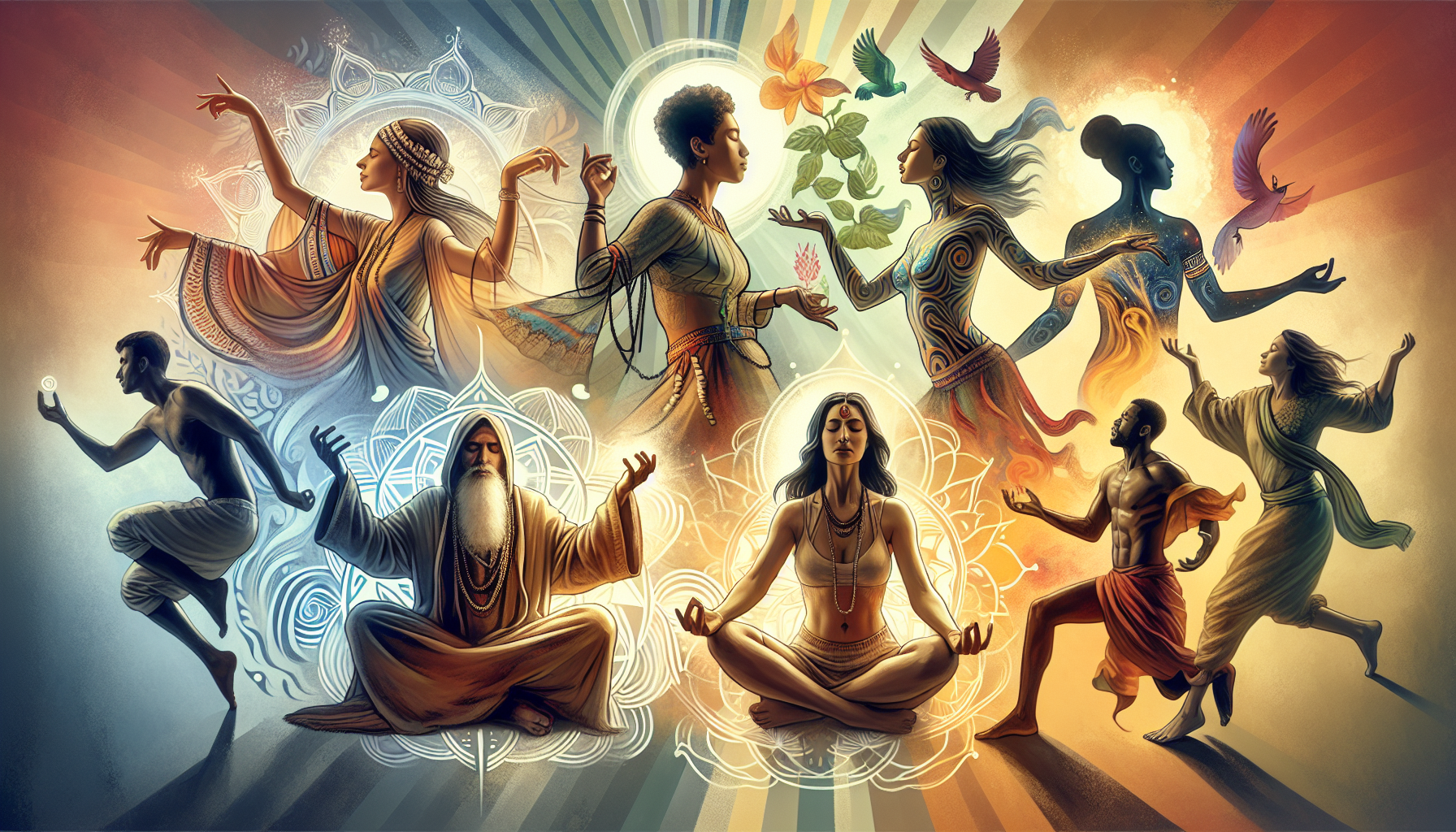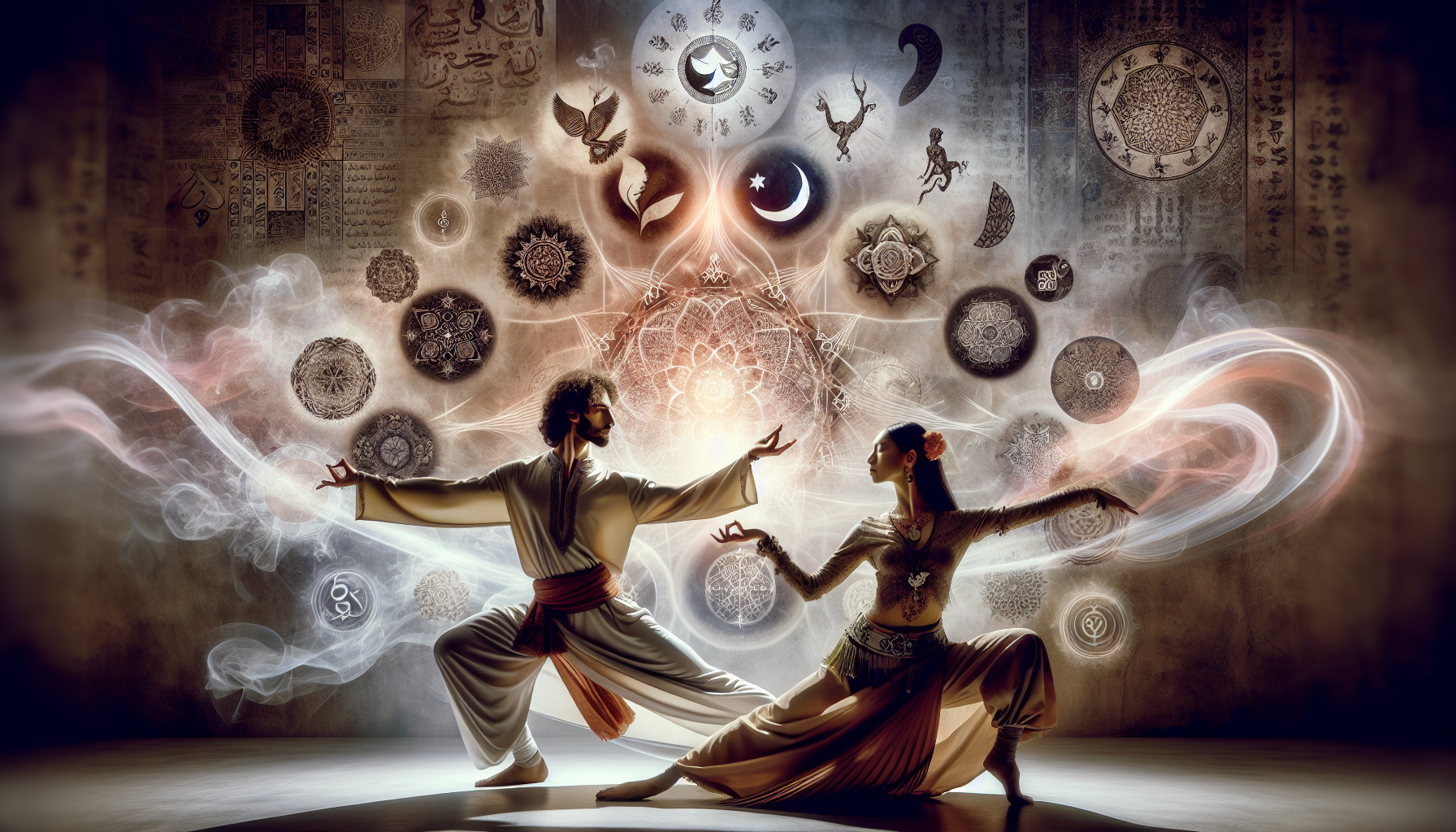
Are you curious about the connection between spirituality and dance? In this article, we will explore the profound impact that spirituality has on the world of dance and movement. Discover how dancers use their art as a form of spiritual expression, tapping into a higher power through their movements. Whether you are a dance enthusiast or simply intrigued by the power of spirituality, join us as we delve into the fascinating relationship between these two realms.
Connection between Spirituality and Dance
Dance has long been intertwined with spirituality, with a rich historical background that spans numerous cultures and traditions. Throughout history, individuals and communities have recognized the profound connection between spirituality and movement, using dance as a means of connecting with the divine, expressing their innermost thoughts and emotions, and seeking transcendence.
Historical background of spirituality in dance
The origins of spirituality in dance can be traced back to ancient civilizations, where dance was often used as a form of worship and ritual. In ancient Greece, for example, dance played a central role in religious ceremonies, with performers embodying gods and goddesses through their movements. In indigenous cultures around the world, dance was seen as a powerful way to commune with spirits, ancestors, and the natural world.
Definition of spirituality in the context of dance
Spirituality in the context of dance refers to the exploration of the sacred and the transcendental through movement. It refers to the connection between the physical body and the soul, the alignment of mind, body, and spirit. Spirituality in dance can take various forms, from specific religious rituals to personal expressions of inner spirituality.
Intrinsic link between spirituality and movement
The link between spirituality and movement is ingrained in the essence of dance itself. Movement is a fundamental aspect of the human experience, and it serves as a conduit for spiritual expression, transcending words and allowing for a deeper connection to the divine. Through dance, one can tap into a state of flow, where the mind quiets, the body becomes fully present, and the spirit soars.
Physical Manifestations of Spirituality in Dance
When spirituality is infused into dance, there are several physical manifestations that can be observed. These physical expressions serve as powerful tools for communication, allowing the dancer to convey the depth of their spiritual experience to both themselves and the audience.
Expressive body movements
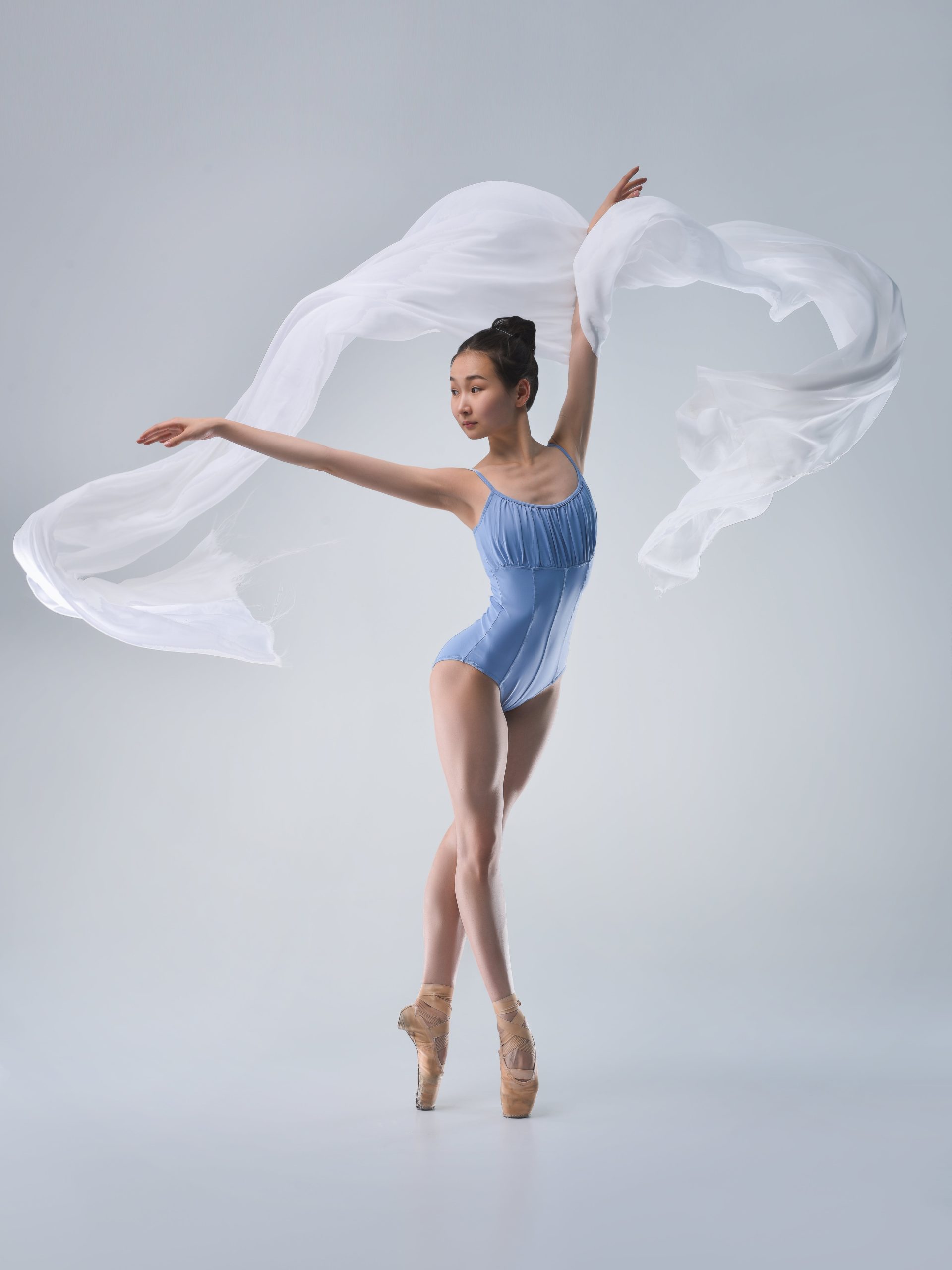
Spirituality in dance often involves expressive body movements that transcend the boundaries of everyday gesture. Dancers use their bodies to convey emotions, spiritual concepts, and symbolic meanings. From fluid and graceful movements to sharp and percussive gestures, dance becomes a language through which the soul communicates.
Flow and energy in movements
Spirituality in dance is often characterized by a sense of flow and energy. Dancers strive to connect to a higher source, channeling divine energy through their movements. This creates a dynamic and captivating display of power and grace that can be felt by both the performer and the audience.
Ecstatic and trance-like dancing
In spiritual dance, performers sometimes enter into ecstatic or trance-like states. Through repetitive movements, rhythmic patterns, and intentional breathing, dancers can enter altered states of consciousness where they feel a heightened connection to the divine. This trance-like dancing allows for a deep surrender and an opening to spiritual realms beyond the physical.
This image is property of images.pexels.com.
Diverse Cultural Influences on Spiritual Dance
Spiritual dance is deeply rooted in diverse cultural traditions around the world. Each culture brings its unique flavor, symbolism, and spiritual practices to the art of movement.
Indigenous and tribal dance traditions
Many indigenous and tribal cultures have their own rich traditions of spiritual dance. These dances often incorporate elements of nature, ancestral reverence, and community connection. From the ceremonial dances of Native American tribes to the sacred dances of African tribes, these traditions emphasize the spiritual connection between humans, the natural world, and the spiritual realms.
Eastern spiritual traditions in dance
Eastern spiritual traditions, such as Hinduism and Buddhism, have had a profound influence on the development of spiritual dance. In classical Indian dance forms like Bharatanatyam and Odissi, dancers tell stories from Hindu mythology, embodying divine beings through their movements. Similarly, in Buddhist dances like Cham and Kagura, performers depict spiritual concepts and principles through intricate choreography.
Religious and ritualistic dances
Religious and ritualistic dances are another significant aspect of spiritual dance. Whether it is the whirling dervishes of Sufism, the intricate mudras (hand gestures) of classical Japanese theater, or the liturgical dances of Christianity, these forms of dance serve as a means of expressing devotion, connecting with the divine, and participating in religious rituals.
Explore Ritualistic Elements in Spiritual Dance
Ritualistic elements play a crucial role in spiritual dance, enhancing the connection between the physical and the spiritual realms. These elements add depth and meaning to the dance and create a sacred space for spiritual exploration.
Mantras, chants, and sacred sounds
The use of mantras, chants, and sacred sounds is a common ritualistic element in spiritual dance. By uttering specific words or vocalizations, dancers create a resonance that deepens the spiritual experience. These sounds serve as powerful tools for invoking divine energies, amplifying the atmosphere of the dance, and creating a sense of unity and connection.
Symbolism and gestures in spiritual dance
Symbolism and gestures are essential aspects of spiritual dance. Dancers use specific movements, postures, and gestures to convey deeper meanings and spiritual concepts. Every arm extension, every bend of the body, and every step carries symbolic significance, imbuing the dance with layers of hidden spiritual wisdom.
Ceremonial offerings and ritual structures
In some spiritual dances, ceremonial offerings and ritual structures are incorporated to enhance the sacred atmosphere. Flowers, incense, and other sacred objects are used to create an altar or sacred space within the dance. These offerings act as a symbol of devotion and reverence, inviting the divine presence to witness and bless the dance.
This image is property of images.pexels.com.
Meditation and Movement Practices
Spirituality and meditation share a deep connection, and this connection is reflected in the practice of meditation through movement. Combining the introspective nature of meditation with the expressive power of dance creates a potent blend of mindfulness and embodied spirituality.
Connection between spirituality and meditation
Spirituality and meditation are intricately connected. Both practices seek to transcend the limitations of the ego and connect with something greater than oneself. Meditation provides a pathway to inner stillness and self-awareness, while spirituality offers a broader framework for understanding the nature of existence and our place within it.
Incorporating meditation into dance
Incorporating meditation into dance can deepen the spiritual experience and enhance the connection between mind, body, and spirit. By cultivating presence, awareness, and focused attention, dancers can enter a meditative state while moving, allowing for a more profound exploration of the spiritual dimensions of the dance.
Ancient and modern movement-based meditation practices
Throughout history, various movement-based meditation practices have emerged, each with its unique approach and philosophy. Tai Chi, Qigong, and Yoga are examples of ancient practices that combine movement, breathwork, and meditation to cultivate spiritual awareness and physical well-being. In contemporary dance forms such as Gaga and Butoh, dancers explore the meditative aspects of movement, delving into the subconscious and tapping into their innermost emotions and sensations.
The Role of Sacred Spaces in Dance
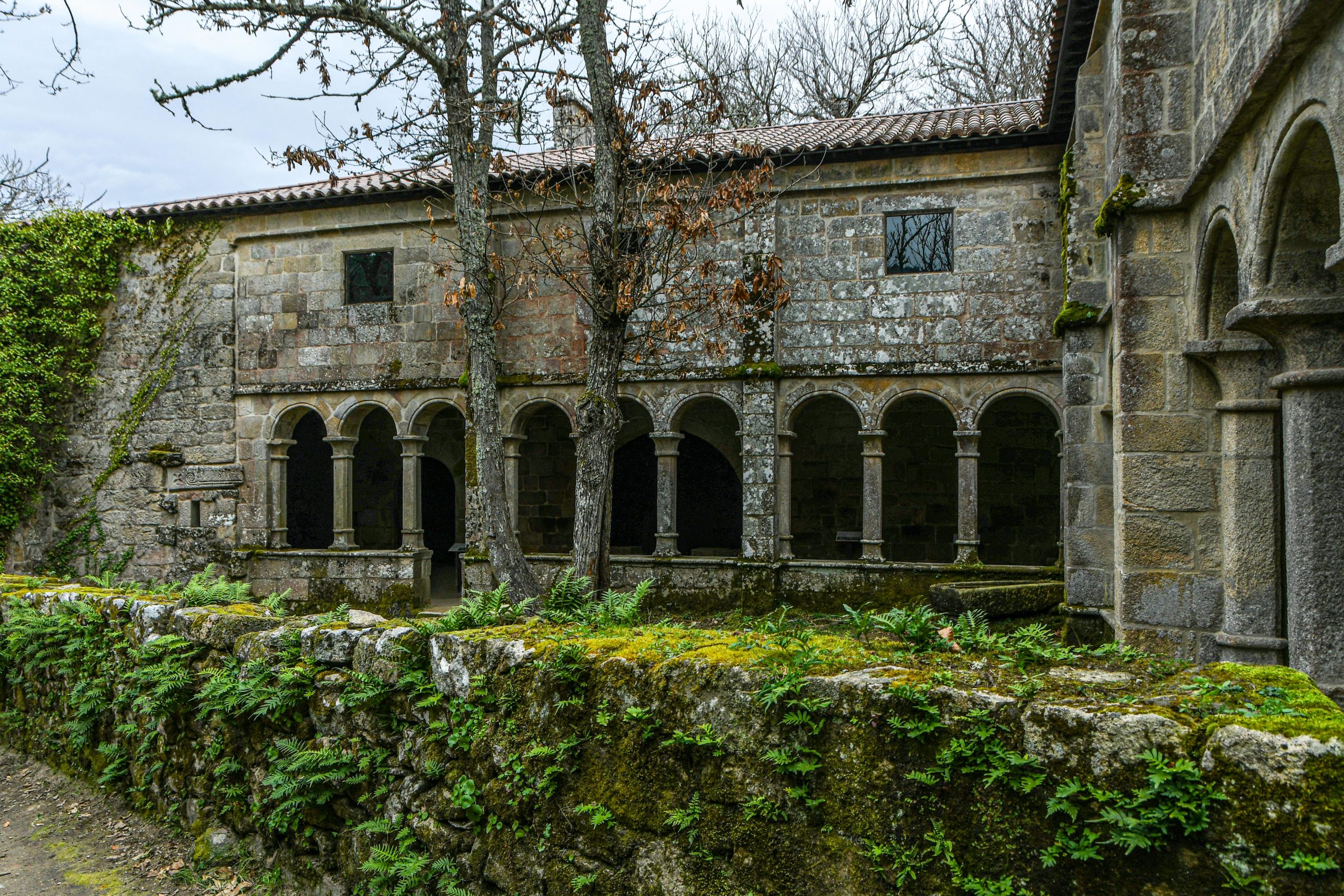
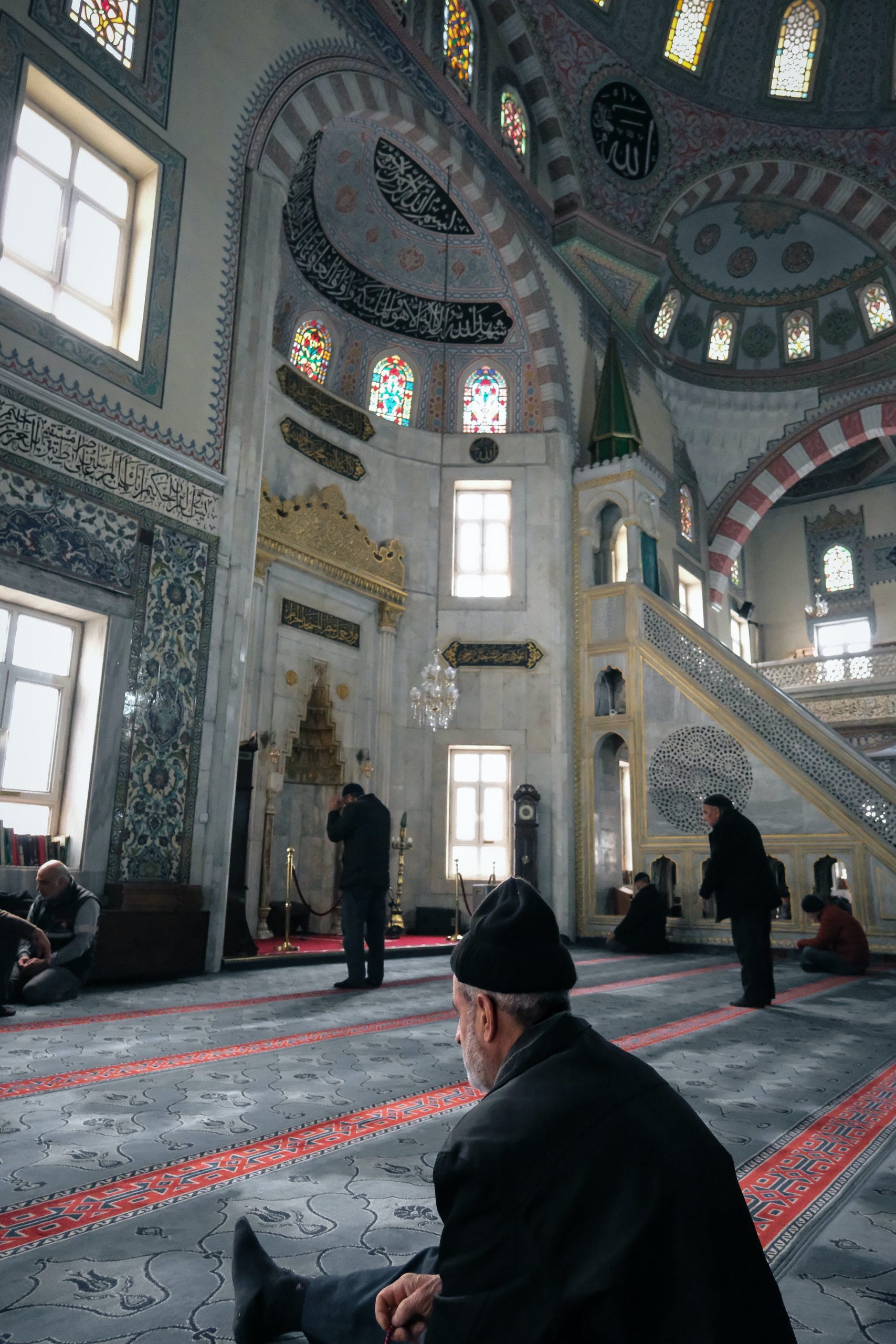
Sacred spaces hold the power to elevate the spiritual experience of dance. Whether they are traditional temples, natural environments, or purposely created spaces, these venues provide a container for the divine to manifest and for dancers to transcend their earthly limitations.
Temples, shrines, and holy sites as dance venues
In many cultures, temples, shrines, and holy sites serve as dedicated spaces for spiritual dance. These sacred venues are believed to be imbued with divine energy and are often adorned with symbolic artwork, intricate architecture, and reverent atmospheres. Dancing in these spaces allows performers to tap into the spiritual energies present and invites a sense of awe and reverence in both the dancer and the audience.
Creating sacred spaces for spiritual movement
In addition to traditional sacred spaces, dancers and choreographers have taken the initiative to create their own sacred spaces for spiritual movement. These spaces can be indoor or outdoor, minimalist or elaborate, but they all share the intention of providing a dedicated container for the exploration of spiritual themes through dance. Creating a sacred space allows dancers to set the stage for deep spiritual connection and transformation.
Nature and outdoor spaces in spiritual dance
The natural world has long been revered as a sacred space for spiritual practices, including dance. Dancing in nature allows for a profound communion with the elements, the cycles of life, and the divine energy that permeates all living beings. In spiritual dances performed outdoors, dancers integrate their movements with the surrounding environment, merging their energy with the natural rhythms of the Earth.
This image is property of images.pexels.com.
Choreography and Spiritual Expression
Choreography serves as a means to embody spiritual themes, tell stories, and express the ineffable aspects of the human experience. When infusing spirituality into choreography, dancers delve into the realm of the soul, using their bodies as instruments of spiritual expression.
Creating choreography with spiritual significance
Creating choreography with spiritual significance requires a deep understanding of the chosen spiritual themes, symbols, and intentions. Choreographers must carefully select movements, enhance symbolism through gestures, and weave a narrative that evokes a sense of the sacred. By creating choreography that resonates on a spiritual level, dancers are able to convey deeply transformative experiences to both themselves and the audience.
Body as a tool for storytelling and spiritual exploration
The human body is a powerful tool for storytelling and spiritual exploration. Through dance, the body becomes a vessel through which the dancer’s innermost thoughts, emotions, and spiritual journey are expressed. Movements become gestures, and the dancer’s body becomes a living canvas, embodying the stories of the soul.
Improvisation and the intuitive dance process
In the realm of spiritual dance, improvisation and the intuitive dance process can be powerful tools for exploring the depths of the soul. Improvisation allows dancers to tap into their authentic expressions, bypassing the constraints of pre-determined choreography. By surrendering to the intuitive dance process, dancers can access the raw, unfiltered essence of their spiritual experiences, resulting in a dance that is unique and deeply personal.
Healing and Transformation through Spiritual Dance
Spiritual dance has the potential to facilitate profound healing and personal transformation. Through the release of emotions, the alignment of energy, and the awakening of spiritual insight, dancers can experience a deep sense of liberation and self-discovery.
Emotional release and catharsis
In spiritual dance, emotions are often expressed and released through movement, allowing for emotional catharsis. By physically embodying emotions, dancers are able to tap into unresolved feelings and traumas, creating a space for healing and emotional release. Through the power of movement, dancers can find solace, understanding, and freedom from emotional burdens.
Physical and energetic healing through dance
Movement has a profound impact on the physical and energetic body. In spiritual dance, the intentional alignment of movement and energy can facilitate healing on multiple levels. Dance can help release tension from the body, enhance circulation, and promote overall well-being. Furthermore, the alignment of energy centers, such as chakras, through specific movements and visualizations, can rebalance and harmonize the energetic body.
Spiritual awakening and personal transformation
Spiritual dance has the potential to awaken dormant aspects of the self and catalyze personal transformation. By engaging in movement practices that cultivate spiritual awareness and connection, dancers open themselves up to new insights, expanded consciousness, and a profound sense of inner growth. Through the transformative power of dance, individuals can embark on a journey of self-realization and spiritual awakening.
Relationship between Spirituality and Dance Therapy
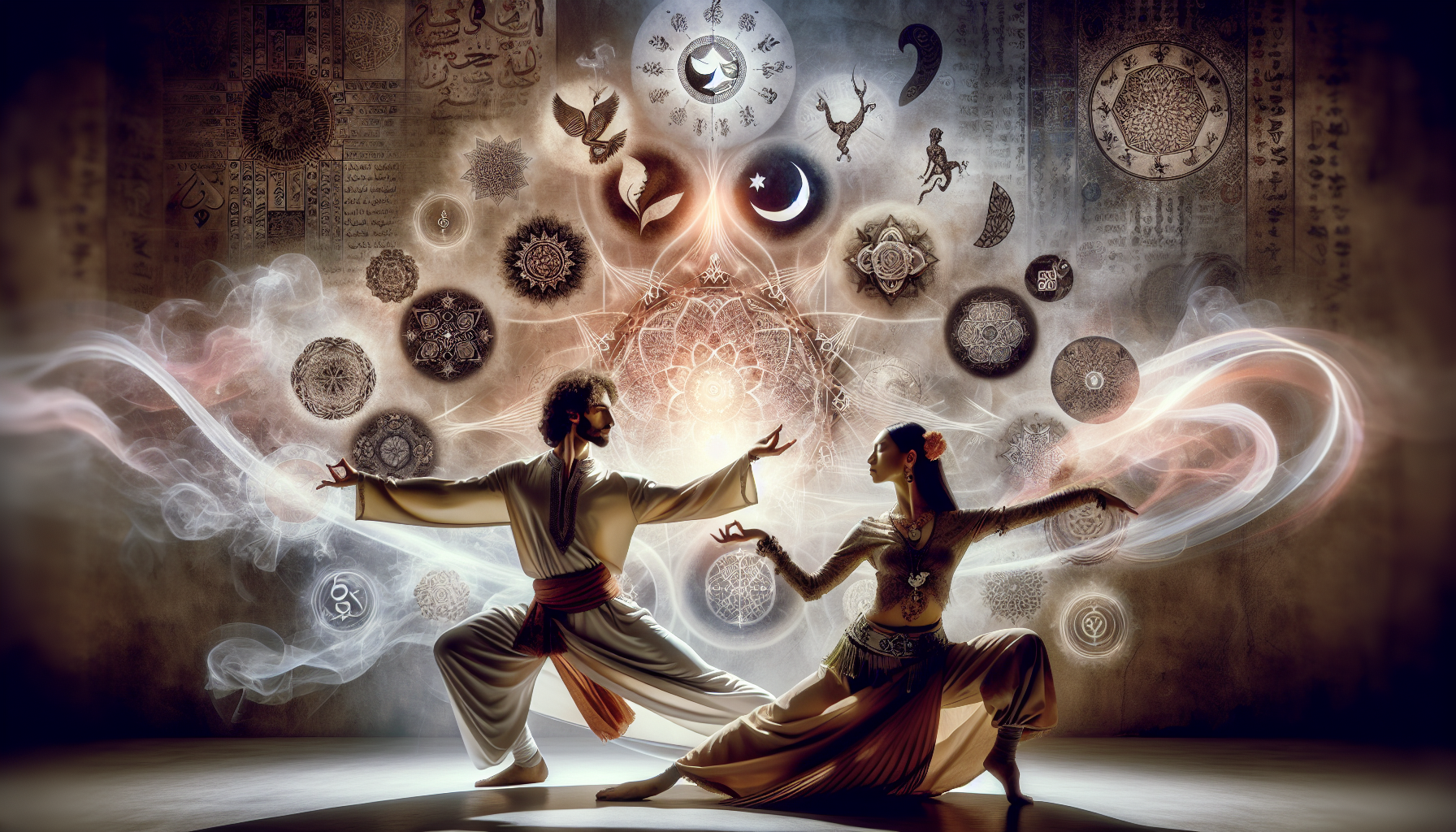
Dance therapy, also known as dance/movement therapy, recognizes the intrinsic link between spirituality and the healing process. By integrating spirituality into dance therapy sessions, individuals are able to explore the spiritual dimensions of their being, find deeper meaning in their experiences, and connect with their innate spiritual resources.
Integration of spirituality in dance therapy
The integration of spirituality in dance therapy acknowledges that individuals possess an inherent spiritual nature and that this aspect plays a crucial role in their healing journey. Dance therapists provide a safe and supportive environment where clients can explore the spiritual dimensions of their lives through movement, expression, and reflection. By integrating spirituality into therapy, clients have the opportunity to embrace a holistic approach to their well-being.
Dancing as a means of self-discovery and self-expression
In dance therapy, dancing serves as a means of self-discovery and self-expression. Through movement, individuals can access deeper layers of themselves, explore their emotions, and express their innermost thoughts and experiences. Dancing allows for a nonverbal form of communication, one that goes beyond the limitations of words and taps into the realm of the soul.
Spiritual insights and growth in therapeutic movement
Through therapeutic movement, individuals often experience spiritual insights and personal growth. By engaging with their bodies and the spiritual dimensions within, clients can gain new perspectives, develop a greater sense of self-awareness, and connect with their inherent spirituality. This process of exploration and growth can be transformational, leading to increased well-being and a more profound sense of purpose and meaning in life.
Contemporary Approaches to Spiritual Dance
In contemporary dance, artists and choreographers have embraced spirituality as a source of inspiration and exploration. They have pushed the boundaries of traditional dance forms, incorporating spirituality into contemporary and experimental works, and blending ancient and modern practices.
Incorporating spirituality in contemporary dance forms
Contemporary dance forms provide the space for artists to explore spirituality in a fresh and innovative way. Choreographers incorporate elements of mindfulness, meditation, and spiritual symbolism into their work, creating pieces that challenge conventional boundaries and invite audiences to ponder deeper existential questions. By infusing spirituality into contemporary dance forms, artists push the evolution of the art form, allowing it to become a vehicle for spiritual expression in the modern world.
Exploring spirituality in experimental and avant-garde dance
Experimental and avant-garde dance artists often gravitate toward spirituality as a means of pushing the boundaries of traditional dance. Through their work, they seek to challenge the audience’s preconceived notions of what dance can be, inviting them into a space of introspection, awe, and spiritual exploration. These artists employ unconventional movement vocabulary, abstract storytelling, and immersive experiences to create a dance that blurs the lines between the physical and the metaphysical.
Fusion of traditional and modern spiritual dance
The fusion of traditional and modern spiritual dance is an exciting area of exploration in the dance world. Choreographers combine elements of ancient practices with contemporary movement vocabulary, music, and visual design to create a unique synthesis of the old and the new. This fusion allows for a cross-cultural exchange, creating a vibrant and dynamic space where diverse spiritual traditions can coexist and inspire one another.
In conclusion, the connection between spirituality and dance is deeply ingrained in human culture and history. From ancient rituals and sacred dances to contemporary explorations of the spiritual dimensions of movement, dance has continually served as a pathway to the divine, a means of personal transformation, and a universal language of the soul. Whether through expressive body movements, ritualistic elements, or the incorporation of meditation and therapeutic practices, spirituality in dance invites us to explore the depths of our being, connect with something greater than ourselves, and embark on a journey of self-discovery and spiritual growth.