Have you ever wondered how spirituality perceives the vastness of the cosmos? From ancient traditions to modern practices, spirituality offers a unique lens through which to understand the mysteries of the universe. While science seeks empirical evidence, spirituality embraces the intangible, seeking connection, consciousness, and meaning beyond what can be measured. Whether through meditation, prayer, or simply contemplating the night sky, spirituality invites us to explore our place in the cosmic tapestry and find harmony with the greater whole. Join us on a journey as we explore how spirituality views the cosmos and the profound insights it offers along the way.
The Concept of the Cosmos in Spirituality
Perception of the Cosmos
In spirituality, the perception of the cosmos goes beyond the physical universe. It encompasses the entirety of existence, both seen and unseen. It is believed that the cosmos is not limited to what can be observed with our senses, but includes the spiritual realms and dimensions that are beyond our ordinary perception.
Interconnectedness of All Things
Spirituality emphasizes the interconnectedness of all things in the cosmos. It sees the universe as a vast web of energy, where every entity, living or non-living, is connected in a profound way. This interconnectedness suggests that what happens in one part of the cosmos can have profound effects on other parts, creating a sense of unity and harmony.
The Spiritual Universe
According to spirituality, the universe is not just made up of physical matter; it is also imbued with spiritual energy. This spiritual energy is seen as the life force that permeates all existence and gives rise to the cosmic consciousness. Therefore, the spiritual universe is not confined to the physical realm but extends into the realms of consciousness and spirituality.
Understanding the Divine Energy
Nature of the Divine
Spirituality recognizes the presence of a divine energy in the cosmos. The nature of this divine energy is often seen as all-encompassing, eternal, and transcendent. It is believed to be the source of all creation and the ultimate reality that underlies the material world. The divine energy is regarded as pure love, wisdom, and harmony, guiding and sustaining the universe.
Manifestations of Divine Energy
The divine energy is believed to manifest in various ways in the cosmos. It can be experienced as a divine presence within oneself, as well as in the natural world and all living beings. The manifestations of this energy may vary depending on individual beliefs and cultural interpretations, but the underlying principle remains the same – the divine energy is present and active in all aspects of existence.
Cosmic Consciousness
Spirituality teaches that there is a profound interconnectedness between consciousness and the cosmos. It suggests that the cosmos itself has a consciousness, often referred to as cosmic consciousness. This cosmic consciousness is seen as the awareness and intelligence that pervades the entire universe. It is through this cosmic consciousness that individuals can connect with the divine energy and gain deeper insights into the nature of existence.
This image is property of images.pexels.com.
Spirituality and the Physical Universe
The Role of the Physical Universe
While spirituality acknowledges the importance of the physical universe, it also recognizes it as just one aspect of the broader cosmic reality. The physical universe is seen as a manifestation of the divine energy and serves as a platform for spiritual growth and exploration. It is believed that through our experiences in the physical realm, we can learn valuable lessons, overcome challenges, and evolve spiritually.
The Illusion of Reality
Spirituality suggests that the physical universe, as we perceive it, is not the ultimate reality. It is considered to be an illusion, a projection of the mind that arises from our limited perception. This illusion of reality can be transcended through spiritual practices such as meditation and self-realization, allowing individuals to glimpse the true nature of existence beyond the physical plane.
Spiritual Significance of the Universe
In spirituality, the universe is seen as profoundly significant in our spiritual journey. It is believed that the universe holds profound wisdom and knowledge, and by aligning ourselves with its principles and laws, we can attain spiritual enlightenment and transformation. The physical universe, with all its intricacies and mysteries, is regarded as a reflection of the divine and a source of spiritual inspiration.
Exploring Non-Physical Realms
Higher Dimensions
Spirituality postulates the existence of higher dimensions beyond the familiar three-dimensional space we perceive. These dimensions are believed to exist outside our ordinary reality and are often associated with spiritual realms. It is suggested that these higher dimensions offer an expanded perspective of the cosmos and provide access to higher states of consciousness and spiritual experiences.
Astral Realms
The astral realms are considered to be non-physical dimensions that are intricately connected to our physical existence. It is believed that during sleep or deep meditation, individuals can temporarily leave their physical bodies and explore these astral realms. These realms are said to be inhabited by spiritual beings, and they provide opportunities for personal growth, healing, and spiritual encounters.
Spiritual Beings
Spirituality acknowledges the existence of spiritual beings in the cosmos. These beings, often referred to as angels, guides, or ascended masters, are believed to be entities of higher consciousness and wisdom. They are seen as helpers and guides on our spiritual journey, providing support, guidance, and protection. The presence of spiritual beings suggests that the cosmos is not just a physical reality but also a spiritual realm inhabited by conscious beings.
This image is property of images.pexels.com.
Cosmological Models in Spirituality
Cyclical Universe
In some spiritual traditions, the concept of a cyclical universe is embraced. This view suggests that the universe undergoes a series of cycles, where it expands and contracts repeatedly. Each cycle is seen as an opportunity for growth, learning, and spiritual evolution. This cyclical model of the universe emphasizes the idea of constant change and transformation, mirroring the dynamic nature of the spiritual journey.
Multiverse Theory
The multiverse theory proposes that our universe is just one of many universes that exist simultaneously. Each universe within the multiverse is believed to have its own unique set of physical laws and conditions. Spirituality adopts this concept to suggest that there are infinite realms of existence, each with its own spiritual dynamics and opportunities for spiritual growth.
Simulated Reality
The idea of a simulated reality, where the physical universe is a construct or a projection of consciousness, is also explored in spirituality. This perspective suggests that the cosmos, as we know it, is a virtual reality created by a higher intelligence or a collective consciousness. In this view, the physical universe serves as a platform for souls to learn and evolve, ultimately leading to spiritual awakening and self-realization.
Cosmos and the Spiritual Journey
Cosmic Laws and Principles
Spirituality recognizes the presence of cosmic laws and principles that govern the functioning of the universe. These laws are considered to be fundamental truths that guide the spiritual journey. Examples of cosmic laws include the law of cause and effect (karma), the law of attraction, and the law of divine order. By understanding and aligning with these laws, individuals can navigate their spiritual journey with grace and harmony.
Cosmic Guidance
Spirituality views the cosmos as a source of guidance and inspiration. It is believed that the universe communicates with individuals through signs, synchronicities, and intuitive insights. By cultivating awareness and attunement to the cosmic guidance, individuals can receive valuable insights and direction on their spiritual path. The cosmic guidance serves as a reminder that we are never alone in our journey and that there is divine support available to us at all times.
Integration into the Cosmos
The ultimate goal of the spiritual journey is seen as the integration of the individual self with the cosmic reality. It is about recognizing and embracing our inherent connection to the entire cosmos and finding our place within it. This integration involves transcending the egoic self and aligning with the divine energy that underlies all of creation. Through this integration, individuals can experience a profound sense of oneness and harmony with the cosmos.
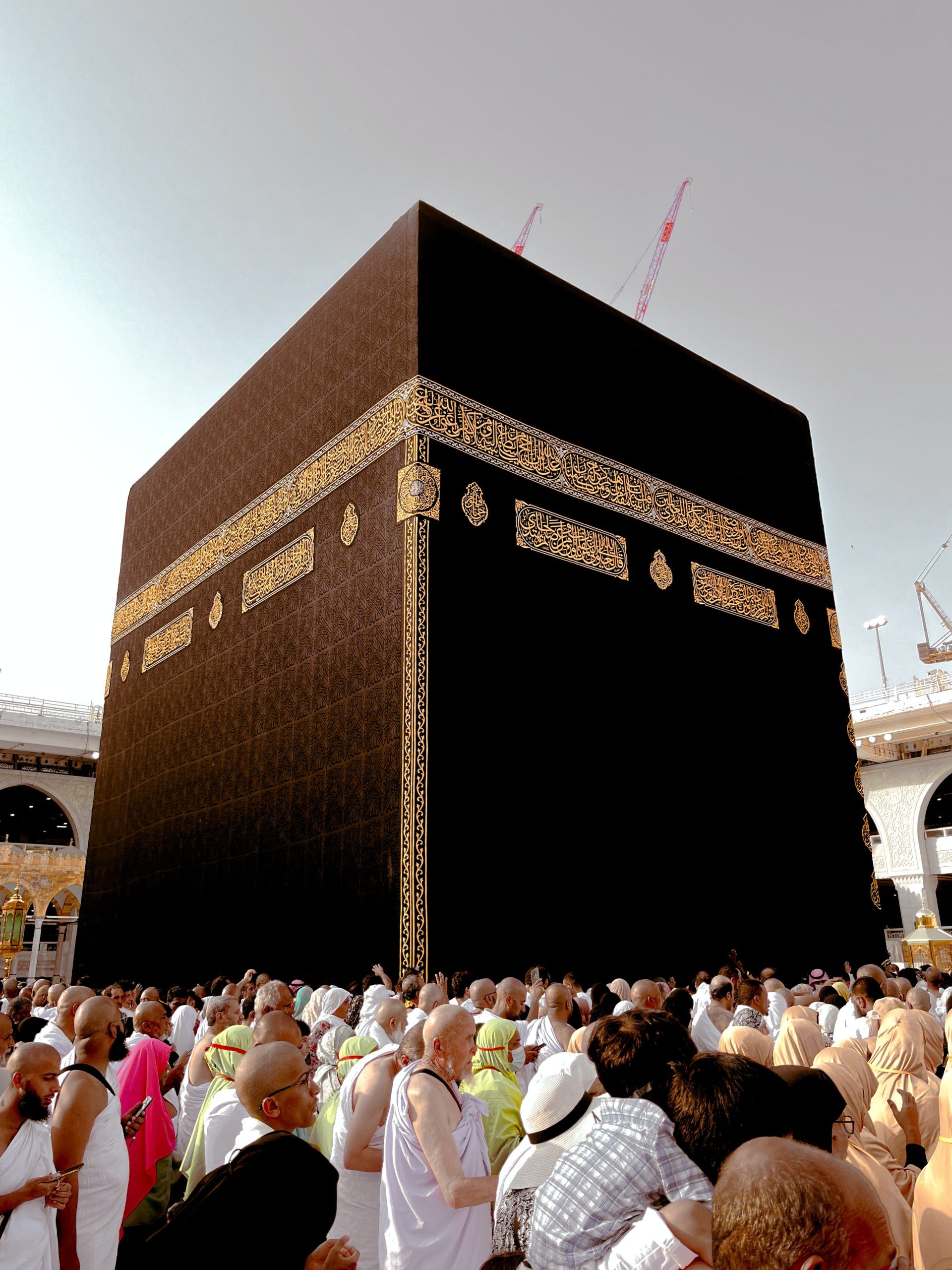
This image is property of images.pexels.com.
Sacred Symbols and Cosmic Representations
Celestial Bodies as Symbols
In spirituality, celestial bodies such as the sun, moon, and stars are often regarded as sacred symbols and representations of divine energy. They hold deep spiritual significance and are seen as channels through which the divine energy manifests in the physical universe. Celestial bodies are also associated with various qualities and attributes, such as wisdom, illumination, and guidance, which can inspire individuals on their spiritual journey.
Sacred Geometry
Sacred geometry is another aspect of cosmic representation in spirituality. It is the study of geometric patterns and shapes that are believed to have deep spiritual meaning. These patterns, such as the golden ratio, flower of life, and Metatron’s cube, are considered to be universal principles that reflect the underlying order and harmony of the cosmos. By studying and meditating on sacred geometry, individuals can tap into the profound wisdom and energy encoded within these patterns.
Cosmological Art
Art has long been used as a means of expressing and contemplating the cosmic reality in spirituality. Cosmological art often incorporates symbols, patterns, and imagery that reflect the interconnectedness and beauty of the cosmos. Through artistic expression, individuals can connect with the divine energy and gain deeper insights into the mysteries of the universe. Cosmological art serves as a reminder of the spiritual dimensions of the cosmos and can evoke a sense of awe and wonder.
The Spiritual Perspective on the Origins of the Universe
Creation Myths
In spirituality, the origins of the universe are often explored through creation myths and narratives. These myths vary across different cultures and spiritual traditions, but they all share a common theme – the belief in a divine force or consciousness that brought forth the universe and all its manifestations. Creation myths serve as symbolic narratives that convey deeper truths about the nature of existence and our place within it.
Existence without Beginning or End
Spirituality challenges the notion of time-bound beginnings and endings in the context of the universe. It suggests that the cosmos has always existed and will continue to exist in some form or another. This perspective reflects the belief in the eternal nature of the divine energy and the cyclical nature of creation. It invites individuals to contemplate the infinite nature of the universe and their own eternal essence.
Conscious Creation
From a spiritual perspective, the universe is not the product of random chance or mechanical processes; it is the result of conscious creation. It is believed that the divine energy, through its infinite wisdom and love, intentionally brought forth the universe and all its diverse manifestations. Conscious creation emphasizes the idea of purpose and intention behind the existence of the cosmos, inviting individuals to recognize their own role as conscious co-creators in the unfolding of reality.
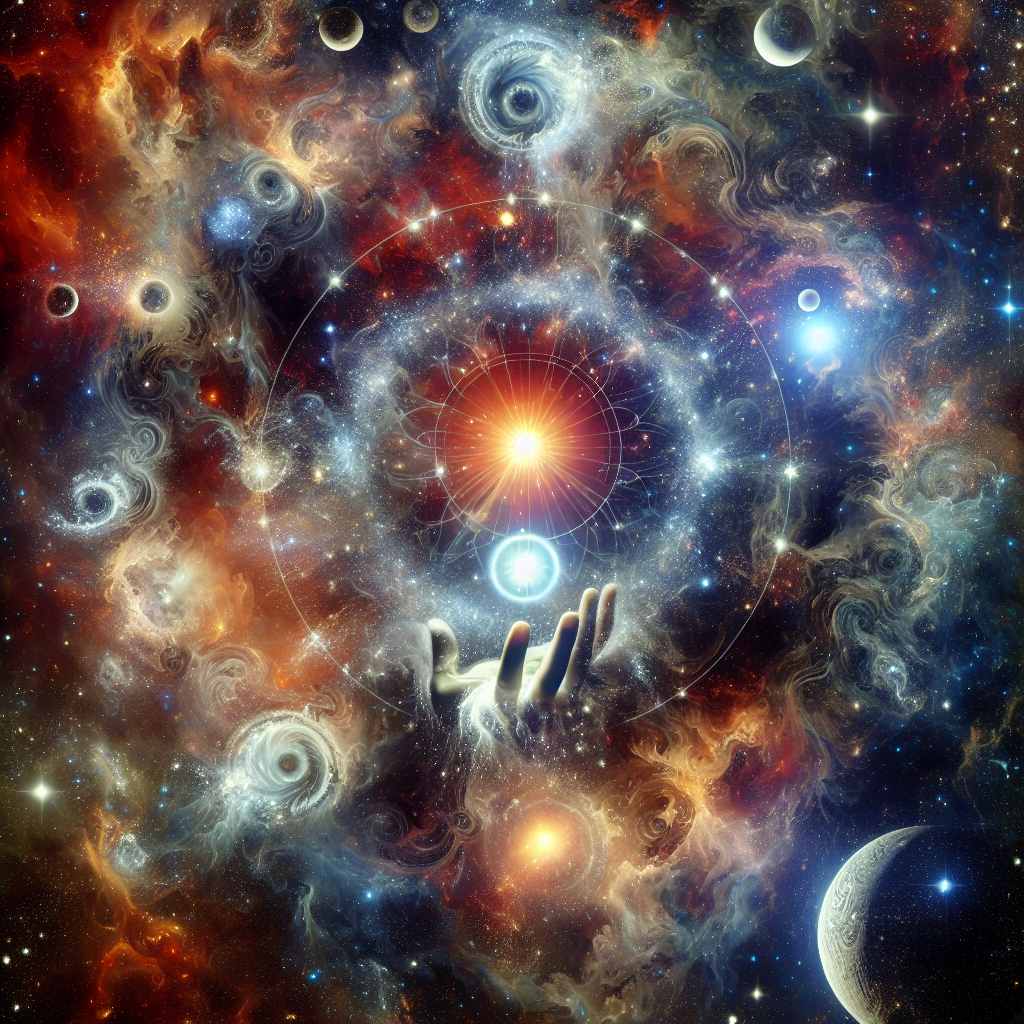
The Cosmic Harmony and Balance
Cosmic Order
Spirituality recognizes the presence of cosmic order in the universe. It is believed that the cosmos operates according to an inherent order and intelligence that ensures the harmony and balance of all things. This cosmic order can be observed in the precise movements of celestial bodies, the cycles of nature, and the intricate patterns found in the smallest of particles. By aligning with this cosmic order, individuals can experience a sense of attunement and harmony within themselves and with the greater cosmos.
Karma and the Cosmos
The concept of karma is closely related to the idea of cosmic balance in spirituality. Karma is the belief that every action, thought, and intention generates an energetic consequence that contributes to the overall balance of the cosmos. It suggests that individuals are responsible for their own actions and that they will experience the effects of those actions in due time. Karma serves as a reminder of the interconnectedness of all things and the importance of cultivating positive intentions and actions.
Universal Balance
Spirituality teaches that balance is a fundamental aspect of the cosmos. It is believed that the universe naturally seeks equilibrium and strives to maintain harmony in all its manifestations. This balance can be observed in the complementary forces of yin and yang, the interplay of light and darkness, and the cycles of growth and decay. By recognizing and honoring the principle of balance, individuals can cultivate a sense of equilibrium within themselves and contribute to the harmony of the cosmos.
The Human Connection to the Cosmos
Cosmic Oneness
Spirituality emphasizes the innate connection between human beings and the cosmos. It suggests that at the deepest level, we are all expressions of the same divine energy, interconnected and unified in our essence. This sense of cosmic oneness invites individuals to recognize the inherent divinity within themselves and in all living beings. It fosters a deep sense of compassion, unity, and reverence for the interconnected web of life.
Divine Spark Within
A central tenet of spirituality is the belief in a divine spark within each individual. This divine spark is seen as the essence of our true nature, the part of us that is directly connected to the divine energy and the cosmic consciousness. It is the source of our innate wisdom, love, and creative potential. By acknowledging and nurturing this divine spark within, individuals can awaken to their true selves and align with their higher purpose in the cosmic scheme of things.
Spiritual Evolution
Spirituality views the human experience as a journey of spiritual evolution. It suggests that through multiple lifetimes and experiences, individuals have the opportunity to grow, learn, and expand their consciousness. Each soul is believed to be on a unique path of spiritual evolution, seeking to awaken to its true nature and contribute to the greater evolution of the cosmos. This perspective invites individuals to approach life as a sacred opportunity for personal growth and spiritual transformation.
In conclusion, spirituality offers a comprehensive and expansive perspective on the cosmos. It sees the universe as much more than the physical realm, acknowledging the presence of spiritual realms, dimensions, and beings. It emphasizes the interconnectedness of all things and recognizes the profound significance of the cosmos in our spiritual journey. By embracing the concepts and teachings of spirituality, individuals can cultivate a deep sense of connection, meaning, and harmony with the vastness of the cosmos.