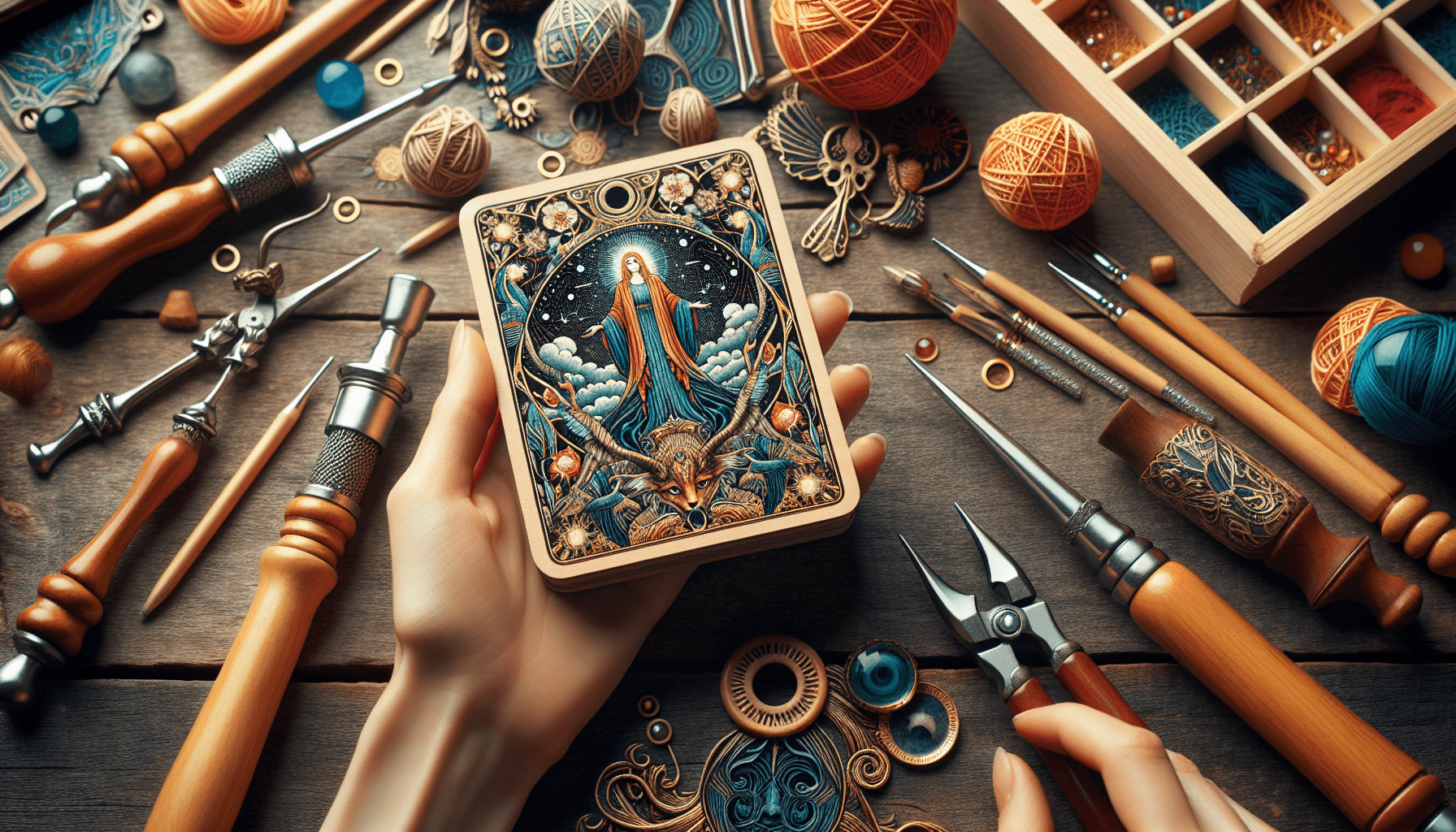
Welcome to an exploration of the artistry behind divinatory tools, specifically focusing on the beautifully crafted tarot decks that have captured the attention of many. The intricate designs, vibrant colors, and symbolic imagery of these decks not only make them powerful tools for divination, but also exquisite works of art. From traditional to modern interpretations, each deck tells a unique story and offers a glimpse into the fascinating world of divination. Let’s delve into the aesthetic dimensions of these divinatory tools and appreciate the beauty and creativity that goes into their creation.
The Artistry of Divinatory Tools: An Exploration of Beautifully Crafted Tarot Decks
Have you ever been captivated by the intricate and beautiful designs of a tarot deck? In this article, we will delve into the artistic dimensions of divinatory tools, focusing on the craftsmanship and aesthetics of beautifully crafted tarot decks. Join us on a journey of exploration as we uncover the beauty and artistry behind these fascinating tools.

The History of Tarot Decks: A Brief Overview
Tarot cards have a long and rich history, dating back to the 15th century in Europe. Originally used for playing games, tarot cards evolved into a tool for divination and spiritual insight. The imagery on tarot cards is deeply symbolic and has been influenced by various cultural and artistic movements throughout history.
Tarot decks typically consist of 78 cards, divided into two main sections: the Major Arcana and the Minor Arcana. The Major Arcana are a set of 22 cards that represent significant life events and spiritual challenges, while the Minor Arcana consist of 56 cards that focus on everyday experiences and emotions.
The Artistry Behind Tarot Deck Design
The design of a tarot deck plays a crucial role in its interpretation and aesthetic appeal. Tarot artists carefully consider every detail, from the choice of colors and symbols to the overall theme and style of the deck. Each card is a work of art in its own right, showcasing the artist’s creativity and skill.
Some tarot decks feature traditional imagery and symbolism, while others take a more modern and experimental approach. The artistic style of a tarot deck can vary greatly, ranging from classic and timeless to bold and contemporary. Whatever the style, the artistry behind tarot deck design is a key factor in its allure and popularity.
Popular Tarot Deck Themes and Styles
There are countless tarot decks available on the market, each with its own unique theme and style. Some decks draw inspiration from mythology, folklore, or nature, while others explore themes of feminism, spirituality, or fantasy. The wide range of themes and styles allows for diversity and creativity in tarot deck design.
One popular tarot deck theme is the Rider-Waite-Smith deck, which is known for its iconic imagery and symbolism. This deck has inspired countless variations and interpretations, making it a staple in the world of tarot. Other popular themes include animals, angels, and fairy tales, each offering a fresh and imaginative take on traditional tarot symbolism.
The Impact of Artistic Choices on Tarot Readings
The artistic choices made in tarot deck design can have a significant impact on the way a reading is interpreted. The symbols, colors, and imagery used in a tarot deck can influence the reader’s intuition and understanding of the cards. A well-designed tarot deck will evoke a sense of wonder and mystery, enhancing the overall reading experience.
When selecting a tarot deck for readings, it is important to choose one that resonates with you on a personal level. The imagery and symbolism should speak to your intuition and emotions, helping you connect more deeply with the cards. Whether you prefer traditional or contemporary designs, the artistry of a tarot deck can enhance the spiritual and metaphysical aspects of divination.
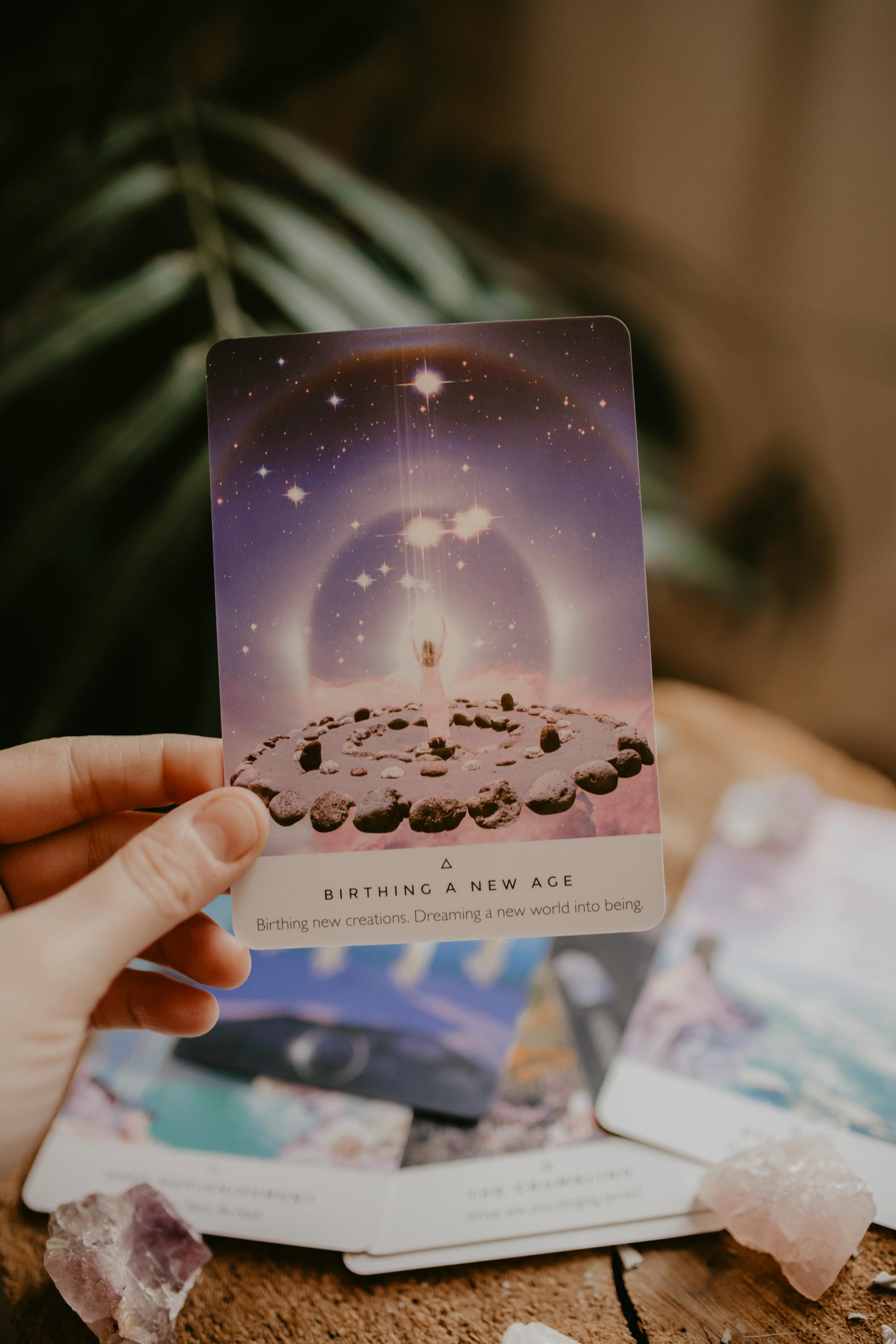
Crafting a Tarot Deck: Materials and Techniques
The process of creating a tarot deck is a labor of love that requires skill, patience, and dedication. Tarot artists carefully select materials and techniques that bring their vision to life, ensuring that every card is a masterpiece of craftsmanship. From hand-painted illustrations to digital collages, the methods used to craft a tarot deck vary widely.
Many tarot decks are printed on high-quality paper or cardstock, with durable finishes that protect the artwork from wear and tear. Some decks feature gilded edges, embossed details, or holographic elements that add a touch of luxury and sophistication. The materials used in a tarot deck can enhance its visual appeal and tactile quality, making it a pleasure to use and explore.
Tarot Deck Collections: A Look at Rare and Collectible Decks
For tarot enthusiasts and collectors, rare and collectible decks hold a special allure. These decks often feature limited editions, unique artistic styles, or historical significance that make them valuable and sought after. Collecting tarot decks can be a rewarding hobby that allows you to appreciate the artistry and craftsmanship of these timeless tools.
Some popular collectible tarot decks include:
| Deck Name | Artist | Edition | Rarity |
|---|---|---|---|
| The Golden Tarot | Kat Black | First | Rare |
| The Wild Unknown | Kim Krans | Limited | Uncommon |
| The Tarot of Prague | Karen Mahony | Special | Rare |
Each of these decks offers a unique and enchanting perspective on tarot symbolism, making them cherished additions to any collection. Whether you are a seasoned collector or a newcomer to the world of tarot, exploring rare and collectible decks can ignite your passion for divination and artistry.

Embracing Diversity in Tarot Deck Design
In recent years, there has been a growing movement towards diversity and inclusivity in tarot deck design. Artists are incorporating diverse representations of race, gender, and culture into their decks, reflecting a more inclusive and global perspective. This shift towards diversity has enriched the world of tarot, allowing for greater representation and connection among readers.
One notable example of a diverse tarot deck is The Next World Tarot by Cristy C. Road. This deck features a cast of diverse characters and bold, rebellious imagery that challenges traditional tarot conventions. The Next World Tarot celebrates diversity, activism, and self-expression, making it a powerful and empowering tool for readings and personal growth.
Choosing the Right Tarot Deck for You
With so many tarot decks available, choosing the right one for you can be a daunting task. It is important to consider your personal preferences, spiritual beliefs, and reading style when selecting a tarot deck. Whether you are drawn to classic symbolism, modern artistry, or diverse representation, there is a tarot deck out there that will resonate with you on a deep level.
Here are some tips for choosing the right tarot deck for you:
- Explore different themes and styles to find one that speaks to your interests and intuition.
- Consider the symbolism and imagery of the deck to ensure it aligns with your spiritual beliefs and values.
- Choose a deck that is visually appealing and aesthetically pleasing, as you will be working with it regularly.
- Trust your instincts and choose a deck that feels right for you, even if it is unconventional or unexpected.
By taking the time to explore different tarot decks and connect with their artistry and symbolism, you can find a deck that resonates with your spirit and enhances your divinatory practice.
Conclusion
In conclusion, the artistry of divinatory tools, particularly beautifully crafted tarot decks, plays a crucial role in enhancing the spiritual and metaphysical aspects of divination. The intricate designs, symbolic imagery, and diverse themes of tarot decks offer a visual and artistic journey that deepens our understanding of the mysteries of the universe. Through exploration and appreciation of tarot deck design, we can unlock the beauty and wisdom of these timeless tools, enriching our spiritual practice and personal growth. So, next time you hold a beautifully crafted tarot deck in your hands, take a moment to appreciate the artistry and craftsmanship that went into creating it – for it is truly a work of divinely inspired beauty.