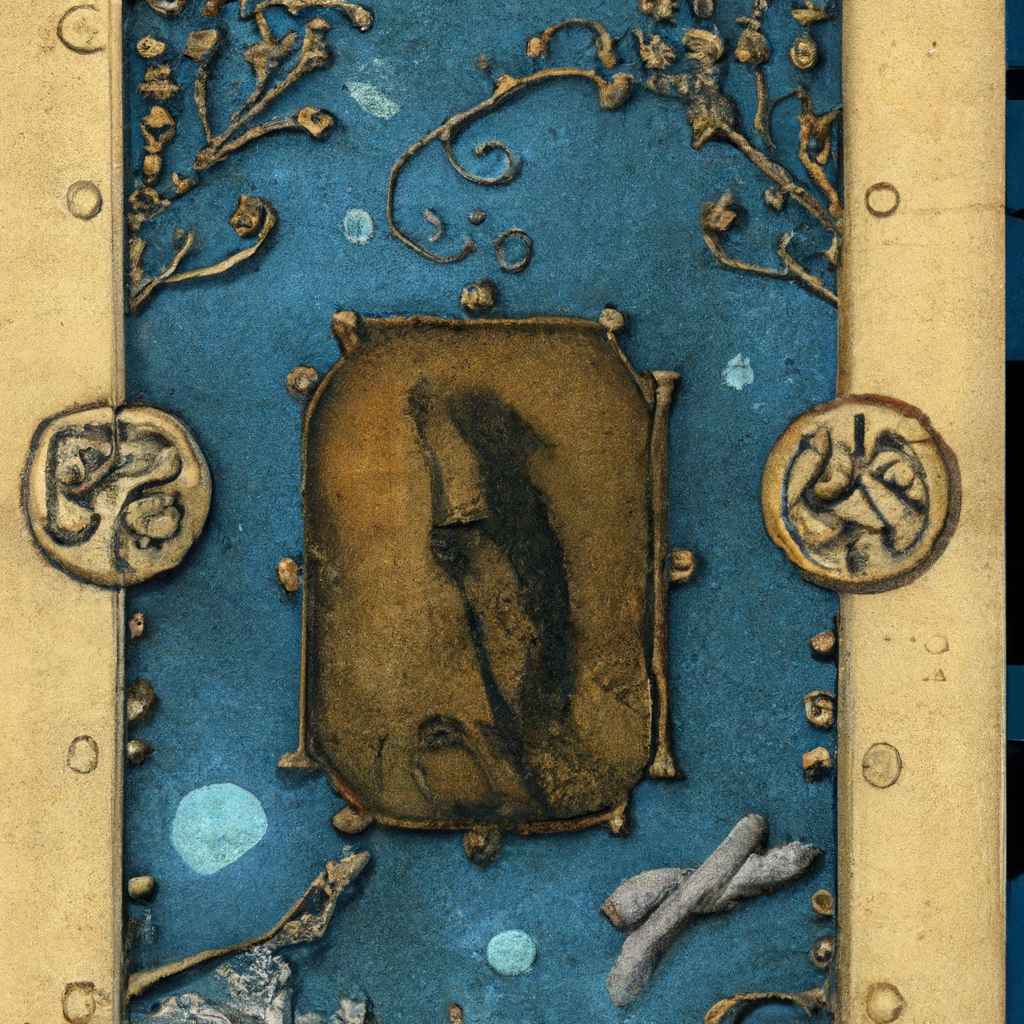
Get ready to embark on a fascinating journey through time as you explore the captivating world of divinatory rituals. From ancient civilizations to modern times, the evolution of these sacred practices has undergone remarkable transformations. Discover how divinatory rituals adapt and change, reflecting the shifting beliefs, values, and needs of humanity. Join us as we delve into the rich tapestry of history, tracing the path of divination and uncovering the hidden connections that bind us to our ancestors. Brace yourself for a thought-provoking exploration of the ever-changing nature of divinatory rituals.

This image is property of images.pexels.com.
Origins of Divinatory Rituals
Divination, the practice of seeking knowledge of the future or unknown through supernatural means, has been a part of human culture since ancient times. Early civilizations sought guidance from the spiritual realm and developed various divinatory rituals to gain insight and make important decisions.
Early Forms of Divination
The origins of divination can be traced back to ancient civilizations such as Mesopotamia, Egypt, and China. In these early forms of divination, people relied on natural elements and omens to interpret messages from the divine. They observed the flight patterns of birds, the movement of clouds, and the behavior of animals to predict future events or understand the will of the gods.
Role of Divination in Ancient Societies
Divination played a significant role in the social, political, and religious spheres of ancient societies. Kings, rulers, and ordinary individuals sought guidance from divinatory rituals to make strategic decisions, plan military campaigns, and even determine auspicious times for rituals and ceremonies. Divination was considered essential for maintaining harmony between humans and cosmic forces.
Early Divinatory Rituals
In ancient times, divination took various forms in different cultures. Some of the early divinatory rituals include:
Animal Entrails as Omens
One form of divination practiced in ancient Rome, known as haruspicy, involved the examination of animal entrails, particularly the liver, to interpret signs and omens. Priests, known as haruspices, carefully examined the organs’ shapes, colors, and textures, believing they held messages from the gods.
Clay Oracles in Ancient Mesopotamia
In Mesopotamia, clay oracles were widely used as a divinatory tool. These clay tablets were inscribed with questions and then baked. The cracks that appeared in the dried clay were believed to reveal the gods’ answers. Priests interpreted these cracks and provided guidance based on their understanding of divine messages.
Scapulimancy in Ancient China
In ancient China, divination techniques like scapulimancy gained popularity. Scapulimancy involved the use of tortoise or cattle shoulder blades, known as oracle bones, which were inscribed with questions. The bones were then heated, and the cracks that appeared were interpreted by diviners to communicate messages from ancestors or deities.
Cultural Influences on Divination
Throughout history, divination practices were influenced by the cultural exchanges and interactions between civilizations. Certain cultural influences shaped the development and spread of divination practices.
Egyptian Influence on Greek and Roman Divination
The ancient Egyptians greatly influenced divination practices in both Greek and Roman civilizations. The Greeks adopted Egyptian divination methods, such as dream interpretation and the study of celestial omens, incorporating them into their own practices. Similarly, the Romans looked to the Egyptians for guidance on predicting events, interpreting signs, and understanding the will of the gods.
Spread of Divinatory Practices Along Trade Routes
As ancient civilizations engaged in trade and cultural exchange, divination practices spread along major trade routes. The Silk Road, for example, played a crucial role in the transmission of divinatory knowledge between East and West. Divination techniques from China, India, Persia, and Central Asia found their way into various cultures, where they merged with local practices, enriching the diversity of divinatory rituals.
The Divinatory Role of Priests
In many ancient civilizations, divination was intricately tied to religious practices and the role of priests. The priests served as intermediaries between the divine and human realm, performing divinatory rituals on behalf of individuals and communities.
Priesthoods in Ancient Civilizations
Egyptian, Mesopotamian, and Roman civilizations had well-established priesthoods responsible for divinatory practices. These priests underwent rigorous training and possessed deep knowledge of religious texts and rituals. They were entrusted with the task of interpreting divine messages and guiding individuals based on their understanding of the gods’ will.
Divinatory Rituals Performed by Priests
Priests employed various methods and tools during divinatory rituals. They used incense, sacred objects, and specific chants to establish a connection with the spiritual realm. Through their intimate relationship with the divine, priests sought answers to important questions, offered guidance, and interpreted the signs and symbols revealed through divination.

This image is property of images.pexels.com.
Divination in Ancient Texts
The importance of divination is evident in ancient texts from different parts of the world. These texts provide insights into how divinatory rituals were practiced and regarded throughout history.
Divination in the Bible
In the Bible, divinatory practices such as dream interpretation and casting lots are mentioned. Ancient Israelites sought guidance from prophets who claimed to have direct communication with the divine. Dreams were believed to be a means through which the gods communicated with individuals, offering insight into future events or providing guidance in decision-making.
Ancient Indian Divination Texts
In ancient India, divination found its place in texts like the Vedas and the Upanishads. Hindus believed in the cosmic order or dharma and sought to understand it through divinatory rituals. Texts like the Ramayana and the Mahabharata mention divination methods such as palmistry, astrology, and numerology, which were widely practiced to gain insight into one’s destiny and make informed choices.
Divination in Medieval Times
With the advent of Christianity in Europe, divination faced suppression and underwent considerable changes. However, divinatory practices continued to evolve and adapt to the new religious and cultural context.
Influence of Christianity on Divination
Christianity viewed divination as a practice associated with paganism and sought to eradicate it. The Church condemned practices such as astrology, tarot reading, and witchcraft, branding them as heretical or the work of the devil. As a result, divinatory rituals that had relied on supernatural or pagan beliefs underwent a transformative process to align with Christian values.
Methods Like Scrying and Tarot Cards Emerge
During the Middle Ages, new divinatory methods emerged, incorporating Christian symbolism and beliefs. Scrying, the practice of gazing into a reflective surface such as water or a crystal, gained popularity among those seeking guidance. Tarot cards, originally used as playing cards, began to be utilized for divinatory purposes, with each card holding symbolic meanings that were interpreted to offer insight into one’s future or current situation.

This image is property of images.pexels.com.
Modern Divinatory Practices
Divinatory rituals have continued to adapt and evolve in response to changing beliefs, technologies, and societal needs. Modern divination incorporates both traditional practices and innovative approaches, offering individuals a wide range of options to seek guidance and insight.
Incorporating Technology in Divination
As technology advanced, divinatory practices found new avenues through which to reach a wider audience. Computer programs and mobile applications provided platforms for tarot readings, rune casting, and astrology predictions. These digital tools allowed individuals to access divinatory guidance at their convenience, bridging the gap between ancient wisdom and modern technology.
New Divinatory Practices Like Angel Card Readings
In recent years, new divinatory practices have emerged, catering to individuals seeking spiritual guidance. Angel card readings, for example, have gained popularity as a means of connecting with angelic beings and receiving messages of support and guidance. These cards are believed to offer insight into one’s spiritual path and provide reassurance during challenging times.
Scientific and Skeptical Perspectives
While divination has its believers, there are also scientific and skeptical perspectives that aim to offer alternative explanations for divinatory practices.
Psychological Theories on Divination
Psychologists have proposed various theories to explain the perceived accuracy of divinatory practices. Some suggest that divination works through the power of suggestion and the generation of subjective meaning. They argue that individuals interpret divinatory messages in a way that aligns with their subconscious desires and beliefs, attributing significance to random events or symbols.
Skeptical Critiques of Divinatory Practices
Skeptics, on the other hand, question the validity of divinatory practices and view them as mere pseudoscience or superstition. They argue that divination fails to produce consistent results under controlled conditions and relies on subjective interpretations rather than objective evidence. Skeptics often offer alternative explanations, such as cold reading or the use of psychological manipulation, to debunk the effectiveness of divinatory rituals.
Contemporary Divinatory Rituals
In contemporary society, divinatory rituals have experienced a resurgence in popularity, with practices such as astrology and horoscopes becoming widely embraced.
Popularity of Astrology and Horoscopes
Astrology, an ancient divinatory practice based on the study of celestial bodies and their influence on human affairs, has gained a significant following in recent years. Horoscopes, personalized astrological predictions based on one’s birth chart, have become a daily ritual for many individuals seeking guidance and insight into various aspects of life, including relationships, career, and personal growth.
Online Communities for Divinatory Practices
The rise of the internet has led to the formation of online communities dedicated to divinatory practices. These communities provide platforms for individuals to connect, share experiences, and seek guidance from fellow practitioners or professional diviners. Online forums, social media groups, and websites offer a space for like-minded individuals to discuss divinatory topics, exchange knowledge, and support each other on their spiritual journeys.
The Future of Divinatory Rituals
As society continues to evolve, divinatory rituals will likely adapt to changing beliefs, technologies, and societal needs.
Adapting Divination to Changing Beliefs and Technology
Divination will continue to incorporate elements from various spiritual traditions, embracing diverse belief systems and cultural influences. Additionally, technological advancements will continue to shape divinatory practices, offering new tools, platforms, and methods to seek guidance and insight. Virtual reality, artificial intelligence, and interactive apps may transform divination, allowing individuals to have immersive and personalized experiences tailored to their specific needs.
In conclusion, the evolution of divinatory rituals is a testament to humanity’s enduring fascination with the unknown and desire for guidance. From ancient forms of divination practiced by priests and shamans to the modern digital age, divination has adapted, absorbed cultural influences, and persisted. Whether embraced as a spiritual practice or analyzed from a scientific perspective, divination continues to play a significant role in human cultures, offering individuals a means to seek answers, find comfort, and navigate their paths through life.