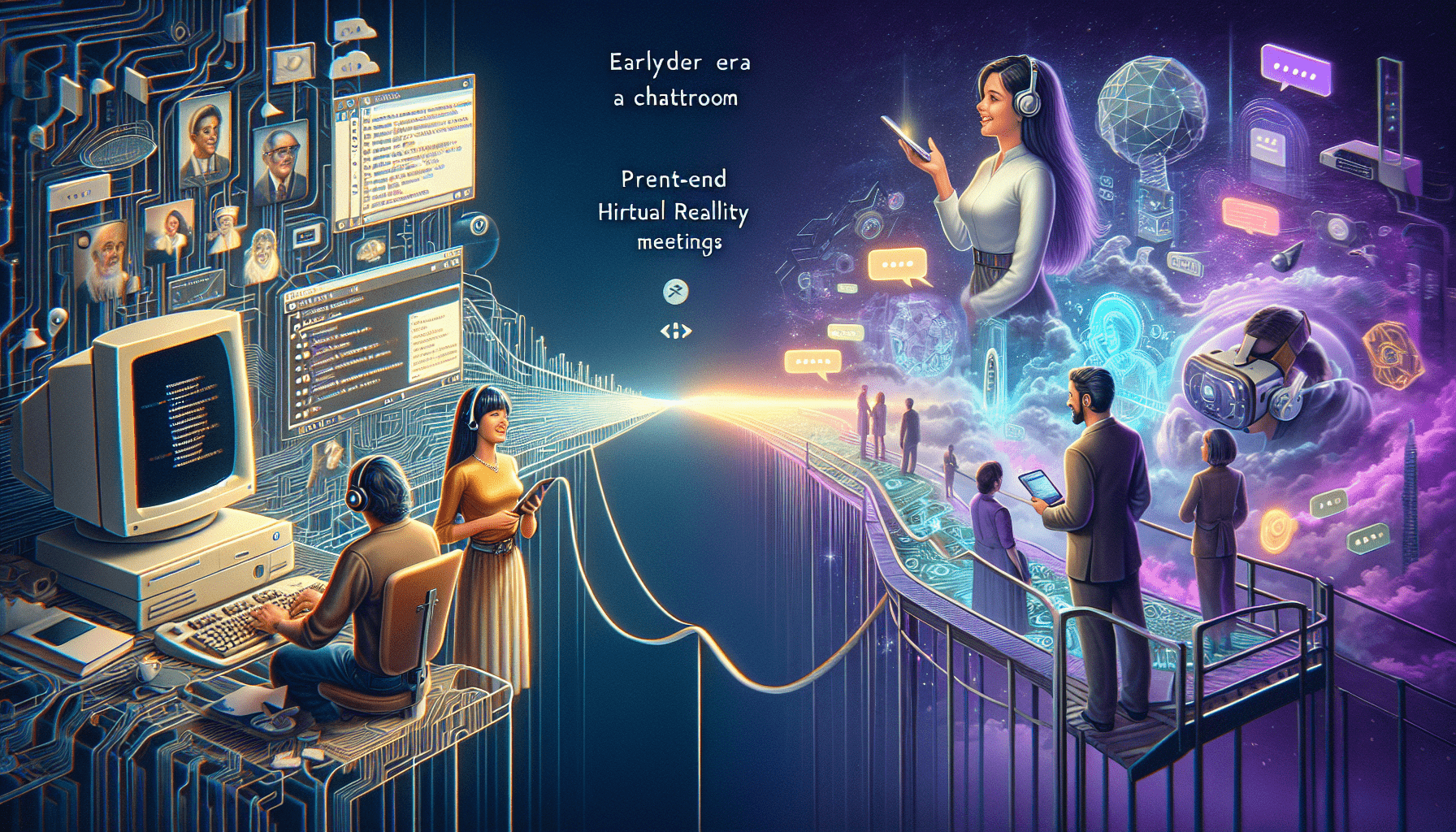
Imagine being able to connect with people from all over the world without leaving the comfort of your home. From the early days of online forums to the immersive experiences of virtual reality gatherings, the evolution of virtual reality has transformed the way we interact and build communities online. In this article, we will explore the journey of virtual reality gatherings, from their humble beginnings in forums to the immersive experiences that transport us to new worlds and bring people closer together than ever before. Strap on your virtual reality headset and get ready to embark on an exciting journey through the evolution of virtual reality gatherings.

This image is property of images.unsplash.com.
The Birth of Online Forums
Online forums have come a long way since their humble beginnings. Early on, they served as a platform for individuals to come together and discuss various topics of interest. These forums, which first emerged in the late 1970s, provided a space for people to share information, seek advice, and connect with like-minded individuals. Over time, the popularity of online forums grew, leading to the formation of virtual communities.
Early development and adoption
The development of online forums can be traced back to the early days of the internet. In the 1970s and 1980s, the concept of computer bulletin board systems (BBS) emerged, allowing users to post messages and interact with others. These primitive forums relied on dial-up connections and basic text-based interfaces. However, they laid the foundation for the modern online forum platforms we know today.
As the internet became more accessible and user-friendly in the 1990s, the popularity of online forums skyrocketed. People from all walks of life began embracing this new form of communication, creating communities centered around specific interests, hobbies, and niches. From technology and gaming to health and travel, online forums provided a space for individuals to come together and engage in meaningful discussions.
Creation of virtual communities
One of the most significant developments in the evolution of online forums was the creation of virtual communities. These communities emerged as a result of like-minded individuals connecting with each other through online forums and establishing deep relationships. These virtual communities offered a sense of belonging and camaraderie, bridging geographical distances and enabling people to connect on a global scale.
Virtual communities fostered a sense of belonging and identity. They provided a supportive and inclusive environment where individuals could freely express themselves and share their thoughts and experiences. These communities became a platform for people to find common ground, seek advice, and provide mutual support. The birth of virtual communities marked a turning point in the history of online forums, emphasizing the importance of human connection in the digital world.
Benefits and limitations
Online forums have brought numerous benefits to the table. They have empowered individuals to connect with others who share similar interests, fostering a sense of community and belonging. Furthermore, online forums have served as valuable sources of information and knowledge exchange, offering users access to a vast pool of expertise and insights.
However, online forums also have their limitations. One of the main challenges is the potential for misinformation and trolls. As these communities are open to anyone, it can be challenging to maintain the quality of information shared. Moreover, the lack of real-time interaction and limited functionality within traditional online forums can limit the level of engagement and interactivity.
Despite these limitations, online forums have played a crucial role in laying the groundwork for the evolution of virtual reality (VR) and immersive experiences.
Emergence of Virtual Reality (VR)
Virtual Reality (VR) technology has revolutionized the way we interact with digital content and has opened up a whole new world of possibilities. VR refers to the use of computer technology to create a simulated environment that can be explored and interacted with by a person using special electronic equipment, such as a VR headset. VR aims to immerse the user in a realistic and interactive experience, blurring the boundaries between the real and virtual worlds.
Introduction of VR technology
The roots of VR can be traced back to the 1960s when computer scientist Ivan Sutherland invented the first head-mounted display (HMD) system named “The Sword of Damocles.” This early VR technology was bulky and required extensive processing power, making it impractical for widespread use. However, it laid the foundation for further advancements in the field.
In recent years, VR technology has seen significant advancements. Lightweight and affordable VR headsets have become accessible to the average consumer, making immersive experiences more widespread. With the development of motion tracking, controllers, and improved graphics capabilities, VR has become more interactive and realistic than ever before.
Initial use cases in gaming and entertainment
Gaming and entertainment were among the first industries to adopt VR technology. The ability to step into virtual worlds and experience games and movies from a first-person perspective opened up a new level of immersion and engagement. VR gaming allowed players to physically interact with their surroundings, adding a new dimension of realism and interactivity.
Beyond gaming, VR also found applications in areas such as virtual tourism, virtual concerts, and virtual museums. These experiences enabled users to explore places they might not otherwise have access to, creating a sense of presence and opening doors to new possibilities for entertainment and education.
Exploration of VR socialization possibilities
As VR technology continued to evolve, developers and researchers began exploring the potential for social interaction within virtual environments. Building upon the concept of virtual communities established through online forums, VR socialization aimed to take human connection to a whole new level. Virtual reality chatrooms and virtual conventions emerged as a means for individuals to engage with one another in a realistic and immersive way.
Integration of VR in Online Gatherings
Online gatherings have evolved from static text-based forums to immersive experiences enabled by VR technology. By integrating VR into these gatherings, participants can enjoy enhanced immersion and interaction, opening up new possibilities for communication and community building.
Enhancing user immersion and interaction
VR technology allows users to step into a virtual environment and interact with others in a way that feels natural, mimicking real-life interactions. Instead of reading text-based messages, users can now see and hear each other in real-time, creating a more engaging and immersive experience. The ability to use natural gestures and movements in VR adds a layer of authenticity to the interaction, making it feel as if you are truly in the presence of others.
Benefits of VR for virtual communities
The integration of VR in virtual communities comes with a range of benefits. Firstly, VR enhances the sense of presence and connection among community members, creating a more intimate and personal environment. When users can meet and interact with each other in a virtual space, the bonds between them strengthen, leading to stronger relationships and a deeper sense of belonging.
Additionally, VR can facilitate more meaningful and productive discussions within virtual communities. Through the use of avatars and immersive environments, users can express themselves in a visually rich and engaging manner, leading to a more dynamic and interactive conversation.
Challenges and technical requirements
While the integration of VR in online gatherings brings exciting possibilities, there are also challenges to overcome. The hardware requirements for VR can be a barrier for some individuals, as VR headsets and equipment can be costly. Additionally, the technical aspects of setting up and maintaining VR systems, such as calibration and software compatibility, require expertise and resources.
Furthermore, the development of VR applications and environments for online gatherings requires specialized knowledge and skills. Therefore, there is a need for collaboration between developers, designers, and the community members themselves to create engaging and user-friendly VR experiences.
Virtual Reality Chatrooms
Virtual reality chatrooms mark a significant step forward in the evolution of online communication. These virtual spaces provide real-time conversations with a heightened sense of immersion, enabling users to interact with each other through avatars and customizable environments.
Virtual spaces for real-time conversations
Virtual reality chatrooms allow users to engage in real-time conversations, simulating the experience of face-to-face interactions. Through the use of VR headsets, users can see and hear each other as if they were physically present in the same room. This creates a unique sense of presence and fosters a more natural and authentic mode of communication.
Avatar customization and personalization
One of the defining features of virtual reality chatrooms is the ability to create and customize avatars. Users can choose how they appear in the virtual space, representing themselves through a digital embodiment that can reflect their personality, preferences, and identity. Avatars can be personalized with various attributes, such as different appearances, clothing, and accessories, allowing individuals to express themselves creatively in the virtual realm.
Creating a sense of presence
The sense of presence is a key element in virtual reality chatrooms. By creating an environment that feels realistic and immersive, users can feel as if they are truly present with others, transcending the limitations of physical distance. This sense of presence enhances the overall experience and fosters a deeper level of connection and engagement among participants.
Virtual reality chatrooms have revolutionized the way people communicate online, transforming static text-based conversations into dynamic and interactive exchanges.

This image is property of images.unsplash.com.
Virtual Conventions and Expos
The transition from physical events to virtual conventions and expos has been made possible through the advancements in VR technology. These virtual environments replicate the experience of attending a real-life event, providing opportunities for networking, learning, and exploration.
Replicating physical events in virtual environments
Virtual conventions and expos aim to recreate the experience of attending a physical event in a virtual space. By recreating the atmosphere, layout, and features of a traditional event, participants can navigate through virtual exhibition halls, attend presentations, and engage in networking activities, just as they would in the physical world.
Through the use of VR headsets, users can explore virtual environments, visit virtual booths, and interact with exhibitors and attendees. This replication of physical events in the digital realm allows for a seamless transition from in-person gatherings to virtual experiences, and opens up new possibilities for event organizers and participants alike.
Expanding reach and participation
One of the major advantages of virtual conventions and expos is the ability to reach a wider audience. Physical events are often limited by factors such as geographical location, travel costs, and venue capacity. By bringing the event into a virtual space, anyone with access to VR technology can participate, regardless of their physical location.
Additionally, virtual events enable participants to engage with the content at their convenience. Rather than attending a specific date and time, virtual conventions and expos often provide on-demand access to presentations, workshops, and exhibits, allowing attendees to explore the content at their own pace.
Exhibition halls and interactive booths
Exhibition halls and interactive booths are key components of virtual conventions and expos. These virtual spaces provide a platform for exhibitors and sponsors to showcase their products, services, and innovations. Participants can visit these virtual booths, access interactive demos, and engage in conversations with representatives in real-time.
Virtual exhibition halls also enable exhibitors to gather valuable data and feedback from attendees. Through analytics and user interaction metrics, exhibitors can gauge the level of interest and engagement, identify leads, and tailor their offerings to the preferences and needs of the virtual audience.
Virtual conventions and expos have proven to be a viable and scalable alternative to physical events, opening up new opportunities for industries and communities to connect and collaborate.
Immersive Social Platforms
In recent years, immersive social platforms have emerged as the next frontier in online social networking. Powered by VR technology, these platforms offer shared activities and experiences, allowing users to build relationships and connect with others in immersive and interactive virtual spaces.
Virtual reality social networks
Immersive social platforms take the concept of social networking to a whole new level. By leveraging VR technology, these platforms create virtual environments where users can interact with others, socialize, and engage in various activities. These virtual reality social networks provide a sense of presence and interaction that goes beyond traditional social media platforms.
Within immersive social platforms, users can create profiles, connect with friends, and join virtual communities based on shared interests. Users can engage in activities such as virtual parties, multiplayer games, and collaborative projects, fostering meaningful connections and relationships.
Shared activities and experiences
One of the defining features of immersive social platforms is the focus on shared activities and experiences. In these virtual worlds, users can engage in collaborative projects, explore virtual landscapes, and participate in group activities. Whether it’s attending a live concert, exploring a digital art gallery, or playing a virtual sport, the possibilities for shared experiences are virtually limitless.
These shared activities and experiences foster a sense of community and engagement, deepening the connections between users. By participating in meaningful activities together, users can bond and develop relationships that go beyond the limitations of traditional online communication.
Building relationships through avatars
In immersive social platforms, users interact with each other through avatars – digital representations of themselves. These avatars can be customized to reflect the user’s preferences, allowing for self-expression and creative personalization. Through their avatars, users can express emotions, gestures, and movements, further enhancing the realism and authenticity of the social interaction.
Building relationships through avatars creates a unique and immersive experience, as users feel as though they are truly present with others. This sense of presence fosters a deeper level of connection and engagement, making it easier to form meaningful friendships and relationships through immersive social platforms.
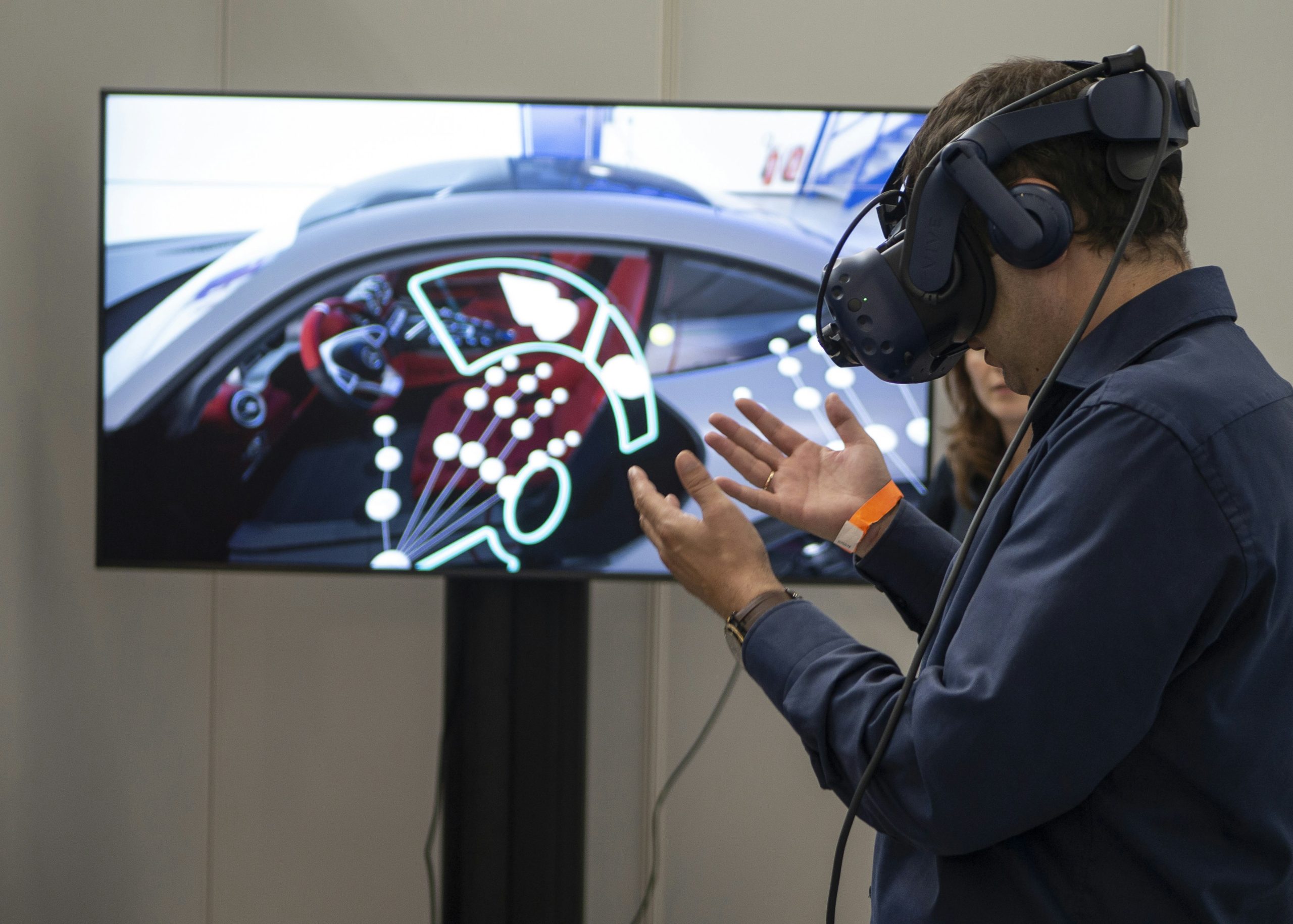
This image is property of images.unsplash.com.
Integration of Real-World Elements
The integration of real-world elements within virtual reality experiences has opened up a new dimension of interaction and possibilities. By blending the virtual and physical worlds, users can experience a seamless combination of digital content and real-life elements, creating a richer and more immersive experience.
Blending virtual and physical worlds
The integration of real-world elements in VR experiences allows for a more comprehensive and holistic experience. For example, users can bring physical objects into the virtual world, interacting with them in real-time. This could include using physical controllers, incorporating real-world props, or even utilizing haptic feedback devices to simulate touch and texture.
Blending the virtual and physical worlds enables users to experience a more cohesive and realistic environment, creating a deeper sense of immersion and connection. This integration of real-world elements further enhances the possibilities for interaction and engagement within virtual reality.
Live-streaming real events into virtual reality
One exciting application of integrating real-world elements is the live-streaming of real events into virtual reality. Through VR technology, users can virtually attend live concerts, sporting events, conferences, and more, experiencing the event as if they were physically present.
Live-streaming real events into virtual reality not only expands the reach and accessibility of these events but also enhances the overall experience for remote participants. Users can feel as though they are part of the live action, interacting with the environment and other attendees, fostering a sense of shared presence and connection.
Integration of IoT devices for enhanced experiences
The integration of Internet of Things (IoT) devices further enhances the immersive experience in virtual reality. By connecting IoT devices to VR systems, users can experience virtual environments that respond to real-life interactions. For example, using smart home devices, users can control virtual lighting, temperature, and other environmental factors.
Integrating IoT devices with VR technology adds a layer of realism and interactivity to virtual experiences, providing users with a more immersive and engaging environment. This integration allows for a seamless transition between the physical and virtual worlds, creating a highly immersive and dynamic experience for users.
Virtual Reality Workshops and Classes
Virtual reality has transformed the way workshops and classes are conducted, moving beyond traditional learning environments and providing interactive and hands-on experiences through digital simulations.
Interactive learning environments
Virtual reality workshops and classes provide interactive learning environments that go beyond the limitations of traditional education settings. By leveraging VR technology, instructors can create immersive and dynamic simulations, fostering active engagement and participation from learners.
Through VR, learners can explore virtual environments, manipulate objects, and perform tasks in a controlled and safe setting. This hands-on learning approach enhances retention and comprehension, as learners can physically interact with the subject matter and engage in experiential learning.
Hands-on experiences through VR
One of the key benefits of virtual reality workshops and classes is the ability to provide hands-on experiences that were previously inaccessible or impractical. VR can simulate environments that mimic real-world scenarios, allowing learners to practice skills and techniques in a risk-free and controlled setting.
For example, medical students can perform virtual surgeries, architects can design and experience virtual buildings, and engineers can troubleshoot virtual machines. These hands-on experiences enable learners to gain practical knowledge and skills that translate directly into real-world applications.
Collaboration and knowledge sharing
Virtual reality workshops and classes facilitate collaboration and knowledge sharing among learners. Through immersive virtual environments, learners can work together on projects, solve problems as a team, and exchange ideas in real-time. This collaborative approach fosters a sense of community and engagement, creating a dynamic and interactive learning experience.
Through the use of avatars and real-time communication tools, learners can interact with instructors and peers, receive immediate feedback, and participate in discussions and group activities. Virtual reality workshops and classes redefine traditional education models, offering learners a more engaging and immersive learning experience.

Advancements in Immersive Technologies
Advancements in immersive technologies have propelled VR experiences to new heights, transforming the way we interact with digital content and enabling more realistic and engaging virtual experiences.
Improved hardware and graphics capabilities
The development of advanced hardware and graphics capabilities has greatly contributed to the evolution of immersive technologies. VR headsets have become lighter, more comfortable, and more affordable, making them accessible to a broader audience. High-resolution displays and improved lenses have enhanced the visual fidelity, reducing motion sickness and creating more realistic and immersive environments.
Furthermore, the development of powerful graphics processing units (GPUs) and real-time rendering techniques has allowed for more detailed and visually stunning virtual worlds. This improved hardware and graphics capabilities have paved the way for highly immersive and engaging VR experiences.
Development of haptic feedback systems
Haptic feedback systems play a vital role in creating a truly immersive and multi-sensory experience in virtual reality. These systems provide users with tactile feedback, simulating the sense of touch and texture in the virtual world. From vibration and pressure sensors to haptic gloves and vests, haptic feedback systems allow users to feel and interact with virtual objects and environments.
The development of haptic feedback systems has opened up new possibilities for virtual reality, enabling users to experience a sense of physicality and enhancing the overall immersion and realism of virtual experiences. Whether it’s feeling the impact of a virtual object or sensing the texture of a virtual surface, haptic feedback adds a whole new dimension of engagement to VR.
Virtual reality beyond visual and audio simulation
While visual and audio simulation are key components of virtual reality, advancements in immersive technologies have expanded the scope of VR beyond these aspects. By integrating other sensory modalities, such as touch, smell, and even taste, researchers and developers are pushing the boundaries of what is possible in virtual reality.
For example, researchers have been exploring the use of olfactory interfaces to simulate smells in virtual environments. By releasing specific scents based on virtual events, users can experience a multi-sensory environment that further enhances the sense of presence and immersion.
Advancements in immersive technologies continue to push the boundaries of virtual reality, creating more realistic, engaging, and multi-sensory experiences. These advancements pave the way for future innovations and possibilities in the realm of immersive technologies.
Future Possibilities and Potential
As virtual reality and immersive technologies continue to evolve, the possibilities and potential are seemingly limitless. The impact of immersive experiences extends beyond entertainment and gaming, with various industries and communities embracing the transformative power of VR.
Continued innovation and adoption
The evolution of virtual reality and immersive technologies is an ongoing process. Technological advancements, such as 5G networks, augmented reality (AR) integration, and artificial intelligence (AI) enhancements, will continue to shape the future of immersive experiences. These innovations will lead to more realistic visuals, enhanced interactivity, and further integration with the physical world.
The adoption of VR and immersive technologies is also expected to increase in the coming years. As the technology becomes more accessible, affordable, and user-friendly, more individuals and organizations will embrace virtual reality as a means of communication, education, and entertainment. This widespread adoption will drive further innovation and push the boundaries of what is possible in immersive experiences.
Impact on various industries and communities
Virtual reality and immersive experiences have already made a significant impact across various industries. From healthcare and education to architecture and engineering, VR has revolutionized the way professionals in these industries work, learn, and interact.
In healthcare, VR has been used for training medical professionals, simulating surgeries, and treating patients with phobias or anxiety disorders. In education, VR offers immersive learning experiences and interactive simulations that enhance comprehension and engagement. In architecture and engineering, VR allows for the visualization of designs, enabling stakeholders to experience and make informed decisions before construction begins.
The potential impact of virtual reality extends beyond industries. Virtual reality has the power to connect people from different cultures, backgrounds, and geographical locations, fostering understanding and empathy. It can also provide new ways for individuals with disabilities to experience the world, breaking down barriers and creating a more inclusive society.
Ethical considerations and challenges
With the rapid advancement of immersive technologies, ethical considerations and challenges arise. Privacy concerns, data security, and the potential for addiction are among the key ethical considerations that need to be addressed as VR becomes more prevalent.
As virtual reality technology becomes more integrated into our daily lives, it raises questions about the ethical use of user data and the potential for unauthorized surveillance. Additionally, the immersive nature of VR experiences may raise concerns regarding addiction and detachment from the physical world.
To ensure the responsible and ethical use of virtual reality, it is crucial for developers, policymakers, and organizations to establish guidelines and regulations that protect user privacy, ensure data security, and promote responsible use of the technology.
In conclusion, the evolution of virtual reality gatherings, from online forums to immersive experiences, has transformed the way we connect, learn, and interact in the digital world. Online forums laid the foundation for virtual communities, fostering a sense of belonging and community. Virtual reality has taken these experiences to a new level, offering more immersive and authentic interactions. From virtual reality chatrooms to virtual conventions and immersive social platforms, the possibilities for human connection and engagement are expanding.
Integrating real-world elements, such as live-streaming events and the integration of IoT devices, blurs the boundaries between the physical and virtual worlds, creating a highly interactive and engaging experience. Virtual reality workshops and classes provide hands-on learning experiences that go beyond traditional education settings, while advancements in immersive technologies continue to push the boundaries of what is possible in virtual reality.
The future of virtual reality and immersive experiences holds great promise. Continued innovation and adoption will lead to new possibilities and impacts across various industries and communities. However, ethical considerations must be addressed to ensure responsible and meaningful use of the technology. As we move forward, virtual reality has the potential to transform the way we live, work, and interact, creating a more connected and immersive future.