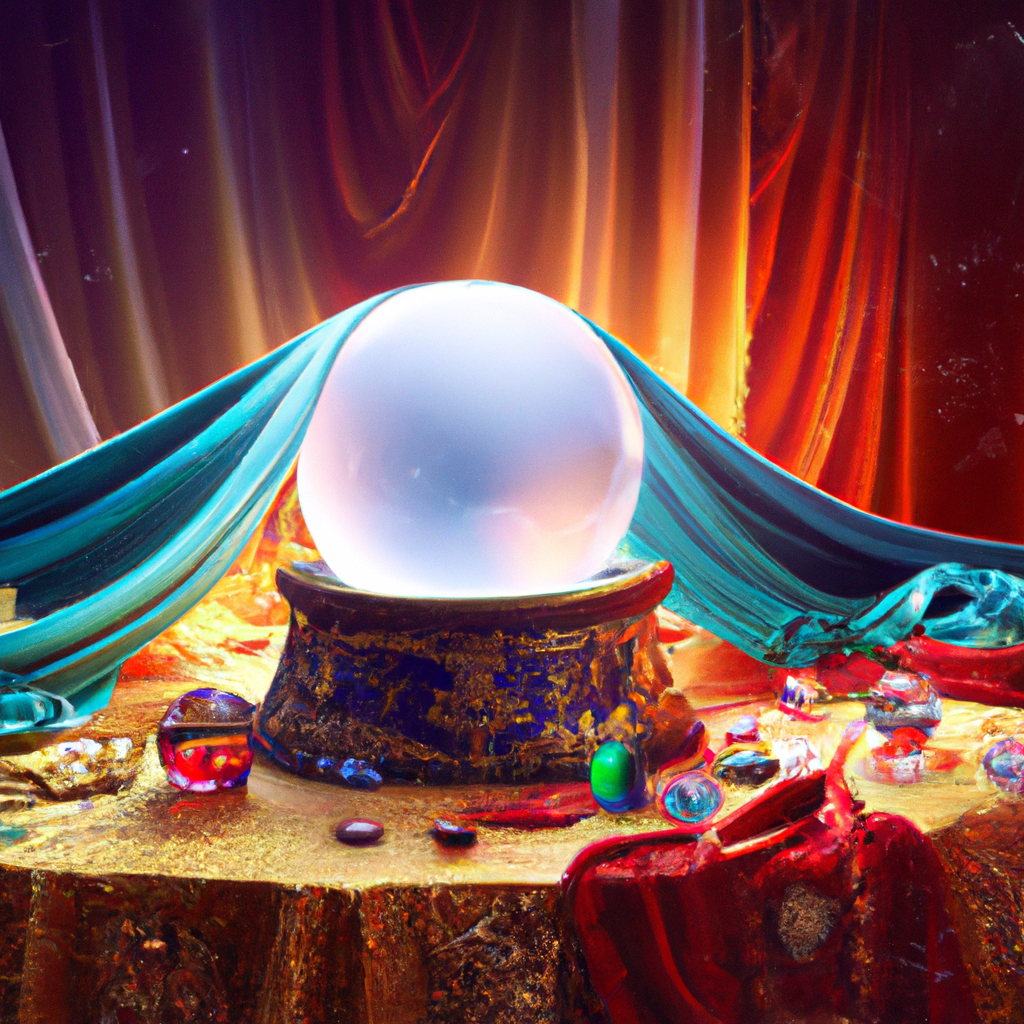
Have you ever wondered about the mystical connection between divination and the world of art? It is fascinating to explore how divination, the practice of seeking knowledge of the future or the unknown, can inspire and influence artistic expression. From ancient cultures to modern times, artists have drawn inspiration from various divination methods, such as tarot cards, astrology, and oracle readings. The intricate symbolism, rich imagery, and thought-provoking interpretations found in divination techniques often find their way into visual arts, literature, and even music. Let us embark on a journey to uncover the profound impact of divination on art and creativity.
The Historical Connection between Divination and Art
Throughout history, divination and art have been closely intertwined, with divination practices often serving as a source of inspiration for artistic expressions. From the ancient civilizations to the present day, divination has played a significant role in shaping various forms of art, including visual art, literature, poetry, and music. The belief in obtaining divine knowledge and guidance through divination has fueled the creative minds of artists, resulting in the inclusion of divinatory themes and symbols in their work.
Ancient civilizations and divination practices
Divination has a rich and ancient history, with practices dating back to the ancient civilizations of Egypt, Mesopotamia, and China. In these early societies, divination was considered a powerful tool for gaining insight into the future, making important decisions, and communicating with the divine. Artifacts and writings from these civilizations reveal the prevalence of divination practices, often depicted in intricate carvings, paintings, and sculptures. Divination rituals were seen as integral to the culture and spirituality of these ancient societies, and artists played a vital role in capturing and preserving the essence of these practices through their art.
Role of divination in artistic expressions throughout history
From the Renaissance era to the present day, divination has continued to inspire artists and influence their creative processes. Divinatory practices such as astrology, tarot, and palmistry have found their way into various art forms, providing artists with a wealth of symbolism and meaning to incorporate into their work. The use of divinatory symbols, such as the Tarot cards or astrological signs, allows artists to convey deeper layers of meaning and invite contemplation and interpretation from viewers. Divination has also been a recurring theme in literature and poetry, with many renowned authors and poets using divinatory symbolism and themes to explore existential questions and the human condition.
Understanding Divination
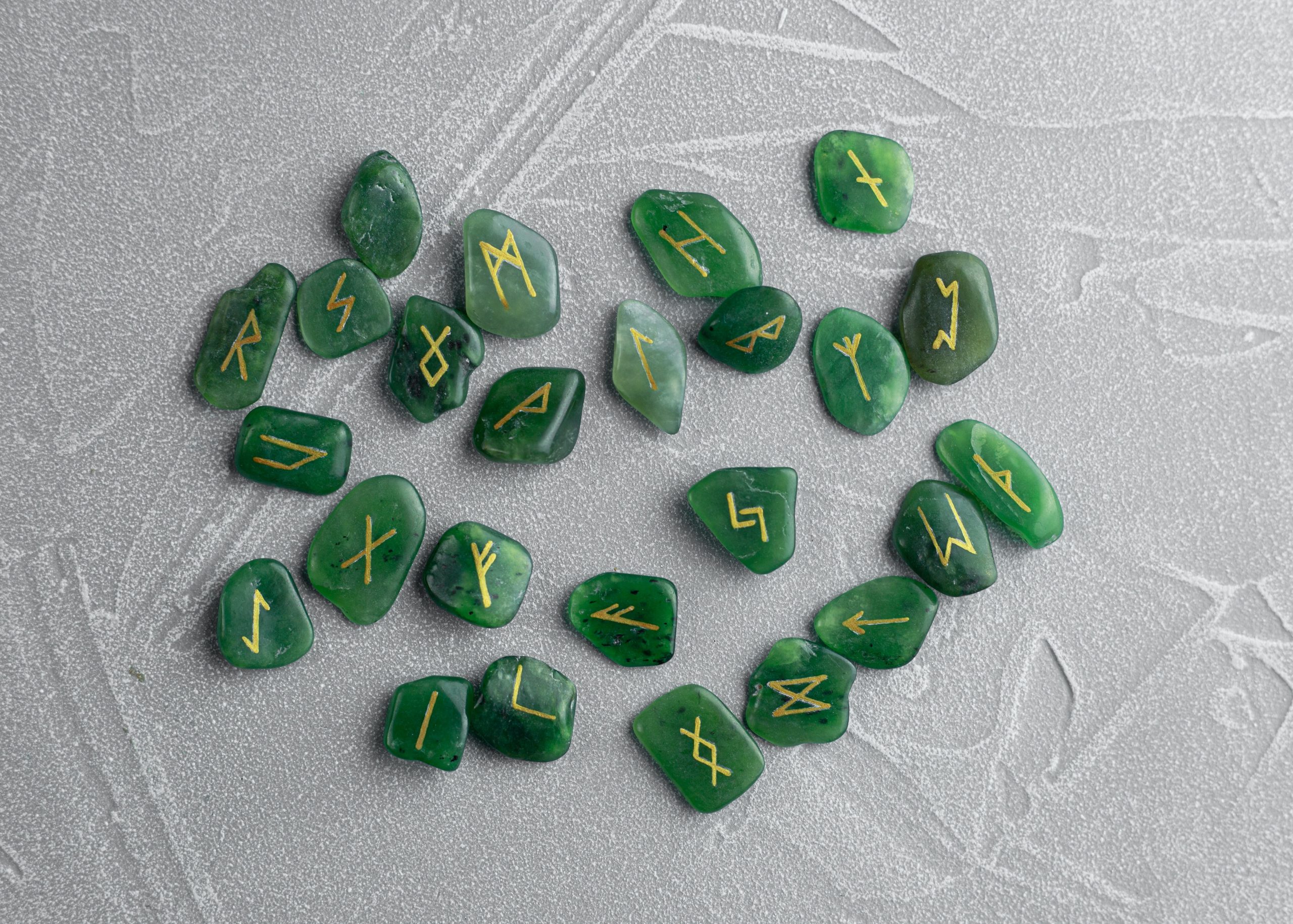
Before exploring how divination influences art and creativity, it is essential to have a clear understanding of what divination entails. Divination can be defined as the practice of seeking knowledge or insight into the future or the unknown through supernatural or symbolic means. There are various types of divination, each involving different methods and tools. Some of the most popular forms of divination include astrology, tarot reading, palmistry, numerology, scrying, and I Ching.
Definition and types of divination
Divination is the ancient practice of seeking guidance, knowledge, or prophecy from supernatural forces or higher powers. It encompasses a diverse range of practices across different cultures and time periods. Astrology, which involves the study of celestial bodies and their influence on human lives, is one of the oldest forms of divination. Tarot reading, on the other hand, utilizes a deck of cards to interpret symbols, archetypes, and patterns to gain insight into various aspects of life. Palmistry involves reading the lines, shapes, and markings on a person’s palms to reveal significant information about their character, personality, and future. Numerology, scrying, and I Ching are additional forms of divination that employ numbers, crystal balls, or special objects to divine knowledge or guidance.
Popular divination methods and tools
Different divination practices involve the use of specific tools and methods to access spiritual knowledge or guidance. Astrologers rely on birth charts and planetary movements, while tarot readers use a deck of 78 cards adorned with various symbols and images. Palmists examine the lines, mounts, and shapes of the palms, and numerologists assign meanings to numbers and patterns. Scrying, a method often associated with crystal balls, mirrors, or water, involves gazing into these reflective surfaces to receive signals or visions. I Ching, a Chinese divination system, employs a set of 64 hexagrams derived from the combination of yin and yang lines.
Beliefs and practices associated with divination
Divination practices are deeply rooted in cultural beliefs, spiritual traditions, and personal faiths. Many practitioners and believers view divination as a means of connecting with a higher power, receiving guidance, or accessing hidden knowledge about the past, present, or future. Divination rituals often involve specific protocols, such as creating a sacred space, focusing intention, and engaging in meditative or trance-like states. The interpretation of signs, symbols, or patterns is highly subjective and influenced by the practitioner’s intuition, experience, or established systems of symbolism.
This image is property of images.unsplash.com.
Artistic Interpretations of Divination
Art has long been a medium for expressing and exploring the mystique and allure of divination. Artists have depicted divination practices in various visual art forms, including paintings, sculptures, and illustrations. Through their work, they capture the essence of divination rituals, the symbolism of divinatory tools, and the emotions experienced during these practices. Divination has also inspired and influenced numerous literary and poetic works, with writers often drawing from the rich imagery, symbolism, and narrative possibilities associated with divination. Music has also been a vehicle for artistic interpretations of divination, with composers creating musical compositions that evoke the mystical and spiritual dimensions of divinatory practices.
Depictions of divination in visual art
Visual artists have long been fascinated by the aesthetics and symbolism of divination. In paintings and sculptures, they have immortalized the rituals, tools, and practitioners of divination. From the mysterious gaze of a tarot reader to the mesmerizing dance of a crystal ball gazer, these artworks offer viewers a glimpse into the captivating world of divination. Some famous examples include “The Fortune Teller” by Caravaggio, “The High Priestess” by Pamela Colman Smith, and “La Sirène” by Edmund Dulac. These artworks often emphasize the mystical atmosphere, the intense focus of the diviner, or the enigmatic allure of the divinatory tools.
Inclusion of divination themes in literature and poetry
Writers and poets have been drawn to the evocative imagery and symbolic possibilities provided by divination. Divination themes and motifs have been woven into narratives, poems, and plays, adding depth and layers of meaning to the literary works. From Shakespeare’s plays, where divination is often employed to foreshadow events or reveal characters’ true nature, to the poetic musings of Emily Dickinson or William Butler Yeats, divination provides a wellspring of inspiration for exploring existential questions, fate, and the mysteries of life. In works like T.S. Eliot’s “The Waste Land” or Sylvia Plath’s “The Moon and the Yew Tree,” divinatory symbols and references add an air of mystery and enchantment, inviting readers to delve into the realms of the unknown.
Musical compositions inspired by divination
Divination’s enigmatic qualities and mystical aura have also found their way into musical compositions. Composers have drawn inspiration from divinatory practices and themes to create music that captures the spiritual and contemplative aspects of divination. From the ethereal melodies of Debussy’s “Clair de Lune” to the powerful and dramatic compositions of Carl Orff’s “Carmina Burana,” music has the unique ability to evoke the emotions and atmospheres associated with divination. Composers often employ evocative soundscapes, symbolic motifs, and rhythmic patterns to recreate the mystical experiences and the sense of discovery that divination offers.
Divination as a Source of Inspiration for Creatives
Divination has long been recognized for its ability to spark creativity and provide artists with a unique source of inspiration. Artists and creatives from various disciplines have turned to divination to overcome creative block, generate ideas, and infuse their work with a sense of mystery and enchantment. Whether through divinatory practices themselves or the contemplation of divinatory symbols and concepts, divination has been a wellspring of creative inspiration for countless artists throughout history.
How divination can spark creativity
Divination practices tap into the subconscious mind, access intuitive faculties, and create space for new ideas and insights to emerge. By engaging in divinatory rituals or techniques, artists can cultivate a state of receptivity, curiosity, and openness to inspiration. Divination can serve as a gateway to the realms of imagination, allowing artists to explore unconventional ideas, make unexpected connections, and venture into uncharted territories. Furthermore, divination often involves a sense of mystery and anticipation, eliciting emotional responses and stirring the creative fires within artists, motivating them to express their experiences through their art.
The role of divination in generating ideas and overcoming creative block
Creativity can be a fickle companion, often eluding even the most talented artists. Divination practices can help overcome creative block by providing a channel for fresh perspectives and insights. Sometimes, all it takes is a single divinatory symbol, an unexpected card drawn from a tarot deck, or a meaningful coincidence to ignite the creative spark and open up new avenues of exploration. Divination can act as a catalyst for breaking through creative barriers, shifting perspectives, and inviting artists to explore uncharted terrain in their artistic endeavors.
Personal experiences of artists and writers using divination
Many artists and writers have attested to the transformative power of divination in their creative processes. From famous painters like Salvador Dalí, who used the Tarot as a tool for inspiration, to renowned authors such as Anaïs Nin, who incorporated astrology into her writing, divination has been a guiding force for numerous creative individuals. Some artists have spoken about how divination has provided them with a sense of purpose, a deeper connection with their artistic vision, or a means of unlocking hidden layers of meaning in their work. Through divination, these artists have found a way to tap into their intuition, access the collective unconscious, and infuse their creativity with a sense of magic and spirituality.
This image is property of images.unsplash.com.
Divination as a Ritual for Artists
For some artists, divination goes beyond being a source of inspiration and becomes an integral part of their artistic process. These artists incorporate divination into their daily routines, viewing it as a form of guidance, self-reflection, and contemplation. By utilizing divination as a ritual, artists create a sacred space for their creative endeavors, inviting divine inspiration and guidance into their artistic decisions.
Incorporating divination into the artistic process
Artists can incorporate divination into their artistic process in various ways. Some may start their creative sessions with a divination ritual, setting intentions, and seeking guidance on their artistic direction. Others may consult divinatory tools, such as tarot cards, during the creation process itself, using the cards as a source of prompts, symbolic imagery, or an intuitive guide for their artistic choices. Divination can also be employed as a means of reviewing and reflecting upon completed works, providing artists with valuable insights and perspectives for future artistic endeavors.
Using divination as a form of guidance in artistic decision-making
Artistic decision-making can often be challenging, with artists grappling with choices regarding composition, color palette, subject matter, and many other elements. Divination can serve as a valuable tool for navigating these decisions, offering artists a unique perspective and helping them align their artistic choices with their intuition and higher vision. By consulting divination techniques, artists can gain clarity, overcome indecision, and gain confidence in their artistic decisions, knowing that they have sought divine guidance and insight.
The ritualistic aspect of divination in art creation
Divination rituals, whether incorporated into the artistic process or conducted separately, can provide artists with a sense of structure, intention, and sacredness. By engaging in divination rituals, artists create a space dedicated to their creativity, infusing their artistic endeavors with a spiritual or symbolic dimension. The repetitive gestures, recitation of incantations, or arrangement of sacred objects can become a ritualistic dance, allowing artists to enter a state of focused attention, heightened awareness, and receptivity to creative inspiration. The ritual itself becomes an art form, with the entire process embodying the artist’s connection to the sacred and their artistic journey.
The Symbolism of Divination in Art
Divination is inherently rich in symbolism, with each divinatory method and tool carrying its own meanings and associations. Artists have long been captivated by these symbols, incorporating them into their artwork to evoke emotions, provoke thoughts, and invite interpretations. Through the use of divination symbols, artists can delve into the realms of the unknown, explore the human psyche, and communicate profound ideas and experiences.
Meanings and symbolism associated with divination tools
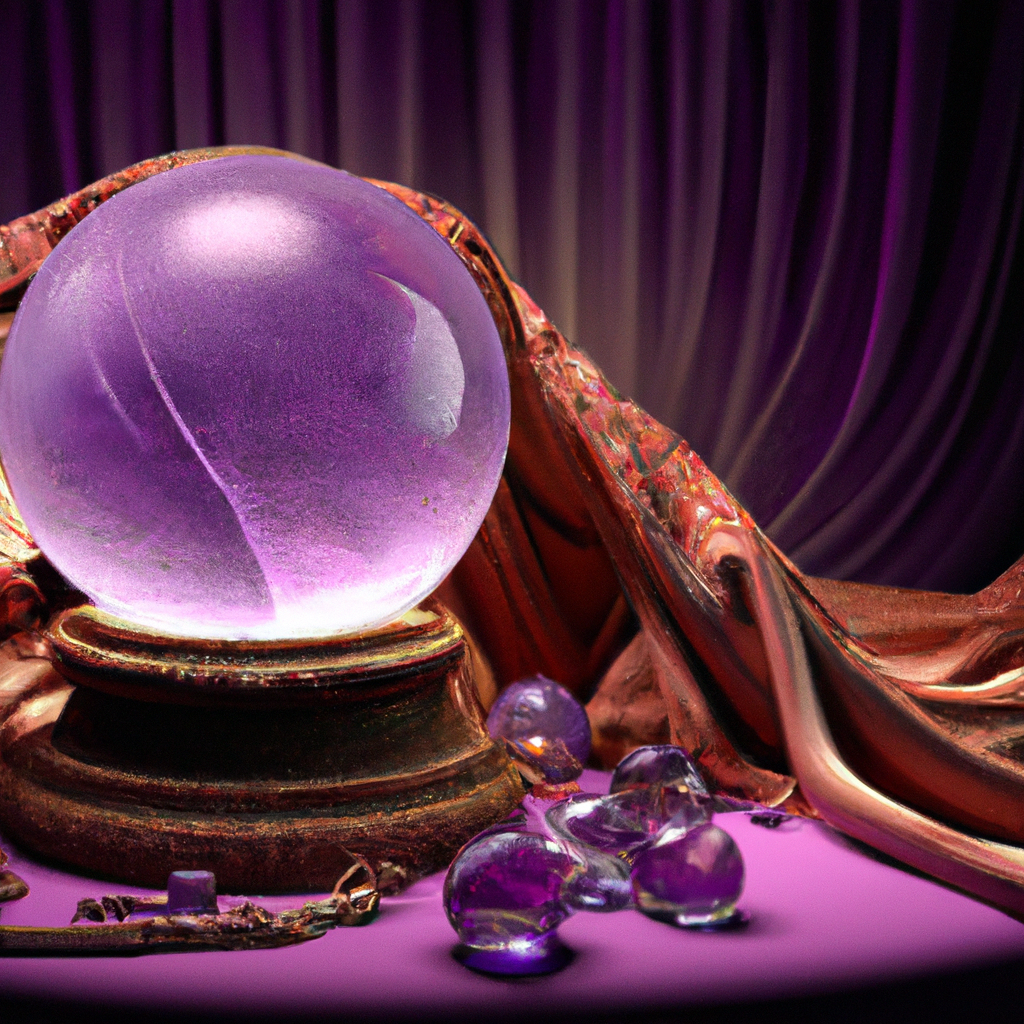
Divination tools, such as tarot cards, astrological charts, or crystal balls, are laden with symbolism that artists can harness in their work. Tarot cards, for instance, are replete with archetypal imagery and symbolic references, each card carrying its own unique meaning and narrative. Artists can explore these symbols, their juxtapositions, and their relationships to convey complex emotions, universal themes, and profound insights. The zodiac signs, planets, and houses of astrology offer artists a visual language to represent various aspects of human nature, experiences, and the interconnectedness of the universe. Crystal balls and reflective surfaces can symbolize the act of looking within, gaining insight, or perceiving hidden truths.
Interpreting divinatory symbols in artwork
Artistic interpretations of divinatory symbols can vary widely, depending on the artist’s intention and the context in which the symbols are employed. Divination symbols can be represented faithfully, adhering to traditional interpretations and associations, or artists can imbue them with their unique meanings and perspectives. The use of divinatory symbols in artwork invites viewers to engage in their own interpretations and make personal connections, as these symbols often carry a universal resonance and tap into the collective unconscious. The placement, arrangement, and combination of symbols can create layered narratives, evoke specific emotions, or convey the artist’s intended message.
The use of divination symbols in contemporary art
Divinatory symbols continue to find their place in contemporary art, with artists embracing the rich tradition and symbolic language associated with divination. From incorporating tarot imagery into mixed media collages to creating installations that evoke the mystical ambiance of a divination ceremony, contemporary artists are exploring the intersections between divination, spirituality, and artistic expression. Some artists use divination symbols to challenge conventional narratives or question established power structures, while others seek to evoke a sense of wonder, introspection, or the unknown. Divination symbols in contemporary art offer viewers an opportunity to reflect, contemplate, and perhaps even gain their insights or divinatory experiences.
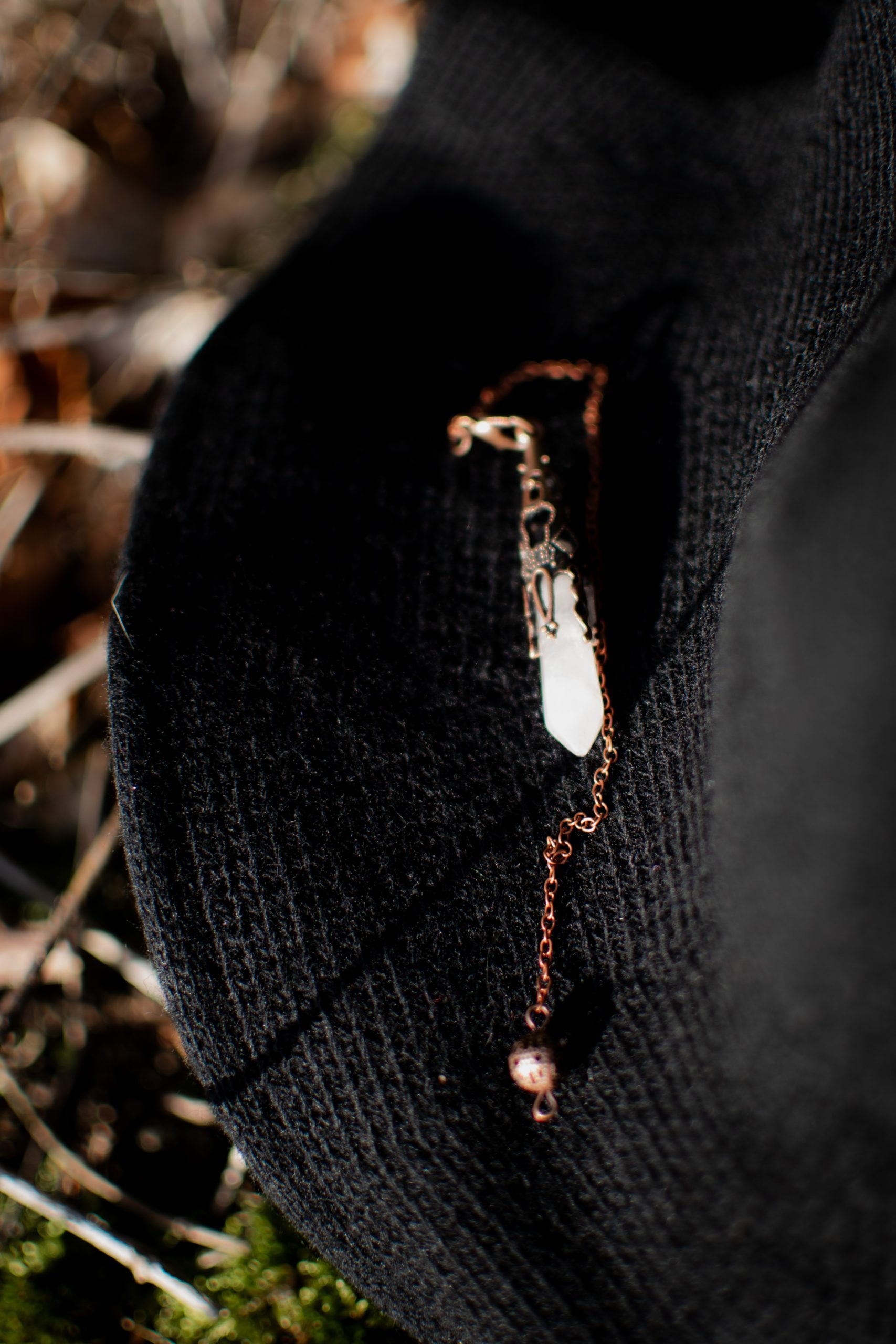
This image is property of images.unsplash.com.
Exploring the Mystical and Esoteric in Art
The mystical and esoteric have long been a source of fascination and inspiration for artists seeking to tap into the mysterious aspects of life. Divination, with its connection to the spiritual and the occult, has served as a wellspring of ideas, symbols, and themes for artists exploring the realms beyond the mundane. Artists have delved into the mystical and esoteric in their work to evoke a sense of awe, provoke contemplation, and invite viewers to explore the hidden dimensions of existence.
The allure of mysticism and the occult in artistic expression
The allure of mysticism and the occult lies in their ability to transcend the boundaries of ordinary perception, offering a glimpse into hidden truths and alternative realities. Artists have been drawn to the mystical and esoteric for its potential to evoke a sense of wonder, mystery, and spiritual transformation. The rituals, symbols, and practices associated with divination have a theatrical quality that appeals to artists seeking to create engaging and thought-provoking works. The mystique surrounding the occult and esoteric traditions adds an air of intrigue, inviting viewers to contemplate the enigmatic and perhaps access a deeper understanding of themselves and the world around them.
Connections between divination, spirituality, and art
Divination, spirituality, and art are deeply intertwined, with each offering a means of exploring the intangible, the sacred, and the transcendent. Divination practices often involve connecting with higher powers, accessing spiritual wisdom, or seeking guidance from divine sources. Similarly, art has long been seen as a means of expressing profound emotions, exploring existential questions, and transcending the limitations of mundane existence. Both divination and art invite individuals to reflect, contemplate, and connect with something larger than themselves, be it the divine, the collective unconscious, or the universal human experience. Artists often draw from their spiritual beliefs and intuitive insights to infuse their work with depth, symbolism, and a sense of meaning.
Artworks influenced by esoteric traditions
Esoteric traditions, with their secret doctrines, mystical teachings, and hidden knowledge, have inspired countless artists throughout history. From the symbolic paintings of the Renaissance, which incorporated alchemical and hermetic principles, to the psychedelic art of the 1960s, influenced by Eastern spiritual traditions and the exploration of altered states of consciousness, esoteric influences can be found in various artistic movements and styles. Artists have borrowed from occult symbolism, sacred geometry, Kabbalistic principles, and other esoteric systems to imbue their work with layered meanings, mystical resonance, and a sense of the numinous. These artworks often challenge viewers’ perceptions, encourage introspection, and invite a deeper engagement with the mysteries of life.
Divination in Performance Art
Divination’s inherent dramatic and performative qualities make it a natural fit for integration into theatrical productions and dance performances. Artists in these realms have explored the use of divination practices and rituals as a means of creating immersive experiences, engaging audiences, and transcending the boundaries between art and spirituality.
Integration of divination practices in theater and dance
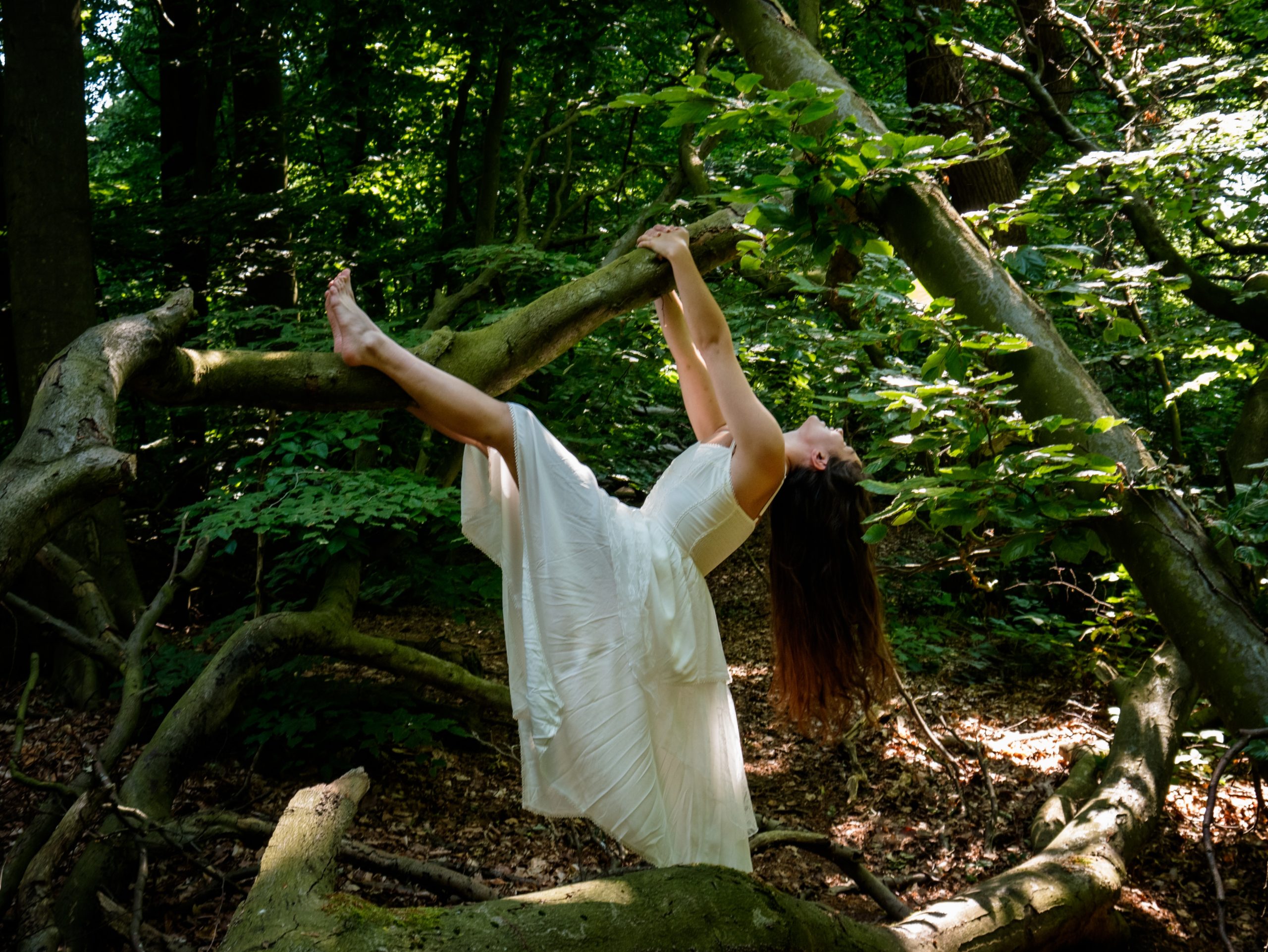
Theater and dance have long been vehicles for exploring human experiences, emotions, and social dynamics. Incorporating divination practices in these art forms provides a unique avenue for immersing audiences in the mystical, the symbolic, and the transformative. Divination rituals, such as tarot readings or astrological consultations, can be integrated into scripts or choreography, becoming pivotal moments that shape the narrative or the movement. By bringing divination practices to the stage or the dance floor, performers engage the audience in a participatory experience, inviting them to suspend their disbelief and delve into the realms of the unknown.
Divination as a performative act
Divination practices themselves can be seen as performative acts, enacted by diviners who communicate with the divine or interpret symbolic systems to offer insights or guidance. Artists in performance art have embraced divination as a mode of self-expression, combining divinatory rituals with storytelling, movement, or interactive experiences. They put themselves in the role of the diviner or the seeker, blurring the lines between the performer and the audience. By incorporating divination as a performative act, artists create immersive and thought-provoking experiences that challenge established notions of what art can be and how it can engage with the spiritual or the mystical.
The transformative power of divination in live performances
Divination, with its potential to reveal hidden truths, offer guidance, or elicit emotional responses, has the power to transform both performers and audiences. In live performances, divination rituals or interactions can create profound moments of meaningful connection, reflection, or transcendence. The unpredictable nature of divination, where outcomes are often unpredictable, adds an element of suspense and anticipation to live performances. By engaging with divination in the context of a live performance, artists invite viewers to explore their own beliefs, perceptions, and emotional responses, fostering a transformative experience that extends beyond the confines of the artistic event itself.
Contemporary Artists and Divination
Divination continues to shape the artistic landscape, with many contemporary artists incorporating divinatory themes, symbols, or practices into their work. These artists draw inspiration from divination’s rich history, its potential for self-discovery, and its inherent mysticism, creating artworks that push boundaries and challenge conventional perspectives.
Famous artists who incorporate divination in their work
Numerous renowned artists have incorporated divination into their artistic practice, utilizing divinatory tools, or exploring divinatory themes in their work. Salvador Dalí, the surrealist painter, famously created a surrealist tarot deck exhibiting his unique artistic style and symbolism. Yoko Ono, a pioneering conceptual artist, has engaged with divination through her instructional art, where viewers are invited to participate in divination or fortune-telling activities. The filmmaker Alejandro Jodorowsky has delved into tarot, combining his knowledge of psychology and symbolism to create a transformative experience through his films and graphic novels. These artists, among many others, have elevated divination to an art form, incorporating it into their personal creative vision and making it accessible to their audiences.
Interviews and insights from contemporary artists about divination’s influence
Contemporary artists often speak about the influence of divination on their artistic process and the inspiration they derive from divinatory practices or symbols. Interviews with these artists reveal insights into how divination sparks their creativity, fosters self-reflection, or broadens their artistic horizons. Some artists find that divination provides them with a different perspective or a fresh angle from which to approach their work. Others discuss the personal and spiritual growth they have experienced through divinatory practices, allowing them to tap into their intuition, trust their creative instincts, and push boundaries in their art. These artists attest to the profound impact divination has had on their artistic journeys and express gratitude for the guidance and inspiration it offers.
Artistic collaborations with diviners or fortune-tellers
Collaborations between artists and diviners or fortune-tellers provide a unique opportunity to merge artistic expression with divinatory practices. Such collaborations often result in immersive experiences or installations that blur the line between artistic creation and divinatory rituals. Artists consult diviners for insights and guidance, incorporating their interpretations or revelations into their artworks. Diviners, in turn, contribute their knowledge of symbolism, ritual, or mystical practices to enhance the artistic vision. Through these collaborations, artists and diviners create a synergy that invites viewers to reflect deeply, engage with their own spirituality, or question established conventions.
Critics and Challenges of Divination in Art
While divination has its fervent supporters in the artistic community, it also faces criticism and challenges from skeptics and those who question its role in artistic creation. Ethical considerations, the subjective nature of divinatory interpretations, and diverse perspectives on the impact of divination in art all contribute to the ongoing dialogue surrounding divination’s place in artistic practices.
Skepticism and criticism towards divination’s role in artistic creation
Divination, with its reliance on supernatural or symbolic means of obtaining knowledge, has faced skepticism and criticism from those who view it as superstitious or lacking scientific basis. Critics argue that incorporating divinatory practices or symbolism into artwork may perpetuate pseudoscience or contribute to the eroding of critical thinking. They question whether divination can truly offer valuable insights or if it is merely a subjective interpretation of random occurrences or symbols. Skeptics challenge the legitimacy of divinatory practices, suggesting that any perceived accuracy may be attributed to chance or the psychological biases of both the diviner and the recipient.
Ethical considerations when using divination as inspiration
The use of divination as inspiration for artistic creation raises ethical considerations and potential controversies. Artists must navigate the fine line between respecting divinatory practices and appropriating cultural or spiritual symbols for aesthetic purposes. Misrepresentation or appropriation of divinatory tools, rituals, or concepts can be seen as disrespectful or exploitative. Artists need to approach divination with sensitivity, acknowledging its cultural and spiritual significance, and avoiding the commodification or trivialization of sacred practices. Ethical considerations also arise when artists profit from divination-related imagery or themes without acknowledging or supporting the cultural or spiritual contexts from which they are derived.
Diverse perspectives on the impact of divination in art
The impact of divination in art is subjective and varies depending on individual perspectives and beliefs. Some viewers may resonate strongly with divinatory symbolism or find personal meaning and connections through artwork inspired by divination. Others may feel disconnected or skeptical, viewing divinatory themes as irrelevant or superficial. The intersection of art and divination can often be polarizing, generating diverse interpretations and responses. Nevertheless, this diversity of perspectives contributes to the broader discourse surrounding the relationship between divination and art, fostering critical dialogue, and inviting deeper contemplation on the role of spirituality and symbolism in artistic creation.
In conclusion, divination’s historical connection to art and its ongoing influence on creativity are undeniable. Through the ages, divination has been entwined with artistic expressions, enriching visual art, literature, poetry, music, theater, and dance. As a means of seeking guidance, accessing hidden knowledge, and contemplating the mystical, divination has fueled the creative fires within artists, inspiring them to explore the unknown, challenge conventions, and communicate profound ideas and emotions. Whether as a source of inspiration, a ritualistic practice, a wellspring of symbolism, or a means of sparking creativity, divination continues to shape and inspire the artistic landscape, offering artists and audiences alike a spiritual, contemplative, and transformative journey through art.