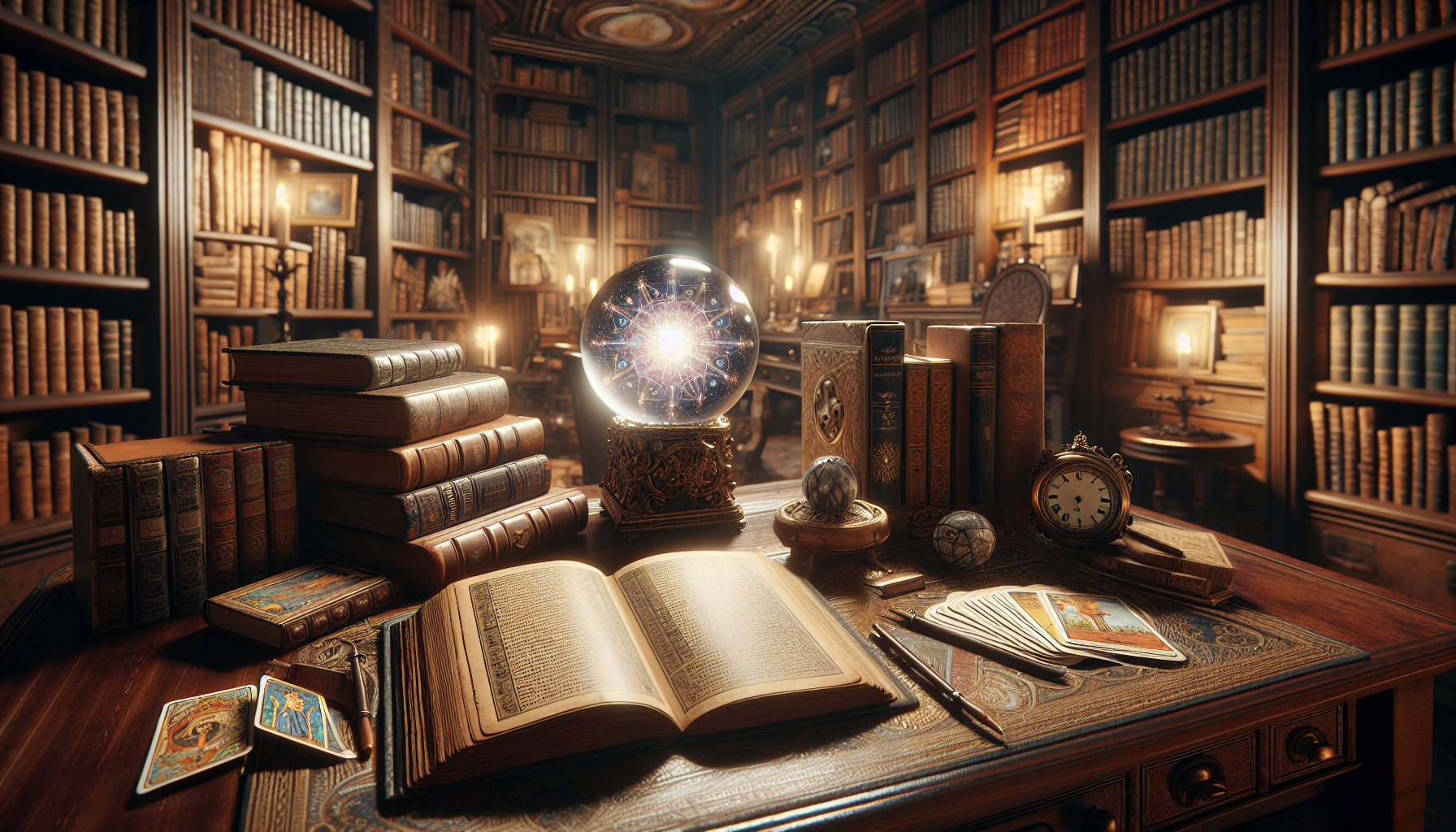
Imagine a world where the mystical and the literary collide, where the future is not predetermined, but rather dictated by the enigmatic forces of divination. This captivating article explores the profound influence that divination has had on literature throughout history. From the ancient prophecies of the Delphic Oracle to the prophetic dreams in Shakespearean plays, divination has shaped the narratives we hold dear. Join us on a journey through time and page as we uncover the fascinating ways in which divination has breathed life into the written word. Prepare to be enchanted by the symbiotic relationship between divination and literature, where the mysterious realm of the supernatural has forever left its mark on the realm of storytelling.

This image is property of images.pexels.com.
Historical Background
Ancient origins of divination
Divination has a rich history that dates back to ancient civilizations. It originated in various ancient cultures, including Mesopotamia, Egypt, and China. These early societies believed that divination was a means to communicate with the gods and gain insight into the future. Practices such as reading the stars, interpreting dreams, and studying the movements of animals were common methods employed in ancient divination.
Influence of divination in ancient literature
Divination played a significant role in ancient literary works, shaping the narratives and adding a mystical element to the stories. In Greek mythology, oracles like the famous Oracle of Delphi were revered and sought after for their prophetic insights. The prophecies and predictions provided by these oracles often formed the basis of many ancient Greek plays and epic poems.
Divination practices in different cultures
Throughout history, divination practices have varied across cultures, reflecting the unique beliefs and traditions of each society. For example, the Chinese tradition of I-Ching, or Book of Changes, used the interpretation of hexagrams to provide guidance and insights. In African cultures, divination rituals involving the use of shells, bones, or other objects were central to seeking spiritual guidance. Divination practices in indigenous cultures, such as Native American tribes, often involved connecting with nature and the spiritual realms.
Types of Divination
Tarot and its impact in literature
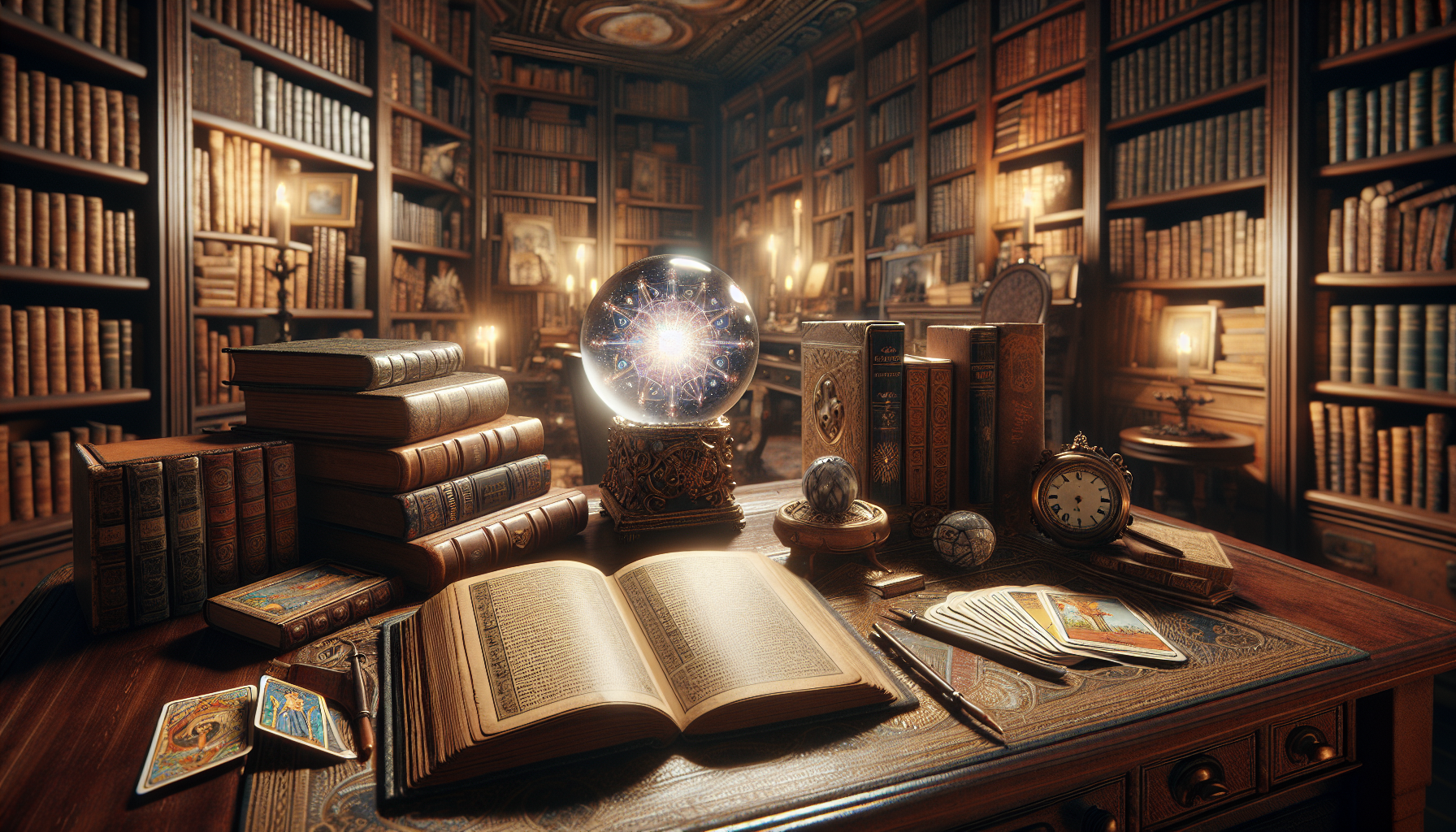
Tarot, a deck of cards with symbolic images, has become synonymous with divination. Its use in literature can be seen in works such as “The Hanged Man” by Francesca Lia Block and “The Night Circus” by Erin Morgenstern. Tarot cards are not only used as a method for forecasting the future but also as a narrative tool, adding depth to character development and plot progression.
Astrology and its influence on literary works
Astrology, the study of celestial bodies’ positions and their influence on human affairs, has woven its way into numerous literary works. Authors like F. Scott Fitzgerald in “The Great Gatsby” and J.K. Rowling in the “Harry Potter” series utilize astrological symbolism to deepen their characters and add an element of fate and destiny to the plot.
Palmistry and its portrayal in literature
Palmistry, the interpretation of palm lines and shapes, has long intrigued authors who seek to explore the hidden depths of their characters. In classics like Charlotte Brontë’s “Jane Eyre” and Charles Dickens’ “David Copperfield,” palmistry is used as a means to reveal essential traits, secrets, and even future events, serving as a tool for both character development and foreshadowing.
Runes: Their significance in literary contexts
Runes, ancient symbols used in Scandinavian cultures, have found their place in literature, most notably in J.R.R. Tolkien’s “The Lord of the Rings” series. These mystical symbols not only serve as a form of divination but also as a reflection of the deep history and lore within the fictional world, adding a layer of authenticity and mythology to the narrative.
Crystal ball gazing in literature
Crystal ball gazing, popularized through myths and legends, has become a prominent feature in literature. From the prophecies of the three witches in Shakespeare’s “Macbeth” to the enchanting crystal spheres in Marissa Meyer’s “The Lunar Chronicles,” the crystal ball serves as a metaphorical gateway to the unknown and a vehicle for advancing the plot by revealing hidden truths.
Divination as a Plot Device
Divination as a tool for foreshadowing
Divination is a powerful narrative tool for foreshadowing future events in literature. Whether through tarot cards, astrology, or other divination methods, authors can hint at what lies ahead for their characters. By employing divination as a plot device, authors create a sense of anticipation and suspense, keeping readers engaged as they piece together the clues and possibilities revealed by these prophetic practices.
Divination as a source of conflict
Divination can also be used as a source of conflict in literature. Characters may find themselves torn between embracing the revelations of divination and attempting to change their fates. This conflict can create intense internal struggles and external clashes among characters who hold different beliefs about the accuracy and impact of divination. Such conflicts serve to deepen the complexity of the story and explore the ethical implications of tampering with destiny.
Divination as a narrative device
Divination often serves as a crucial narrative device, driving the plot forward and shaping the path of the story. It can be used to introduce key events, direct character actions, or reveal hidden connections between characters. By incorporating divination into the narrative, authors add layers of intrigue and mystery, captivating readers and keeping them immersed in the unfolding story.
Divination and character development
Divination can significantly impact the development of characters. The unveiling of prophetic insights, whether accurate or not, can shape a character’s beliefs, motivations, and actions. Characters may be driven by their desires to fulfill or defy the prophecies they receive, adding depth and complexity to their personalities. Divination can also serve as a catalyst for transformation, pushing characters to confront their fears and make life-altering decisions.
The ethical dilemma of divination in literature
Divination poses an ethical dilemma in literature, raising questions about the consequences of knowing the future and the responsibility that comes with that knowledge. Authors often explore the moral implications of meddling with fate and the impact it has on characters’ lives and the world around them. By delving into this ethical dilemma, literature prompts readers to contemplate the fine line between destiny and free will.
Themes and Motifs in Divination
Fate and destiny in divination-themed literature
The theme of fate and destiny is prevalent in divination-themed literature. Divination practices, while offering glimpses of the future, raise questions about the boundaries of predestination and the extent to which individuals can shape their own lives. In works like Sophocles’ “Oedipus Rex” and Ray Bradbury’s “Fahrenheit 451,” divination serves as a vehicle to explore the inevitability of certain events and the profound impact they have on characters’ lives.
The search for answers and guidance
Divination often represents the human desire to seek answers and guidance, especially in times of uncertainty. Characters in literature turn to divination as a means to find purpose, make decisions, and gain insights into their situations. This search for answers can act as a catalyst for growth and self-discovery, fostering a deeper connection between readers and characters.
Exploring the unknown through divination
Divination allows literature to delve into the mysterious and unknown realms. By incorporating divination, authors can explore supernatural or otherworldly elements beyond the ordinary human experience. This exploration of the unknown adds an element of wonder, expanding the boundaries of the story’s world and captivating readers with the possibilities that lie just beyond their grasp.
Power and manipulation in divination narratives
Divination narratives often touch upon the theme of power and manipulation. Characters with the ability to divine the future or access mystical knowledge can exert control over others through their foreknowledge. This power dynamic raises questions about the ethical use of divination and the potential for manipulation and exploitation. Such explorations provide commentary on human nature and the desire for power and control.
The interconnectedness of divination and spirituality
Divination is often intertwined with spirituality and the belief in unseen forces and higher powers. In literature, divination serves as a gateway to explore the mystical and spiritual aspects of life. Whether it’s the connection between divination and religion, the search for spiritual enlightenment, or the portrayal of divine intervention, divination-themed literature invites readers to ponder the interconnectedness of the material and the spiritual realms.

This image is property of images.pexels.com.
Symbolism and Imagery in Divination
Symbols associated with divination in literature
Symbols play a significant role in divination-themed literature, representing the various methods and tools used for divination. Tarot cards, astrological signs, palm lines, runes, and crystal balls are just a few examples of the powerful symbols that resonate throughout these works. These symbols possess layers of meanings and interpretations, evoking a sense of mystery and enchantment.
Metaphorical use of divination imagery
Divination imagery is often used metaphorically in literature, representing the quest for knowledge, self-discovery, or the unraveling of hidden truths. The act of divination becomes a metaphor for exploring the depths of one’s own psyche, searching for meaning in the chaos of life, or unraveling the complexities of the human condition. By employing divination imagery metaphorically, authors add depth and nuance to their storytelling.
Interpreting signs and omens in literary works
Interpreting signs and omens is a recurring motif in divination-themed literature. Characters navigate their journeys by observing and interpreting signs from nature, dreams, or other sources. These signs act as guides or warnings, steering characters towards their destinies or urging them to alter their course. The art of interpreting these signs adds a mystical element to the storytelling, reinforcing the connection between the human and the divine.
The allure of hidden meanings in divination
Divination is often associated with the allure of hidden meanings and the uncovering of secrets. In literature, this theme is explored through the anticipation and excitement that arises from divining the true significance behind an omen, a tarot card, or a cryptic message. The allure of hidden meanings adds a sense of intrigue and suspense, captivating readers and immersing them in the quest for deeper understanding.
Divination and Mythology
Divination in ancient mythological stories
Divination and mythology have long been interconnected. Ancient mythological stories feature gods, goddesses, and mythical creatures who possess divinatory abilities. These figures, like the Greek god Apollo and the Norse god Odin, play significant roles in the myths, bestowing prophetic insights and influencing the lives of mortals. Divination in mythology serves as a means to unravel the complexities of the divine and the human realms.
The influence of prophetic figures in literature
Prophetic figures have a lasting influence on literature, a notable example being the witches in Shakespeare’s “Macbeth.” These characters possess the power to see the future and guide the actions of others. Their influence drives the plot, raises moral questions, and amplifies the tension between fate and free will. Prophetic figures in literature continue the tradition of incorporating divination into narratives and exploring its implications.
Divination as a means to communicate with deities
Many cultures throughout history have used divination as a means to communicate with their deities. This aspect of divination is reflected in literature, where characters engage in rituals, prayers, or other practices to seek divine guidance. Divination serves as a way to bridge the gap between mortals and the divine, providing a conduit for communication and a means to access ancient wisdom and prophecies.
Linking divination to ancient wisdom and prophecies
Divination often links literature to the rich tapestry of ancient wisdom and prophecies. Authors draw upon ancient divination practices and incorporate them into their narratives, infusing their stories with a sense of timelessness and connection to the past. By linking divination to ancient wisdom, literature pays tribute to the enduring fascination and belief in the power of divination throughout human history.

This image is property of images.pexels.com.
Divination Rituals and Practices
The portrayal of divination rituals in literature
Divination rituals are often portrayed in literature, providing readers with a glimpse into the intricate and ceremonial nature of these practices. Whether it’s the casting of runes, the laying out of tarot cards, or the chanting of ancient incantations, these rituals add a layer of mystique and authenticity to the storytelling, immersing readers in the enchanting world of divination.
The mystique of divination practices in storytelling
Divination practices possess an inherent mystique that lends itself well to storytelling. The rituals, symbols, and the belief in unseen forces create an aura of intrigue and fascination. Authors capitalize on this mystique, using divination practices as a narrative tool to captivate readers and transport them to worlds infused with wonder and mystery.
Cultural variations of divination ceremonies
Divination practices vary across cultures, and literature reflects these cultural variations. From the tea leaf reading in East Asia to the scrying mirrors in European folklore, each culture brings its unique divination practices to the literary realm. By incorporating diverse divination ceremonies, authors celebrate the richness of human traditions and showcase the universal human desire to seek knowledge and guidance from the divine.
The ceremonial language of divination
The language used in divination ceremonies holds a particular significance in literature. The words spoken, the incantations recited, and the phrases chanted create an atmosphere of solemnity and ritual. The ceremonial language adds texture to the narrative, evoking a sense of mysticism and enchantment while immersing readers in the world of divination.
Criticism and Skepticism
The portrayal of divination skeptics in literature
Literature often reflects society’s skepticism towards divination. Characters who question the validity and effectiveness of divination serve as voices of doubt and skepticism. These skeptics challenge the beliefs of the characters who rely on divination and prompt readers to consider the limitations and potential fallibility of divinatory practices. Through their viewpoints, literature explores the tension between faith and skepticism.
Literary exploration of the limitations of divination
Literature consistently delves into the limitations of divination, highlighting its shortcomings and the gaps in understanding that it presents. Characters may find that divination offers only partial truths or misleading interpretations, leading them down the wrong path. These explorations provide a cautionary tale about putting too much faith in divination and emphasize the complexities of predicting the future.
Questioning the effectiveness of divination in stories
Authors use storytelling to question the effectiveness of divination and challenge long-held beliefs. Characters may confront instances where divination fails to provide accurate guidance or leads to unintended consequences. This examination of divination’s effectiveness prompts readers to critically analyze the role of divinatory practices in their own lives and reconsider the reliability of forecasting the future.
The clash between science and divination in literature
Literature often portrays the clash between science and divination, pitting rationality against the mystical. Characters may question the validity of divination in the face of scientific explanations or clash with others who dismiss divination as superstitious or baseless. This clash highlights the tension between relying on empirical evidence and embracing the intangible and subjective nature of divination.
Divination and Literary Archetypes
The role of the oracle archetype in literature
The oracle archetype, prevalent in mythology and literature, represents the wise seer who possesses prophetic abilities. Oracles serve as vessels of divine knowledge and play significant roles in shaping the narratives they inhabit. Their presence adds an air of mystery and authority, propelling characters forward in their quests and driving the plot towards its climax.
The use of divination tropes in heroic quests
Divination tropes are common in literature, particularly in heroic quests and epic adventures. Characters receive divinatory guidance that sets them on their path, helps them navigate obstacles, and ultimately leads them to their destinies. These tropes serve to highlight the hero’s journey, emphasizing the role of divination in guiding the chosen one towards fulfilling their destiny.
The wise old seer in literary works
The wise old seer archetype is a recurring character in literature, possessing deep wisdom and insight borne from their divinatory abilities. These characters, like Tiresias in “Oedipus Rex” or Sybill Trelawney in the “Harry Potter” series, offer guidance and prophecies to the protagonists, guiding their actions and often unveiling key plot points. The presence of the wise old seer adds gravitas and mysticism to the narrative.
Challenging traditional divination archetypes
Literature also challenges traditional divination archetypes, subverting reader expectations and defying conventions. Authors may present flawed seers or characters who question their divinatory abilities, disrupting the notion of infallible wisdom. By challenging traditional divination archetypes, literature explores the complexities and ambiguities of divination, encouraging readers to question established norms and broaden their perspectives.
Contemporary Divination Literature
Modern-day authors and their use of divination themes
Divination themes continue to captivate modern-day authors, who infuse their works with elements of divination. Authors such as Neil Gaiman, Alice Hoffman, and Terry Pratchett incorporate divination into their storytelling, adding depth and intrigue to their narratives. These authors explore divination’s impact on characters’ lives, delving into themes of destiny, self-discovery, and the intersection of the material and the spiritual.
Incorporating divination into different genres
Divination has found its place in various genres of literature, not limited to fantasy or magical realism. It has made its mark in mystery, thriller, romance, and even science fiction. Divination themes provide a unique twist and a fresh perspective in these genres, sparking readers’ imaginations and expanding the boundaries of storytelling.
The lasting impact of divination in contemporary literature
Divination’s lasting impact on literature is evident in the enduring popularity of divination-themed works. From timeless classics like “Alice’s Adventures in Wonderland,” where the Cheshire Cat divines the future, to contemporary bestsellers like “The Secret Life of Bees,” where the protagonist interprets the messages of bees for divine guidance, divination continues to shape the literary landscape.
Exploring new perspectives and interpretations
Contemporary divination literature delves into new perspectives and interpretations, challenging traditional depictions of divination. Authors explore diverse cultural and spiritual practices, bringing fresh voices and perspectives to the portrayal of divinatory arts. These explorations push the boundaries of how divination is portrayed in literature, fostering inclusivity and reflecting the ever-evolving nature of human beliefs.