Imagine a world where your political decisions are guided by the mystical powers of divination. Would you trust the messages from the stars, the cards, or the palms of your hands to shape your stance on key social and economic issues? Surprisingly, many individuals from diverse backgrounds and cultures believe in the power of divination to influence their political views. In this article, we will explore the fascinating phenomenon of how divination can shape and sway political ideologies, shedding light on a realm where the mystical and the political intertwine. So, have you ever considered the potential impact of divination on your own political beliefs?
The History of Divination
Divination has a rich history that dates back to ancient civilizations. The practice involves seeking knowledge or guidance through supernatural means. It has been an integral part of various cultures, shaping political decisions, personal beliefs, and even public opinion. Understanding the origins and significance of divination can provide valuable insight into its role in politics today.
Origins of Divination
The origins of divination can be traced back to ancient times, with evidence of its practices found in early Mesopotamian, Egyptian, and Chinese civilizations. In these societies, divination was often associated with religious or spiritual beliefs, as people sought guidance from deities or other supernatural entities. These early forms of divination included methods such as reading celestial patterns, interpreting signs in nature, and analyzing the flight patterns of birds.
Different Types of Divination
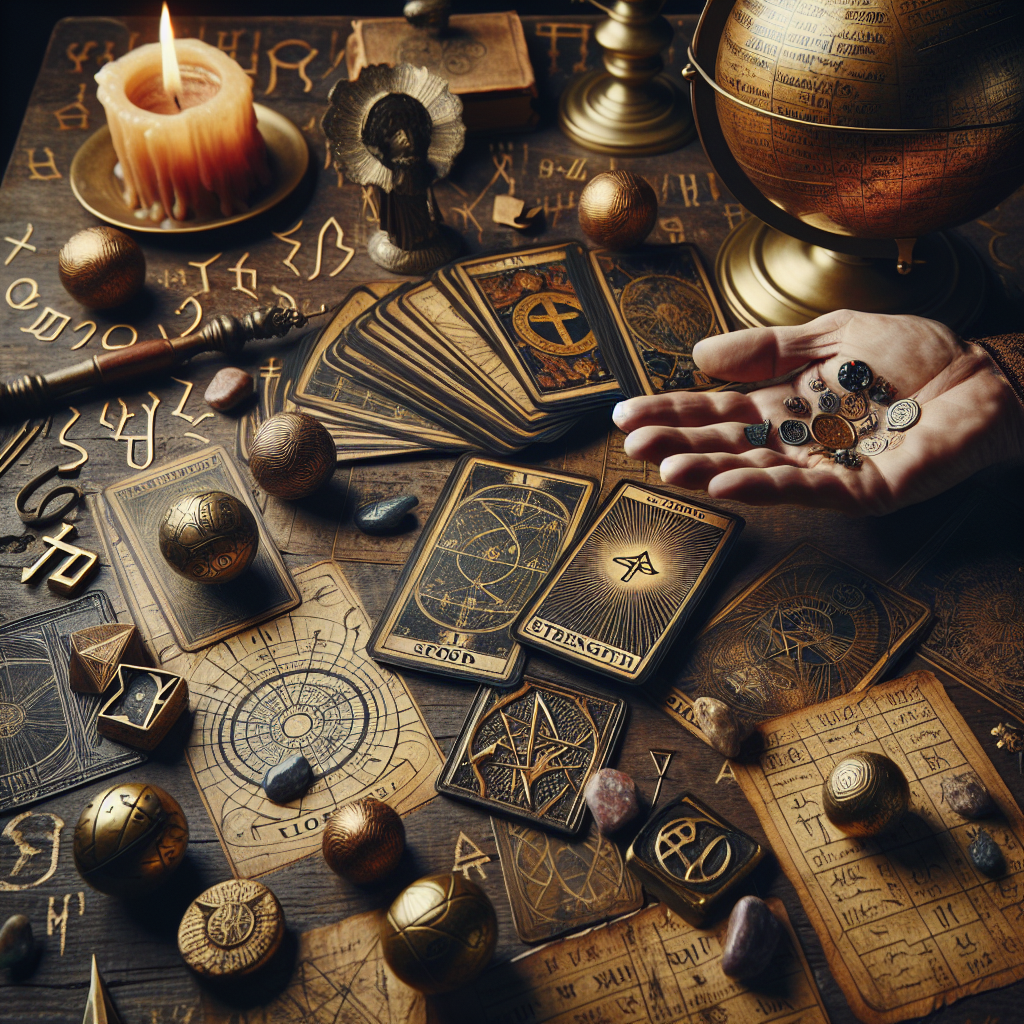
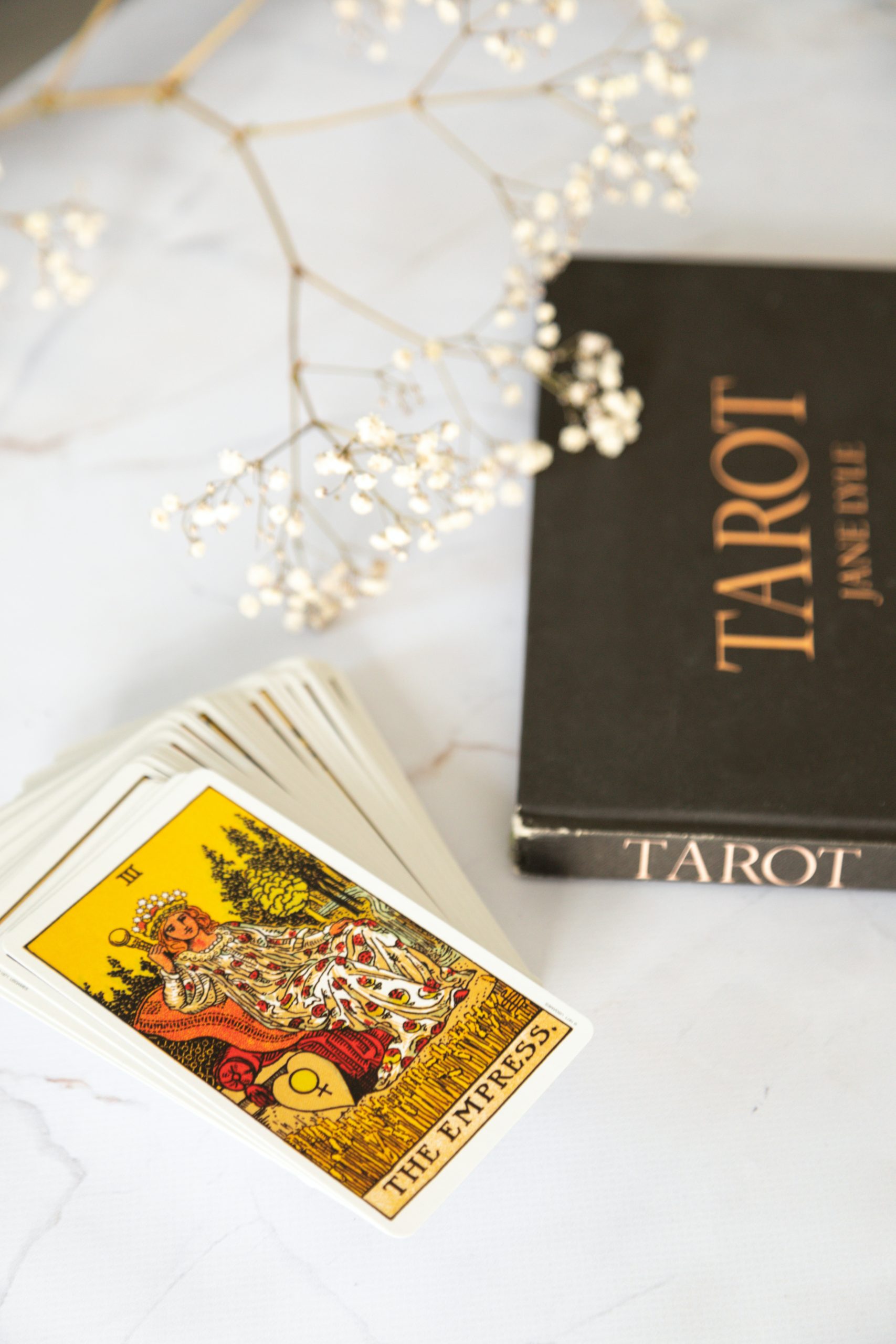
Divination has taken various forms throughout history, with different cultures and regions developing unique practices. Some of the most common types of divination include astrology, tarot reading, palmistry, scrying, and numerology. Each method has its own set of rituals, symbols, and tools used to access information from the spiritual realm. Whether it is deciphering the positions of celestial bodies or interpreting patterns on a deck of cards, divination offers different approaches to gaining insights and making predictions.
Significance of Divination in Ancient Societies
In ancient societies, divination played a crucial role in political decision-making processes. Rulers often consulted diviners before making important choices, seeking guidance on matters such as warfare, alliances, and governance. The belief in divination was deeply ingrained in the ruling class, as they perceived it as a means to access information beyond human comprehension. This reliance on divination not only influenced political decisions but also reinforced the power and authority of the ruling elite.
Divination and Political Decision Making
The connection between divination and political decision-making can be explored by examining its role in early political systems and the influence it had on shaping such decisions.
Divination in Early Political Systems
In ancient political systems, divination held a prominent position. Kings, emperors, and other rulers believed that by consulting their trusted diviners, they could gain insights into potential outcomes and make more informed choices. Divination was often used to determine the legitimacy of rulers or to predict the outcome of battles. The decisions made based on divination had significant consequences for the stability and future of these early political systems.
Connection between Divination and Ruling Class
Divination was closely intertwined with the ruling class. The ability to access and interpret messages from the spiritual realm conferred authority and legitimacy on leaders. It created a bond between the divine and earthly realms, elevating rulers to a position of power. This connection with divination also helped maintain social order, as people believed that the decisions made by rulers with the guidance of divination were divinely ordained.
Role of Divination in Shaping Political Decisions
Divination had a direct impact on shaping political decisions in ancient societies. Rulers would seek guidance on matters such as declaring wars, forming alliances, or even choosing successors. The interpretations provided by diviners influenced the actions taken by political leaders, as they believed they were receiving insights from higher sources. This reliance on divination demonstrates the significance of spiritual beliefs in the decision-making processes of ancient political systems.
This image is property of images.unsplash.com.
Divination and Personal Beliefs
The impact of divination extends beyond the realm of politics and into the personal beliefs of individuals. People’s belief in divination can shape their ideologies and even influence their voting behavior.
Individuals’ Belief in Divination
Many individuals hold strong beliefs in divination and its ability to provide insights into their lives and the world around them. These beliefs are often influenced by cultural, spiritual, and personal factors. Some people may turn to divination in times of uncertainty or to seek guidance on important life decisions. The belief in divination varies across societies and individuals, with some embracing it as a guiding force, while others remain skeptical or dismissive.
Impact of Divination on Personal Ideology
Divination has the potential to shape personal ideologies by offering interpretations of events and circumstances. Individuals who frequently consult divination methods may develop a perspective that incorporates spiritual or supernatural elements into their worldview. For some, divination may provide a sense of control or comfort, helping them navigate life’s uncertainties and make sense of the world.
Influence of Divination on Voting Behavior
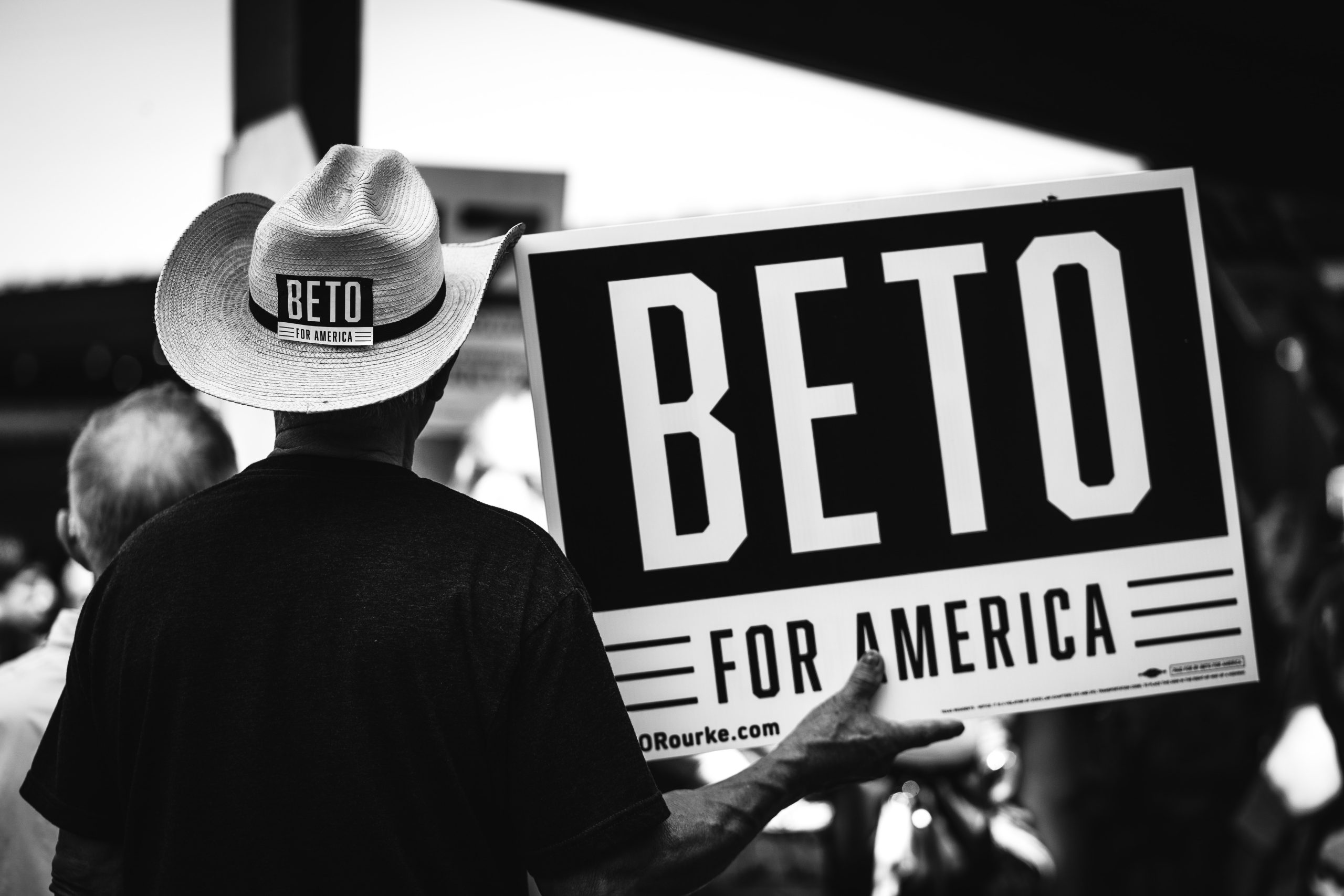
Belief in divination can also impact an individual’s voting behavior. Those who firmly embrace divination may consider the predictions or guidance offered by diviners when making electoral choices. Divination can become a factor in evaluating candidates or policies, especially if individuals believe that certain political outcomes align with their personal divination readings. While divination alone may not be the sole determinant of voting behavior, it can become an influencing factor in some instances.
Divination in Politics Today
While divination has ancient roots, its influence can still be observed in modern politics. Political leaders and campaigns incorporate divination practices, which often sparks controversies and raises ethical concerns.
Divination Practices of Political Leaders
Some political leaders today continue to utilize divination practices in their decision-making processes. This can range from seeking advice from astrologers or psychics, to consulting divination methods like tarot cards or palmistry. These leaders may believe that divination provides additional insights or perspectives that can inform their political strategies and actions.
Controversies Surrounding the Use of Divination in Politics
The use of divination in politics is not without its controversies. Critics argue that basing decisions on supernatural beliefs rather than evidence-based reasoning undermines the principles of democratic governance. Skeptics contend that divination lacks empirical validity and should not play a role in shaping policy. The controversies surrounding the inclusion of divination in politics often center around questions of legitimacy, rationality, and the separation of church and state.
Divination’s Role in Political Campaigns
Divination practices have also found their way into political campaigns. Some candidates or their teams may seek the assistance of diviners to gain an edge or insight into their campaigns. For example, they may consult astrologers to determine favorable dates for campaign events or consult tarot readers for advice on messaging. Divination’s role in political campaigns can be seen as a strategic move to appeal to certain voter demographics or to establish a sense of connection with the supernatural realm.
This image is property of images.unsplash.com.
Criticism and Skepticism of Divination
While divination has its proponents, there are also skeptics who approach the practice from a scientific perspective and criticize its use in politics.
Scientific Perspective on Divination
From a scientific standpoint, divination is often considered pseudoscience. The practices and methods associated with divination lack empirical evidence and rely on subjective interpretations. Skeptics argue that divination fails to meet the rigorous standards of scientific inquiry and should not be given credence in political decision-making processes. They highlight the importance of relying on evidence, reason, and expert analysis in policy formation.
Ethical Concerns Surrounding Divination in Politics
Ethical concerns arise when divination is incorporated into politics. Critics argue that basing policy decisions on supernatural beliefs rather than objective data may result in misguided or irrational choices. Ethical considerations include questions of fairness, transparency, and accountability. Divination’s subjective nature and lack of verifiability can lead to decisions that are influenced by personal biases or unsubstantiated claims, undermining the principles of democracy and good governance.
Political Critics of Divination
Political critics of divination view its inclusion in the political sphere as a regressive step. They argue that fostering a reliance on supernatural guidance hampers progress and stifles critical thinking. Divination is seen as a distraction from evidence-based decision-making and a potential avenue for manipulation or exploitation. These critics advocate for policies and leadership that prioritize rationality, empirical evidence, and the well-being of citizens over mystical or superstitious practices.
Influence of Divination on Policy Making
Divination can have a tangible impact on policy decisions, as demonstrated by historical examples and recurrent themes in contemporary politics.
Divination’s Role in Policy Decisions
Belief in divination can influence policy decisions by shaping the perspectives of political leaders. If a leader puts significant weight on divination guidance, their policies may be influenced or even dictated by supernatural beliefs. This can lead to policy choices that prioritize symbolic gestures, religious considerations, or traditional customs over evidence-based solutions.
Examples of Divination’s Impact on Political Policies
Throughout history, divination has left its mark on political policies. One example is the use of astrology in ancient China to determine the suitability of individuals for governmental positions. Rulers often appointed officials based on their astrological charts, reinforcing the intersection of divination and politics. Another example is the influence of palmistry and numerology in some political systems, where interpretations of destiny and personal characteristics are taken into account when making appointments or policy decisions.
Ethical Considerations in Using Divination in Policy Making
The ethical considerations of incorporating divination into policy making are multifaceted. Critics argue that prioritizing divination over evidence-based analysis may result in policies that are ineffective or discriminatory. Additionally, the lack of transparency and objectivity in divination practices can lead to decision-making processes that are not open to scrutiny, potentially undermining the principles of accountability and fairness in governance.
This image is property of images.unsplash.com.
Divination and Public Opinion
Divination’s influence extends beyond political decision-making and personal beliefs, as it can also shape public opinion and perceptions of political actors.
Perception of Divination’s Influence on Politics
Divination’s impact on politics can create a perception that decision-making processes are driven by supernatural forces rather than rationality and evidence. This perception may lead to skepticism or disillusionment among the public, raising questions about the legitimacy and credibility of political institutions. Divination’s influence on politics can also serve as a catalyst for debates surrounding the separation of religion and politics.
Public Trust in Politicians Who Practice Divination
The public’s trust in politicians who practice divination can vary depending on cultural and societal views. While some individuals may find comfort in knowing that their leaders seek guidance from otherworldly sources, others may view it as a sign of irrationality or incompetence. The public’s trust in politicians who practice divination may be influenced by their own beliefs in the practice or their perception of its impact on policy decisions.
Public Reaction to Divination-Related Political Events
Divination-related political events can evoke strong reactions from the public. For example, if a political leader makes a major policy decision based on divination, there may be both support and opposition from different segments of society. Public reactions can range from admiration for leaders who adhere to traditional practices to concerns about the lack of evidence-based decision-making. Divination-related political events can become significant points of discussion, fueling debates about the role of spirituality and rationality in politics.
Divination and Political Divisions
Divination has the potential to contribute to political divisions, as it can fuel polarization and foster the development of conspiracy theories.
Divination as a Catalyst for Political Polarization
Belief in divination can act as a catalyst for political polarization by deepening ideological divides. People who strongly believe in divination may view those who dismiss or question it as closed-minded or lacking spiritual awareness. On the other hand, skeptics may see divination proponents as superstitious or irrational. These differing perspectives can further exacerbate existing political divisions, making it difficult to find common ground and engage in meaningful dialogue.
Divination’s Role in Fueling Conspiracy Theories
Divination can also play a role in fueling conspiracy theories. The subjective nature of divination interpretations can be exploited to support or validate unfounded claims or beliefs. Political actors or groups may use divination as a tool to manipulate public opinion, create narratives, or generate fear. The inclusion of divination in political discourse can contribute to the spread of misinformation or the development of conspiracy theories, which can further undermine trust in institutions and sow discord among the population.
Divination’s Influence on Party Affiliation
Divination can influence party affiliation by aligning with specific ideological beliefs or attracting individuals who prioritize spiritual guidance in their decision-making processes. Political parties that incorporate divination practices or reference supernatural beliefs may attract supporters who share those beliefs. Divination can become a distinguishing factor in party affiliation, reinforcing divisions based on differing approaches to rationality, evidence, and decision-making.
Psychological Aspects of Divination
The impact of divination on politics can also be understood through psychological lenses, examining the underlying factors that contribute to belief in divination and its effects on political beliefs.
Psychological Explanation for Belief in Divination
Belief in divination can be attributed to various psychological factors. The need for meaning, control, and certainty in uncertain environments can drive individuals to seek answers through divination. The human tendency to find patterns and assign significance to events can contribute to the belief that divination offers genuine insights. Psychological explanations also highlight the role of cognitive biases in shaping beliefs, as individuals may interpret divinatory messages in a way that confirms their existing views or desires.
Cognitive Biases and Divination
Cognitive biases play a significant role in divination by influencing the interpretation of divinatory messages. Confirmation bias, for example, can lead individuals to focus on information that supports their preconceived notions while dismissing contradictory evidence. The availability heuristic can cause individuals to overestimate the accuracy of divination based on anecdotal evidence or personal experiences. These cognitive biases shape the way individuals perceive and assign meaning to divinatory messages, ultimately impacting their political beliefs and actions.
Psychological Effects of Divination on Political Beliefs
Divination can have psychological effects on political beliefs. Believing in divination can provide individuals with a sense of empowerment or control over their political decisions, as they perceive their choices to be guided by supernatural forces. Divination can also contribute to the reinforcement of existing beliefs, as individuals may interpret divinatory messages in a way that aligns with their preconceived notions. These psychological effects can further strengthen political ideologies or create resistance to alternative perspectives.
The Future of Divination’s Influence on Politics
As society evolves and technology advances, the influence of divination on politics may undergo changes. Examining possible future trends and potential impacts can shed light on the role divination may play in shaping political views.
Possible Trends in Divination’s Role in Politics
One possible trend is the integration of divination practices into digital platforms and technologies. Online platforms and mobile applications already offer divination services, allowing individuals to access readings and interpretative tools with ease. The usage of divination technologies in politics could lead to the democratization of divination practices, making them more accessible and widespread.
Integration of Divination Practices in Political Systems
The integration of divination practices into political systems may become a topic of debate and experimentation in the future. Some political leaders or parties may incorporate divination into their decision-making processes to appeal to specific voter demographics or to add a spiritual dimension to their governance. The potential integration of divination practices could bring forth discussions on the practicality, legitimacy, and ethical implications of such a move.
Potential Impact of Technology on Divination in Politics
Advancements in technology may impact the role of divination in politics. On one hand, technology can amplify divination practices by providing wider access to divination services, creating virtual communities around divination, and enhancing the accuracy of readings through algorithmic interpretations. On the other hand, technology may also challenge the legitimacy of divination by promoting alternative explanations, encouraging critical thinking, or providing more transparent means of decision-making based on evidence.
In conclusion, divination has a long-standing history of influencing political views and decisions. From its origins in ancient civilizations to its role in modern politics, divination has shaped personal beliefs, policy choices, public opinion, and even political divisions. While divination has its proponents, it also faces criticism and skepticism from those who view it as irrational or lacking empirical validity. Psychological factors contribute to people’s belief in divination, while cognitive biases shape the interpretation of divinatory messages. As society and technology evolve, the future impact of divination on politics remains uncertain, with potential trends and impacts worth considering.