
In the midst of turbulent and unpredictable times, finding clarity can feel like an insurmountable challenge. However, there may be a powerful tool at your disposal to navigate the murky waters of uncertainty: divination. Whether through tarot cards, astrology, or other mystical practices, divination offers a unique lens through which you can gain insight, guidance, and a deeper understanding of the complex world around you. Join us as we explore the intriguing world of divination and discover how it can provide much-needed clarity in the face of uncertainty.
Exploring Divination
Divination is a practice that has intrigued and fascinated people for centuries. It is the art of gaining insight and understanding through various methods such as tarot reading, astrology, palmistry, and more. Divination offers a unique way to explore the unknown and can provide valuable guidance, clarity, and peace of mind in times of uncertainty. In this article, we will delve into the world of divination, exploring its history, purpose, types, benefits, the role of intuition, the psychology behind it, ethical considerations, cultural perspectives, criticisms, finding a practitioner, and incorporating divination into daily life.
Defining Divination
At its core, divination is the practice of seeking knowledge or insight about the future or unknown by using supernatural means or tools. It is a way to connect with and tap into higher powers, the universe, or the subconscious mind. Divination techniques vary widely, from interpreting symbols and patterns to deciphering messages from the cosmic or spiritual realms. Regardless of the specific method used, the goal remains the same – to gain insight and guidance.
History of Divination
Divination has a rich and diverse history that spans across cultures and civilizations. Ancient Egyptians, Greeks, Romans, Chinese, and Indigenous cultures all had their own unique divination practices. These practices often served as a way to communicate with the gods or spirits, receive guidance for important decisions, or predict future events. From the ancient oracle of Delphi to the Mayan priests’ use of the Tzolk’in calendar, divination has been deeply ingrained in human history and has evolved over the years to meet the needs of different societies.
Purpose of Divination
The purpose and significance of divination have not waned over time. Divination continues to be sought after for various reasons. It can provide a sense of direction, clarity, and validation in uncertain times. For some, divination is a tool for self-reflection and personal growth, allowing individuals to gain insights into their strengths, weaknesses, and potential opportunities. Divination can also serve as a means to make informed decisions, seek advice, or obtain a different perspective on a situation. Ultimately, the purpose of divination is to help individuals navigate the complexities of life and find peace, meaning, and purpose.
Types of Divination
Tarot Reading
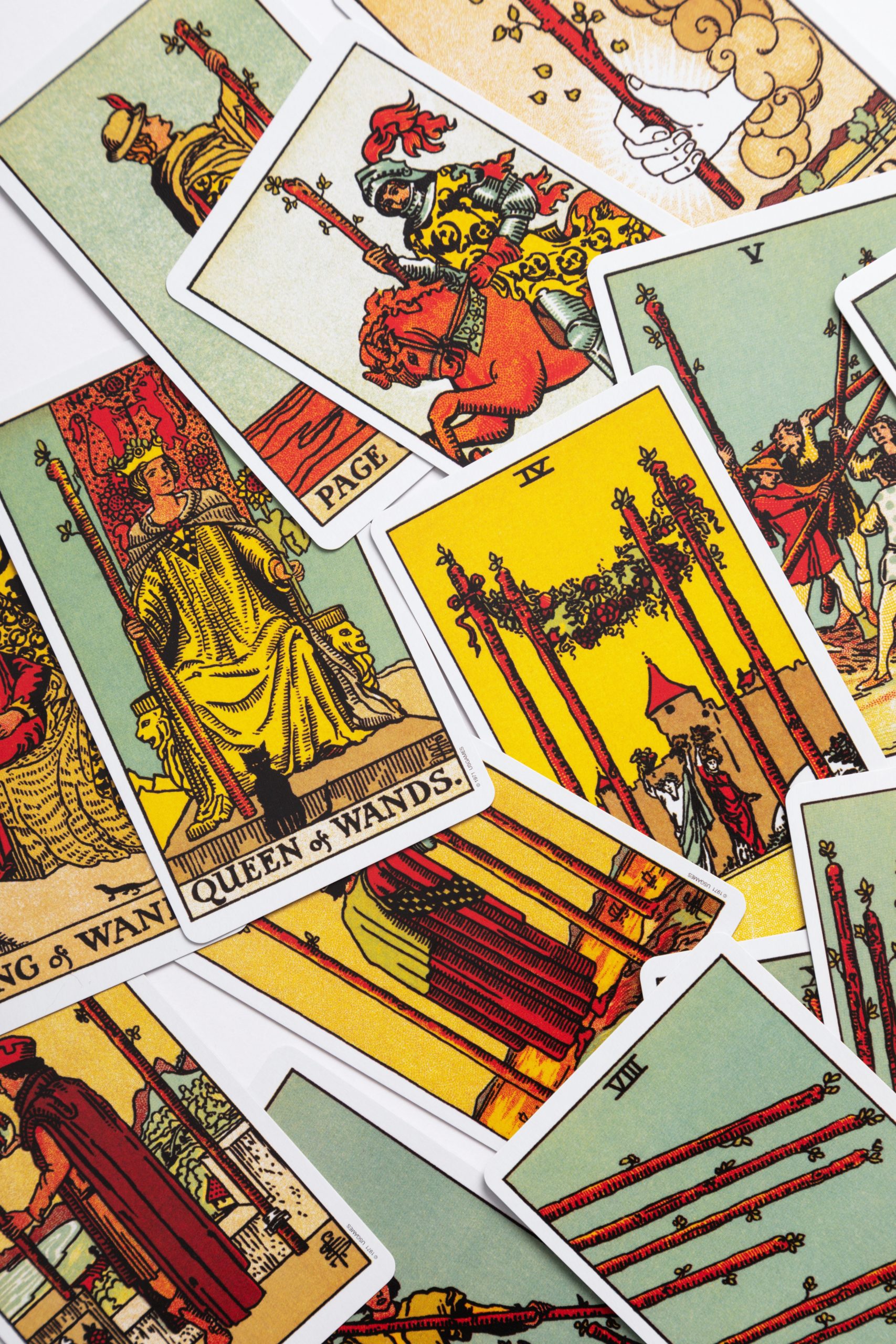
Tarot reading is one of the most well-known and widely practiced forms of divination. It involves the use of a deck of tarot cards, each card representing different archetypes, symbols, and meanings. The reader interprets the cards based on their positioning and the question asked, offering guidance and insight into various aspects of life, including relationships, career, and personal development.
Astrology
Astrology is the study of celestial bodies and their influence on human behavior and events. It utilizes birth charts, which map out the positions of the planets at the time of one’s birth, to provide insights into personality traits, strengths, challenges, and future trends. Astrology can help individuals better understand themselves and their life path, offering guidance on areas such as career, relationships, and personal growth.
Palmistry
Palmistry, also known as chiromancy, is the practice of interpreting the lines, shapes, and other features of the palms to gain insights into an individual’s personality, talents, and potential future. By analyzing the unique patterns on each hand, palmists can offer guidance on various aspects of life, including relationships, health, and career choices.
Runes
Runes are ancient symbols that were used in Germanic cultures for writing, magic, and divination. Each rune carries its own meaning and energy, and they are typically interpreted by drawing them from a bag or casting them onto a cloth. Rune readings can provide guidance, clarity, and advice on specific situations or questions, helping individuals make informed decisions and navigate through challenges.
I Ching
The I Ching, also known as the Book of Changes, is an ancient Chinese divination text that is still widely used today. It consists of 64 hexagrams, each representing a specific combination of yin and yang energies. Through the process of casting coins or yarrow sticks, individuals can access the wisdom of the I Ching, obtaining guidance and insights into various aspects of life, such as relationships, career, and personal development.
Tea Leaf Reading
Tea leaf reading, also known as tasseography, is a divination method that involves interpreting the patterns and symbols formed by tea leaves in a cup. After drinking the tea, the individual flips the cup upside-down and allows the leaves to settle. A reader then analyzes the shapes and patterns left by the leaves, interpreting their meanings and providing guidance on various aspects of life.
Numerology
Numerology is the study of numbers and their influence on various aspects of life. By assigning specific meanings to numbers, numerologists can analyze birthdates, names, and other significant numbers to gain insights and understand patterns in an individual’s life. Numerology can provide guidance and clarity on career choices, relationships, and personal development.

This image is property of images.unsplash.com.
Benefits of Divination
Providing Clarity
One of the key benefits of divination is its ability to offer clarity in times of uncertainty. When faced with difficult decisions or confusing situations, divination can provide insights and guidance that help to shed light on the path ahead. Whether it’s through tarot readings, astrology charts, or other divination methods, individuals can gain a clearer understanding of their options, potential outcomes, and the factors influencing their current circumstances.
Gaining Insight
Divination also offers the opportunity to gain deeper insights into oneself. Through various divination practices, individuals can explore their own strengths, weaknesses, and patterns of behavior. These insights can foster personal growth, allowing individuals to identify areas for improvement, embrace their unique qualities, and make decisions that align with their true selves.
Empowering Decision-Making
Divination can be a powerful tool when it comes to decision-making. By tapping into the wisdom and guidance divination offers, individuals can approach decision-making with increased confidence and clarity. Divination can help individuals consider various perspectives, identify potential pitfalls or opportunities, and make choices that are aligned with their values and aspirations.
Easing Anxiety and Stress
Uncertainty often gives rise to anxiety and stress. Divination can offer a sense of solace and reassurance in such times. By providing guidance and insight, divination can help individuals feel more grounded and supported. It can offer a fresh perspective on challenges, reminding individuals that they have the inner resources to navigate through difficult times. Divination can serve as a comforting tool, bringing a sense of peace and calm amidst chaos.
The Role of Intuition
Harnessing Intuition
Intuition, often referred to as a gut feeling or inner knowing, plays a vital role in divination. It is that deep-seated sense of knowing that is not based on logical reasoning alone but is guided by a deeper wisdom and understanding. Divination practices often rely on intuition to interpret symbols, meanings, and messages. By harnessing intuition, individuals can access insights and guidance that may not be readily apparent on the surface.
Developing Intuitive Abilities
While some individuals may naturally have a strong connection to their intuition, others may need to develop and strengthen this skill. Developing intuitive abilities can be achieved through various practices such as meditation, mindfulness, and energy work. By honing these skills, individuals can enhance their ability to tune into their intuition, making divination practices even more enlightening and effective.
Trusting Your Gut Feelings
A significant aspect of working with divination is learning to trust one’s gut feelings and inner guidance. Divination offers a way to validate and confirm our intuitive inklings, providing a tangible sense of confirmation. Learning to trust these gut feelings, even when they may contradict logic or societal expectations, can lead to greater self-empowerment and alignment with one’s true path.

This image is property of images.unsplash.com.
The Psychology Behind Divination
Carl Jung’s Archetypes
Swiss psychiatrist Carl Jung explored the symbolic and archetypal nature of the human mind. His work on the collective unconscious and archetypes provides an understanding of the psychological underpinnings of divination. Divination tools, such as tarot cards, runes, and astrology, tap into the collective wisdom stored within our minds. The images, symbols, and meanings associated with these tools resonate with our deep-seated psychological and emotional patterns, providing a gateway to self-reflection, exploration, and growth.
Unconscious Symbolism
Divination often relies on symbols and images that carry unconscious or hidden meanings. These symbols and images tap into the rich tapestry of our subconscious minds, allowing for revelations and insights that may not be readily accessible through conscious thought alone. By working with these symbols and interpreting their meanings, divination offers a bridge between the conscious and unconscious mind, facilitating deeper self-understanding and personal growth.
Self-Reflection and Personal Growth
The psychological aspect of divination lies in its ability to facilitate self-reflection and personal growth. By engaging in divination practices, individuals are encouraged to explore their thoughts, feelings, and motivations. Divination acts as a mirror, reflecting back to us the patterns, beliefs, and choices that shape our lives. Through this process of self-reflection, individuals can gain greater awareness, make positive changes, and embark on a journey of personal growth and self-discovery.
Ethical Considerations
Responsibility of Diviners
It is essential to recognize the ethical responsibilities that come with practicing divination. Diviners have a duty to approach their work with integrity, empathy, and compassion. They should prioritize the well-being and autonomy of their clients, ensuring that their practice is conducted in a safe and respectful manner. Diviners should also continuously educate themselves, stay informed about ethical guidelines, and adhere to professional standards within their specific divination community.
Informed Consent and Boundaries
Informed consent is crucial in any divination practice. Clients should be well-informed about the process, limitations, and potential outcomes of the divination session. Diviners must communicate clearly and honestly, ensuring that clients understand the nature of the information being presented and any potential risks or uncertainties involved. Setting and maintaining appropriate boundaries is equally important, respecting the privacy, confidentiality, and personal boundaries of clients.
Balancing Spirituality and Practicality
Divination practices often encompass spiritual and mystical elements. Diviners should be mindful of the diverse beliefs, values, and cultural backgrounds of their clients. It is important to strike a balance between spiritual aspects and practical, down-to-earth guidance. Recognizing that divination can be a deeply personal and sensitive experience, diviners should approach their work with respect and sensitivity, creating a space that is inclusive and supportive.
This image is property of images.unsplash.com.
Cultural Perspectives on Divination
Ancient Divination Practices
Divination has played a significant role in numerous ancient cultures and civilizations. From the Oracle of Delphi in ancient Greece to the Mayan priests performing intricate rituals, divination practices were deeply interwoven into spiritual and daily life. These practices offer a glimpse into the values, beliefs, and worldview of ancient societies, highlighting the importance humans have always placed on seeking guidance and insight from the mystical and supernatural realms.
Modern Cultural Influence
Divination practices have evolved over time, adapting to the changing cultural landscape. In modern times, divination has gained popularity and become more accessible to a wider audience. Contemporary divination practices incorporate a blend of traditional wisdom, intuitive interpretation, and personal empowerment. Divination methods like tarot reading and astrology have become part of popular culture, with an increasing number of people seeking guidance, inspiration, and self-discovery through these methods.
Religious Views on Divination
Religious perspectives on divination vary significantly. Some religious traditions view divination as a valuable tool for seeking guidance and understanding, while others denounce it as being in direct contradiction to their beliefs. In many cases, the religious outlook on divination depends on the interpretation of particular texts or traditions. It is essential to recognize and respect the diversity of religious perspectives regarding divination, embracing a spirit of tolerance and understanding.
Critics and Skeptics
Scientific Skepticism
Like any practice that delves into the metaphysical or supernatural, divination has its share of skeptics and critics. Scientific skepticism questions the validity and efficacy of divination practices, often attributing any positive outcomes to placebo effects, random chance, or a person’s own subjective interpretation. While skepticism has its place in the pursuit of truth, it is essential to approach divination with an open mind and consider the multitude of experiences and perspectives shared by those who have found value and insight through divination.
Misinterpretation of Divination
Misinterpretation of divination can and does happen. Divination relies on symbols, images, and intuitive guidance, all of which are susceptible to individual interpretation. As humans, we bring our own biases, filters, and experiences to the interpretation process, which can lead to varying and sometimes inaccurate readings. It is vital to approach divination with a discerning mind, recognizing that a skilled and ethical diviner can offer valuable insights, but interpretation is subjective and should be analyzed with critical thinking.
Confirmation Bias
Confirmation bias is a cognitive bias that affects our ability to objectively evaluate information. In the context of divination, it refers to individuals selectively interpreting or accepting information that confirms their existing beliefs, desires, or hopes. While divination can offer guidance and insight, it is crucial to approach the practice with an open mind and a willingness to consider alternative perspectives. Being aware of our own biases can help mitigate the potential impact of confirmation bias when engaging in divination.

Finding a Divination Practitioner
Research and Recommendations
When seeking a divination practitioner, conducting thorough research is key. Explore reputable sources, read reviews and testimonials, and consider recommendations from trusted friends or colleagues who have had positive experiences. Look for practitioners who demonstrate expertise, professionalism, and a commitment to ethical practices. Finding a divination practitioner who aligns with your personal values and concerns is important for a meaningful and beneficial experience.
Personal Connection and Trust
Establishing a personal connection and a sense of trust with a divination practitioner is vital. Divination sessions can touch upon deeply personal and vulnerable aspects of your life, so it is crucial to feel comfortable and safe during the process. Look for a practitioner who actively listens, shows empathy, and creates a supportive environment. Trust your intuition when choosing a practitioner, as a strong connection can enhance the effectiveness and authenticity of the divination experience.
Credentials and Experience
Credentials and experience are essential considerations when choosing a divination practitioner. Seek out practitioners who have undergone formal training or certification in their chosen divination method. Experience can also play a crucial role in the practitioner’s ability to provide accurate and insightful readings. Don’t hesitate to ask about the practitioner’s background, training, and experience, as well as any professional affiliations or memberships. A well-qualified and experienced divination practitioner will instill confidence and provide a reputable service.
Incorporating Divination into Daily Life
Rituals and Practices
Incorporating divination into daily life can be a meaningful and empowering practice. Creating rituals and routines around divination can help deepen the connection and allow for regular self-reflection and insight. This could involve setting aside specific times for divination sessions, cleansing and energizing divination tools, or creating a dedicated sacred space for divination practice. By making divination a regular part of your routine, you can access its benefits more consistently and develop a deeper connection to your own intuition.
Journaling and Self-Reflection
Journaling is a powerful tool that can enhance the divination experience. After a divination session, take the time to reflect on the insights and guidance received. Write down any significant symbols, messages, or emotions that emerged during the session. Journaling allows for greater self-reflection, helping you integrate the wisdom and insights gained from divination into your daily life. It also serves as a record of your divination journey, providing a valuable resource for future reference and personal growth.
Regular Readings or Consultations
Regular divination readings or consultations can provide ongoing guidance and support. Whether it’s scheduling regular tarot readings, astrology consultations, or other divination sessions, consistent practice can help deepen your understanding and provide a sense of continuity. Regular readings allow for a more comprehensive exploration of life themes and patterns, offering a deeper level of insight and guidance. By engaging in divination on a regular basis, you can develop a harmonious relationship with the practice and integrate its wisdom into your daily life.
In conclusion, divination serves as a powerful tool for finding clarity, gaining insight, empowering decision-making, and easing anxiety in uncertain times. It encompasses various methods such as tarot reading, astrology, palmistry, runes, I Ching, tea leaf reading, and numerology, each offering its unique approach to accessing guidance. Divination operates in the realm of intuition and the human psyche, drawing on archetypes, symbolism, and personal reflection to promote self-awareness and personal growth. However, it is essential to approach divination with an open mind, considering ethical considerations, cultural perspectives, and balancing practicality with spirituality. By finding a trusted divination practitioner and incorporating divination practices into your daily life, you can tap into the power of divination and navigate the uncertainties of life with greater clarity and peace of mind.