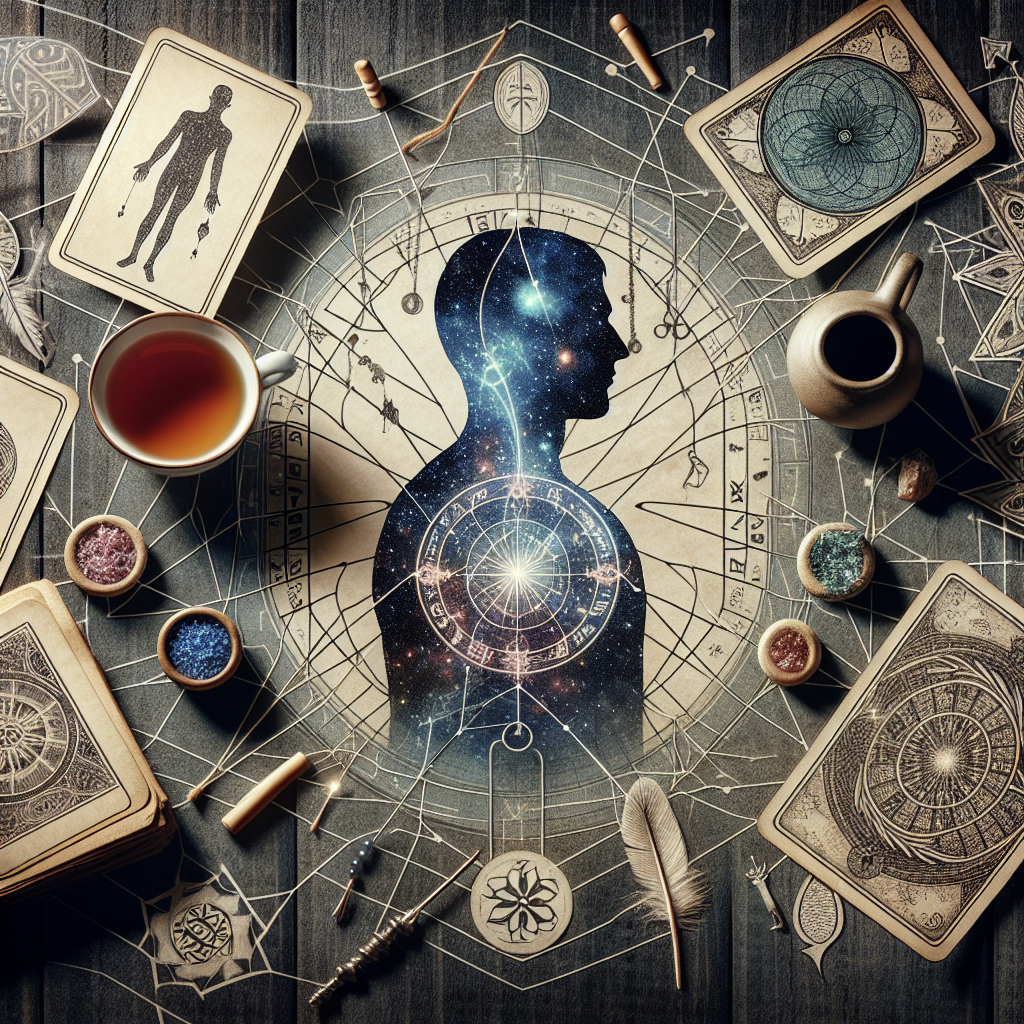
Have you ever wondered about the mysterious ways in which our destinies unfold? The role of divination in understanding personal identity has been a topic of intrigue and fascination for centuries. Divination, the practice of seeking knowledge of the future or hidden truths through various supernatural means, has been used by cultures across the globe as a tool for self-discovery. In this article, we will explore how divination can provide valuable insights into our personal identity, shedding light on who we truly are and guiding our paths towards self-awareness and fulfillment. Embark on this journey and unlock the secrets that lie within the ancient art of divination.

This image is property of images.pexels.com.
Defining Divination
Origin and history of divination
Divination, the practice of seeking knowledge or insights from a supernatural or higher power, has been a part of human civilization for centuries. Its exact origin is difficult to trace, as it predates written history, but evidence suggests that divination was prevalent in ancient civilizations such as Egypt, Mesopotamia, and China. These early societies believed that divination provided a means to communicate with the divine and gain guidance for important decisions or events.
The methods of divination have varied throughout history, ranging from observing natural phenomena like celestial bodies and animal behavior to interpreting dreams and casting lots. Divination practices were often intertwined with religious or spiritual beliefs, reflecting the deep connection between divination and human understanding of the world and their place in it.
Methods and practices of divination
Divination encompasses a wide range of methods and practices, each with its own unique approach and symbolism. Here are some common methods of divination:
-
Tarot Cards: Using a deck of 78 cards, each representing different archetypal symbols, tarot readers interpret the cards’ meanings and their placement in a spread to gain insights into the past, present, and future.
-
Astrology: Based on the position of celestial bodies at the time of an individual’s birth, astrologers map out a person’s natal chart, which provides insights into their personality traits, strengths, and challenges.
-
Palmistry: Examining the lines, shapes, and features of the palm, palm readers claim to decipher a person’s character, potential, and even future events.
-
I Ching: Originating in ancient China, the I Ching, or Book of Changes, involves using yarrow stalks or coins to generate hexagrams. These hexagrams are then interpreted to provide guidance and answer questions.
-
Runes: Ancient symbols etched into stones or pieces of wood, runes are cast or drawn to gain insights into various aspects of life, including relationships, career choices, and personal growth.
-
Numerology: By assigning specific meanings to numbers, numerologists analyze individuals’ birth dates and names to explore their characteristics, destiny, and life paths.
These are just a few examples of the methods and practices used in divination. Each method offers a unique approach to gaining insights into personal identity and the larger forces that shape our lives.
Personal Identity
Meaning and significance of personal identity
Personal identity encompasses the distinct characteristics, experiences, beliefs, and values that define an individual. It reflects the essence of who we are, including our thoughts, emotions, and actions. Understanding personal identity is crucial for self-awareness, personal growth, and making meaningful connections with others.
Personal identity plays a significant role in shaping our perceptions, decisions, and interactions with the world. It influences our values, goals, and sense of purpose, guiding us on our journey toward self-realization and fulfillment.
Factors influencing personal identity
Numerous factors contribute to the formation and development of personal identity. These factors can be broadly categorized into internal and external influences:
-
Internal Influences: Internal factors include our genetic makeup, personality traits, and innate tendencies. These aspects of ourselves shape our inclinations, preferences, and the lens through which we perceive the world.
-
External Influences: External factors encompass the social, cultural, and environmental contexts in which we exist. Our family, friends, community, cultural background, and societal norms all influence our beliefs, values, and behaviors. Additionally, life experiences, education, and exposure to different perspectives also contribute to shaping personal identity.
The understanding of personal identity is dynamic and evolves as we grow and experience life. Divination can offer a unique perspective by providing insights into hidden aspects of our identity that may be influenced by these internal and external factors.
Exploring Divination’s Role in Understanding Personal Identity
Divination as a tool for self-reflection
Divination can serve as a powerful tool for self-reflection, allowing individuals to gain deeper insights into their thoughts, emotions, and motivations. Through divinatory practices, one can develop a greater understanding of their strengths, weaknesses, and areas for personal growth. By reflecting on divinatory messages, individuals can engage in introspection and self-analysis, leading to enhanced self-awareness.
Uncovering hidden aspects of personal identity
The complexities of personal identity often involve elements that reside beneath the surface, hidden from conscious awareness. Divination has the potential to bring these hidden aspects to light, revealing subconscious patterns, desires, and unresolved issues. By tapping into these hidden realms, divination can shed light on aspects of personal identity that may have otherwise remained elusive.
Understanding past lives through divination
Many divinatory practices explore the concept of past lives, suggesting that personal identity extends beyond the boundaries of our current existence. Through methods like past life regression or mediumship, divination allows individuals to access information that may offer glimpses into their previous incarnations, offering insights into recurring themes, relationships, and unresolved karmic patterns.
Divination and the exploration of archetypes
Archetypes, universal symbols or patterns of behavior, play a significant role in understanding personal identity. Divination can help individuals identify which archetypes are prevalent in their lives, offering a framework for understanding their motivations, strengths, and challenges. By recognizing archetypal influences, individuals can gain a deeper understanding of their personal identity and engage in purposeful personal growth.
Divination’s influence on decision-making and personal growth
Divination can be a valuable tool for decision-making and personal growth, providing guidance and perspectives beyond what is readily visible. By consulting divination methods, individuals can gain insights into potential outcomes, evaluate different options, and make choices aligned with their values and aspirations. Divination can empower individuals to make informed decisions and take proactive steps towards personal growth and self-actualization.
Psychological Perspectives on Divination and Personal Identity
The role of intuition and subconscious in divination
Divination often involves tapping into intuition and the subconscious mind. Intuition, a powerful but often overlooked aspect of human cognition, can provide valuable insights and guidance. Divinatory practices, such as tarot reading or rune casting, rely on the intuitive faculties of the practitioner and the seeker to interpret symbols, patterns, and messages.
Additionally, divination can bring to light subconscious thoughts, emotions, and patterns that influence personal identity. Carl Jung, the renowned Swiss psychologist, believed that divination could serve as a means to access the collective unconscious, a deep well of shared human experiences and archetypal energies. By delving into the subconscious realms, divination offers a psychological perspective on personal identity.
Analytical psychology and divination
Analytical psychology, pioneered by Carl Jung, provides a framework to explore personal identity and the human psyche. Jung viewed divination as a means to connect with the unconscious realms and gain insights into the complex tapestry of personal and collective identity.
Jungian psychology recognizes the role of symbolism and archetypes in shaping personal identity. Divinatory practices often rely on symbols and archetypal imagery, allowing individuals to tap into the collective unconscious and uncover deeper layers of personal identity and meaning. By working with divination in conjunction with analytical psychology, individuals can explore and integrate various aspects of their identity for personal growth and individuation.
Interpretation of divinatory readings and self-awareness
The interpretation of divinatory readings plays a crucial role in understanding personal identity. Whether through the guidance of a skilled practitioner or personal reflection, the process of interpreting divination results calls for self-awareness and reflection.
By engaging in the interpretation process, individuals are encouraged to critically examine the messages received and consider how they align with their current understanding of personal identity. This ongoing process of reflection and self-awareness fosters personal growth, empowering individuals to navigate their lives with greater clarity, purpose, and authenticity.

This image is property of images.pexels.com.
Ethical Considerations in Divination and Personal Identity
Balancing belief systems and individual values
Ethical considerations arise when individuals engage in divination, particularly when it intersects with their belief systems and personal values. It is essential to strike a balance between the guidance offered by divination and one’s own moral compass.
While divinatory practices can provide valuable insights, individuals should approach them with discernment and consider how these insights align with their personal values, beliefs, and ethical standards. By maintaining this balance, individuals can integrate the wisdom gained through divination into their personal identity while living in alignment with their values.
Avoiding dependency on divination for personal identity
While divination can be a helpful tool for understanding personal identity, it is important to avoid developing an excessive dependency on it. Relying solely on divination for personal identity may result in a skewed perspective, as divinatory insights are just one piece of the intricate puzzle that is personal identity.
It is crucial to recognize that personal identity is a multifaceted and ever-evolving concept that encompasses a multitude of influences and experiences. Divination can complement the process of self-discovery, but it should not be the sole determiner of personal identity.
Critical thinking and discernment in divination practices
Engaging in divination requires critical thinking and discernment. It is essential not to take divinatory readings at face value but instead employ analytical and reflective thinking.
Individuals should critically examine the interpretations, messages, and advice derived from divinatory practices, considering their relevance, applicability, and resonance with personal experiences and aspirations. By actively participating in the divination process with discernment, individuals can navigate the intricacies of personal identity with greater clarity and self-awareness.
Cultural Perspectives on Divination and Personal Identity
Divination in ancient civilizations
Divination practices have played integral roles in numerous ancient civilizations. From the Oracle of Delphi in ancient Greece to the Mayan priests in Mesoamerica, divination was seen as a means to connect with higher realms and gain insights into personal identity and destiny.
In these cultures, divination was often closely tied to religious or spiritual beliefs, with practitioners serving as intermediaries between the divine and mortal realms. Divinatory practices in ancient civilizations provided individuals with a framework to understand their personal identity within the larger context of cosmic forces and communal values.
Indigenous practices and personal identity
Indigenous cultures throughout the world have embraced various forms of divination as tools for understanding personal identity. These practices are deeply rooted in ancestral wisdom and offer a means to connect with the natural world and the spirits that inhabit it.
In indigenous communities, personal identity is intricately interconnected with the land, community, and ancestral heritage. Divination serves as a bridge between the individual and these larger forces, allowing for a deeper understanding of personal identity as part of a collective whole.
Eastern philosophies and divination
Divination holds a significant place within various Eastern philosophies and spiritual traditions, such as Daoism, Buddhism, and Hinduism. The ancient Chinese text, I Ching, and the Tibetan practice of Mo divination are just two examples of divinatory practices deeply ingrained in Eastern cultures.
In these traditions, personal identity is often intertwined with metaphysical concepts such as karma, reincarnation, and spiritual enlightenment. Divination offers a means to explore these concepts, gain insights into personal identity, and navigate the complexities of existence.

This image is property of images.pexels.com.
Limitations of Divination in Understanding Personal Identity
Subjectivity and interpretation in divination
One of the limitations of divination is the inherent subjectivity and interpretation involved in the practice. Divinatory methods, symbols, and readings can be open to various interpretations, depending on the practitioner or individual involved. This subjectivity can potentially lead to different insights or conflicting messages regarding personal identity.
It is important to approach divination with awareness of this limitation and engage in critical thinking when interpreting divinatory results. Recognizing the subjective nature of interpretation allows individuals to navigate personal identity with greater discernment, considering various perspectives and possibilities.
Divination as a complementary tool, not a sole determiner of identity
While divination can provide valuable insights into personal identity, it should not be considered the sole determiner of one’s identity. Personal identity is a complex and multifaceted concept, influenced by diverse factors that extend beyond the scope of divinatory practices.
Divination can be viewed as a complementary tool that enriches the understanding of personal identity, offering perspectives and guidance. By considering divination as one facet of the larger tapestry of personal identity, individuals can cultivate a more holistic and comprehensive understanding of themselves.
Case Studies on Divination and Personal Identity
Exploring real-life experiences
Numerous case studies and personal testimonies shed light on the role of divination in understanding personal identity. These real-life experiences offer unique insights into how divinatory practices have positively contributed to individuals’ self-awareness, personal growth, and decision-making.
Stories of individuals finding solace and guidance through tarot readings, discovering hidden aspects of their identity through astrology, or uncovering past life connections through regression therapy highlight the transformative potential of divination in understanding personal identity.
Testimonies and reflections
Testimonies and reflections from individuals who have engaged in divination provide valuable firsthand accounts of its impact on personal identity. These narratives offer nuanced perspectives on the ways divination has helped individuals explore and embrace various dimensions of their identity.
By listening to these testimonies, individuals can gain a deeper appreciation for the role that divination can play in their own journey of self-discovery and personal growth. These real-life accounts serve as a source of inspiration and motivation for those seeking to understand and explore their own personal identity.

Critics’ Perspective on Divination and Personal Identity
Skepticism towards divination as a valid method
Critics of divination often question its validity as a method for understanding personal identity. Skeptics argue that divination lacks scientific evidence and reliability, dismissing it as mere superstition or wishful thinking.
While it is crucial to approach divination with a discerning mind and critically evaluate any claims made, it is equally important to acknowledge that personal identity encompasses subjective experiences and the exploration of meaning beyond scientific measurements. Divination can offer insights that traditional scientific methods may not capture, providing a holistic perspective on personal identity.
Alternative explanations for perceived accuracy
Critics often propose alternative explanations for the perceived accuracy of divination. They attribute successful readings to factors such as chance, cold reading techniques, or the placebo effect.
While it is true that some divinatory experiences may be influenced by these factors, it is also essential to consider the many cases where individuals have reported profound and transformative insights that surpass chance or skepticism. The impact of divination on personal identity should not be discounted solely based on alternative explanations, but rather embraced as a valuable tool for self-exploration and growth.
Debunking misconceptions about divination and personal identity
Misconceptions about divination and its relation to personal identity are common. Critics often dismiss divinatory practices as mere fortune-telling or suggest that they invalidate personal agency and responsibility.
However, divination is not about predicting the future with absolute certainty or relinquishing personal responsibility. Instead, it offers insights, guidance, and perspectives that empower individuals to make informed decisions and navigate personal identity with greater self-awareness and authenticity.
By addressing and debunking these misconceptions, individuals can approach divination with an open mind and recognize its potential benefits in understanding personal identity.
Conclusion
Divination provides a unique lens through which individuals can explore and understand their personal identity. Across cultures, time periods, and belief systems, divination practices have served as tools for self-reflection, uncovering hidden aspects of identity, and supporting personal growth.
While divination has its limitations and skeptics, its potential to deepen self-awareness, navigate decision-making, and explore intricate facets of personal identity should not be disregarded. By engaging with divination practices and approaches, individuals can enrich their understanding of personal identity and embark on a transformative journey of self-discovery.