So you’ve always been curious about the mystical and the supernatural, and you can’t help but wonder: what’s the difference between divination and fortune-telling? While they may seem like interchangeable terms, there are subtle distinctions that set them apart. Divination is an ancient practice rooted in spirituality and often involves interpreting signs and symbols to gain insight into future events or understand the present circumstances. On the other hand, fortune-telling tends to focus more on predicting future outcomes through various methodologies and techniques. In this article, we will explore these fascinating disciplines and shed light on their unique characteristics, so get ready to embark on a journey of enlightenment and unravel the mysteries of divination and fortune-telling!

This image is property of images.unsplash.com.
Definition of Divination
Divination is the practice of seeking knowledge or insight into the future or the unknown through supernatural means. It involves the interpretation of omens, signs, symbols, or any other mystical processes to gain a glimpse into what lies ahead. Divination has been a part of human history for centuries, and it has always captivated the imagination of individuals seeking guidance, wisdom, or reassurance.
Different forms of divination
There are various forms of divination, each with its own unique methods and traditions. Some of the prominent forms include astrology, tarot card reading, pendulum divination, scrying, numerology, and rune casting. Each form may involve different rituals, tools, or techniques, but they all share the common goal of accessing knowledge beyond the realm of what is immediately apparent.
Historical origins of divination
Divination has deep historical roots that can be traced back to ancient civilizations. In ancient China, divination methods such as I Ching were used to seek guidance and make important decisions. Ancient Egyptians relied on oracles and dream interpretation to understand the will of the gods. Even in the West, divination practices were prevalent, with the Greeks consulting oracles like the Oracle of Delphi for prophetic guidance. The long-standing presence of divination in human culture is a testament to its enduring appeal and significance.
Definition of Fortune-Telling
Fortune-telling, on the other hand, is a practice centered around predicting future events and outcomes. It seeks to uncover personal fortune, luck, and destiny by using various techniques and methods. Fortune-telling is often associated with mysticism and the supernatural, aiming to provide individuals with a glimpse into what lies ahead in their lives.
Methods used in fortune-telling
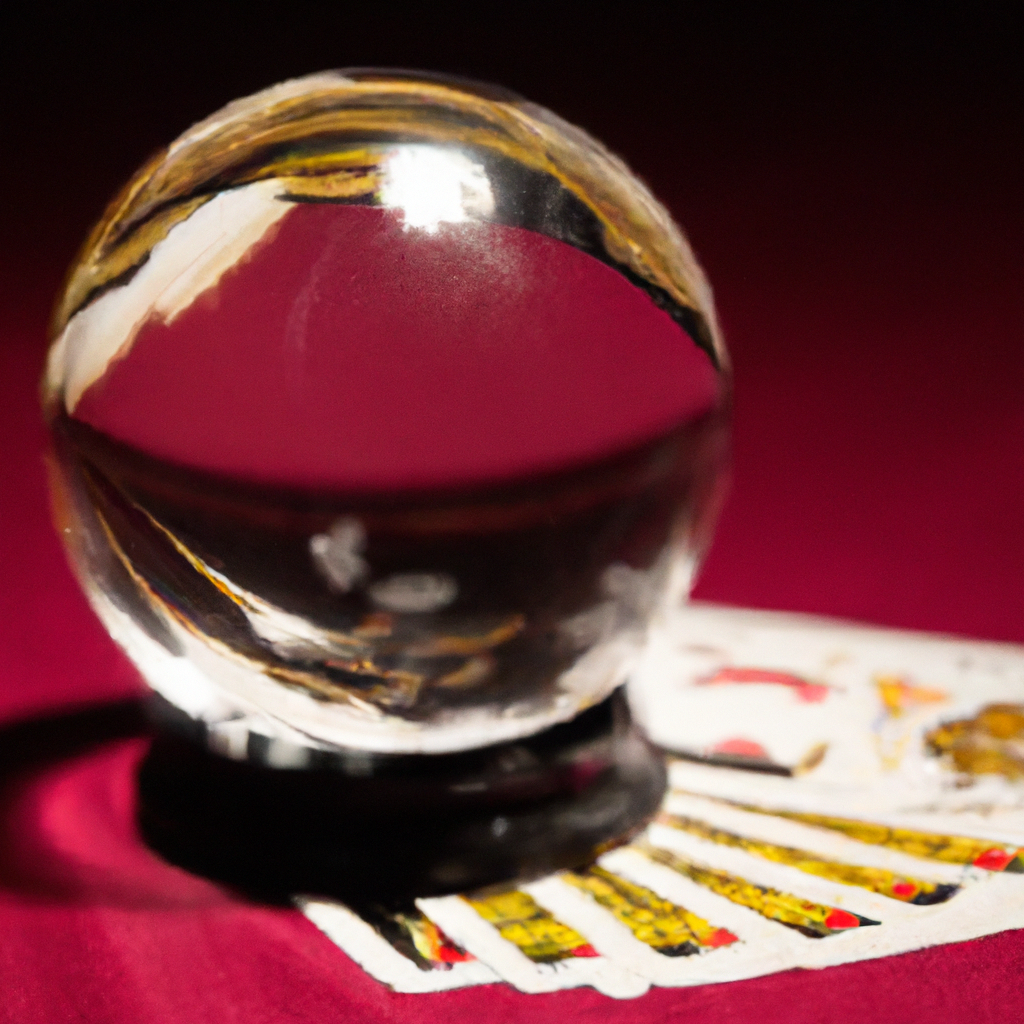
Fortune-telling encompasses a wide range of methods and techniques to predict the future. Some common methods include palmistry, where the lines on a person’s palms are analyzed, and crystal ball gazing, where a fortune-teller gazes into a crystal ball to receive messages and visions. Other methods include tea leaf reading, cartomancy using playing cards, and even pendulum dowsing. Each method offers its own unique way of tapping into the unknown and revealing insights about the future.
Cultural significance of fortune-telling
Fortune-telling holds cultural significance in many societies around the world. It is often intertwined with various cultural traditions, folklore, and superstitions. In some cultures, fortune-tellers are highly respected and sought after for their abilities to offer guidance and predictions. For others, it is seen as a form of entertainment or a fun activity to engage in during festivals or social gatherings. Regardless of the cultural context, fortune-telling plays a role in shaping beliefs, providing comfort, or piquing curiosity for those seeking a glimpse into what the future holds.
Approach and Purpose
Divination as a spiritual practice
For many, divination is not just about predicting the future but also about connecting with a higher power or seeking spiritual guidance. Divination can serve as a means of deepening one’s understanding of oneself, the universe, and the interconnectedness of all things. It allows individuals to tap into their intuition, trust their instincts, and gain a sense of clarity and direction. Divination as a spiritual practice often involves rituals or ceremonies that create a sacred space for the seeker to commune with the divine and access wisdom beyond the physical realm.
Fortune-telling as entertainment or guidance
While divination can have a spiritual aspect, fortune-telling is often more closely associated with entertainment or seeking guidance for immediate concerns. Some individuals turn to fortune-tellers for a unique and thrilling experience, akin to going to a magic show or amusement park ride. Others seek guidance on matters of the heart, career choices, or general life advice. People often approach fortune-telling with a sense of curiosity and openness, knowing that the predictions may not always be accurate but still offering a sense of intrigue and wonder.
Beliefs and Philosophies
Divination’s connection to spirituality and higher powers
Divination, in many belief systems, is based on the idea that there is a deeper spiritual reality or higher power that can guide and influence human lives. Whether it is the alignment of the stars in astrology or the interpretation of symbols in tarot cards, divination practices often draw on the belief that there is a cosmic order at play. Practitioners often see themselves as channels or intermediaries between the physical world and the spiritual realm, using divination techniques to access hidden knowledge and insight.
Fortune-telling’s focus on personal destiny and future outcomes
Fortune-telling, on the other hand, tends to focus more on the individual’s personal destiny, choices, and future outcomes. It often revolves around the belief that certain events or circumstances are predetermined and that a fortune-teller can provide glimpses into this path. While there may be debates about the extent to which our lives are predetermined versus shaped by free will, fortune-telling offers individuals a sense of empowerment and guidance as they navigate their life journey.

This image is property of images.unsplash.com.
Methodology and Techniques
Symbolism and interpretation in divination
Divination relies heavily on symbolism and interpretation. Whether it’s deciphering the meaning of astrological signs or analyzing the placement of cards in a tarot spread, practitioners of divination interpret the symbols and patterns to gain insight into a particular situation or question. The symbols act as a language, conveying messages from the unseen realm to the seeker. The interpretation process is subjective, as it relies on the intuition and experiences of the diviner, making each session a unique and personal experience.
Divination tools such as tarot cards, astrology charts, etc.
Divination employs a wide array of tools and implements to facilitate the process of gaining insight and knowledge. Tarot cards, with their intricate imagery and archetypal symbolism, are a popular tool used in divination. Each card holds symbolic meanings that can be interpreted to provide guidance and understanding. Astrology charts, on the other hand, map the positions of celestial bodies at the time of an individual’s birth and offer insights into their personality traits, tendencies, and life events. Runes, pendulums, and scrying mirrors are also commonly used tools in divination, each with their own unique purpose and symbolism.
Fortune-telling methods like palmistry, crystal ball gazing, etc.
Fortune-telling methods often involve direct interaction with the seeker’s physical attributes or personal objects. Palmistry, for example, examines the lines, shapes, and markings on an individual’s palms as indications of their personality traits and future. Crystal ball gazing involves staring into a polished sphere to receive visions and messages about the future. Other methods, such as tea leaf reading, analyzing dreams, or numerology, focus on deciphering patterns and signs in everyday experiences to provide insight into future events.
Interpretation and Accuracy
Subjectivity in divination interpretations
Interpretation is a central aspect of divination, and it is influenced by the subjectivity of the diviner. Each practitioner brings their own unique perspective, experiences, and insights to the interpretation process. Therefore, interpretations can vary from one diviner to another, even when using the same divination tool or technique. This subjectivity allows for a personal connection between the diviner and the seeker, as the diviner’s intuition and understanding guide the interpretation.
Objective predictions in fortune-telling
Fortune-telling, in contrast, often aims for more objective predictions. Seekers turn to fortune-tellers for specific answers or insights into future events. While the accuracy of these predictions varies and is often a matter of debate, fortune-telling attempts to provide concrete information about future outcomes. This focus on specific events or circumstances often distinguishes fortune-telling from divination, where the emphasis is more on general guidance and insight.
This image is property of images.unsplash.com.
Ethical Considerations
Contextual ethics in divination
Ethics play an important role in divination, as the practice involves providing guidance and often delving into personal or sensitive matters. Diviners must approach their work with a sense of responsibility and respect for the seeker’s privacy and well-being. Consent and confidentiality are key ethical considerations in divination, ensuring that seekers feel safe and supported during the reading. Additionally, diviners should be mindful of their own biases and not impose their personal beliefs or judgments onto the seeker.
Responsibility in fortune-telling
Fortune-telling also requires a responsible approach, as its predictions can have a significant impact on the seeker’s thoughts, emotions, and actions. While entertainment-focused fortune-telling may be less concerned with ethical considerations, those offering guidance and advice should be mindful of the potential consequences of their words. Responsible fortune-tellers strive to empower individuals by highlighting their strengths and opportunities, rather than instilling fear or dependence.
Credibility and Skepticism
Cultural acceptance and skepticism towards divination
The acceptance and credibility of divination practices vary across cultures and individuals. In some cultures, divination has a long-established tradition and is widely embraced as a valuable source of guidance and insight. However, skepticism and dismissal of divination also exist, often rooted in cultural, religious, or scientific beliefs that challenge the supernatural aspects of these practices. It is important to respect different perspectives while acknowledging the personal experiences and transformative potential that divination can hold for many individuals.
Controversies and debunking of fortune-telling
Fortune-telling, as a practice centered around predicting the future, often faces more skepticism and controversy. Critics argue that fortune-telling relies on subjective interpretations, cold reading techniques, and manipulation to provide seemingly accurate predictions. Skeptics may challenge the legitimacy of fortune-telling by questioning the lack of scientific evidence and the potential for exploitation. It is essential to approach fortune-telling with an open mind, understanding its limitations and the possibility of both genuine insights and fraudulent practices.

Legal Regulations
Legal status of divination practices
The legal status of divination practices varies from country to country and often depends on local regulations and cultural norms. In some places, divination is considered a legitimate spiritual practice and is protected under freedom of religion laws. However, in other jurisdictions, divination may be subject to regulations, licensing requirements, or even prohibition. It is essential for practitioners and seekers alike to familiarize themselves with the legal landscape surrounding divination in their respective regions.
Restrictions and licensing for fortune-telling
Fortune-telling often faces more scrutiny and restrictions, particularly if it involves financial transactions or promises of specific outcomes. Some jurisdictions require fortune-tellers to obtain licenses or adhere to specific regulations to operate legally. Ensuring transparency, honesty, and integrity in fortune-telling practices helps foster trust between practitioners and seekers, and can serve to uphold the credibility and reputation of the profession.
Conclusion
Appreciating the distinct characteristics of divination and fortune-telling allows us to understand the multifaceted nature of these practices. Divination offers seekers a means of connecting with the spiritual realm, accessing hidden knowledge, and seeking guidance from higher powers. Fortune-telling, on the other hand, focuses on predicting future outcomes and providing specific insights into personal destiny. Regardless of individual beliefs and preferences, both divination and fortune-telling can offer valuable experiences, provoking curiosity, providing entertainment, or guiding individuals on their life paths. It is ultimately up to each person to choose the approach that resonates with them and aligns with their own beliefs and desires for self-discovery and growth.