In “Understanding the Divination Process: Analyzing Intentions and Outcomes,” we delve into the intricate world of divination, exploring the underlying motivations of those who seek divine guidance and delving into the nature of the outcomes they receive. By dissecting the process, intentions, and outcomes of divination, we aim to shed light on this ancient practice and offer a deeper understanding of its significance in our lives. Whether you are a skeptic or a believer, join us on this captivating journey as we unravel the mysteries of divination.
The Divination Process
Definition and Overview
The divination process refers to the practice of seeking guidance or insight into future events or matters of importance through supernatural or mystic means. It is a method of tapping into unseen forces or realms to gain knowledge or understanding that is beyond the realm of ordinary perception. Divination has been practiced for centuries in various cultures and societies around the world, with different methods and tools being used to facilitate the process.
Historical Background
The origins of divination can be traced back to ancient civilizations, where it played a significant role in religious and spiritual practices. The ancient Greeks, Egyptians, and Chinese, among others, believed in the power of divination and utilized various techniques to communicate with the divine. Divination was often performed by priests, priestesses, or seers who were considered to have a special connection with the spiritual realm.
Types of Divination
There are numerous types of divination, each with its own unique set of beliefs, rituals, and tools. Some of the most popular forms of divination include astrology, tarot card reading, palmistry, numerology, tea leaf reading, and runes. Each method has its own specific techniques and interpretations, but all share the common goal of providing guidance and insight into the future or certain aspects of an individual’s life.
Tools and Techniques
Divination involves the use of various tools and techniques to facilitate the process of receiving and interpreting messages from the unseen realm. For example, tarot cards are commonly used as a tool for divination, with each card representing different aspects of life and potential outcomes. Similarly, astrology utilizes the position of celestial bodies, such as stars and planets, to generate predictions and insights. Other techniques include scrying, which involves gazing into a reflective surface, and channeling, where a medium communicates with spirits or entities.
Understanding Intentions
Why People Seek Divination
People seek divination for a variety of reasons. Some individuals may be facing important life decisions and seek guidance on which path to take. Others may be curious about future prospects or potential outcomes in their personal or professional lives. Additionally, divination can provide comfort and reassurance during times of uncertainty or distress. Some individuals may also utilize divination as a means of connecting with their spiritual beliefs or searching for deeper meaning in their lives.
Exploring Personal Intentions
When seeking divination, it is important to explore and understand your personal intentions behind the practice. Are you seeking clarity, validation, or direction? Understanding your intentions can help guide the divination process and ensure you approach it with an open and receptive mindset. It is essential to approach divination with a genuine curiosity and willingness to learn, as this can enhance the accuracy and depth of the guidance received.
Cultural and Spiritual Motivations
Divination practices are deeply ingrained in many cultures and religions worldwide. For some individuals, divination serves as a way to connect with their cultural heritage or ancestral traditions. It can provide a sense of belonging and connection to something larger than oneself. Additionally, divination is often viewed as a spiritual practice, allowing individuals to tap into the collective unconscious or communicate with higher powers. The cultural and spiritual motivations behind divination can greatly influence the significance and interpretation of the outcomes received.

Exploring Divinatory Outcomes
Interpretation and Analysis
Interpreting the outcomes of divination is a crucial part of the process. It requires careful analysis and understanding of the symbols, messages, and energies present during the divination session. Each divination method has its own unique system of interpretation, which may involve deciphering specific symbols or patterns and relating them to the individual’s circumstances or question. Effective interpretation requires intuition, experience, and an understanding of the cultural and symbolic meanings associated with the divination system being used.
The Role of Symbolism
Symbols play a significant role in divination, acting as a bridge between the conscious and unconscious realms. Symbolism allows for communication and understanding of abstract concepts, feelings, and experiences. In divination, symbols can represent archetypes, universal energies, or specific meanings within a particular system. Understanding and interpreting symbols is essential to deriving meaning and insight from divinatory outcomes.
Accuracy and Reliability
The accuracy and reliability of divination can vary depending on various factors, including the skill and expertise of the practitioner, the clarity of the question asked, and the level of receptivity and openness on the part of the seeker. Even in the hands of a seasoned practitioner, divination is not an exact science and should be approached with an understanding that outcomes are not set in stone. The interpretation of divinatory outcomes should be viewed as a guide rather than an absolute prediction.
Psychological Perspectives
From a psychological perspective, divination can be seen as a means of tapping into the unconscious mind and the collective wisdom of the human psyche. Carl Jung, a renowned psychologist, believed that symbols and archetypes found in divination systems were representations of universal human experiences and themes. Divination can provide individuals with insights into their own psyche, allowing them to explore deeper aspects of their own psychology.
Ethical Considerations
While divination can provide valuable guidance and insights, there are ethical considerations that both practitioners and seekers should consider. It is important to respect the boundaries and privacy of individuals seeking divination and to provide guidance in a responsible and compassionate manner. Practitioners should refrain from making absolute predictions or exploiting vulnerable individuals. Seekers, on the other hand, should approach divination with an open mind and realistic expectations, understanding that it is just one tool among many for personal growth and guidance.
Intentions and Ethics
Ethical Dilemmas in Divination
Ethical dilemmas can arise in the practice of divination, particularly when it comes to making predictions or providing guidance on sensitive topics such as health, finances, or relationships. Practitioners must be cautious about making absolute claims or promises that could manipulate or mislead individuals seeking guidance. It is important to maintain integrity and honesty in all divinatory interactions, ensuring that the well-being and autonomy of the seeker are prioritized.
Balancing Personal Interests
Divination can be a two-way process, with both the seeker and the practitioner bringing their own intentions and motivations to the table. Practitioners should strive to balance their own interests and biases with the genuine desire to provide helpful and unbiased guidance. Seekers should also be mindful of their own biases and desires, approaching divination with an open mind and willingness to receive guidance that may not align with their preconceived notions or desires.
Empowerment versus Dependency
Divination should ideally empower individuals, helping them make informed decisions and gain insights into their own lives. However, there is a fine line between empowerment and dependency. Seekers should be cautious of becoming overly reliant on divinatory guidance and should remember that they ultimately have agency and responsibility for their own lives. Practitioners, on the other hand, should aim to empower seekers by encouraging them to think critically and take ownership of their decisions and actions.
Addressing Manipulation and Fraud
Unfortunately, like any industry, divination is not immune to manipulation and fraud. It is essential for both practitioners and seekers to be discerning and vigilant. Seekers should be wary of individuals offering guaranteed outcomes or making exploitative claims. Practitioners should operate with transparency, honesty, and professionalism, making it clear that the guidance provided is not definitive and that seekers have the power to interpret and make choices based on their own intuition and judgment.
Tools of Divination
Tarot Cards
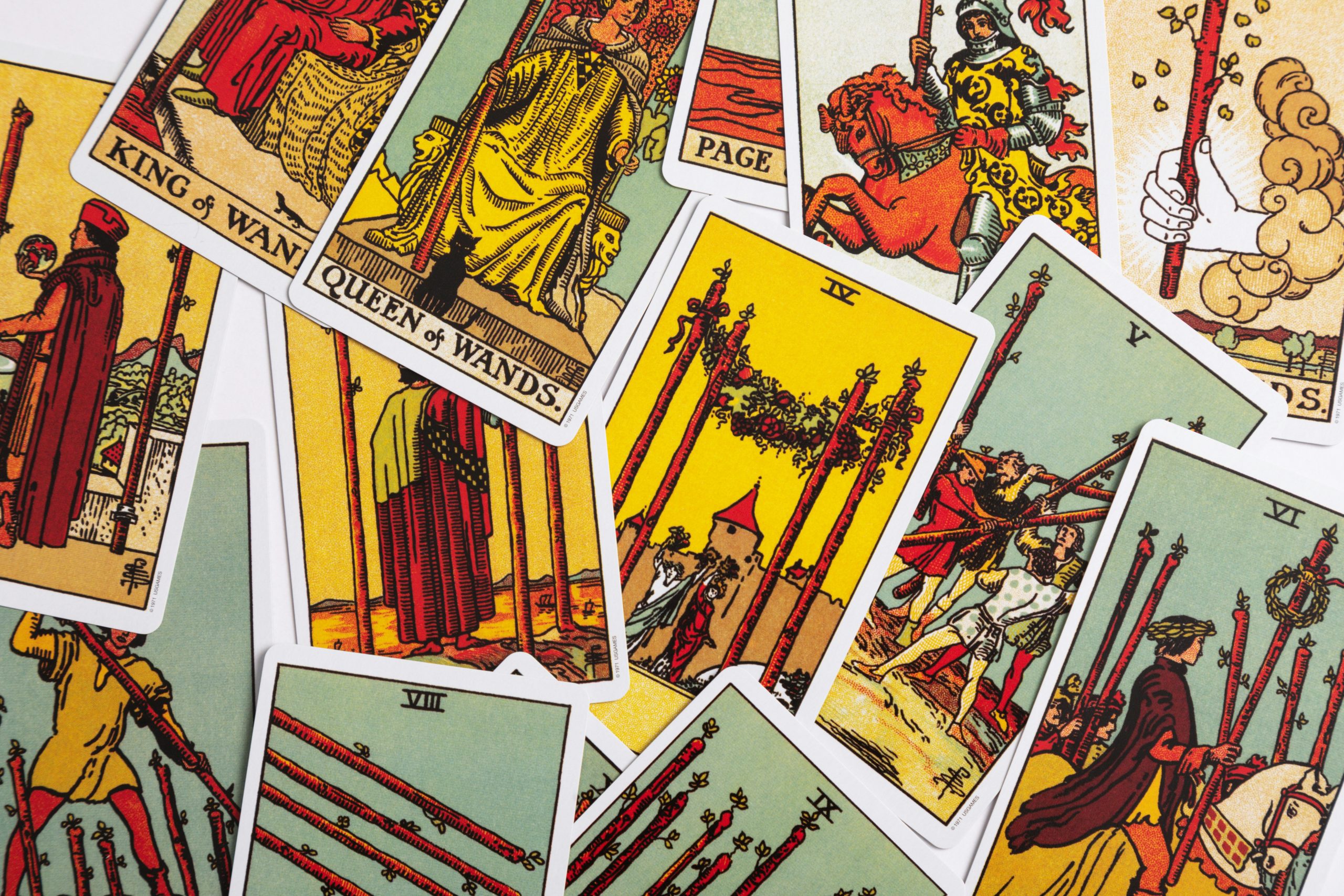
Tarot cards are one of the most popular and widely recognized divination methods. Consisting of a deck of 78 cards, tarot readings involve drawing cards and interpreting their symbols and meanings to gain insight into various aspects of life, including relationships, career, and personal growth.
Astrology
Astrology is a divination system that utilizes the positions and movements of celestial bodies to generate insights and predictions. By analyzing an individual’s birth chart, astrologers can provide guidance on personal traits, life events, and potential future circumstances.
Runes
Runes are ancient symbols that originated in the Norse and Germanic cultures. Used for divination purposes, runestones or runic cards are drawn or cast, and their symbols are interpreted to provide guidance and insight into various aspects of life.
Palmistry
Palmistry, also known as chiromancy, is a divination method that involves examining the lines, shapes, and textures of a person’s hand to gain insight into their personality traits, life events, and potential future outcomes.
Tea Leaf Reading
Tea leaf reading, or tasseography, is a divination technique where the patterns formed by tea leaves at the bottom of a cup are interpreted to provide guidance and insight into a person’s life or future prospects.
Numerology
Numerology is the practice of attributing symbolic meanings to numbers and using them to gain insights into various aspects of life. By analyzing an individual’s birth date or name, numerologists can provide guidance on personality traits, life events, and potential outcomes.
I Ching
The I Ching, also known as the Book of Changes, is an ancient Chinese divination system that utilizes a set of 64 hexagrams. By casting coins or using yarrow sticks, individuals can consult the I Ching to gain guidance and insight into various aspects of life and decision-making.
Methods and Techniques
Intuitive Readings
Intuitive readings involve tapping into one’s own intuitive abilities and connecting with higher guidance or spiritual energies to gain insights and guidance. Practitioners may use various divinatory tools or simply rely on their intuition to provide guidance during the reading.
Casting and Spreading
Casting and spreading techniques involve the physical manipulation of divination tools, such as tarot cards or runes, to generate random patterns or layouts that are then interpreted to provide guidance or insights. Each method has its own specific techniques and interpretations.
Channeling and Mediumship
Channeling and mediumship involve connecting with spirits or otherworldly entities to receive guidance or messages. Practitioners may enter a trance-like state or act as a conduit for the communication between the unseen realm and the seeker.
Divinatory Rituals
Divinatory rituals often accompany the practice of divination, helping to create a sacred and focused space for the divination process. Rituals can involve the use of specific tools, incense, prayers, or other ceremonial elements, depending on the tradition or personal preference of the practitioner.
Scrying
Scrying is a technique that involves gazing into a reflective surface, such as a crystal ball, mirror, or bowl of water, to induce a trance-like state and receive messages or visions. The scryer interprets the symbols or images seen during the scrying session to provide guidance or insights.

Psychological and Spiritual Perspectives
Carl Jung’s Analytical Psychology
Carl Jung, a renowned psychologist, believed that divination was a means of tapping into the collective unconscious and accessing archetypal symbolism. He saw divination as a tool for self-discovery and personal growth, connecting individuals with the deeper aspects of their own psyche.
Transpersonal Psychology
Transpersonal psychology explores the intersection between psychology and spirituality, recognizing the potential for individuals to transcend their personal identity and connect with spiritual or higher states of consciousness. Divination can be seen as a practice that facilitates this transcendent experience, allowing individuals to tap into spiritual dimensions and receive guidance from the unseen realm.
The Collective Unconscious
The collective unconscious, as proposed by Carl Jung, refers to the shared pool of archetypal symbols, experiences, and energies that underlie human consciousness. Divination is often seen as a method of tapping into this collective unconscious, allowing individuals to access information and insights that go beyond their individual experiences.
Spiritual Dimensions and Significance
Divination is deeply intertwined with spirituality and the belief in higher powers or forces beyond the physical world. Many individuals view divination as a means of connecting with their own spirituality and accessing guidance from benevolent entities, deities, or guardian spirits. Divination can provide a sense of meaning, purpose, and connection to something greater than oneself.
Cultural Variations
Divination Practices around the World
Divination practices vary widely across cultures and societies around the world. From Native American tribes using smoke or fire as divinatory tools to African divination methods that involve reading objects such as shells or bones, every culture brings its own unique perspectives, rituals, and tools to the divination process.
Traditional Indigenous Divination
Indigenous cultures often have their own distinct forms of divination. These practices are deeply rooted in their cultural beliefs, traditions, and spiritual systems. Traditional indigenous divination methods are often passed down through generations and play an integral role in community rituals, ceremonies, and decision-making processes.
Asian Divination Systems
Asian cultures have a rich history of divination practices, each with its own unique system and approach. Chinese divination methods, such as the I Ching and Chinese astrology, have been widely practiced for centuries and are deeply intertwined with Chinese philosophy, medicine, and spirituality. Similarly, Indian astrology and numerology have a long-standing presence in the Indian subcontinent.
Western Esoteric Traditions
Western esoteric traditions, such as Hermeticism, Kabbalah, and alchemy, have also developed their own divination systems and practices. These traditions often draw upon ancient philosophical, mystical, and occult knowledge to explore mystical and spiritual dimensions of existence.
The Role of Intuition
Developing Intuition
Intuition is an innate ability that we all possess, but it can be further developed through practice and self-awareness. Engaging in activities like meditation, journaling, or simply paying attention to one’s inner voice can help individuals strengthen their intuition and become more attuned to their own inner wisdom.
Intuitive Decision-Making
Intuition plays a crucial role in decision-making and can be a valuable tool in conjunction with divination. When faced with important choices or dilemmas, individuals can consult their intuition alongside divinatory guidance to make informed and aligned decisions that are rooted in their own inner knowing.
Intuition in Divination
Intuition is an integral part of the divination process. Both practitioners and seekers rely on their intuition to interpret symbols, messages, and energies. Intuition acts as a bridge between the conscious and unconscious realms, helping individuals access deeper levels of understanding and meaning.
Enhancing Intuitive Abilities
There are various practices that can help enhance intuitive abilities. Meditation, mindfulness, and energy work can help individuals become more attuned to their own intuition. Additionally, engaging in divination regularly can also serve as a means of strengthening and refining intuitive skills.
Interpreting Symbols and Signs
Symbolism across Divination Systems
Symbols are a universal language that transcends cultural and linguistic barriers. Many divination systems utilize symbols to convey meaning and guidance. While the interpretations of symbols can vary across different divination systems, there are often underlying archetypal meanings that are recognized across cultures and traditions.
Archetypal Symbols and Meanings
Archetypes are universal patterns, themes, or symbols that recur across different cultures and belief systems. These archetypal symbols have inherent meanings and resonances that are deeply ingrained in the collective human psyche. Understanding archetypal symbolism can provide a deeper layer of insight and resonance in divinatory interpretations.
Cultural Significance of Symbols
Symbols can also carry cultural significance and meaning within a specific context or community. For example, a certain animal or plant may hold sacred or symbolic meaning within a particular culture’s mythology or spiritual tradition. Understanding the cultural significance of symbols can add depth and nuance to the interpretation of divinatory outcomes.
In conclusion, the divination process is a fascinating and multifaceted practice that has been embraced by cultures all around the world. From its historical roots to the various tools and techniques used, divination offers individuals the opportunity to gain insight, guidance, and connection to something greater than themselves. By understanding the intentions behind seeking divination, exploring the outcomes received, and considering the ethical implications, individuals can engage in divination with a greater sense of empowerment, self-awareness, and spiritual growth. Whether through tarot cards, astrology, palmistry, or any other divinatory method, the divination process invites us to delve into the depths of our own psyche, tap into our intuition, and embrace the mysteries of the unseen realm.
