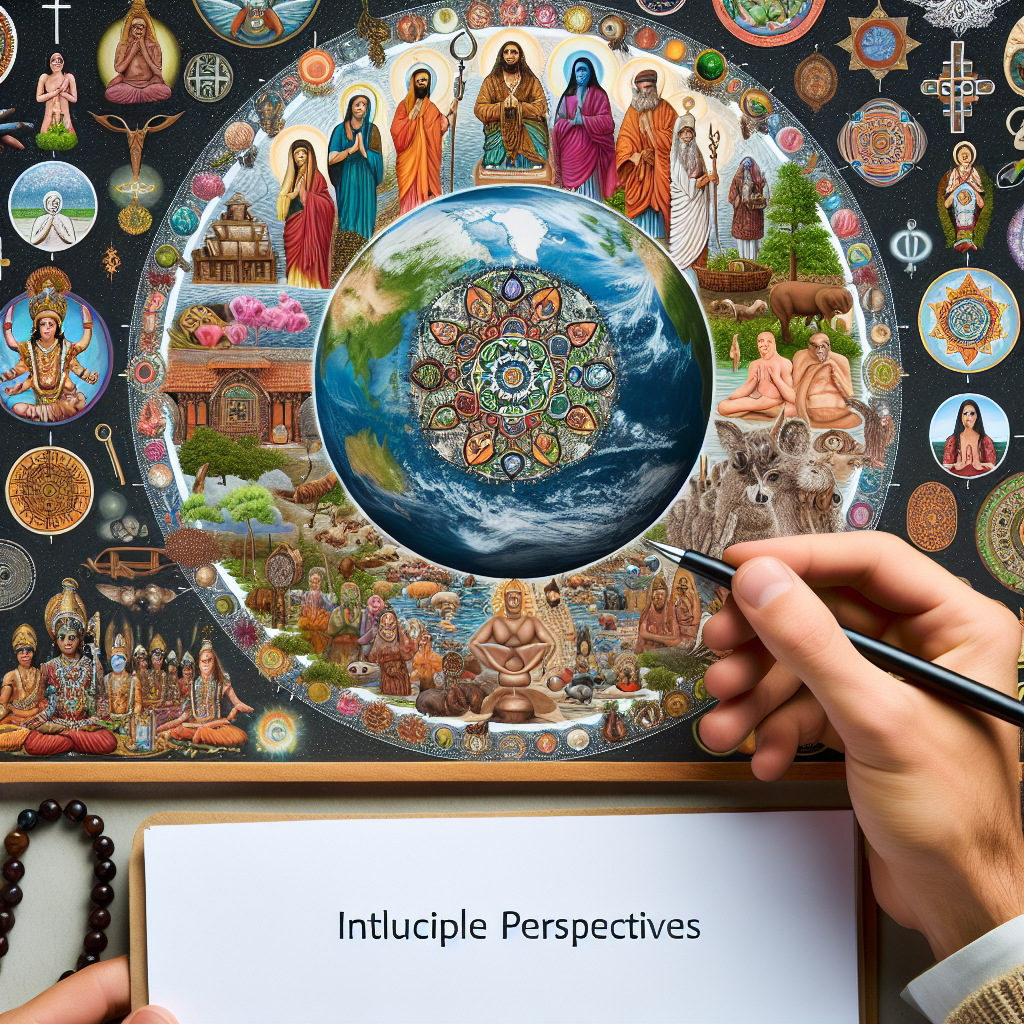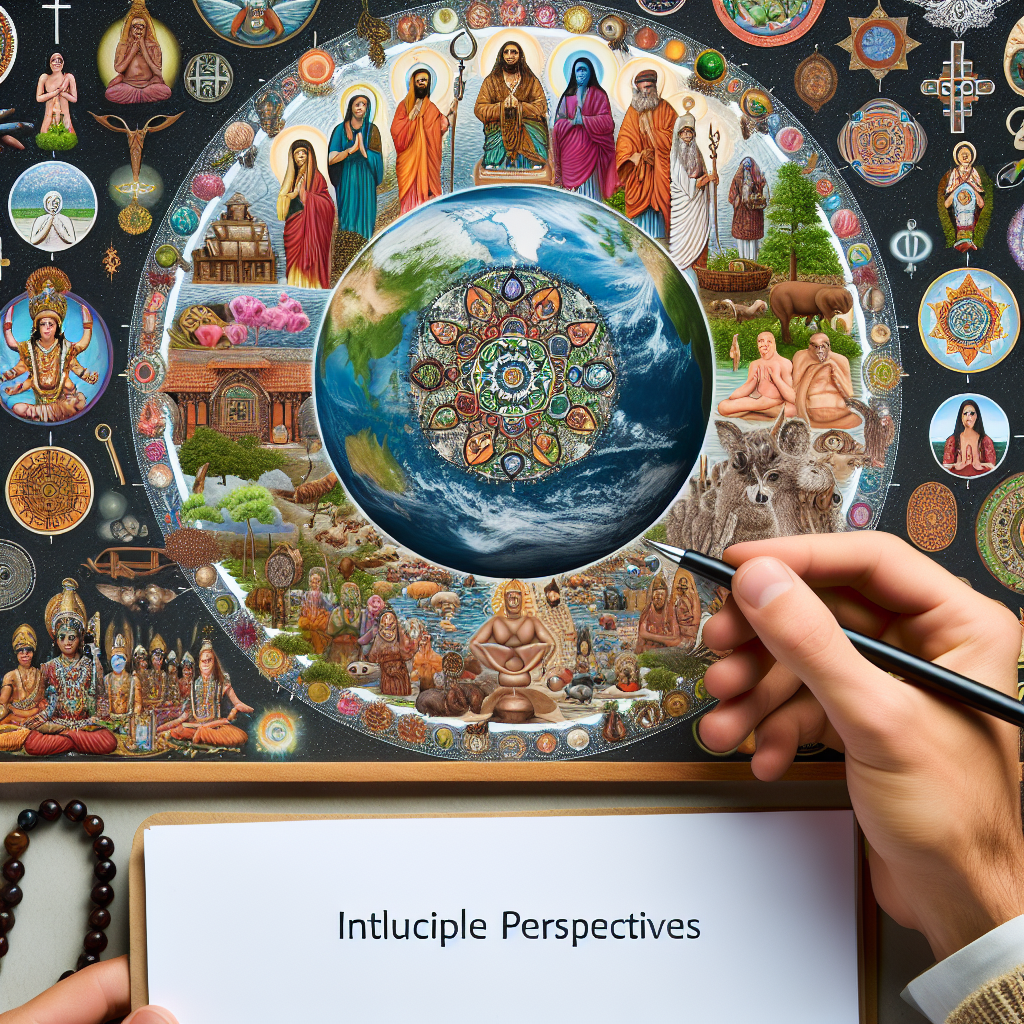
In this article, we explore the fascinating connection between spirituality and the environment. Have you ever wondered how our beliefs and values shape our attitudes towards nature? Discover the various perspectives of spirituality when it comes to preserving and nurturing our planet. From recognizing the sacredness of all living beings to finding peace and harmony with the natural world, these environmental perspectives of spirituality may just inspire you to forge a deeper connection with Mother Earth.
Interconnectedness of Nature and Spirituality
Concept of interconnectedness
The concept of interconnectedness lies at the heart of both nature and spirituality. It acknowledges that everything in the universe is connected and interdependent. This implies that our actions and choices have far-reaching consequences that go beyond our immediate surroundings. By recognizing this interconnectedness, we understand that the well-being of the natural world is intricately linked to our own spiritual growth and fulfillment.
Nature as a source of spiritual inspiration
Nature has long been recognized as a powerful source of spiritual inspiration. The awe-inspiring beauty and intricate complexity of the natural world often evoke feelings of wonder, gratitude, and reverence. In the presence of towering mountains, vibrant forests, and cascading waterfalls, we can’t help but feel a deep connection to something greater than ourselves. Nature provides a sanctuary for quiet contemplation, enabling us to tap into our spiritual essence and ignite our innermost thoughts and emotions.
Role of spirituality in environmental activism
Spirituality plays a vital role in environmental activism by motivating individuals to take action and make conscious choices that benefit the planet. When we embrace spirituality, we develop a deep sense of responsibility and respect for the Earth. This reverence for nature fuels our desire to protect and preserve the environment, inspiring us to engage in environmental advocacy, sustainable living practices, and conservation efforts. Spirituality acts as a catalyst for positive change, driving us to be proactive in addressing the pressing ecological challenges we face.
Sacredness of the Earth
Beliefs about the Earth as sacred
The belief that the Earth is sacred is rooted in various spiritual traditions and indigenous cultures. Many spiritual perspectives perceive the Earth as a living, conscious entity deserving of our respect and reverence. This belief recognizes that the Earth sustains and nurtures all forms of life, and it is our duty to treat it with the utmost care. By honoring the Earth’s sacredness, we cultivate a deeper appreciation for its intrinsic value and discard the exploitative relationships of the past.
Concept of Mother Earth
The concept of Mother Earth is prevalent in numerous spiritual beliefs, emphasizing the Earth as a nurturing and life-giving force. Mother Earth symbolizes the interconnectedness of all living beings and the cycle of birth, growth, and death. This perspective encourages us to view the Earth as a compassionate, nurturing mother who deserves our love, care, and protection. Recognizing the Earth as our mother deepens our sense of responsibility and motivates us to act as responsible stewards of the planet.
Spiritual rituals to honor the Earth
Many spiritual traditions incorporate rituals to honor and express gratitude to the Earth. These rituals serve as a way to strengthen our connection to nature, to acknowledge the Earth’s sacredness, and to seek harmony and balance. Rituals might include offerings of gratitude, guided meditations, ceremonies, and communal practices. Engaging in these rituals allows us to cultivate a sense of reverence, foster a deeper understanding of our relationship with the Earth, and celebrate the interplay between nature and spirituality.

This image is property of images.pexels.com.
Ecological Consciousness and Mindfulness
Importance of ecological consciousness
Ecological consciousness is the awareness of the interconnectedness between all living beings and the environment. It involves recognizing the impact of our actions on the planet and making choices that promote sustainability and harmony. By developing ecological consciousness, we become mindful of our consumption patterns, waste generation, and the ecological footprint we leave behind. This awareness encourages us to adopt eco-friendly practices and advocate for policies that protect the environment.
Practicing mindfulness in nature
Mindfulness in nature involves being fully present and engaged with the natural environment. It means slowing down, observing the intricate details, and appreciating the beauty and complexity of the natural world. By practicing mindfulness in nature, we deepen our connection with the Earth and cultivate a sense of awe and gratitude. This practice also allows us to quiet the mind, reduce stress, and find solace in the healing power of the natural world.
Deepening connection through eco-spiritual practices
Eco-spiritual practices are spiritual activities that aim to deepen the connection between individuals and the Earth. These practices might involve meditation, prayer, conscious breathing, or engaging in rituals that honor nature. By incorporating eco-spiritual practices into our lives, we tap into the wisdom and teachings of the Earth and develop a stronger bond with the natural world. These practices offer opportunities for self-reflection, personal growth, and a profound sense of interconnectedness.
Intrinsic Value of Nature
Belief in the intrinsic value of all life
The belief in the intrinsic value of all life asserts that every living being has inherent worth and deserves respect and protection. This perspective recognizes that nature possesses its own inherent value, independent of its usefulness to human beings. By acknowledging the intrinsic value of nature, we embrace a holistic worldview that extends our moral consideration beyond human interests. This belief challenges us to view nature as deserving of care and protection simply because it exists.
Respecting and protecting biodiversity
Respecting and protecting biodiversity is essential for maintaining the intrinsic value of nature. Biodiversity refers to the variety of life on Earth and the interdependence of species within ecosystems. Valuing biodiversity means recognizing that each species, no matter how small or seemingly insignificant, plays a unique role in maintaining the balance and health of the Earth. By actively preserving biodiversity, we safeguard the web of life and honor the intrinsic value of every living being.
Spiritual teachings on non-violence towards nature
Many spiritual traditions offer teachings on non-violence towards nature, emphasizing the importance of living in harmony with the Earth. These teachings advocate for compassionate attitudes, responsible stewardship, and sustainable practices that minimize harm to the environment. By embodying non-violence towards nature, we choose to act in ways that respect and protect the Earth, fostering a deeper spiritual connection and nurturing a collective consciousness that values the intrinsic worth of all life forms.

This image is property of images.pexels.com.
Sustainability and Stewardship
Understanding the concept of sustainability
Understanding sustainability involves recognizing the need to meet our present needs without compromising the ability of future generations to meet their own needs. It requires a shift from a short-term and exploitative mindset to one that prioritizes long-term well-being and ecological preservation. When we embrace sustainability, we become conscious of the impacts our choices have on the Earth and strive to find solutions that promote balance, resilience, and the longevity of the natural world.
Responsibility as stewards of the Earth
As stewards of the Earth, we bear the responsibility of caring for and protecting the planet for future generations. This responsibility goes beyond individual actions and extends to collective efforts and systemic change. Recognizing our role as stewards necessitates making environmentally conscious decisions, engaging in sustainable practices, and advocating for policies and practices that prioritize the Earth’s well-being. By embracing our stewardship role, we foster a sense of accountability and contribute to the ongoing preservation of our environment.
Balancing human needs with ecological preservation
Balancing human needs with ecological preservation is a crucial aspect of sustainability. It requires finding ways to meet human necessities while minimizing the negative impact on the environment. This involves embracing innovative technologies, promoting sustainable consumption patterns, and prioritizing conservation efforts. By striking a harmonious balance between human needs and ecological preservation, we ensure that the Earth’s resources are equitably distributed, allowing both current and future generations to thrive in a healthy and resilient environment.
Environmental Justice and Spirituality
Addressing environmental injustices through spirituality
Spirituality plays a vital role in addressing environmental injustices by fostering a sense of empathy, compassion, and justice towards both humans and the natural world. By grounding environmental decision-making in spiritual principles, we recognize that every individual, regardless of their background or socioeconomic status, has the right to live in a clean and safe environment. Thus, spirituality prompts us to advocate for environmental justice and to fight against the disproportionate burden of pollution and climate change on marginalized communities.
Bringing mindfulness to environmental decision-making
Bringing mindfulness to environmental decision-making involves cultivating awareness and intentionality in our choices and actions. By being present and attuned to the interconnectedness of all life, we are able to make decisions that are ethical, sustainable, and environmentally just. Mindful decision-making requires us to consider the long-term consequences of our choices, evaluate their impact on the Earth and all living beings, and seek solutions that promote social justice and ecological well-being.
Promoting equality and inclusivity in environmental movements
Spirituality emphasizes the importance of equality, inclusivity, and embracing diverse perspectives. It teaches us to recognize and challenge the systemic inequalities that perpetuate environmental degradation. By promoting equality and inclusivity in environmental movements, we ensure that the voices and experiences of marginalized communities are heard and valued. This approach fosters collaboration, empowers underrepresented groups, and inspires collective action towards creating a more just and sustainable world.

This image is property of images.pexels.com.
Sustainable Practices and Rituals
Integration of sustainable practices into religious rituals
Religious rituals provide an opportunity to integrate sustainable practices into our daily lives. By reimagining traditional rituals through an environmentally conscious lens, we can make them more sustainable and reduce their ecological impact. This might include using eco-friendly materials, minimizing waste generation, and incorporating teachings of sustainability and respect for the Earth. By integrating sustainable practices into religious rituals, we forge a deeper connection between our spiritual beliefs and our responsibility as caretakers of the Earth.
Spiritual ceremonies for celebrating nature
Spiritual ceremonies for celebrating nature serve as a way to express gratitude, honor the Earth, and celebrate the cycle of life. These ceremonies might involve communal gatherings in natural settings, where participants come together to offer prayers, songs, or rituals that acknowledge the interconnectedness of all life. By engaging in these ceremonies, we deepen our connection to the natural world, foster a sense of community, and cultivate a shared commitment to protect and cherish the Earth.
Using spiritual practices to promote eco-friendly behaviors
Spiritual practices can inspire and motivate individuals to adopt eco-friendly behaviors in their daily lives. Whether it’s through meditation, prayer, or mindfulness exercises, spiritual practices can create a space for self-reflection and personal transformation. By incorporating eco-friendly behaviors into our spiritual practices, such as reducing waste, conserving energy, and supporting sustainable businesses, we align our actions with our spiritual beliefs and contribute to the collective effort of creating a more sustainable world.
Spiritual Relationship with Animals
Viewing animals as spiritual beings
Many spiritual traditions recognize the spiritual essence within animals and view them as sentient beings deserving of our respect and care. This perspective acknowledges that animals possess their own unique consciousness, emotions, and wisdom. By viewing animals as spiritual beings, we shift from a mentality of superiority and exploitation to one of reverence and compassion. This understanding deepens our spiritual connection with animals, encouraging us to protect their welfare and ensure their rights are upheld.
Animal symbolism in spiritual traditions
Animal symbolism is prevalent in various spiritual traditions, with animals often representing specific qualities or teachings. For example, the eagle may symbolize strength and divine guidance, while the turtle is associated with wisdom and patience. Animal symbols serve as powerful metaphors, illustrating spiritual lessons and offering guidance for personal growth. By exploring animal symbolism, we gain a deeper appreciation for the natural world and its profound influence on our spiritual journeys.
Responsibility for the welfare of animals
Spirituality calls upon us to uphold our moral responsibility for the welfare of animals. This responsibility extends beyond refraining from causing harm and compels us to actively advocate for their well-being. It involves adopting cruelty-free practices, supporting animal conservation efforts, and respecting the habitats and ecosystems that animals depend upon. By assuming responsibility for the welfare of animals, we demonstrate our commitment to living in harmony with all sentient beings and contribute to the preservation of biodiversity.

Healing and Restoration of the Earth
Traditional healing practices for the Earth
Traditional healing practices offer valuable insights and wisdom on how to restore and heal the Earth. Indigenous cultures have long recognized that the well-being of the Earth is interconnected with the well-being of all living beings. These practices involve rituals, ceremonies, and the use of herbal remedies to restore balance and harmony to damaged ecosystems. By embracing traditional healing practices, we acknowledge the Earth’s capacity for resilience and actively participate in its restoration and healing.
Environmental restoration as a spiritual act
Engaging in environmental restoration can be seen as a spiritual act, embodying the values of compassion, interconnectedness, and reverence for the Earth. Restoration projects involve revitalizing degraded ecosystems, planting native species, and protecting vulnerable habitats. By participating in these efforts, we contribute to the regeneration of the Earth and demonstrate our commitment to environmental stewardship. Engaging in restoration activities deepens our spiritual connection with the Earth and offers a tangible way to express our love and gratitude.
Concept of planetary healing
The concept of planetary healing recognizes that the Earth is in need of physical and spiritual healing on a global scale. It implies that the well-being of the Earth is deeply intertwined with our own well-being. Planetary healing calls upon individuals, communities, and nations to address the root causes of environmental degradation and work towards restoring balance and harmony. By embracing the concept of planetary healing, we acknowledge our shared responsibility for the Earth’s well-being and become active participants in the collective effort to heal and restore the planet.
Wisdom from Indigenous Spiritualities
Indigenous perspectives on the environment
Indigenous spiritualities offer profound insights into the relationship between humans and the environment. These perspectives emphasize the interconnectedness and interdependence of all living beings, promoting a holistic understanding of the world. Indigenous cultures often possess deep knowledge of local ecosystems and sustainable practices that have sustained their communities for generations. By respecting and learning from indigenous perspectives, we gain valuable wisdom on how to live in harmony with nature and forge a more sustainable future.
Learning from indigenous spiritual practices
Indigenous spiritual practices offer valuable lessons on how to nurture our spiritual connection with the Earth. These practices often involve observing and honoring natural cycles, engaging in rituals, and seeking guidance from ancestors and spirits. By learning from indigenous spiritual practices, we cultivate a deeper appreciation for the wisdom embedded in nature and gain insights into the interconnectedness of all life. This knowledge helps us transform our relationship with the Earth and inspires us to live in harmony with its rhythms and cycles.
Respecting indigenous knowledge and wisdom
Respecting indigenous knowledge and wisdom requires acknowledging the unique perspectives and experiences of indigenous cultures. It involves recognizing the intergenerational wisdom they possess and valuing their contributions to environmental stewardship. Respecting indigenous knowledge means involving and empowering indigenous communities in environmental decision-making processes, amplifying their voices, and ensuring their rights are protected. By honoring indigenous knowledge and wisdom, we foster a more inclusive and holistic approach to environmental sustainability.