
In the quest for inner peace and emotional freedom, forgiveness often emerges as a powerful concept across various spiritual traditions. Whether it be the letting go of resentment or the release of grudges, the spiritual perspectives on forgiveness offer invaluable insights on the transformative power of compassion and understanding. This article delves into the teachings of spirituality, exploring how forgiveness can bridge the gap between pain and healing, and ultimately lead us towards profound self-growth and healing.

This image is property of images.unsplash.com.
The Importance of Forgiveness in Spirituality
Forgiveness as a Path to Healing
Forgiveness holds significant importance in spirituality as it serves as a transformative path towards healing. When we experience hurt or betrayal, carrying those negative emotions can hinder our spiritual growth and overall well-being. However, forgiveness can be a powerful tool to release the pain, offering a pathway towards emotional, mental, and even physical healing.
Forgiveness as a Release of Resentment
Resentment is like a poison that gradually corrodes our being from within. Holding onto resentment not only negatively impacts our spiritual journey but also affects our relationships and mental health. By choosing to forgive, we liberate ourselves from the chains of this toxic emotion. Forgiveness allows us to let go of anger and bitterness, enabling us to experience inner peace and emotional freedom.
Forgiveness as an Act of Love
In spirituality, forgiveness is often seen as an act of profound love. By forgiving someone who has caused us pain, we demonstrate compassion and empathy towards them. This act of love not only brings healing to ourselves but also creates an opportunity for the offender to experience transformation and growth. Forgiveness opens the way for love and understanding to flourish, fostering harmony, and unity.
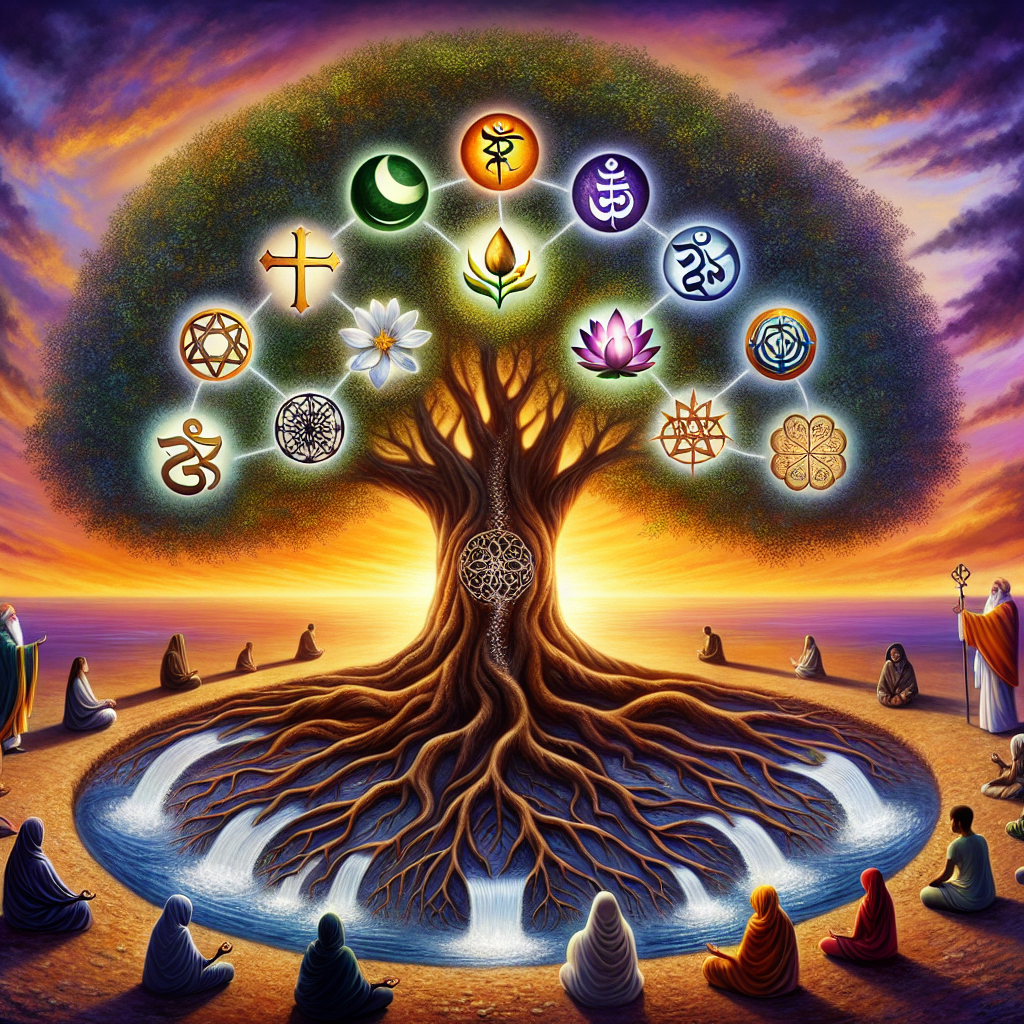
Different Spiritual Beliefs and Forgiveness
Christianity and Forgiveness
Christianity places immense emphasis on forgiveness, as it is considered a reflection of God’s grace and mercy. Jesus Christ’s teachings encourage believers to forgive others just as God forgives them. It is believed that through forgiving, Christians can experience a deeper connection with God, find redemption, and foster harmonious relationships within their community.
Buddhism and Forgiveness
In Buddhism, forgiveness is seen as a fundamental aspect of spiritual development. It is believed that harboring resentment and anger hinders enlightenment and inner peace. The Buddhist teachings emphasize the practice of forgiveness to liberate oneself from suffering and attain spiritual awakening. Compassion, loving-kindness, and non-attachment are essential qualities cultivated through forgiveness in the Buddhist tradition.
Islam and Forgiveness
Forgiveness holds significant value in Islam, as it aligns with the teachings of the Quran and the example set by the Prophet Muhammad. Muslims are encouraged to forgive others for the sake of Allah and to seek forgiveness for themselves. Islam teaches that forgiveness brings tranquility to the heart, strengthens relationships, and paves the way for spiritual growth and unity within the Muslim ummah (community).
Hinduism and Forgiveness
Hinduism emphasizes the importance of forgiveness as a means to attain spiritual enlightenment and divine grace. In Hindu philosophy, forgiveness is considered a righteous virtue that allows individuals to break free from the cycle of karma. By forgiving others, Hindus aim to cleanse their souls, cultivate compassion, and attain liberation from the material world.
Judaism and Forgiveness
Forgiveness plays a crucial role in the Jewish faith, characterized by the pursuit of justice, repentance, and reconciliation. Through the practice of forgiveness, Jews seek to repair relationships, release grudges, and bring about healing. Judaism teaches that forgiveness is a divine attribute, reflecting the essence of God’s benevolence, and encourages individuals to extend forgiveness to others as an act of righteousness.
The Process of Forgiveness
Acknowledging the Hurt and Pain
The process of forgiveness begins by acknowledging the depth of hurt and pain caused by the offender’s actions. It is essential to honestly confront the emotions and experiences related to the offense, allowing oneself to grieve and process the pain. By acknowledging the hurt, we lay the foundation for genuine healing and inner transformation.
Choosing to Forgive
Forgiveness is a conscious choice rather than a passive response. It involves making a deliberate decision to release the negative emotions and resentment towards the offender. This decision may not come easily, especially in cases of severe betrayal or trauma. However, by choosing to forgive, we empower ourselves to move forward on the path of healing and spiritual growth.
Letting Go of Anger and Resentment
Letting go of anger and resentment is a crucial step in the process of forgiveness. Holding onto these negative emotions only prolongs our suffering and prevents us from experiencing true peace. Through forgiveness, we release the grip of anger, replacing it with compassion and understanding. Letting go allows us to break free from the past, bringing light and healing into our lives.
Seeking Reconciliation
While forgiveness is often seen as separate from reconciliation, seeking reconciliation can be an integral part of the forgiveness process for some individuals. Reconciliation involves rebuilding trust, restoring relationships, and working towards a resolution with the offender. However, it is important to note that reconciliation is not always possible or advisable in all situations. Each individual’s journey of forgiveness is unique, and seeking reconciliation should be approached with wisdom and discernment.
The Role of Compassion and Empathy in Forgiveness
Developing Compassion for the Offender
Compassion is a key component of forgiveness, as it allows us to move beyond our own pain and see the humanity in the offender. By developing compassion, we can cultivate a deeper understanding of the circumstances, experiences, and struggles that may have influenced the offender’s actions. Compassion enables us to view the offender with empathy and extend forgiveness, fostering healing and growth for both parties involved.
Understanding the Pain and Suffering of Others
Forgiveness becomes more accessible when we recognize the pain and suffering experienced by others. By acknowledging that hurt people often hurt others, we develop a broader perspective that transcends personal grievances. Understanding that we are all interconnected and subject to human flaws and suffering allows us to approach forgiveness with empathy and understanding.
Empathy as a Bridge for Forgiveness
Empathy serves as a bridge that connects us to others, facilitating forgiveness and healing. By putting ourselves in the shoes of the offender, we can gain insight into their perspective, motivations, and struggles. This understanding empowers us to let go of judgment and embrace forgiveness from a place of empathy, nurturing compassion and fostering deep healing.

This image is property of images.unsplash.com.
Self-Forgiveness and Self-Compassion
Recognizing the Need for Self-Forgiveness
Self-forgiveness is an essential aspect of our spiritual journey, as we are all prone to making mistakes and falling short of our own expectations. Recognizing the need for self-forgiveness entails acknowledging our own imperfections, accepting responsibility for our actions, and letting go of self-blame and judgment. By forgiving ourselves, we create space for growth, self-love, and self-compassion.
Embracing Self-Compassion
Self-compassion complements self-forgiveness by offering us the kindness, understanding, and support we deserve. It involves treating ourselves with the same compassion and empathy we extend to others. Embracing self-compassion means acknowledging our pain, flaws, and limitations without harsh self-criticism. Through self-compassion, we nurture inner peace, healing, and transformation.
Letting Go of Guilt and Shame
Guilt and shame can be heavy burdens that hinder our spiritual growth and prevent us from forgiving ourselves. Letting go of guilt and shame involves understanding that we are not defined by our past actions and that we have the capacity to learn, grow, and change. By releasing these negative emotions, we allow ourselves to embrace forgiveness, self-compassion, and the healing journey towards self-transformation.
The Process of Healing and Self-Transformation
Forgiveness, self-forgiveness, and self-compassion are powerful catalysts for healing and self-transformation. By embracing these practices, we embark on a journey of self-discovery, growth, and spiritual awakening. Through forgiveness, we release the burdens of the past, foster emotional and mental well-being, and open ourselves to new possibilities of love, peace, and harmony.
The Connection Between Forgiveness and Spirituality
Forgiveness as a Spiritual Practice
Forgiveness is intimately connected to spirituality, as it aligns with the core principles and teachings of various spiritual traditions. Practicing forgiveness allows us to embody the virtues of compassion, empathy, and love, nurturing our spiritual growth and evolution. By forgiving, we cultivate a deeper connection with our higher selves, the divine, and the interconnectedness of all beings.
Forgiveness as a Way to Connect with a Higher Power
Forgiveness provides an avenue to connect with a higher power or the divine. By releasing anger, resentment, and negative emotions, we create a sacred space within our hearts where divine love and grace can reside. Through forgiveness, we invite the transformative power of the divine into our lives, fostering a deeper and more meaningful spiritual connection.
Deepening Spiritual Growth through Forgiveness
Forgiveness serves as a catalyst for spiritual growth, enabling us to transcend ego-driven desires and attachments. By letting go of grudges, we release ourselves from the shackles of the past, allowing space for personal and spiritual evolution. Forgiveness helps us embrace compassion, empathy, and unconditional love, ultimately leading to a more profound understanding of ourselves and our interconnectedness with all beings.

This image is property of images.unsplash.com.
The Challenges of Forgiveness
Overcoming Resistance to Forgiveness
Forgiveness can be challenging, particularly when we have been deeply hurt or betrayed. Overcoming resistance to forgiveness requires us to confront our pain, acknowledge our emotions, and consciously choose to let go. It may involve seeking support from trusted friends, family, or spiritual leaders who can provide guidance and encouragement along the forgiveness journey.
Dealing with Unresolved Anger and Hurt
Unresolved anger and hurt can hinder the forgiveness process, making it difficult to move forward on the path of healing. It is essential to address these emotions through healthy outlets such as therapy, counseling, or emotional release practices. By processing unresolved anger and hurt, we create the space necessary to cultivate forgiveness and experience true emotional liberation.
The Role of Time in the Forgiveness Process
Forgiveness is a deeply personal process, and the timeline for forgiving varies for each individual. Healing emotional wounds and cultivating forgiveness takes time and patience. Rushing the forgiveness process can impede its effectiveness, preventing full emotional integration and healing. It is important to honor the natural progression of one’s forgiveness journey, allowing oneself to heal at their own pace.
Forgiving Repeated Offenses
Forgiving repeated offenses can be particularly challenging, as it may require a continuous commitment to forgiveness and setting healthy boundaries. In such situations, forgiveness may involve a process of understanding patterns, practicing self-care, and decision-making centered around personal well-being. It is essential to prioritize self-respect and mental-emotional health while navigating forgiveness in cases of repeated offenses.
The Benefits of Forgiveness
Emotional Healing and Freedom
Forgiveness offers profound emotional healing and liberation. By releasing resentment, anger, and negative emotions, we create space for joy, peace, and emotional well-being. Forgiveness allows us to break free from the grip of past pain, empowering us to embrace the present with a renewed sense of hope, gratitude, and happiness.
Improved Relationships and Communication
Forgiveness paves the way for improved relationships and communication. By letting go of grudges and resentment, we foster empathy, understanding, and open-heartedness towards others. This shift in perspective allows for deeper connections, healthier interactions, and the possibility of reconciliation and healing in relationships.
Physical and Mental Health Benefits
Numerous studies have highlighted the physical and mental health benefits of forgiveness. By letting go of negative emotions, forgiveness reduces stress, anxiety, and depression, leading to improved overall well-being. The act of forgiveness has been associated with lowered blood pressure, improved immune function, and increased resilience in the face of adversity.
Spiritual Renewal and Inner Peace
Forgiveness brings about spiritual renewal and inner peace. Through the practice of forgiveness, we align ourselves with the spiritual principles of love, compassion, and unity. Embracing forgiveness invites a sense of divine grace and connection, allowing us to experience inner harmony, spiritual growth, and a profound sense of purpose and meaning.
Forgiveness in Practice
Cultivating Forgiveness Through Prayer and Meditation
Prayer and meditation serve as powerful tools for cultivating forgiveness. Through prayer, we can seek guidance, strength, and grace to embark on the forgiveness journey. Meditation allows us to observe and release negative emotions, fostering a sense of calmness, clarity, and loving-kindness towards ourselves and others. Regular practice of prayer and meditation deepens our capacity for forgiveness.
Rituals and Ceremonies for Forgiveness
Rituals and ceremonies can provide a structured and symbolic framework for forgiveness. They serve as bridges between the physical and spiritual realms, allowing us to express our intentions and commitment to forgiveness in a tangible and sacred way. Rituals and ceremonies can involve acts of purification, prayer, meditation, or the involvement of spiritual leaders or practitioners to guide the process.
Seeking Guidance from Spiritual Leaders
For those facing challenges in their forgiveness journey, seeking guidance from spiritual leaders can provide valuable support and insights. Spiritual leaders, mentors, or counselors experienced in matters of forgiveness can offer wisdom, perspective, and encouragement throughout the process. They can help navigate complex emotions, provide tools for forgiveness, and facilitate spiritual growth and healing.
Forgiveness and the Journey of Awakening
Forgiveness as a Catalyst for Personal Growth
Forgiveness serves as a catalyst for personal growth and self-realization. It challenges us to confront our own limitations, biases, and judgments. Through forgiveness, we transcend ego-driven desires, cultivate humility, and expand our consciousness. The journey of forgiveness becomes an integral part of our awakening, contributing to our evolution as conscious beings.
Discovering the Interconnectedness of All Beings
Forgiveness unveils the profound interconnectedness of all beings. By recognizing the shared human experience of pain, suffering, and the capacity for transformation, we develop a deeper appreciation for the interconnected web of existence. Forgiveness empowers us to overcome divisions, embrace unity, and recognize the inherent worth and dignity of every being.
Transcending Ego through Forgiveness
Forgiveness offers an opportunity to transcend the limitations of ego and expand our sense of self. As we release the grip of resentment, anger, and self-centeredness, we open ourselves to the wisdom, love, and compassion that lie beyond the ego’s grasp. Forgiveness allows us to align with our higher selves, enabling profound spiritual growth, and a deep sense of interconnectedness with the world.