Imagine a world where joy is not just a fleeting emotion, but a profound spiritual experience that connects us to something greater than ourselves. In this article, we will explore the various spiritual perspectives on joy and how they can enhance our understanding of happiness. From ancient wisdom traditions to modern spiritual practices, we will delve into the teachings and insights that can help us cultivate a deeper sense of joy in our lives. So, get ready to embark on a journey of enlightenment and discover the transformative power of joy from a spiritual standpoint.
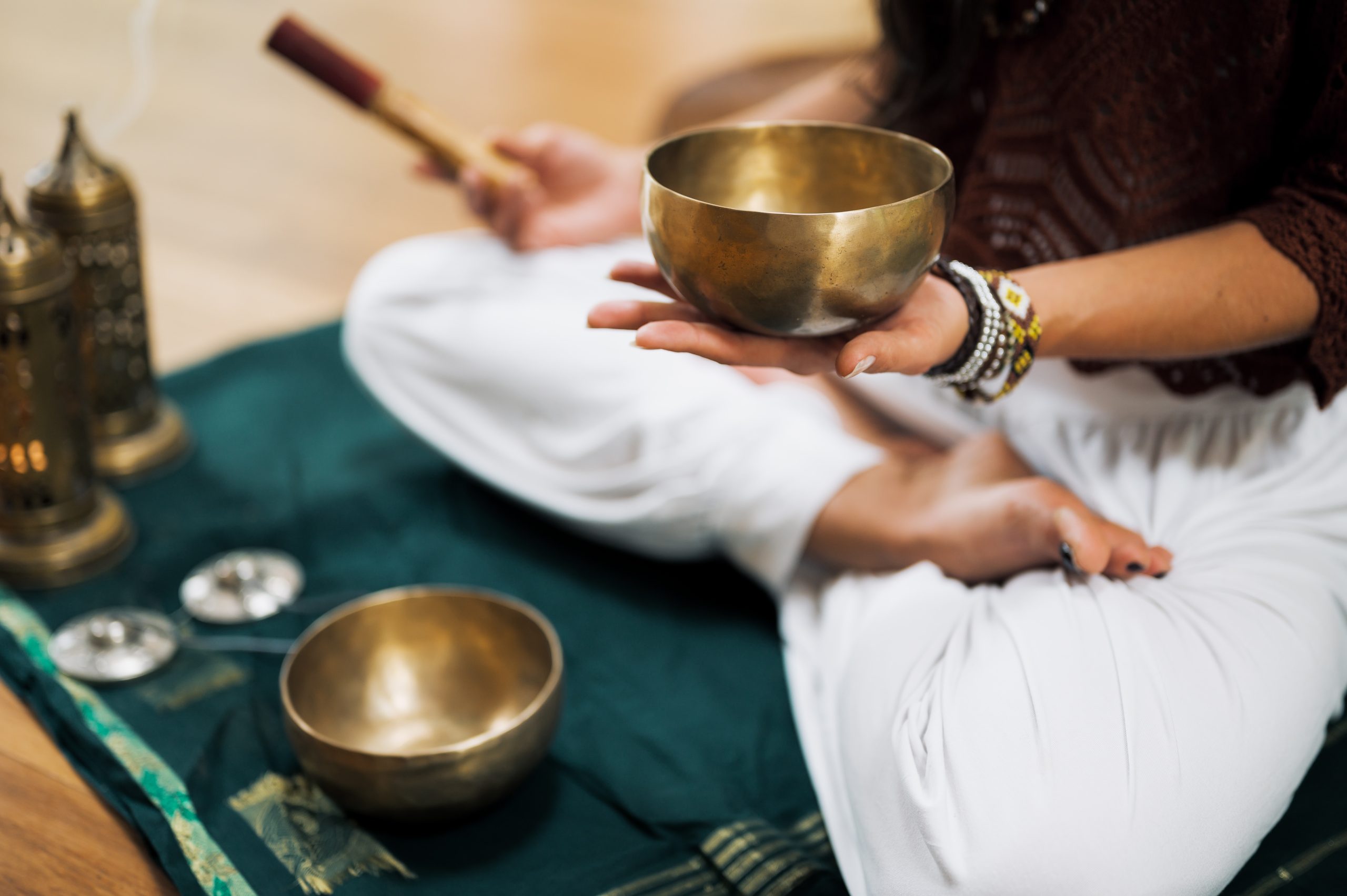
This image is property of images.unsplash.com.
Understanding Joy
Defining joy
Joy is a powerful emotion that brings a sense of happiness, contentment, and inner peace. It is often described as a deep feeling of well-being and fulfillment. Joy goes beyond temporary happiness and is a state of mind that is not dependent on external circumstances. It is a profound inner experience that can be cultivated and experienced in all aspects of life.
The importance of joy in spiritual perspectives
In spiritual perspectives, joy plays a crucial role in the overall well-being and growth of an individual. It is seen as an essential component for living a meaningful and purposeful life. Joy is not only a result of spiritual practices but also a catalyst for spiritual growth. It uplifts the spirit, connects us with our higher self, and brings us closer to the divine. By cultivating joy, we deepen our spiritual journey and enhance our connection with the world around us.
Eastern Spiritual Perspectives
The concept of joy in Hinduism
In Hinduism, joy is considered a divine trait and a state of union with the divine. It is seen as a natural expression of the soul’s connection to the divine consciousness. Joy in Hinduism is not limited to moments of pleasure but is viewed as a continuous state of bliss that can be achieved through various spiritual practices, such as meditation, devotion, and selfless service. The ultimate aim is to attain liberation, where joy becomes an inherent quality of one’s being.
Joy in Buddhism
In Buddhism, joy is one of the Four Immeasurables, along with loving-kindness, compassion, and equanimity. It is cultivated through the practice of mindfulness and the development of positive mental states. Joy in Buddhism arises from letting go of attachment and desires, accepting the impermanence of life, and finding contentment in the present moment. It is seen as a path towards liberation from suffering and awakening to one’s true nature.
Joy in Taoism
Taoism emphasizes the concept of Wu Wei, which means effortless action or going with the flow of life. In Taoist philosophy, joy is found in aligning oneself with the natural order of the universe. It is the result of living in harmony with nature, embracing simplicity, and finding joy in simple pleasures. Taoists believe that by being in tune with the Tao, the universal life force, one can experience a deep sense of joy and fulfillment.
Western Spiritual Perspectives
Joy in Christianity
Christianity views joy as a spiritual gift and a fruit of the Holy Spirit. It is deeply rooted in faith and trust in God’s love and can be experienced in times of both happiness and sorrow. Joy in Christianity is not dependent on external circumstances but is a result of the presence of God’s grace. It is seen as a source of strength, a sign of spiritual maturity, and a way to witness God’s love to others.
Joy in Islam
In Islam, joy is closely related to the concept of inner peace and contentment. It is seen as a state of gratitude and surrender to the will of Allah. Joy in Islam is not limited to material possessions or worldly achievements but is a reflection of one’s connection to the divine. It is achieved through acts of worship, remembrance of God, and fulfilling one’s duties with sincerity and devotion.
Joy in Judaism
In Judaism, joy is considered a mitzvah, a commandment from God. It is seen as a way to express gratitude and celebrate the gift of life. Joy in Judaism encompasses both personal happiness and communal celebrations. It is experienced through rituals, festivals, and acts of kindness. Joy is viewed as a spiritual responsibility and a way to connect with the divine presence in everyday life.
Joy in Other Spiritual Traditions
Joy in Native American spirituality
Native American spirituality views joy as an integral part of living in connection with nature and the earth. Joy is found in the balance and harmony of all living beings, and in honoring the sacredness of life. Native Americans believe that joy can be cultivated through rituals, ceremonies, and practices that honor their ancestors and the natural world. It is seen as a way of life that embraces gratitude, respect, and spiritual interconnectedness.
Joy in African spiritual practices
African spiritual practices celebrate joy as a vital force that connects individuals with their ancestral roots and spiritual traditions. Joy is experienced through music, dance, and communal celebrations. It is seen as a way to connect with the divine and honor the spirits of the ancestors. African spiritual practices view joy as a source of healing, empowerment, and spiritual renewal.

This image is property of images.unsplash.com.
Practices for Cultivating Joy
Meditation and mindfulness
Meditation and mindfulness practices are powerful tools for cultivating joy. By quieting the mind and focusing on the present moment, we can become more aware of the joy that exists within us and around us. Through regular meditation and mindfulness practices, we can train our minds to let go of negative thoughts and emotions and cultivate a positive and joyful mindset.
Gratitude practices
Gratitude is a key practice for cultivating joy. By focusing on the things we are grateful for, we shift our attention from what is lacking to what is abundant in our lives. Practicing gratitude regularly helps us develop a positive outlook and a deeper appreciation for the simple joys in life. Keeping a gratitude journal, expressing gratitude towards others, or simply taking a moment to reflect on the blessings in our lives can greatly enhance our sense of joy.
Acts of service and kindness
Engaging in acts of service and kindness towards others can bring immense joy and fulfillment. By extending a helping hand to those in need, we not only make a positive impact on their lives but also experience a profound sense of joy and purpose. Acts of service and kindness remind us of our interconnectedness and the power of compassion to create joy, both for ourselves and for others.
Obstacles to Joy and Overcoming Them
Attachment and desires
Attachments and desires can often hinder our ability to experience joy. When we cling to specific outcomes or attach our happiness to external circumstances, we create unnecessary suffering. Letting go of attachments and desires, and embracing a mindset of detachment, allows us to find joy in the present moment and accept life’s ever-changing nature.
Negativity and negative thinking
Negative thoughts, self-doubt, and pessimism can cloud our ability to experience joy. By cultivating awareness and challenging negative thinking patterns, we can create space for joy to enter our lives. Choosing to focus on the positive aspects of situations and replacing negative thoughts with positive affirmations can shift our mindset and open the door to greater joy.
Self-judgment and criticism
Self-judgment and self-criticism can rob us of joy and prevent us from fully embracing our authentic selves. Practicing self-compassion and accepting ourselves as we are allows us to cultivate a deep sense of joy and self-acceptance. Letting go of self-judgment and embracing self-love leads to greater happiness and fulfillment.

This image is property of images.unsplash.com.
Finding Joy in Everyday Life
Finding joy in simple pleasures
Finding joy in everyday life begins with appreciating the simple pleasures that surround us. Whether it is savoring a cup of tea, watching a beautiful sunset, or laughing with loved ones, these small moments of joy can greatly enhance our overall sense of well-being. By slowing down, being fully present, and cultivating mindfulness, we can find joy in the ordinary moments of life.
Finding joy in relationships
Meaningful connections and relationships bring immense joy into our lives. Nurturing deep and genuine relationships allows us to experience love, companionship, and a sense of belonging. By investing time and effort in building and maintaining healthy relationships, we create opportunities for joy to flourish and enrich our lives.
Finding joy in nature and the present moment
Nature has a profound ability to evoke joy and a sense of awe within us. Taking the time to connect with the natural world, whether through a walk in the park, gardening, or simply observing the beauty of a flower, can bring immense joy and a sense of interconnectedness. Being fully present in the moment, immersing ourselves in the sights, sounds, and sensations of the present, allows us to tap into the joy that exists in every moment.
The Role of Joy in Spiritual Growth
Joy as a sign of spiritual progress
In spiritual growth, joy is often seen as a sign of progress along the journey. As we deepen our connection with the divine, our capacity for joy expands, and we experience a greater sense of inner peace and contentment. Joy becomes a barometer of our spiritual growth, indicating that we are aligning with our true essence and living in harmony with our higher purpose.
Using joy as a guide for fulfilling one’s purpose
Joy can serve as a guide for discovering and fulfilling our life’s purpose. When we engage in activities that bring us joy, we are aligned with our authentic selves and are more likely to make meaningful contributions to the world. By following our passions and pursuing what brings us joy, we tap into our unique gifts and talents, and in turn, inspire and uplift others.
Balancing Joy with Other Emotions
Embracing sadness and grief
While joy is an enriching and uplifting emotion, it is important to acknowledge and embrace the full range of human emotions, including sadness and grief. Allowing ourselves to fully experience these emotions without judgment or resistance allows us to move through them and ultimately find a deeper sense of joy and resilience.
Cultivating equanimity
Equanimity is the ability to remain calm and balanced amidst life’s ups and downs. Cultivating equanimity allows us to experience joy without becoming attached to it or dependent on external circumstances. By developing a sense of inner stability and resilience, we can navigate the inevitable challenges of life with grace and still find joy in the midst of adversity.
Understanding joy alongside compassion
True joy is not separate from compassion. In cultivating joy, it is important to also cultivate compassion towards ourselves and others. By opening our hearts to the suffering of others and extending acts of kindness, we deepen our capacity for joy and create a ripple effect of love and compassion in the world.
The Connection Between Joy and Higher Consciousness
Joy as an expression of connection to the Divine
Joy is often seen as a spiritual experience that arises from a deep connection to the divine. When we align ourselves with the higher consciousness, we tap into a limitless source of joy and love. Joy becomes a natural expression of our divine nature, a reflection of the divine presence within us.
Understanding joy as a state of higher consciousness
In higher states of consciousness, joy is not just an emotion but a state of being. It is a profound awareness of our interconnectedness with all of creation and a recognition of our true essence. In this state, joy becomes a constant companion, guiding us towards spiritual awakening and a deeper understanding of ourselves and the world.
In conclusion, joy holds significant importance in various spiritual perspectives. Whether it is found through meditation and mindfulness, acts of service and kindness, or by embracing the present moment, joy has the potential to elevate our spiritual journey and enhance our connection with the divine. By understanding the obstacles to joy and finding balance with other emotions, we can cultivate a deep and lasting sense of joy that permeates every aspect of our lives. As we align ourselves with joy and higher consciousness, we not only enrich our own lives but also contribute to the well-being and upliftment of all beings. So, embrace joy, cultivate it, and let it guide you towards a more fulfilling and meaningful life.