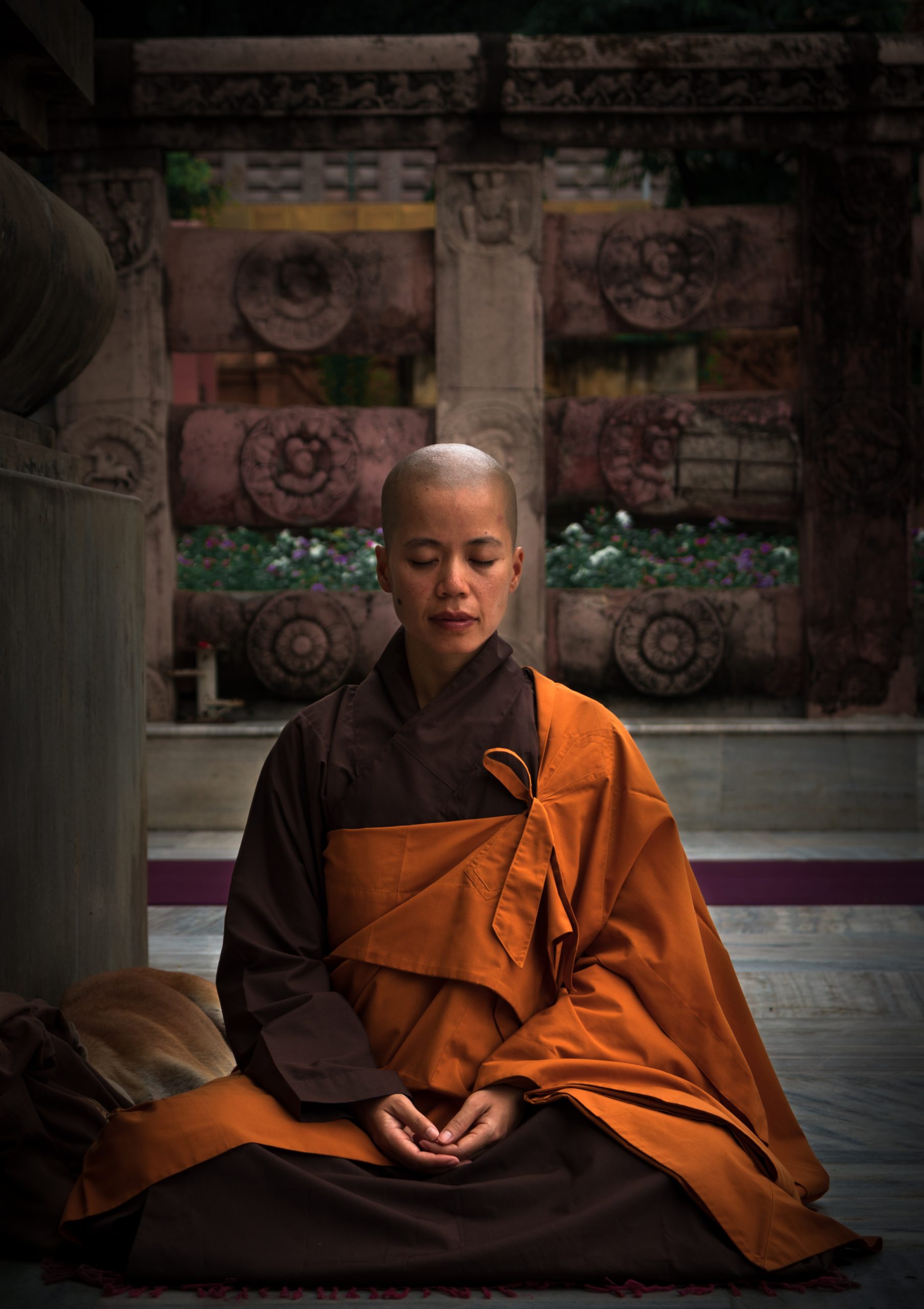
If you’ve ever wondered about the spiritual practices that can lead you to transcendence, you’re in the right place! In this article, we will explore the various pathways that can help you connect with a higher state of being. Whether it’s meditation, prayer, or engaging in acts of selflessness, we’ll take a friendly journey together to understand the transformative power of these spiritual practices. So, let’s get started on this enlightening exploration towards transcendence!
Meditation
Meditation is a powerful practice that allows you to connect with your inner self and find a sense of peace and stillness. There are various forms of meditation, each with its own unique benefits and techniques. Let’s explore some of the most popular types of meditation.
Mindfulness Meditation
Mindfulness meditation is often regarded as the foundation of meditation practices. It involves focusing your attention on the present moment, without judgment or attachment to any thoughts or emotions that may arise. By cultivating mindfulness, you learn to observe your thoughts and feelings without getting caught up in them, ultimately leading to a greater awareness and acceptance of yourself and your surroundings.
Transcendental Meditation
Transcendental meditation is a technique that allows you to transcend your regular thinking and experience a state of deep relaxation and consciousness. It involves the use of a mantra, a word or phrase that you repeat silently in your mind, to help you reach a state of pure awareness. This practice is known for its ability to reduce stress, enhance creativity, and promote overall well-being.
Loving-kindness Meditation
Loving-kindness meditation, also known as metta meditation, is a practice that cultivates a sense of love, compassion, and goodwill towards oneself and others. By directing positive thoughts and intentions towards yourself, loved ones, and even strangers, you develop a greater capacity for empathy, forgiveness, and connection. This meditation is particularly beneficial for enhancing relationships and developing a more compassionate outlook on life.
Yoga
Yoga is not just a physical exercise but also a spiritual practice that integrates movements, breathwork, and meditation to promote harmony between the body, mind, and spirit. Here are a few different types of yoga that can help you transcend the limitations of your daily life.
Hatha Yoga
Hatha yoga is the most commonly practiced form of yoga and focuses on physical postures (asanas) and breath control (pranayama). It is a gentle and accessible practice for beginners but can be challenging for advanced practitioners as well. Hatha yoga helps to improve flexibility, strength, and balance, while also promoting a sense of calmness and relaxation.
Kundalini Yoga
Kundalini yoga is often referred to as the “yoga of awareness” and aims to awaken the dormant spiritual energy (kundalini) within the body. This practice involves dynamic movements, breathing techniques, chanting, and meditation to activate the chakras and achieve a state of higher consciousness. Kundalini yoga is known for its transformative and energizing effects, helping individuals connect with their inner power and wisdom.
Bhakti Yoga
Bhakti yoga is the path of devotion and love, where individuals channel their emotions and desires towards a higher power or divine essence. Through prayer, chanting, singing, and acts of selfless service, practitioners cultivate a deep sense of surrender and devotion. Bhakti yoga allows individuals to experience the transcendental bliss that comes from a loving relationship with the divine.

This image is property of images.pexels.com.
Prayer
Prayer is a powerful spiritual practice that allows individuals to communicate with a higher power or the divine. It can be a personal and intimate practice that provides solace, guidance, and a sense of connection to something greater than oneself. Here are a few different types of prayer that can help you transcend beyond your own limited self-perception.
Contemplative Prayer
Contemplative prayer is a form of silent prayer that involves resting in the presence of the divine and opening oneself to receive spiritual insights or guidance. It is a practice of stillness and receptivity, allowing individuals to go beyond words and simply be in the presence of the divine. Contemplative prayer helps to quiet the mind, deepen one’s connection to the divine, and experience a heightened sense of peace and unity.
Intercessory Prayer
Intercessory prayer is a practice of praying on behalf of others, asking for blessings, healing, or guidance for their well-being. It involves directing your thoughts and intentions towards the needs and concerns of others, offering support and love through your prayers. Intercessory prayer allows individuals to cultivate empathy, compassion, and a sense of interconnectedness with the world around them.
Mantra Prayer
Mantra prayer involves the repetition of sacred words or phrases, known as mantras, to bring focus and concentration to the mind. By chanting mantras, individuals create a sacred vibration that aligns their energy with the divine and invokes a sense of transcendence. Mantra prayer can be a deeply personal and transformative practice, allowing individuals to connect with their innermost selves and the divine presence within.
Breathwork
Deepening our connection to the breath can be a powerful gateway to transcending the limitations of the mind and accessing higher states of consciousness. Here are a few different forms of breathwork that can help you tap into your inner wisdom and experience a profound sense of liberation.
Holotropic Breathwork
Holotropic breathwork is a practice that involves rhythmic and controlled breathing techniques to induce altered states of consciousness. By consciously breathing in a specific pattern, individuals can access deep levels of relaxation, healing, and self-discovery. Holotropic breathwork can lead to transformative experiences, helping individuals release emotional blockages, access their unconscious mind, and connect with their spiritual essence.
Rebirthing Breathwork
Rebirthing breathwork is a technique focused on conscious connected breathing, where individuals breathe in a continuous, circular motion without pausing between the inhalation and exhalation. This practice allows individuals to release deep-seated emotions, traumas, and limiting beliefs held within the body, leading to a sense of rebirth and renewal. Rebirthing breathwork supports individuals in their journey towards self-discovery, healing, and personal growth.
Pranayama
Pranayama is an ancient yogic practice that involves regulating and controlling the breath to balance the energy within the body. By exploring various breathing techniques, individuals can calm the mind, increase vitality, and enhance their spiritual awareness. Pranayama techniques such as alternate nostril breathing, deep belly breathing, and breath retention can help individuals transcend the limitations of the physical body and experience the interconnectedness of all life.
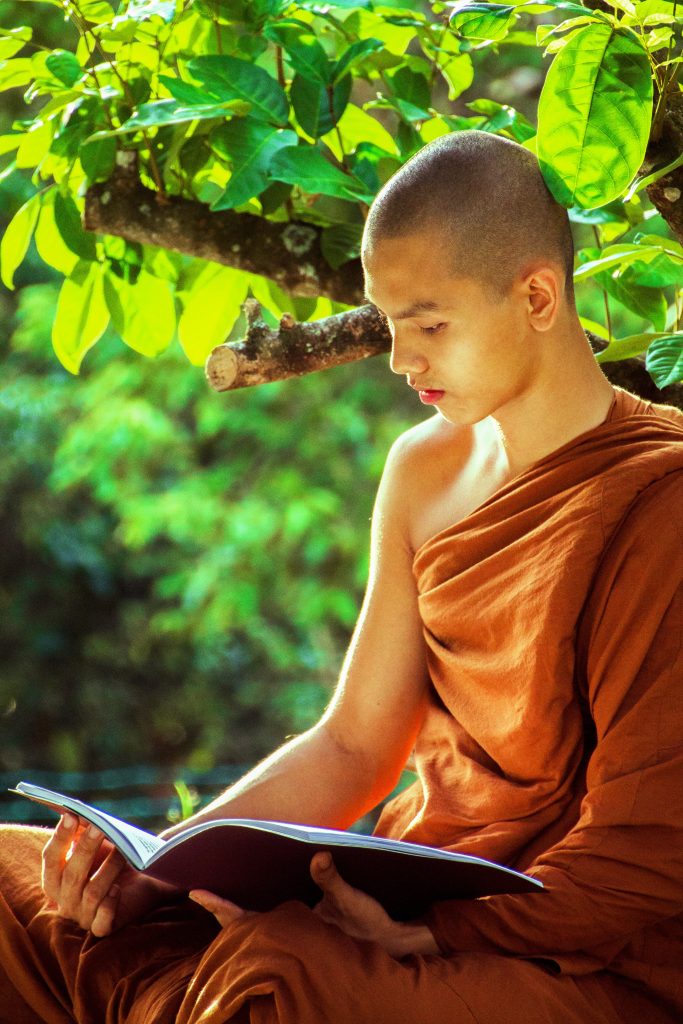
This image is property of images.pexels.com.
Sacred Rituals
Sacred rituals have been an integral part of spiritual practices across cultures and traditions for centuries. These rituals provide a sacred container for individuals to connect with the divine, commune with nature, and experience a profound sense of transcendence. Let’s explore a few different types of sacred rituals that can help you tap into the depths of your spiritual essence.
Sweat Lodge
The sweat lodge is a Native American ceremonial structure that provides a space for purification, prayer, and spiritual healing. Participants enter the sweat lodge, a small and enclosed space made of natural materials, and engage in a series of ceremonies involving intense heat, steam, and prayer. The sweat lodge ritual allows individuals to release physical and emotional toxins, connect with the spirit world, and experience a deep sense of renewal.
Vision Quest
A vision quest is a traditional rite of passage practiced by many indigenous cultures around the world. It involves a period of solitude and fasting in nature, usually for several days, where individuals seek guidance, clarity, and spiritual insights. During a vision quest, individuals connect deeply with the natural world, engage in introspection and self-reflection, and open themselves to receive wisdom from the divine. This transformative ritual offers individuals the opportunity to transcend their everyday reality and tap into their true potential.
Ayahuasca Ceremony
The Ayahuasca ceremony is a traditional Amazonian indigenous practice involving the consumption of a sacred psychedelic brew made from the Ayahuasca vine. This powerful plant medicine facilitates profound journeys of self-discovery, spiritual awakening, and healing. The Ayahuasca ceremony is conducted under the guidance of experienced shamans who create a safe and sacred space for participants to explore the depths of their consciousness and connect with the spirit world. This transformative ceremony allows individuals to transcend their ordinary states of perception and gain insights into their innermost selves and the nature of existence.
Chanting and Singing
Chanting and singing have been employed as spiritual practices across cultures for thousands of years. The power of sound and vibration can help individuals connect with their inner selves, channel divine energies, and experience a deep sense of transcendence. Let’s explore a few different types of chanting and singing practices that can elevate your spiritual journey.
Kirtan
Kirtan is a devotional singing practice that comes from the Indian tradition. It involves the repetitive chanting of sacred mantras, accompanied by music and rhythmic instruments such as the harmonium and drums. Kirtan sessions are often communal and participatory, creating a vibrant and uplifting atmosphere. Through Kirtan, individuals can experience a sense of unity, divine love, and deep spiritual connection.
Gospel Singing
Gospel singing is a form of Christian worship that utilizes powerful vocal harmonies, uplifting melodies, and heartfelt expressions of faith. This practice creates a sense of unity and joy within the congregation, inviting individuals to connect with the divine and experience transcendental states of worship. Gospel singing not only celebrates the grace and love of the divine but also uplifts and inspires individuals to live a more meaningful and purposeful life.
Gregorian Chants
Gregorian chants are sacred chants that originate from the medieval Christian tradition. These monophonic chants are characterized by their simple melodies, sung in Latin, and have a deeply meditative and mystical quality. Gregorian chants are often performed in monastic settings or during religious ceremonies, inviting individuals to transcend the physical world and enter into a state of spiritual contemplation and unity with the divine.
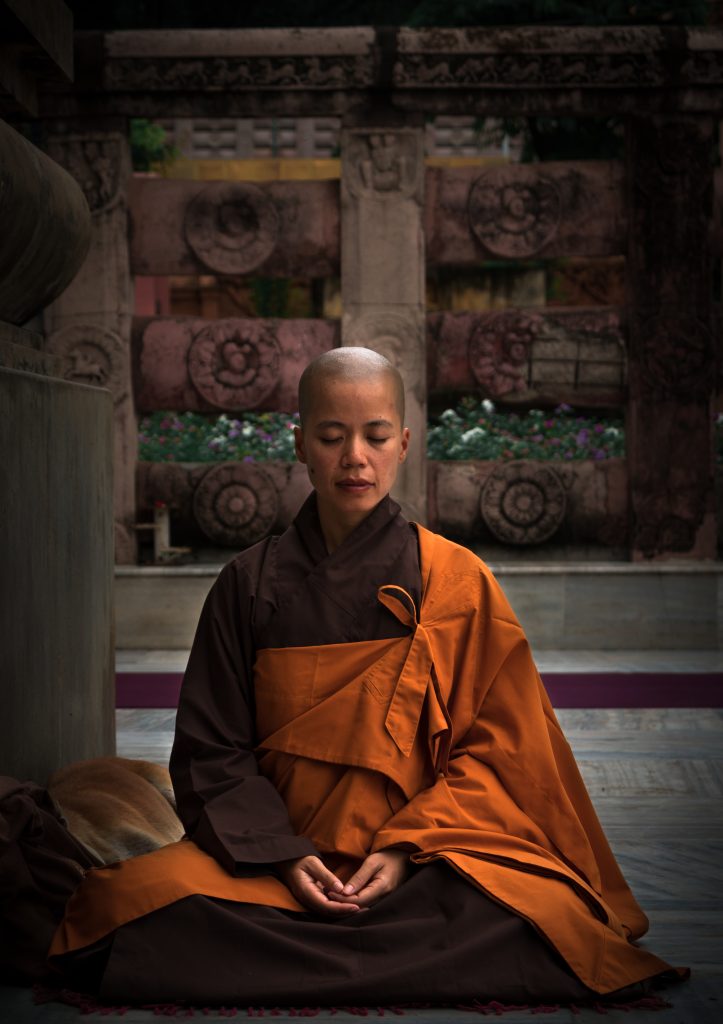
This image is property of images.pexels.com.
Nature Immersion
Immersing oneself in nature is a powerful way to transcend the confines of everyday life and connect with the beauty and wisdom of the natural world. Nature offers a sanctuary where individuals can find solace, inspiration, and a profound sense of interconnectedness. Let’s explore a few different practices that can help you immerse yourself in nature and experience a spiritual transcendence.
Forest Bathing
Forest bathing, also known as Shinrin-yoku, is a practice that originated in Japan and involves immersing oneself in the healing and rejuvenating atmosphere of the forest. By mindfully walking or sitting in nature, individuals can tap into the therapeutic qualities of the forest, such as the fresh air, bird songs, and the gentle rustling of leaves. Forest bathing promotes relaxation, reduces stress, and fosters a deep connection with the natural world, allowing individuals to experience a sense of oneness and belonging.
Shinrin-yoku
Shinrin-yoku, which translates to “forest bathing” in Japanese, is a practice that encourages individuals to mindfully engage with nature, particularly forests. This practice involves immersing oneself in the sights, sounds, and smells of the forest, allowing it to awaken the senses and promote deep relaxation and healing. Shinrin-yoku offers an opportunity to connect with the natural world, rejuvenate the mind and body, and tap into the wisdom and tranquility that nature provides.
Vision Fast
A vision fast, also known as a wilderness fast or a quest, is a nature-based practice that involves spending an extended period of time in solitude in a natural setting. During this time, individuals disconnect from the distractions of everyday life and immerse themselves in the vastness of the wilderness. By spending time alone in nature, individuals can engage in self-reflection, connect with their inner wisdom, and receive guidance from the natural world. Vision fasts offer individuals a unique opportunity to transcend their ordinary reality, find clarity, and embark on a transformative journey of self-discovery.
Journaling and Self-Reflection
Journaling and self-reflection are potent practices that allow individuals to delve deep into their inner selves, gain clarity, and nurture personal growth. By putting thoughts and feelings into words, individuals can gain insights, release emotions, and develop a greater understanding of themselves. Let’s explore a few different approaches to journaling and self-reflection that can support your spiritual journey.
Stream-of-Consciousness Writing
Stream-of-consciousness writing is a practice of free-flowing, unedited writing where individuals allow their thoughts and feelings to flow onto the pages without judgment or concern for grammar or coherence. This practice helps individuals access their subconscious mind, release emotional blockages, and gain insights into their inner world. Stream-of-consciousness writing can be a valuable tool for self-discovery, creative expression, and connecting with the deeper aspects of one’s being.
Gratitude Journaling
Gratitude journaling involves regularly expressing gratitude for the blessings, abundance, and positive experiences in your life. By cultivating a gratitude practice, individuals can shift their focus from what is lacking to what is present, fostering a sense of contentment and appreciation. Gratitude journaling can enhance feelings of joy, abundance, and interconnectedness, allowing individuals to elevate their spiritual well-being and tap into the transformative power of gratitude.
Shadow Work
Shadow work is a deep and transformative practice that involves exploring the parts of ourselves that we may have repressed, denied, or disowned. By diving into our inner shadows and bringing light to our unacknowledged aspects, we can heal and integrate the fragmented parts of ourselves. Shadow work can be done through journaling, guided reflection exercises, or therapy, allowing individuals to embark on a profound journey of self-discovery, acceptance, and spiritual growth.

Energy Healing and Reiki
Energy healing practices aim to balance and restore the energy systems within the body, promoting physical, emotional, and spiritual well-being. These practices recognize the existence of subtle energy fields and channels within the body and seek to activate and harmonize them. Let’s explore a few different types of energy healing practices that can support your journey towards transcendence.
Reiki
Reiki is a Japanese healing technique that involves the transmission of universal life force energy through the hands of the practitioner. By placing their hands on or near the body, a Reiki practitioner channels healing energy to the recipient, promoting relaxation, stress reduction, and overall well-being. Reiki can help balance the energy centers (chakras) and facilitate spiritual growth, allowing individuals to tap into their highest potential.
Pranic Healing
Pranic healing is a form of energy healing that originated in ancient Chinese and Indian traditions. It involves the manipulation, cleansing, and balancing of the body’s energy fields (aura) and energy centers (chakras) to support physical, emotional, and spiritual healing. Pranic healing practitioners use specific hand gestures and visualizations to remove energetic blockages and enhance the flow of vital life force energy throughout the body. Pranic healing offers a holistic approach to healing, promoting balance, vitality, and inner transformation.
Crystal Therapy
Crystal therapy, also known as crystal healing, harnesses the vibrational properties of crystals and gemstones to facilitate healing and spiritual transformation. Each crystal possesses unique energetic qualities that can influence the energy field and subtle bodies of individuals. By placing specific crystals on or near the body, individuals can tap into the healing and harmonizing energies of these crystals. Crystal therapy can support physical healing, emotional balance, and spiritual growth, allowing individuals to align with their highest potential.
Contemplation and Self-Inquiry
Contemplation and self-inquiry practices invite individuals to deeply explore and question their beliefs, assumptions, and perceptions about themselves and the world around them. Through introspection and self-reflection, individuals can gain insights into their true nature, identify limiting beliefs, and cultivate a greater sense of wisdom and spiritual growth. Let’s explore a few different practices for contemplation and self-inquiry that can facilitate your journey towards transcendence.
Zen Koans
Zen koans are short, paradoxical statements or questions often used in Zen Buddhism to provoke deep reflection and bypass the rational mind. By contemplating these enigmatic statements, individuals are invited to transcend ordinary conceptual thinking and tap into direct, intuitive understanding. Zen koans challenge our habitual patterns of thinking and invite us to explore the nature of reality, the self, and the limits of our perception.
Self-Inquiry Meditation
Self-inquiry meditation is a practice of examining the nature of the self and questioning the beliefs and identifications that create our sense of individuality. By asking the fundamental question “Who am I?” or “What is the nature of the self?” individuals can dive deep into their own consciousness and explore the true essence beyond the limitations of the ego. Self-inquiry meditation can help individuals realize the illusory nature of the separate self and connect with a sense of universal consciousness.
Reflective Journaling
Reflective journaling involves asking thought-provoking questions and writing down your honest thoughts and insights. By engaging in reflective journaling, individuals can gain clarity, identify patterns, and explore their thoughts and emotions in a structured and nurturing way. Reflective journaling can be a valuable tool for self-discovery, personal growth, and spiritual exploration, allowing individuals to deepen their understanding of themselves and their place in the world.
In conclusion, there are various spiritual practices available that can support individuals in their journey towards transcendence. From meditation and yoga to prayer, breathwork, sacred rituals, chanting and singing, nature immersion, journaling and self-reflection, energy healing, and contemplation, each practice offers unique benefits and avenues for spiritual growth. By exploring and integrating these practices into your life, you can cultivate a deeper connection with your inner self, access higher states of consciousness, and experience a profound sense of transcendence. Remember, the key is to approach these practices with an open mind, a willingness to explore, and a commitment to self-discovery.