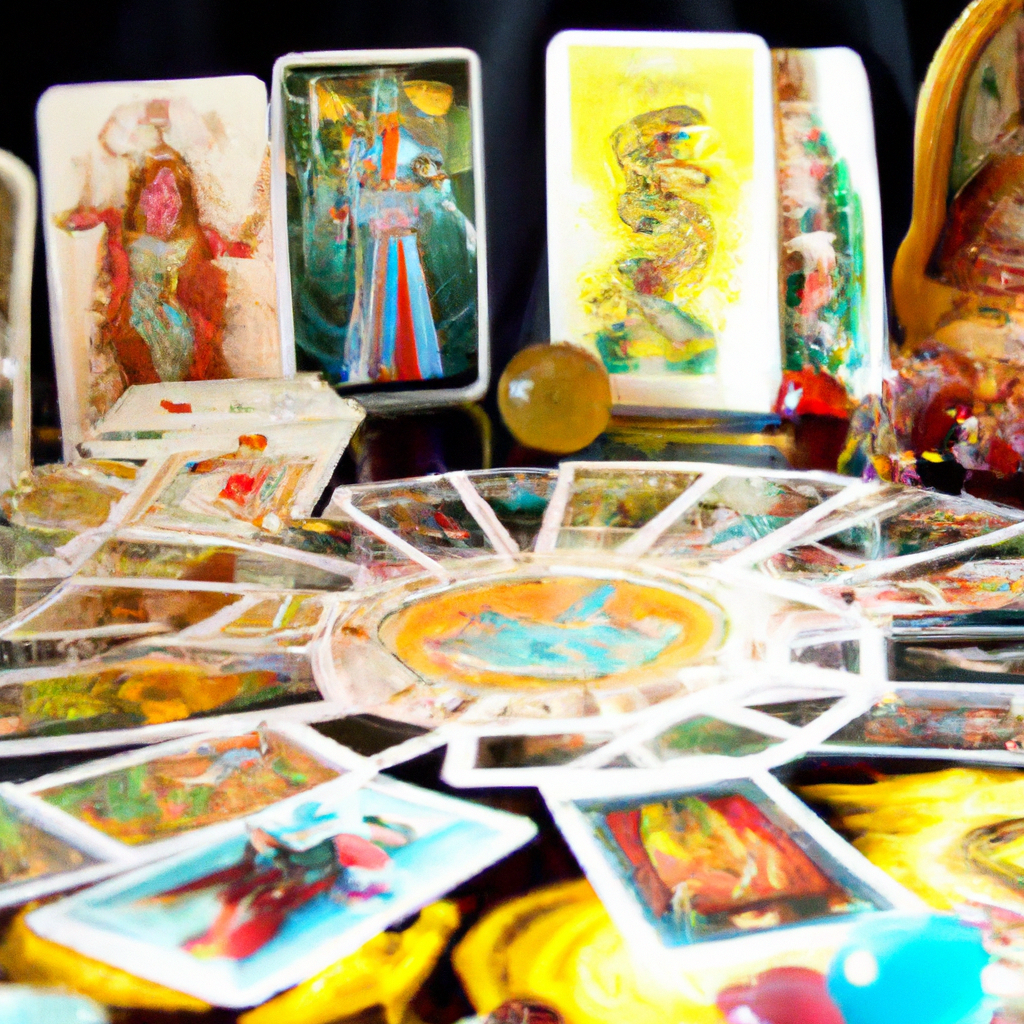
Have you ever been curious about the mystical world of divination? Whether you find yourself intrigued by tarot cards, astrology, or crystal ball readings, divination is an ancient practice that offers insight into the past, present, and future. This article will take you on a fascinating journey, exploring the origins, methods, and significance of divination, shedding light on its role in various cultures and its impact on those who seek guidance and enlightenment. So, let’s unravel the captivating world of divination together and discover the hidden symbolism and meanings that lie within. Divination is the practice of seeking knowledge or insight into the future or the unknown through various methods or techniques. It is based on the belief that there are hidden meanings or messages from higher powers or the spiritual realm that can be deciphered through specific rituals or tools. Divination has been a part of human culture and history for centuries, with different cultures and civilizations developing their unique forms and practices.
Definition of Divination
Divination can be defined as the art or practice of attempting to foresee or influence events or occurrences by interpreting signs or symbols, often through supernatural means. It is a way of connecting with the spiritual realm and gaining insight into the past, present, or future. Divination involves seeking guidance or answers to questions through the use of various techniques, such as card reading, astrology, or scrying.
Historical Background
The origins of divination can be traced back to ancient civilizations, where it played a significant role in religious and spiritual practices. In ancient Mesopotamia, for example, divination was an essential part of the culture, with priests acting as intermediaries between the mortal world and the gods. The ancient Greeks also incorporated divination into their daily lives, seeking guidance from oracles and interpreting dreams. Divination practices were prevalent in various other ancient cultures, including Egypt, China, and India. Over time, divination evolved and adapted through cultural exchanges and cross-cultural influences, leading to the diverse range of divination methods we have today.
Purpose of Divination
The purpose of divination can vary, depending on the individual’s intentions or beliefs. Some people turn to divination to seek guidance and clarity in their lives, to obtain answers to important questions, or to gain insight into their personal or spiritual development. Divination can be a tool for self-reflection, helping individuals make decisions, understand their emotions, and navigate life’s challenges. It can also be used as a means of exploring the unknown or connecting with higher powers.
Types of Divination
There are numerous types of divination, each with its unique traditions, symbols, and methods. Here are some of the most popular and well-known forms of divination:
Tarot Card Reading
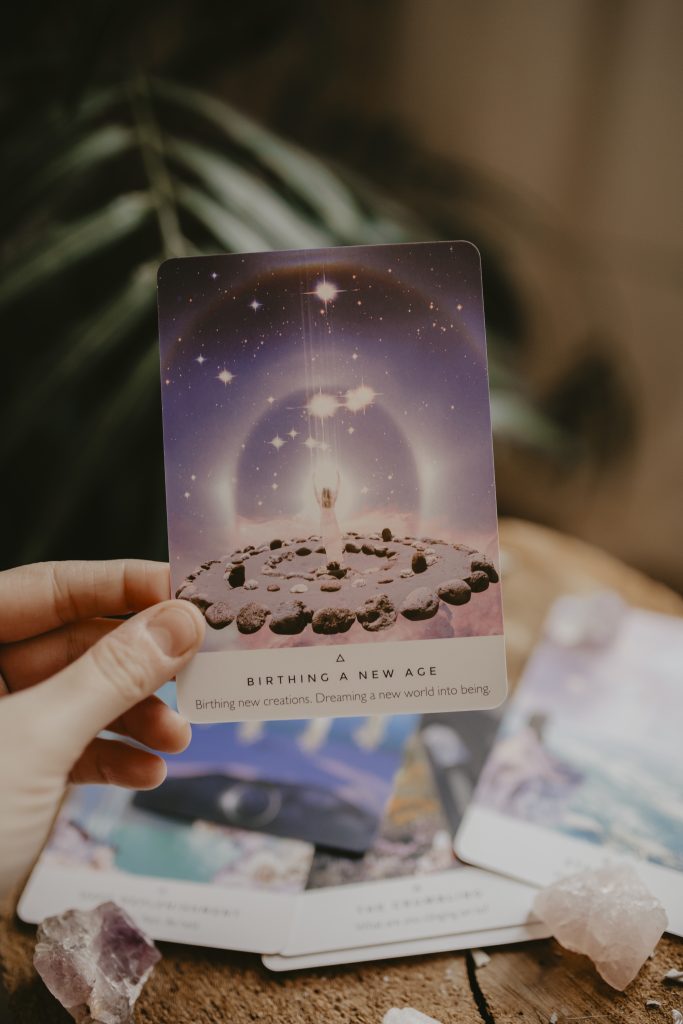
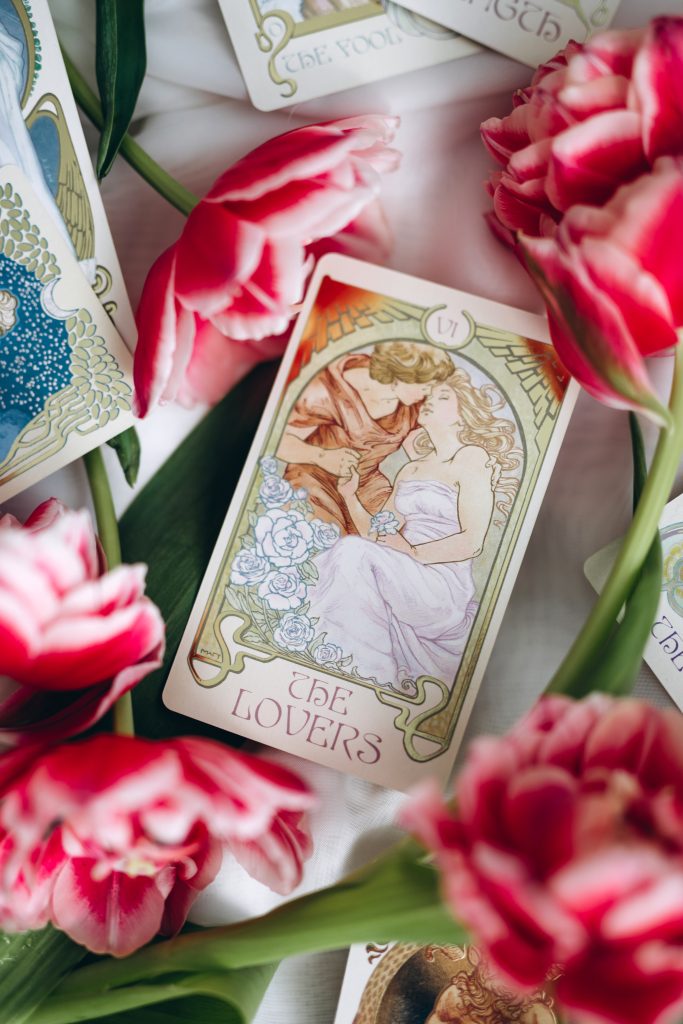
Tarot card reading involves the use of a deck of cards, typically consisting of 78 cards with various symbols and images. The reader interprets the cards’ meanings based on their position and the spread chosen. Tarot cards are believed to provide insights into the past, present, and future, offering guidance and direction to the seeker.
Palmistry
Palmistry, also known as chiromancy, is the art of reading palms. The lines, shapes, and patterns on a person’s palms are believed to reveal information about their character, personality, and future. Palmists analyze the length, depth, and curves of the lines on the palm to provide readings and predictions.
Astrology
Astrology is the study of celestial bodies and their influence on human lives and events. By analyzing the positions and movements of the stars, planets, and other celestial objects at the time of a person’s birth, astrologers interpret their horoscope and make predictions about their personality traits, relationships, career paths, and more.
Numerology
Numerology is based on the belief that numbers hold meaning and significance. It involves analyzing and interpreting the numerical values of names, birth dates, or specific events to uncover hidden patterns and insights. Numerologists believe that numbers can reveal personality traits, life paths, and future opportunities.
Runes
Runes are ancient Norse symbols that were used for divination in Viking cultures. Each rune has its own meaning and significance, and they are typically inscribed on stones or wooden pieces. Runes are cast or drawn, and the patterns formed are interpreted to provide guidance or answers to specific questions.
I Ching
I Ching, also known as the Book of Changes, is an ancient Chinese divination system. It involves the casting of yarrow sticks or coins to create hexagrams, which are then interpreted to provide guidance on various aspects of life, such as relationships, career, and personal growth.
Tea Leaf Reading
Tea leaf reading, also known as tasseography, is a form of divination that involves interpreting patterns formed by tea leaves in a cup. The reader looks for symbols, shapes, and images in the tea leaves and uses their intuition to provide insights or predictions.
Crystal Ball Gazing
Crystal ball gazing, or scrying, is a practice in which a diviner gazes into a crystal ball or another reflective object to perceive information or images beyond the ordinary senses. The diviner may see visions or receive intuitive messages that can be interpreted to provide guidance or insight.
Ouija Board
The Ouija board is a tool often used for spirit communication. It consists of a board with letters, numbers, and symbols, along with a movable pointer called a planchette. Participants place their fingers on the planchette, and the board is said to move under the influence of spirits, spelling out messages or answering questions.
Scrying
Scrying is the practice of gazing into a reflective surface, such as a mirror, water, or a crystal, to access spiritual information or visions. The diviner focuses their attention and allows images or impressions to arise in their mind’s eye, which can then be interpreted for guidance or understanding.
Process of Divination
While the specific process of divination can vary depending on the method or tool used, there are some common elements and steps that are often followed:
Preparation
Before engaging in divination, it is important to create a sacred space or atmosphere that allows for focused concentration and connection with the spiritual realm. This can involve cleansing or purifying the divination tools, setting intentions, and creating a calm and peaceful environment.
Question Formulation
The divination process typically begins with formulating a clear and specific question or intention. The question can be about a particular issue, decision, or area of life that the individual seeks guidance or insight on. The question should be phrased in a way that allows for open-ended answers and avoids leading or biased language.
Divination Tools
The choice of divination tools depends on personal preference and the specific method being used. The tools can range from tarot cards and runes to crystals, pendulums, or even everyday objects like tea cups or mirrors. Divination tools act as conduits for the spiritual or intuitive energies, allowing the diviner to access information or messages.
Methods of Interpretation
Once the divination tool has been selected and the question has been posed, the diviner begins the process of interpretation. This involves analyzing the symbols, patterns, or messages presented by the divination tool and applying personal intuition, knowledge, and traditional meanings to decipher their significance. Depending on the method, interpretations may involve looking up specific card meanings, consulting astrological charts, or relying on personal insight and psychic abilities.
Conclusion
The divination process concludes when the diviner has gathered enough information or insight to provide a meaningful response to the question or intention. This may involve summarizing the key points, offering guidance or advice based on the interpretation, or suggesting actions or paths for the seeker to consider.
This image is property of images.pexels.com.
Divination Through the Ages
Ancient Divination Practices
Divination has a long history that dates back to ancient times. From Mesopotamia to Egypt, Greece to Rome, divination practices were deeply intertwined with religion and spiritual beliefs of the time. The ancient Greeks consulted oracles, such as the famous Oracle of Delphi, to seek guidance from the gods. In Egypt, priests used divination methods like dream interpretation or animal sacrifice to connect with the divine and gain insights into the future. Similar practices were observed in ancient China, India, and other civilizations worldwide.
Divination in Different Cultures
Divination has played a significant role in various cultures across the globe. In African cultures, diviners, often known as sangomas or shamans, use ancestral spirits and rituals to help people through divination. In Native American tribes, practices such as vision quests or animal totem readings are used as powerful divination tools. Divination is also prominent in traditional Japanese, Korean, and Chinese cultures, where methods like omikuji, namboku, or the Four Pillars of Destiny are used to explore the future or gain insights.
Divination in Modern Times
While the specific forms and practices of divination may have evolved over time, divination continues to be a popular and prevalent practice in modern times. With the advent of the internet and easy access to information, divination has become more accessible and widespread. Online platforms offer tarot readings, astrology charts, and other forms of divination, allowing people from all walks of life to seek guidance or answers to their questions. Furthermore, divination has found its place in contemporary spiritual movements, including New Age practices, witchcraft, and paganism.
The Role of a Diviner
Skills and Intuition
A diviner, also known as a fortune-teller or psychic, is someone who practices divination and uses their skills and intuition to interpret symbols, signs, or messages from the spiritual realm. Diviners possess an enhanced sense of intuition, psychic abilities, and a deep understanding of the divination method they practice. They rely on their intuitive insights, knowledge, and experience to provide guidance and interpretations to those seeking answers or insight.
Ethical Considerations
Ethics play an important role in the practice of divination. Responsible diviners prioritize the well-being and empowerment of their clients, ensuring that their readings are conducted with compassion, integrity, and respect. Ethical diviners understand the importance of maintaining confidentiality, providing unbiased guidance, and avoiding making broad or definitive predictions that could potentially mislead or harm individuals.
This image is property of images.pexels.com.
Criticisms and Skepticism
While divination has its believers and practitioners, it also faces criticisms and skepticism. Here are some perspectives and criticisms often associated with divination:
Scientific Perspectives
From a scientific perspective, divination is often considered pseudoscience or superstition. Critics argue that divination lacks empirical evidence and relies on subjective interpretations rather than objective facts. They believe that divination is a result of cognitive biases, cold reading techniques, or the placebo effect.
Religious Perspectives
Some religious perspectives view divination as an act of forbidden or demonic practice. Certain religious doctrines explicitly prohibit divination, considering it a form of witchcraft or a means of trying to influence or predict the future, which is seen as infringing upon the divine realm.
Fraud and Misrepresentation
Divination, like any other field, can attract fraudulent practitioners who misrepresent their abilities or use deceptive techniques to trick vulnerable individuals. It is essential to exercise discernment when seeking divination services and to choose reputable and trustworthy practitioners.
Divination in Popular Culture
Literature and Films
Divination has captured the imagination of authors and filmmakers, featuring prominently in various literary works and movies. From the prophecies in Harry Potter to the tarot readings in classic literature like Jane Eyre or Alice’s Adventures in Wonderland, divination has served as a plot device to add mystery, intrigue, and suspense to stories.
Use in Modern Witchcraft and Paganism
Divination has been integrated into modern witchcraft and pagan practices. Witches and pagans often use divination as a tool for personal growth, spiritual exploration, or connecting with deities or spirits. Divinatory practices such as tarot card reading, rune casting, or scrying are commonly incorporated into rituals or magical workings.
Popularity and Entertainment
Divination has gained popularity as a form of entertainment and self-reflection. Many people turn to divination for fun, as a party activity, or as a way to gain insights into themselves or the world around them. Websites, apps, or social media platforms that offer free online divination readings or quizzes have become popular sources of entertainment.

This image is property of images.pexels.com.
Benefits and Drawbacks of Divination
Personal Guidance and Insight
One of the main benefits of divination is the potential for personal guidance and insight. Divination can provide individuals with a fresh perspective, helping them gain clarity, make decisions, or navigate challenging situations. It can offer a deeper understanding of oneself and others, fostering personal growth and self-awareness.
Empowerment and Decision-Making
Divination can empower individuals by giving them a sense of control and agency in their lives. By seeking guidance or answers through divination, people can feel more confident and empowered to make informed decisions or take action. Divination can serve as a tool for self-empowerment and personal empowerment.
Reliance on External Forces
A potential drawback of divination is the risk of relying too heavily on external forces or external validation. Placing excessive trust in divination can lead to a dependence on outside sources for decision-making, rather than relying on personal intuition and judgment. It is important to strike a balance between utilizing divination as a tool and actively engaging in one’s own decision-making process.
Dependency and Obsession
Divination can be addictive or lead to dependency if not approached with caution. Some individuals may become excessively reliant on divination for reassurance, repeatedly seeking answers to the same questions or becoming obsessed with the pursuit of future predictions. It is crucial to maintain a healthy balance and not let divination become an obsessive or controlling factor in one’s life.
Controversies Surrounding Divination
Religious Conflicts and Taboos
Divination practices can be met with opposition or conflicts due to religious beliefs or cultural taboos. Some religious traditions consider divination to be sacrilegious or unauthorized, leading to conflicts between individuals practicing divination and religious institutions or communities. It is vital to respect and understand the cultural and religious contexts in which divination is practiced.
Cultural Appropriation and Respect
Divination tools and practices are often deeply rooted in specific cultures and traditions. The commercialization or appropriation of these practices without proper understanding or respect can lead to cultural insensitivity or misrepresentation. It is essential to approach divination with respect for its cultural origins and engage with it in an ethical and informed manner.
Fraudulent Practices and Exploitation
As mentioned earlier, the field of divination is not immune to fraud and exploitation. Unscrupulous individuals may take advantage of vulnerable individuals seeking guidance, offering false promises or misleading interpretations for personal gain. It is crucial to be cautious and discerning when seeking divination services and to choose reputable and ethical practitioners.
Conclusion
In conclusion, divination is a diverse and ancient practice that has persisted throughout history and continues to be embraced by individuals seeking guidance, insight, or connection to the unknown. From tarot card readings to astrology and palmistry, divination offers a range of methods and tools to explore the hidden realms of the future or the divine. While divination has faced criticism and skepticism, it holds value for many individuals who find solace, empowerment, and personal growth in its practices. Whether one believes in the validity of divination or not, it remains an intriguing and fascinating aspect of human culture and spirituality, offering a multitude of paths and interpretations for those who choose to explore its realm.