
Have you ever wondered about the role of fasting in spirituality? It’s a topic that has fascinated people for centuries, as individuals seek to deepen their connection with the divine. Fasting, in its various forms, has been practiced by different religious traditions across the world. But what exactly is its purpose? It goes beyond physical discipline and abstinence from food; fasting has a profound spiritual significance that transcends the mere act of not eating. In this article, we will explore the multifaceted role of fasting in spirituality, uncovering its transformative power and the ways it can foster spiritual growth and understanding. So, grab a cup of tea and join us on this enlightening journey.

This image is property of images.unsplash.com.
Understanding Fasting in Spirituality
Fasting is a practice that holds immense significance in spirituality. It is a voluntary act of abstaining from consuming food or certain types of food for a specific period of time. This act of self-discipline and self-control is not only observed in various religious traditions but is also embraced by individuals seeking a deeper connection with their spiritual selves. Fasting can vary in duration, approach, and purpose across different spiritual perspectives, but it remains a powerful tool for spiritual growth and self-transformation.
Definition of Fasting
Fasting, at its core, involves voluntarily refraining from food or specific types of food for a predetermined period. It is a conscious choice to go without nourishment for a set time to achieve specific spiritual objectives. Fasting is not about starvation or deprivation but rather a practice that encourages discipline, self-reflection, and connection with the divine.
Different Spiritual Perspectives on Fasting
Spirituality encompasses a wide range of beliefs and practices, and thus, different traditions hold varying perspectives on fasting. While some view fasting as a means of purification and self-discipline, others see it as a way to cultivate humility and gratitude. Various religious traditions, ancient and modern, incorporate fasting as an integral part of their spiritual practices, each with its own unique approach and purpose.
Historical Significance of Fasting
Fasting has a rich historical significance that dates back centuries across different cultures and religions. In ancient religions, fasting was used as a means to heal the body and soul, seek penance, or reconnect with the divine. These practices have influenced and continue to shape the modern understanding and practices of fasting in religions today.
Fasting in Ancient Religions
In ancient religions such as Ancient Egyptian, Greek, and Mesopotamian, fasting was practiced as a way to purify the body and to seek spiritual enlightenment. It was believed that fasting could rid the body of impurities, allowing individuals to achieve a higher state of consciousness and connect with the divine. The ancient Egyptians often fasted as part of their religious rituals, while the Greeks saw fasting as a way to cleanse both the body and mind.
Fasting in Modern Religions
Fasting continues to play a significant role in modern religions, with each tradition having its own specific practices and beliefs surrounding it. In Islam, for example, fasting during the holy month of Ramadan is considered one of the Five Pillars of Islam. During this time, Muslims abstain from food and drink from dawn to sunset, focusing on spiritual reflection and self-discipline.
In Christianity, fasting is observed during the season of Lent as a means of repentance, self-reflection, and preparation for the celebration of Easter. Christians may choose to fast from certain types of food or limit their consumption as a way to humble themselves and draw closer to God.
Hinduism also embraces fasting as a spiritual practice, with devotees fasting on certain days of the week or during religious festivals. Fasting is seen as a way to purify the body, mind, and soul, and to show devotion to the deities.
In Buddhism, fasting is often practiced as a form of self-discipline and mindfulness. The intention behind fasting in Buddhism is to bring awareness to the impermanence of physical desires and attachments, fostering a sense of detachment and spiritual growth.
Benefits and Purpose of Fasting in Spirituality
Fasting in spirituality serves multiple purposes, extending beyond the physical act itself. It offers various benefits, both for the body and the mind, while also serving as a means to detoxify and purify oneself. Additionally, fasting is believed to enhance spiritual awareness and forge a deeper connection with the divine.
Physical and Mental Benefits of Fasting
Fasting can have numerous physical and mental benefits. By abstaining from food, the digestive system is given a rest, allowing it to heal and regenerate. This can result in increased energy levels and improved overall health. Fasting has also been associated with weight loss and improved metabolism.
On a mental level, fasting can promote mental clarity and focus. When the body is not busy digesting food, the mind has the opportunity to become more present and attentive. Many individuals report increased creativity and productivity during fasting periods.

This image is property of images.unsplash.com.
Detoxification and Purification
One of the primary purposes of fasting in spirituality is detoxification and purification. By giving the body a break from constant digestion, fasting allows it to eliminate toxins and waste, restoring balance and promoting overall well-being. This physical cleansing is believed to contribute to emotional and spiritual rejuvenation as well.
Enhancing Spiritual Awareness
Fasting has long been associated with enhanced spiritual awareness. By abstaining from food, individuals can redirect their focus and energy towards their spiritual journey. Many practitioners believe that fasting heightens their awareness of the divine presence and facilitates a deeper connection with their inner selves.
Different Types of Fasting Practices
There are various fasting practices embraced across different spiritual paths. These practices vary in their approach, duration, and specific guidelines. Some of the most common types of fasting include water fasting, intermittent fasting, dry fasting, and juice fasting.
Water Fasting
Water fasting is a practice in which individuals only consume water for a defined period. It is a rigorous form of fasting that eliminates all other forms of nourishment, allowing the body to derive sustenance solely from water. Water fasting is often undertaken for extended periods, ranging from a few days to several weeks. This form of fasting is believed to have deep cleansing effects on the body and mind.

This image is property of images.unsplash.com.
Intermittent Fasting
Intermittent fasting involves cycling between periods of eating and fasting. It can take different forms, such as the popular 16:8 method, where individuals fast for 16 hours and limit their eating to an 8-hour window. Intermittent fasting has gained popularity for its potential health benefits, including weight loss, improved metabolism, and increased insulin sensitivity.
Dry Fasting
Dry fasting is a practice that involves abstaining from both food and water for a specific period. It is considered one of the most challenging forms of fasting due to its strict nature. Dry fasting is believed to have profound detoxifying effects on the body and spirit, but it should be approached with caution and under the guidance of experienced practitioners.
Juice Fasting
Juice fasting allows individuals to consume only fresh fruit or vegetable juices while abstaining from solid food. This form of fasting provides essential nutrients while still allowing the body to detoxify and reset. Juice fasting is often seen as a milder alternative to water fasting, making it more accessible for beginners.
Fasting in Major World Religions
Fasting holds a central place in major world religions, helping followers deepen their faith, discipline their minds and bodies, and cultivate spiritual growth.

Fasting in Islam
In Islam, fasting is one of the Five Pillars of Islam and is observed during the holy month of Ramadan. Muslims fast from dawn to sunset, refraining from food, drink, smoking, and other physical needs. Fasting during Ramadan is not only a means of self-control but also a time for increased devotion, spiritual reflection, and empathy for those less fortunate.
Fasting in Christianity
Christianity embraces fasting as a spiritual practice during the season of Lent, which precedes Easter. Christians may choose to abstain from certain foods or limit their intake as a way to replicate the sacrifice of Jesus Christ and prepare themselves for His resurrection. Fasting during Lent is seen as an act of penance, self-reflection, and drawing closer to God.
Fasting in Hinduism
Fasting plays a prominent role in Hinduism, with devotees observing fasts on specific days of the week or during festivals. Hindus believe that fasting purifies the mind, body, and soul, and bestows blessings from the deities. Fasting is seen as a way to demonstrate devotion and seek spiritual growth.
Fasting in Buddhism
Buddhism encourages fasting as a practice of mindfulness and self-discipline. Fasting is not necessarily related to specific dates or festivals but is undertaken as a personal choice for spiritual growth. By practicing restraint from food, Buddhists aim to attain inner peace, free themselves from desires, and deepen their understanding of the nature of existence.
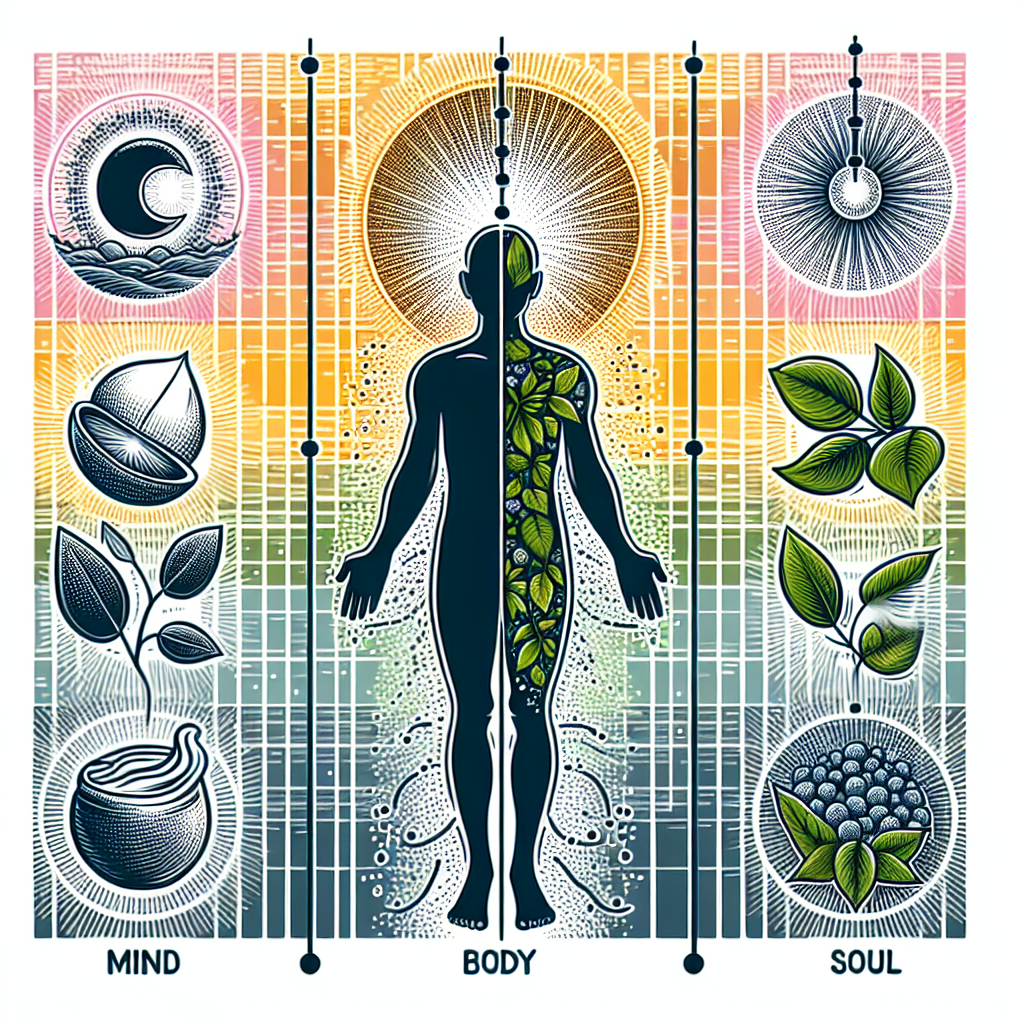
Fasting and Meditation
Fasting and meditation go hand in hand, complementing and enhancing each other’s benefits.
Increased Focus and Clarity
When the body is not occupied with digestion, the mind is more likely to achieve a state of focused calmness during meditation. Fasting can help minimize distractions and assist in achieving greater concentration and clarity during meditation practice. This heightened focus allows individuals to delve deeper into their spiritual journey and connect with their inner selves.
Deepening Spiritual Connection
Fasting often leads to a heightened state of spiritual awareness, making it an ideal companion to meditation. As the body and mind are purified through fasting, individuals may experience a more profound connection with the divine, increased intuition, and a deeper understanding of their spiritual path.
Fasting in Shamanic Traditions
Shamanic traditions around the world have long incorporated fasting as a means of purification, healing, and spiritual growth.
Purification and Healing
In shamanic practices, fasting is seen as a method of purging physical, emotional, and spiritual impurities. By abstaining from food, shamans believe they can cleanse their bodies and minds, allowing for spiritual healing and transformation. Fasting is often used in combination with other rituals to facilitate profound spiritual experiences and to receive guidance from the spirit world.
Journeying and Visionary Experiences
Fasting can induce altered states of consciousness, making it a valuable tool in shamanic journeying and vision quests. Shamans often undertake extended fasting periods to enter a heightened state of awareness, commune with spirits, and receive insights and revelations. Fasting is seen as a means to open oneself to the spiritual realm and embark on transformative journeys of self-discovery.
Fasting and Self-Discipline
One of the key purposes of fasting in spirituality is to cultivate self-discipline and strengthen willpower.
Cultivating Self-Control
By willingly abstaining from food or specific types of food, individuals exercise self-control and discipline over their physical desires. Fasting provides an opportunity to overcome cravings, temptations, and unhealthy habits, and develop a greater sense of self-mastery.
Strengthening Willpower
Fasting challenges individuals to push past their comfort zones and persevere in challenging circumstances. It builds mental and emotional resilience, fostering a sense of determination and strength. The practice of fasting can extend this increased willpower and discipline into other areas of life, empowering individuals to overcome obstacles and achieve personal goals.
Fasting as a Spiritual Ritual
Fasting is often incorporated as a ritual in various spiritual practices, serving as a means to mark special occasions and demonstrate devotion.
Marking Special Occasions
Fasting can be observed during significant milestones or events in a person’s spiritual journey. It may be undertaken to mark a new phase of life, express gratitude for blessings received, or seek guidance and clarity. By fasting as part of a ceremonial ritual, individuals deepen their spiritual connection and imbue the occasion with a sense of reverence and purpose.
Fasting as a Form of Devotion
In many traditions, fasting is viewed as an act of devotion and a way to express reverence to a higher power. By willingly sacrificing the physical pleasure of eating, individuals demonstrate their dedication and commitment to their spiritual beliefs. Fasting becomes a form of worship, allowing individuals to draw closer to the divine and show their love and devotion.
Challenges and Precautions of Fasting
While fasting can offer numerous benefits, it is important to approach it with caution and take certain considerations into account.
Physical and Medical Considerations
Fasting may not be suitable for everyone, and individuals with specific medical conditions or dietary requirements should consult with healthcare professionals before embarking on a fasting practice. Pregnant or nursing women, individuals with diabetes or other chronic conditions, and those with a history of eating disorders should approach fasting with special care and seek guidance from qualified experts.
Maintaining a Balanced Approach
It is crucial to maintain a balanced and healthy approach to fasting. Extreme or prolonged periods of fasting can have adverse effects on the body and mind. It is important to listen to one’s body, stay properly hydrated, and ensure that any fasting practice aligns with an individual’s overall health and well-being. Fasting should never be used as a means of punishment or self-harm, but rather as a tool for personal growth and spiritual connection.
In conclusion, fasting holds a treasured place in the realm of spirituality. It offers practitioners the opportunity to cultivate self-discipline, purify and heal their bodies and minds, and deepen their connection with the divine. While fasting practices may vary across different spiritual perspectives, the underlying purpose remains the same – to seek transcendent experiences, attain spiritual growth, and embark on a transformative journey towards self-realization. Whether observed as a religious practice or embraced as an individual path of exploration, fasting has the potential to awaken the soul, open doors to new dimensions of consciousness, and inspire profound spiritual insights.