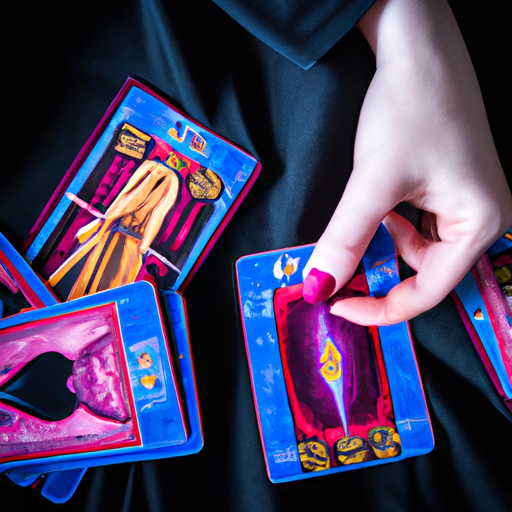
Have you ever wondered about the mysterious interplay of intuition and tarot card readings? In the captivating world of tarot, the role of intuition is essential in unveiling hidden meanings and connecting with the energies of the cards. When you shuffle the deck and lay out the cards, it is your intuition that guides you to decipher the cards’ messages and tap into their mystical wisdom. So, let’s explore the intriguing role of intuition in tarot card readings and unlock the secrets that lie within the cards.

This image is property of images.pexels.com.
Understanding Tarot Card Readings
Tarot card readings have been used for centuries as a tool for gaining insights into the past, present, and potential future events. At its core, tarot is a deck of cards consisting of 78 cards that are rich in symbolism and meaning. Each card represents a different archetype or aspect of human experience. Tarot card readings involve a reader interpreting the cards drawn by the seeker (the person requesting the reading) in order to provide guidance, clarity, and deeper understanding of various aspects of life such as relationships, career, and personal growth.
What are Tarot Cards?
Tarot cards consist of two main groups: the Major Arcana and the Minor Arcana. The Major Arcana consists of 22 cards that represent significant life events and important lessons. These cards often address universal themes and symbolize major shifts and transformations. On the other hand, the Minor Arcana consists of 56 cards and is further divided into four suits (Wands, Cups, Swords, and Pentacles), each representing different aspects of life. The Minor Arcana cards provide more specific insights and can give guidance related to day-to-day challenges and opportunities.
How are Tarot Card Readings Performed?
Tarot card readings can be performed in various ways depending on the preference and expertise of the reader. The most common method involves a seeker shuffling the deck and drawing a predetermined number of cards, usually three or more. The reader then interprets the cards based on their positions, the symbolism depicted on the cards, and their intuitive connection with the seeker. The reader may also consider the seeker’s questions or specific areas of concern to provide personalized and meaningful interpretations.
Exploring Intuition in Tarot Card Readings
Defining Intuition
Intuition can be described as a deep inner knowing or a gut feeling that arises spontaneously and without conscious reasoning. It is often associated with a sense of clarity, resonance, and instantaneous understanding. Intuition is not solely based on logical thinking or analytical reasoning but taps into a deeper level of awareness that goes beyond the conscious mind. It is a valuable tool that aids in decision-making, problem-solving, and gaining insight into various aspects of life.
The Connection Between Tarot Cards and Intuition
Tarot cards and intuition are closely intertwined. The intricate symbolism and rich imagery of the cards provide a visual language through which the reader can tap into their intuitive abilities. The cards serve as a catalyst for the reader’s intuition to come forth and guide the interpretation process. As the seeker interacts with the cards and the reader interprets their meanings, the intuitive connection between the reader, the cards, and the seeker deepens, facilitating a greater understanding of the messages conveyed by the cards.
The Role of Intuition in Tarot Card Readings
Intuition as a Tool for Interpretation
Intuition plays a crucial role in the interpretation of tarot cards. While the cards themselves carry inherent meanings, it is the reader’s intuition that allows for a personalized and nuanced understanding of those meanings in relation to the seeker’s specific circumstances. Intuition allows the reader to pierce through the literal interpretations of the cards and extract deeper insights and messages that resonate with the seeker on a profound level. It helps bridge the gap between the universal symbolism of the cards and the seeker’s unique experiences.
Tapping into the Subconscious
Intuition also enables the tarot reader to tap into the seeker’s subconscious mind. The cards act as a powerful trigger that awakens hidden emotions, desires, and fears within the seeker. Through their intuitive abilities, the reader can interpret these subconscious cues to gain a deeper understanding of the seeker’s underlying motivations, past experiences, and current challenges. This provides valuable context and assists in developing a comprehensive and holistic interpretation that addresses the seeker’s conscious and unconscious needs.
Enhancing Empathy and Compassion
Intuitive tarot readings are not solely based on intellectual analysis but also on emotional intelligence. The reader’s intuition helps them empathize with the seeker’s emotions and experiences, allowing for a compassionate and supportive reading. By intuitively picking up on the seeker’s energy and emotions, the reader can provide guidance and insights that address the seeker’s emotional well-being as well as their practical concerns. This empathetic approach fosters a safe and nonjudgmental space for the seeker to explore their innermost thoughts and feelings.
Recognizing Symbolism and Patterns
Intuition enables the tarot reader to recognize and interpret the symbolism and patterns present in the cards. Each card carries its own symbolism and meaning, and intuition helps the reader to connect the dots and identify overarching themes within the reading. Through their intuitive insights, the reader can discern the subtle connections between seemingly unrelated cards, revealing hidden messages and patterns that may not be immediately apparent. This allows for a more comprehensive and layered reading that encompasses both the individual cards and their collective significance.
Trust and Confidence in the Tarot Cards
Intuition also plays a vital role in building trust and confidence in the tarot cards themselves. As the reader cultivates their intuition and hones their skills, they develop a deeper connection and reverence for the cards. This connection fosters a sense of trust in the cards’ ability to provide accurate and insightful guidance. Intuition allows the reader to attune to the energy and wisdom contained within the cards, fostering a symbiotic relationship between the reader’s intuition and the wisdom of the cards.
Developing Intuition for Tarot Card Readings
Cultivating Self-Awareness and Mindfulness
Developing intuition for tarot card readings begins with cultivating self-awareness and mindfulness. The reader must be attuned to their thoughts, emotions, and intuition in their everyday life. Practicing mindfulness meditation and engaging in self-reflection can help enhance self-awareness and strengthen intuitive abilities. By becoming more in tune with their own inner experiences, the reader can sharpen their intuition and develop a deeper understanding of their own intuitive signs and symbols.
Strengthening Intuition through Practice
Practice is essential for developing intuition in tarot card readings. Regularly practicing readings, both for oneself and others, helps to sharpen intuitive skills and deepen the connection with the cards. By immersing oneself in the practice of tarot readings, the reader becomes more familiar with the cards’ symbolism and meanings, allowing intuition to flow more effortlessly. Over time, the reader develops a level of comfort and confidence in their intuitive abilities, allowing for more accurate and insightful interpretations.
Connecting with the Tarot Deck
Developing intuition for tarot card readings also involves establishing a personal and intuitive connection with the tarot deck. Taking the time to familiarize oneself with the cards, their imagery, and their individual energies can deepen the intuitive connection with the deck. Engaging in activities such as meditating on specific cards, journaling about personal impressions of the cards, or even sleeping with the deck under the pillow can help create a strong bond between the reader and the cards. This connection enhances intuitive insights and contributes to more authentic and meaningful readings.
Honoring Personal Interpretations
Developing intuition in tarot card readings requires honoring and trusting personal interpretations. While it is important to understand the traditional meanings associated with each card, developing intuition involves embracing one’s unique perspective and insights. Intuition allows the reader to offer interpretations that might deviate from the conventional meanings but resonate deeply with the seeker. By honoring their intuition and trusting their own interpretations, the reader adds a personal touch to the reading and can provide guidance that is specifically tailored to the seeker’s needs.
Balancing Intuition with Tarot Card Meanings
It is crucial to strike a balance between intuition and the established meanings of the tarot cards. Intuition enhances the reading by providing personalized insights, but it is important to ensure that the intuitive interpretations align with the foundational meanings of the cards. This allows for a coherent and cohesive reading that combines the universal symbolism of the cards with the reader’s intuitive insights. Balancing intuition with tarot card meanings ensures that the reading remains grounded in the wisdom and tradition of the tarot while incorporating the reader’s unique perspective.

This image is property of images.pexels.com.
Challenges and Limitations of Intuition in Tarot Card Readings
Bias and Subjectivity
One of the challenges of relying on intuition in tarot card readings is the potential for bias and subjectivity. Intuition is influenced by personal experiences, beliefs, and emotions, which can color the interpretation of the cards. The reader must be aware of their own biases and actively work to separate their own thoughts and feelings from the intuitive insights. This requires ongoing self-reflection and a commitment to providing objective and unbiased readings to ensure the seeker receives accurate and helpful guidance.
Potential for Misinterpretation
Intuition is not foolproof and can sometimes lead to misinterpretation of the cards. Misreading cues, misinterpreting symbols, or misjudging the meaning of the cards can happen, even with the best intentions. It is essential for the reader to continuously refine their intuition and validate their interpretations through ongoing practice and study. Seeking feedback from trusted mentors or participating in professional development opportunities can help the reader refine their skills and minimize the potential for misinterpretation.
Difficulties in Trusting Intuition
Trusting one’s intuition can be challenging, especially for new or inexperienced readers. Doubt or self-doubt may creep in, leading to hesitation and second-guessing. The key to overcoming this challenge is to practice self-confidence and self-trust. The reader should remind themselves of their dedication to the tarot and the intuition that has guided them thus far. Cultivating a supportive community of fellow tarot enthusiasts or seeking validation from satisfied clients can also boost the reader’s confidence in their intuitive abilities.
External Influences
External influences, such as the seeker’s energy, the reading environment, or the reader’s personal circumstances, can affect the intuition in tarot card readings. If the seeker is closed off or resistant, it may be more challenging for the reader to tap into their intuition. Similarly, distractions in the environment or personal stressors can interfere with the reader’s ability to access their intuitive insights. Recognizing and actively managing these external influences is crucial for maintaining the integrity and accuracy of the reading.
Ethical Considerations in Intuitive Tarot Readings
Responsibility and Professionalism
Ethical considerations play a vital role in performing intuitive tarot readings. The reader has a responsibility to provide honest, accurate, and nonjudgmental guidance to the seeker. This includes being transparent about the limitations and possibilities of tarot readings, as well as acknowledging that the seeker has free will and the ability to shape their own future. Professionalism is crucial when delivering readings, ensuring confidentiality, respecting boundaries, and maintaining a professional demeanor at all times.
Maintaining Boundaries
Establishing and maintaining clear boundaries is essential in intuitive tarot readings. The reader must create a safe and respectful space for the seeker to share their concerns and ask questions. Boundaries include not prying into personal information without explicit consent, respecting the seeker’s privacy, and refraining from providing unsolicited advice or making decisions on behalf of the seeker. By maintaining professional boundaries, the reader ensures that the focus remains on empowering the seeker and facilitating their personal growth.
Respecting Client Consent and Confidentiality
Respecting client consent and confidentiality is of utmost importance in intuitive tarot readings. Seekers should have full agency in choosing to engage in the reading and have the right to decline or terminate the reading at any time. The reader should also obtain explicit consent before sharing any personal information or testimonials from previous clients. Respecting client confidentiality builds trust and fosters a safe space where seekers can openly explore their concerns and receive guidance without fear of judgment or disclosure.

This image is property of images.pexels.com.
Intuition and the Intuitive Reader
Qualities of an Intuitive Reader
An intuitive reader possesses certain qualities that enhance their ability to connect with their intuition and provide meaningful tarot readings. These qualities include open-mindedness, empathy, emotional intelligence, and an ability to communicate effectively. By embodying these qualities, the intuitive reader creates an inviting and supportive atmosphere for seekers, allowing them to feel heard, understood, and guided.
Intuitive Tarot Reading Techniques
Intuitive readers may employ various techniques to enhance their tarot readings. These techniques can include meditation, visualization, energy work, or intuitive exercises. Meditation helps quiet the mind and access the intuitive awareness, while visualization techniques help the reader connect deeper with the cards’ imagery and symbols. Energy work, such as grounding and centering, can aid in attuning to the seeker’s energy and facilitating a stronger intuitive connection. By incorporating these techniques, the intuitive reader strengthens their intuition and elevates their readings to a higher level.
The Role of Intuition in Decision Making
Intuition is not limited to tarot card readings; it is a valuable tool in decision-making processes as well. Intuitive readers can guide seekers in developing their own intuition to make choices aligned with their highest good. By helping seekers tune into their inner wisdom and intuitive nudges, intuitive readers empower individuals to trust their own judgment and make decisions that resonate with their true essence. Intuition becomes a lifelong skill that extends beyond the tarot reading and contributes to personal growth and self-empowerment.
Scientific and Skeptical Perspectives
Critiques on Intuition in Tarot Card Readings
From a scientific and skeptical perspective, intuition in tarot card readings is often met with skepticism and criticism. Critics argue that tarot readings rely on subjective interpretations rather than objective evidence, making them prone to bias and misinterpretation. They view tarot as a form of pseudoscience and dismiss the role of intuition as unreliable or based on pure chance. However, it is important to note that tarot readings are not intended to provide concrete predictions but rather offer guidance, insights, and a deeper understanding of oneself.
Examining the Evidence
While empirical evidence may be lacking in validating the accuracy of tarot card readings, there are countless anecdotal accounts and personal experiences attesting to their efficacy. Many individuals report finding guidance, clarity, and comfort through tarot readings, which they attribute to the intuitive insights offered by the reader. Tarot readings can be seen as a form of psychological tool that encourages introspection and self-reflection, rather than a predictive or spiritual practice. Further research and studies could shed more light on the mechanisms behind tarot readings and the role of intuition.
Alternative Explanations
Skeptics often propose alternative explanations for the accuracy of tarot card readings, attributing positive results to factors such as cold reading, confirmation bias, or the ideomotor effect. Cold reading refers to the skill of making general statements or asking leading questions to elicit specific information from the seeker, while confirmation bias occurs when individuals selectively interpret and remember information that confirms their preexisting beliefs. The ideomotor effect suggests that unconscious or involuntary movements can be influenced by one’s beliefs or expectations. While these alternative explanations may indeed occur in some instances, they do not negate the potential role of intuition in tarot readings or the genuine insights gained from the experience.
Intuition and Personal Growth
Intuition as a Life Skill
Developing intuition extends beyond tarot card readings and can profoundly impact personal growth. Intuition serves as a guiding force that helps individuals navigate life’s challenges, make decisions aligned with their authentic selves, and tap into their inner wisdom. By honing their intuition, individuals become more attuned to their instincts, emotions, and needs, leading to a deeper sense of self-awareness and personal empowerment. Intuition becomes an integral life skill that supports growth, resilience, and the ability to live authentically.
Developing Intuition in Daily Life
Intuition can be developed and applied in various aspects of daily life. Engaging in mindfulness practices, such as meditation or journaling, helps cultivate a sense of presence and deepens connection with one’s inner guidance. Trusting and acting upon intuitive insights in everyday situations, such as choosing a career path, making decisions, or assessing the energy of people and environments, can sharpen intuitive abilities. By integrating intuition into daily life, individuals can strengthen their connection to their higher selves and live a more fulfilling and authentic life.
Trusting Intuition for Empowerment
Trusting one’s intuition is a transformative act that leads to personal empowerment. Intuition often goes against societal norms or rational thinking, challenging individuals to trust their inner wisdom over external influences. By cultivating self-confidence and self-trust, individuals can rely on their intuition as a source of guidance and support, ultimately empowering themselves to make choices that align with their values and aspirations. Trusting intuition allows individuals to step into their own power and embrace a more authentic and fulfilling life.
Conclusion
Intuition plays a significant role in tarot card readings, serving as a powerful tool for interpretation, connection, and personal growth. It allows for personalized and insightful readings that resonate with the seeker and provide guidance on their life journey. Developing intuition requires self-awareness, practice, and a deep connection with the tarot deck. While skepticism exists surrounding intuition in tarot card readings, countless individuals have found value and meaning in this practice. By embracing and trusting intuition, both seekers and intuitive readers can tap into their inner wisdom and unlock new realms of self-understanding and empowerment.