Are you curious to explore the profound impact that pilgrimage has on spirituality? In this article, we will uncover the significance of embarking on a sacred journey, delving into how it can nurture and deepen one’s spiritual connection. Join us as we navigate the transformative power of pilgrimage and uncover its role in shaping our spiritual paths.
This image is property of images.pexels.com.
Historical Background of Pilgrimage
Early Pilgrimages in Ancient Religions
Pilgrimage has a rich and ancient history that can be traced back to the earliest civilizations. In ancient religions such as Hinduism, Buddhism, and Jainism, pilgrimages were already an integral part of religious practices. These early pilgrimages often involved long and arduous journeys to sacred sites or places associated with revered religious figures. These pilgrimages were seen as a way to express devotion, seek blessings, and connect with the divine.
Eastern Religions and Pilgrimage
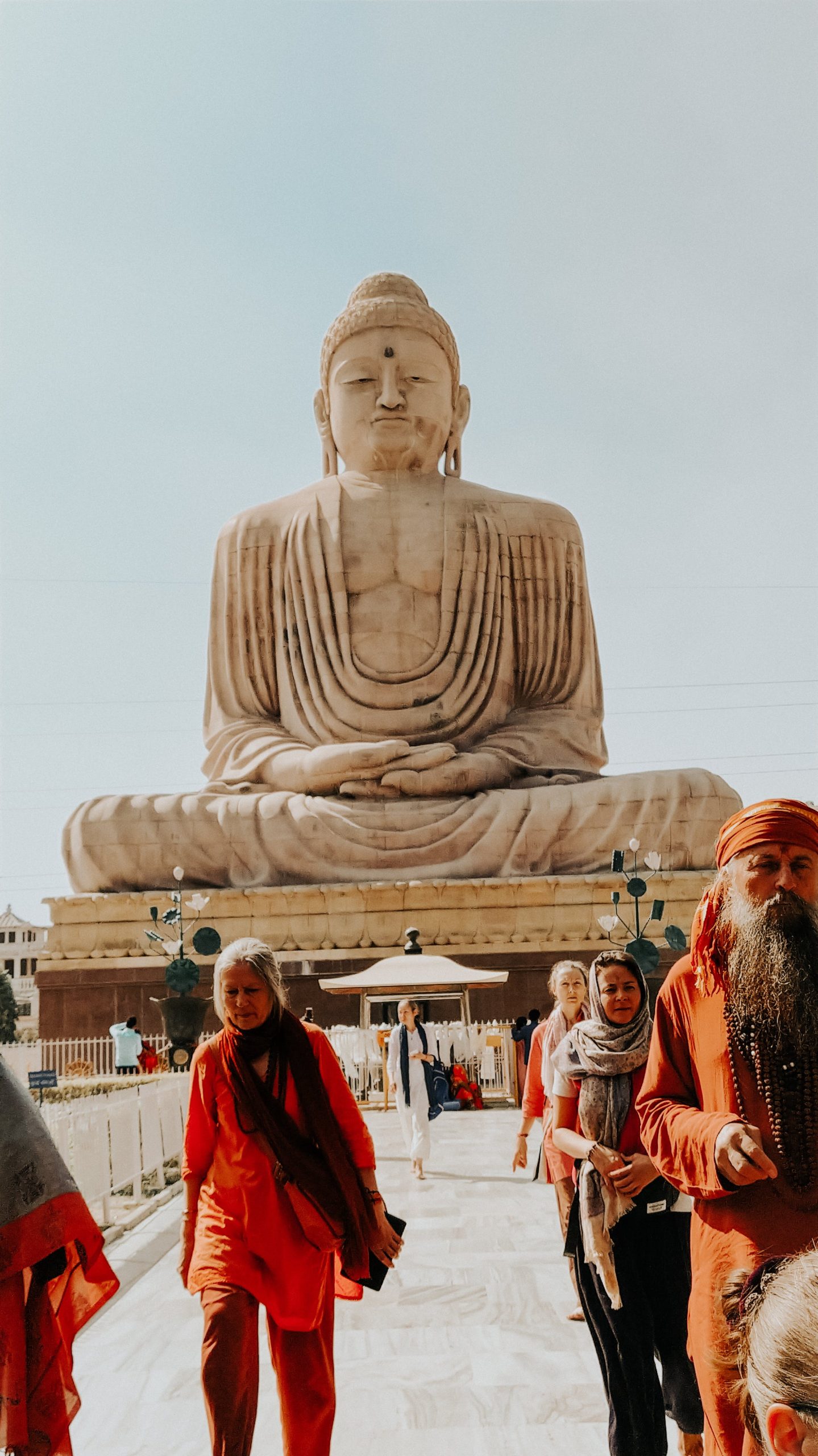
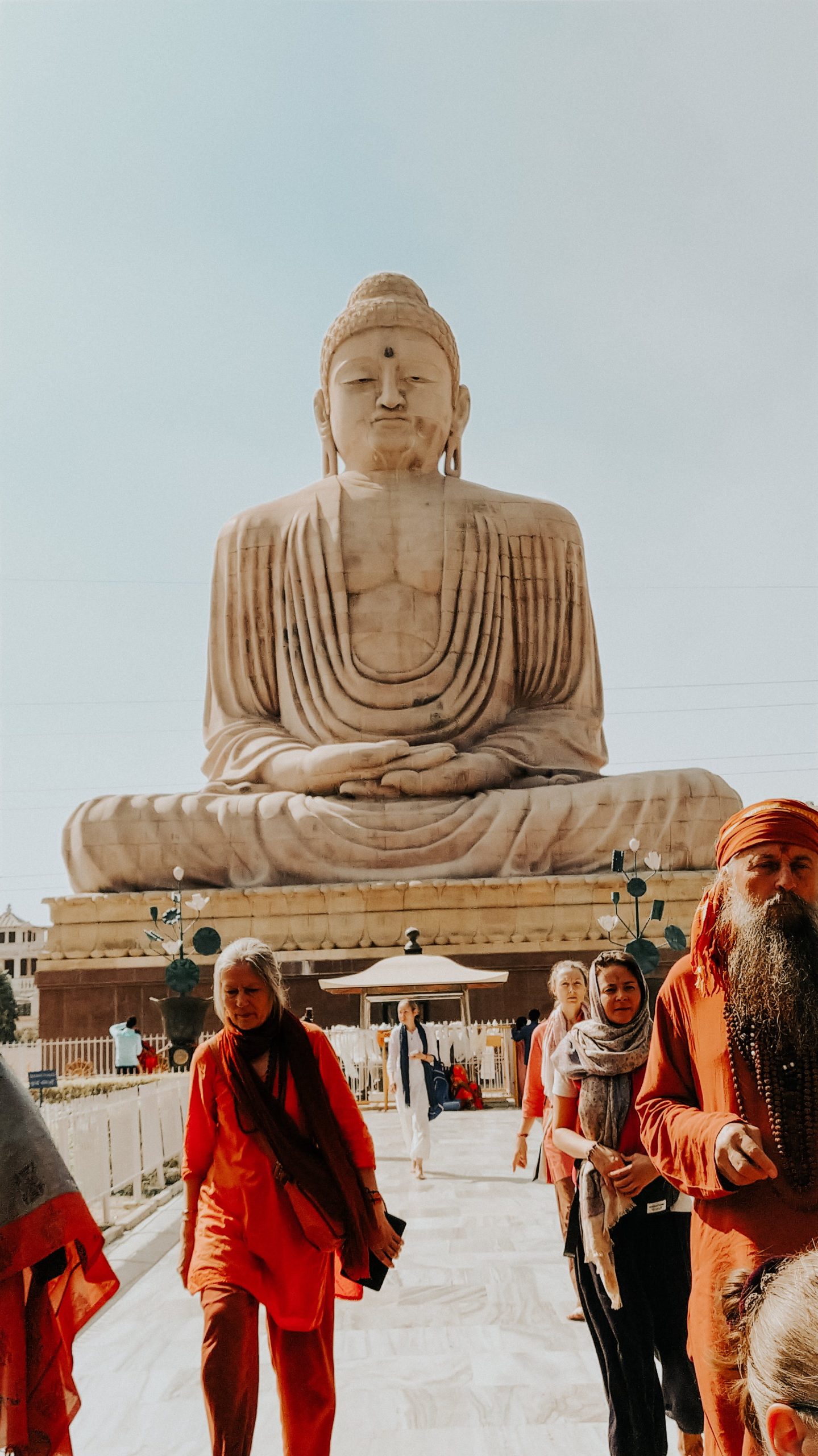
In Eastern religions like Buddhism and Hinduism, pilgrimage holds a significant place in spiritual practice. The birthplace of Lord Buddha in Lumbini, the sacred city of Bodh Gaya where he attained enlightenment, and the revered Kailash Mansarovar in Hinduism are just a few examples of important pilgrimage sites in these traditions. These pilgrimages offer followers the chance to deepen their spiritual connection, gain insight, and experience personal transformation.
Pilgrimage in Abrahamic Religions
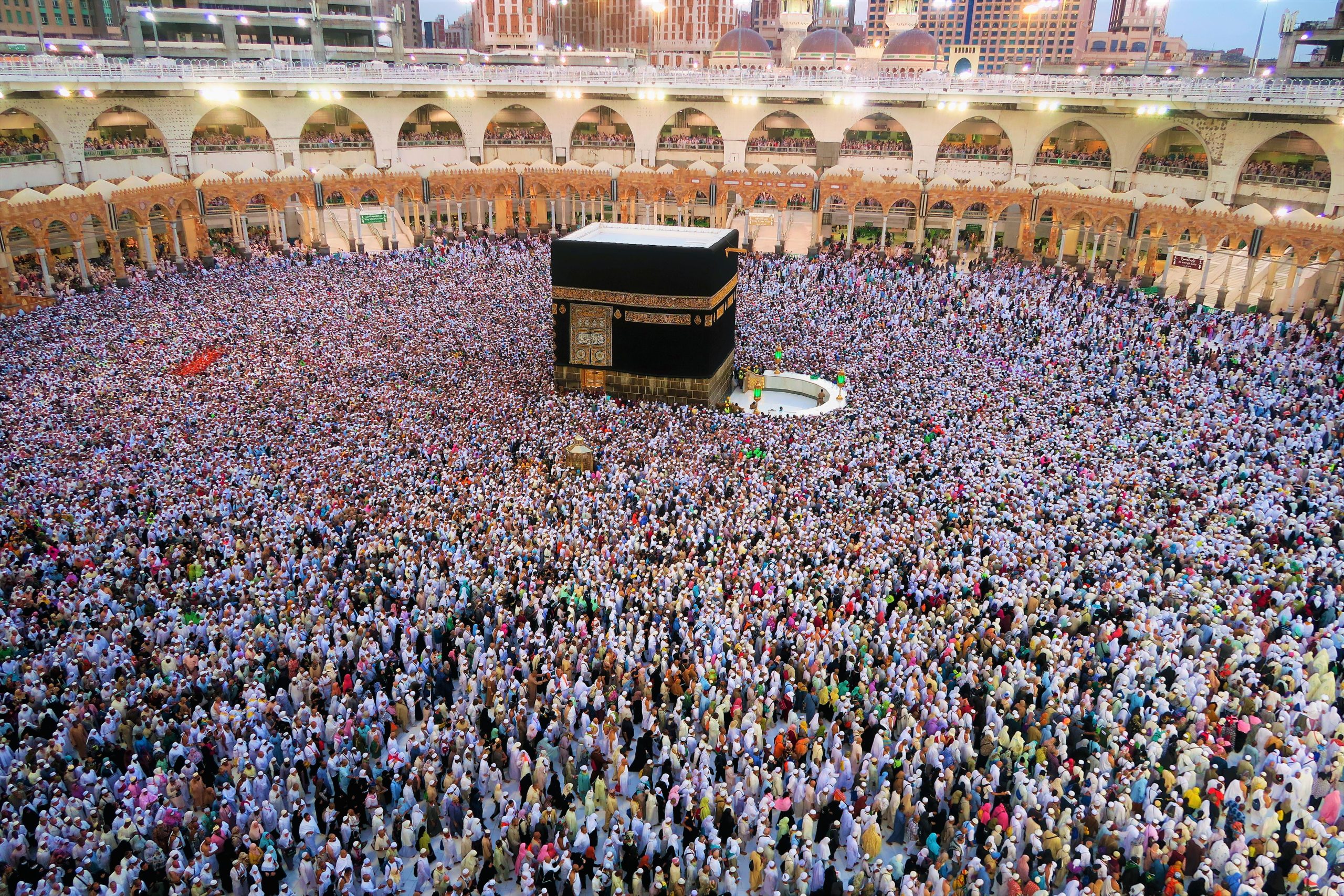
Pilgrimage is also a central aspect of the Abrahamic religions, including Judaism, Christianity, and Islam. In Judaism, pilgrimages to Jerusalem, particularly to the Temple Mount, were an essential part of religious life. Similarly, Christianity places great importance on pilgrimages to sites associated with the life of Jesus Christ, such as Bethlehem and Jerusalem. In Islam, every devout Muslim is expected to make a pilgrimage to the holy city of Mecca, known as the Hajj, at least once in their lifetime. These religious pilgrimages hold tremendous significance for believers and serve as a means to connect with the divine and reinforce one’s faith.
Motivations for Pilgrimage
Religious Devotion and Seeking Blessings
One of the primary motivations for embarking on a pilgrimage is religious devotion. Pilgrims undertake these journeys to express their deep faith, seek blessings, and show their commitment to their religious traditions. They believe that by visiting holy sites and participating in sacred rituals, they can receive spiritual blessings and divine favor.
Spiritual Renewal and Growth
Pilgrimage offers the opportunity for spiritual renewal and growth. By embarking on a pilgrimage, individuals can transcend their daily routine and immerse themselves in a sacred environment. This intentional separation from the distractions of daily life creates a space for introspection, self-reflection, and spiritual contemplation. It allows pilgrims to reconnect with their inner selves, deepen their spiritual practice, and gain a sense of clarity and purpose.
Seeking Healing and Miracle
For many pilgrims, the pilgrimage is a quest for healing and miracles. They believe that visiting sacred sites or shrines associated with miraculous events or revered figures can bring about physical, emotional, or spiritual healing. These pilgrimages often involve specific rituals or practices aimed at invoking divine intervention and seeking relief from ailments or personal challenges. Pilgrimages to sites like Lourdes in France or Varanasi in India are famous for their associations with healing and miracles.
Quest for Enlightenment
The spiritual journey of pilgrimage can also be seen as a quest for enlightenment. Many pilgrims seek a deeper understanding of their spiritual path, aiming to attain higher levels of consciousness and wisdom. Pilgrimage sites associated with enlightened masters or revered figures are believed to radiate a profound spiritual energy that can support and accelerate the pilgrim’s journey towards enlightenment.
Community and Social Interaction
Pilgrimage provides an excellent opportunity for communal and social interaction. Pilgrims often travel in groups or join organized tours, fostering a sense of community and shared experience. The pilgrimage journey allows individuals from diverse backgrounds to come together, share stories, exchange ideas, and deepen their understanding of different cultures and traditions. This collective experience strengthens bonds and encourages interfaith dialogue, fostering greater harmony and unity among pilgrims.
Types of Pilgrimage
Holy Sites and Shrines
One of the most common forms of pilgrimage is visiting holy sites and shrines that hold immense religious and historical significance. These sites are often associated with revered religious figures, miraculous events, or divine interventions. Examples include the Western Wall in Jerusalem, the Kaaba in Mecca, or the Ganga River in India. Pilgrims visit these sites to offer prayers, seek blessings, and connect with the divine presence believed to reside there.
Sacred Cities
Sacred cities hold a special place in the hearts of pilgrims. These cities, often mentioned in religious scriptures, are home to numerous holy sites and are believed to be spiritually charged. Examples include Varanasi in Hinduism, Jerusalem in Judaism, and Mecca in Islam. Pilgrims visit these cities to experience the collective spiritual energy and engage in various religious practices and rituals.
Natural Landmarks and Physical Challenges
Some pilgrimages involve venturing into remote natural landscapes or physically challenging environments. These journeys require pilgrims to push their physical limits and endure hardships to reach their destination. Mount Kailash in Tibet and the Camino de Santiago in Spain are examples of such pilgrimage routes. The physical challenges encountered along the way symbolize the pilgrim’s commitment, perseverance, and willingness to overcome obstacles to deepen their spiritual connection.
Religious Festivals and Events
Religious festivals and events are often occasions for pilgrimage. Devotees travel to specific locations to participate in these celebrations and engage in religious rituals and practices. The Kumbh Mela in India, where millions of Hindus gather for a sacred bathing ritual, and the Hajj in Islam, where millions of Muslims converge in Mecca, are prime examples of pilgrimage-centered festivals. These events foster a sense of community, devotion, and collective celebration.
Symbolism and Rituals in Pilgrimage
Meaning of Sacred Symbols
Throughout the pilgrimage journey, pilgrims encounter various sacred symbols that hold deep meaning within their religious traditions. These symbols often represent divine qualities or embody spiritual principles. For example, in Christianity, the cross symbolizes sacrifice and redemption, while in Hinduism, the lotus flower represents purity and enlightenment. Pilgrims interpret and engage with these sacred symbols as they traverse holy sites, deepening their understanding and connection with their faith.
Practices and Rituals at Holy Sites
Pilgrimage involves a wide range of practices and rituals specific to each religious tradition. These rituals often vary depending on the significance of the site and the beliefs associated with it. Lighting candles, offering prayers, taking holy baths, or circumambulating sacred sites are some common practices observed during pilgrimage. These rituals serve as acts of devotion and facilitate a personal and intimate connection with the divine presence believed to inhabit these holy sites.
Pilgrim Clothing and Identification
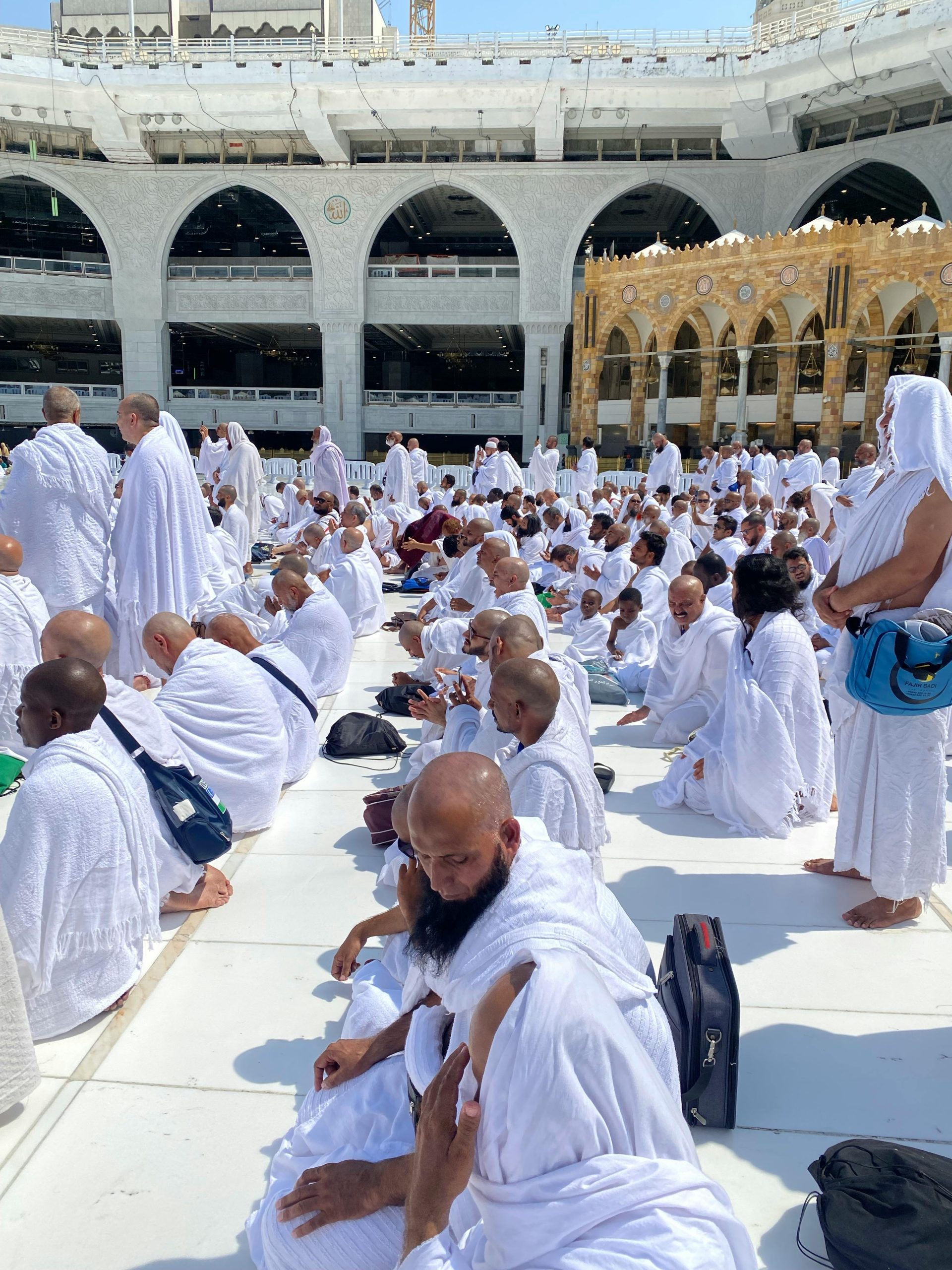
Pilgrims often wear specific clothing or carry identifying symbols to signify their participation in the pilgrimage. These garments or symbols vary across traditions but serve the purpose of distinguishing pilgrims from regular tourists and fostering a sense of unity among fellow pilgrims. Examples include wearing white clothing in Islam, donning traditional robes in Buddhism, or displaying religious insignia in Christianity.
This image is property of images.pexels.com.
Physical and Spiritual Journey
Preparation and Planning
Embarking on a pilgrimage requires careful preparation and planning. Pilgrims must research and identify the specific sites they wish to visit, understand the significance and rituals associated with those sites, and make logistical arrangements. This preparation often includes obtaining necessary travel documents, packing appropriate clothing and supplies, and familiarizing oneself with the customs and practices of the host culture.
Embarking on the Pilgrimage
The start of a pilgrimage marks the commencement of a profound spiritual journey. Pilgrims leave behind their familiar surroundings, stepping into the unknown with an open heart and mind. Whether traveling alone or in groups, the act of physically leaving home and venturing towards a sacred destination symbolizes a willingness to detach from the material world and embrace the spiritual quest.
Physical Challenges and Endurance
Pilgrimages can often involve physical challenges and tests of endurance. Long hours of walking, navigating uneven terrains, and coping with varying weather conditions are just some of the physical aspects pilgrims encounter along the way. These challenges are not only tests of physical strength but also opportunities for personal growth, resilience, and determination.
Mental and Spiritual Transformation
The pilgrimage journey is not merely a physical one; it also encompasses mental and spiritual transformation. The separation from the usual routines and distractions of daily life offers pilgrims the space for introspection, self-reflection, and spiritual contemplation. As they traverse the sacred landscapes and engage in rituals, pilgrims often experience a shift in consciousness, a deepening of faith, and a renewed connection with the divine.
Pilgrimage and Personal Transformation
Deepening Faith and Belief
Pilgrimage has the power to deepen one’s faith and belief. Walking in the footsteps of revered figures or visiting sacred sites associated with miraculous events inspires a profound sense of awe and reverence. The personal experiences and encounters pilgrims have along the journey often reinforce their faith, conviction, and belief in the spiritual forces at play.
Emotional Healing and Inner Peace
Many pilgrims embark on their journey seeking emotional healing and inner peace. The pilgrimage experience, away from the distractions and demands of everyday life, allows individuals to confront and release emotional burdens, find solace, and experience a sense of inner tranquility. It is not uncommon for pilgrims to report feeling a deep sense of emotional healing and rejuvenation during and after their pilgrimage.
Self-Reflection and Self-Discovery
Pilgrimage provides a unique opportunity for self-reflection and self-discovery. The physical and spiritual challenges encountered along the pilgrimage journey elicit introspection and contemplation. Pilgrims often gain insights into their beliefs, values, and personal experiences, fostering a deeper understanding of themselves and their place in the world. This self-reflection can lead to personal growth, increased self-awareness, and a reevaluation of one’s life purpose.
Renewed Connection with the Divine
The pilgrimage experience often results in a renewed connection with the divine. Through the rituals, prayers, and encounters with sacred sites and symbols, pilgrims report feeling a heightened sense of spiritual connection. This intensified connection fosters a feeling of divine presence, providing a source of strength, inspiration, and guidance. Pilgrims often describe this renewed connection as transformative and life-changing.
This image is property of images.pexels.com.
Pilgrimage and Communal Unity
Shared Experiences and Bonding
Pilgrimage brings individuals from diverse backgrounds together, creating a sense of shared experiences and fostering bonds of friendship and fellowship. Pilgrims often travel in groups or participate in organized tours, allowing for mutual support, camaraderie, and collective celebration. This sense of communal unity transcends religious and cultural differences, promoting interfaith dialogue and understanding.
Renewing Collective Identity
Pilgrimage plays a vital role in renewing and strengthening collective identity. By visiting pilgrimage sites that hold historical, religious, and cultural significance, pilgrims reaffirm their belonging to a specific religious tradition or community. Through shared rituals, prayers, and celebrations, they reinforce the values, beliefs, and practices that constitute their communal identity.
Building Interfaith Dialogue
In a globalized world that often experiences religious and cultural conflicts, pilgrimage can serve as a catalyst for interfaith dialogue and understanding. When people of different faiths come together in a pilgrimage context, they have the opportunity to learn from and about one another, fostering empathy, respect, and dialogue. This shared experience creates a foundation for building bridges between religious communities, nurturing peace, and promoting harmony.
Pilgrimage and Cultural Exchange
Impact of Pilgrimage on Local Communities
Pilgrimage has a significant impact on local communities. Pilgrims traveling to specific destinations contribute to the local economy by staying in accommodations, purchasing goods and services, and engaging in local businesses. This influx of pilgrims often leads to the development of infrastructure, hospitality services, and cultural exchange programs, benefiting both the local community and the pilgrims.
Cross-Cultural Understanding and Learning
Pilgrimage provides a unique opportunity for cross-cultural understanding and learning. As pilgrims traverse different regions, they encounter diverse cultures, languages, and customs. Interactions with locals and exposure to different ways of life foster appreciation and respect for cultural diversity. Pilgrims return home with a greater understanding of other cultures and a deeper commitment to fostering intercultural dialogue and cooperation.
Preservation of Cultural Heritage
Pilgrimage sites often hold historical and cultural significance, serving as repositories of cultural heritage. The influx of pilgrims not only brings economic benefits but also contributes to the preservation and maintenance of these sacred sites. Communities recognize the value of their cultural heritage and invest in its protection, ensuring the continuity of traditions, rituals, and architectural landmarks for future generations.

Contemporary Challenges of Pilgrimage
Maintaining Authenticity and Commercialization
One of the challenges faced by pilgrimage is maintaining its authenticity amidst increasing commercialization. Popular pilgrimage sites often attract large crowds, leading to commercial ventures that cater to the needs and demands of pilgrims. While tourism can bring economic benefits, it may also dilute the spiritual and transformative essence of the pilgrimage experience. Balancing commercial activities while preserving the integrity and authenticity of the pilgrimage journey is vital.
Environmental Impact and Sustainable Practices
The environmental impact of pilgrimage can be significant, particularly in fragile ecosystems or areas with limited resources. The influx of pilgrims, waste generation, deforestation, and excessive water consumption can have detrimental effects on the environment. Implementing sustainable practices, such as waste management, conservation efforts, and responsible tourism, is crucial in mitigating the environmental impact and ensuring the long-term preservation of pilgrimage sites.
Accessibility and Inclusivity
Pilgrimage should be accessible and inclusive to all individuals, regardless of their physical abilities, socioeconomic status, or gender. Unfortunately, not all pilgrimage sites and routes are designed to accommodate the needs of individuals with disabilities or those facing financial constraints. Efforts should be made to create inclusive pilgrimage experiences by providing accessible infrastructure, support systems, and financial assistance to ensure that everyone can participate in this transformative spiritual journey.
Conclusion
Pilgrimage holds an essential role in spirituality across various religious traditions. It offers individuals the opportunity for personal and spiritual transformation, strengthening their faith, fostering communal unity, and promoting cross-cultural understanding. Despite the challenges it faces in the modern world, pilgrimage continues to be relevant, providing a tangible and transformative connection with the divine and reaffirming its significance in the lives of individuals and communities alike.