You’ve probably seen them before – the delicate spiral of a mandala or the intricate design of a sacred geometry symbol. But have you ever wondered what these spiritual symbols actually mean? In this article, we will explore the significance of these age-old symbols and uncover the deeper meanings they hold. From ancient cultures to modern spiritual practices, these symbols serve as powerful tools for connecting with the divine and finding inner peace. So, grab a cup of tea, sit back, and let’s embark on a journey to unravel the hidden mysteries behind spiritual symbols.
Historical significance
Throughout the history of humanity, symbols have played a crucial role in ancient civilizations. They served as a means of communication, expression, and connection with the divine. Symbols were used to convey complex ideas and represent various aspects of life. Whether it was the intricate hieroglyphics of ancient Egypt or the sacred mandalas of Hinduism, symbols held immense historical significance.
Symbols in ancient civilizations
Ancient civilizations, such as the Egyptians, Greeks, Romans, and Mayans, used symbols as a way to understand and make sense of their world. These symbols often represented deities, celestial bodies, natural elements, and significant events. For example, the Eye of Horus was widely used in ancient Egyptian culture, symbolizing protection, healing, and divine power. These symbols not only reflected the beliefs and values of the civilizations but also served as a visual representation of their history and culture.
Evolution of spiritual symbols throughout history
As civilizations grew and evolved, so did the symbolism associated with their spiritual practices. Symbols transcended language and cultural barriers, allowing people from different backgrounds to connect and understand each other’s beliefs. Over time, religious symbols emerged, representing different faiths and their core principles. These symbols became essential elements of religious rituals, art, and architecture, continuing to inspire and guide individuals spiritually.
Cultural significance
Symbols hold immense cultural significance across religions and indigenous cultures. They are integral to religious practices and ceremonies, acting as a visual representation of belief systems and cultural identities.
Symbols in different religions
Religions worldwide utilize symbols to express their core teachings and values. For example, the cross is a significant symbol in Christianity, representing the crucifixion and resurrection of Jesus Christ. In Judaism, the Star of David is a prominent symbol, symbolizing the connection between God and the Jewish people. Similarly, Islam embraces the crescent moon and star as a symbol of faith and divine guidance. These symbols not only unite followers but also provide a visual representation of their beliefs.
Symbolism in indigenous cultures
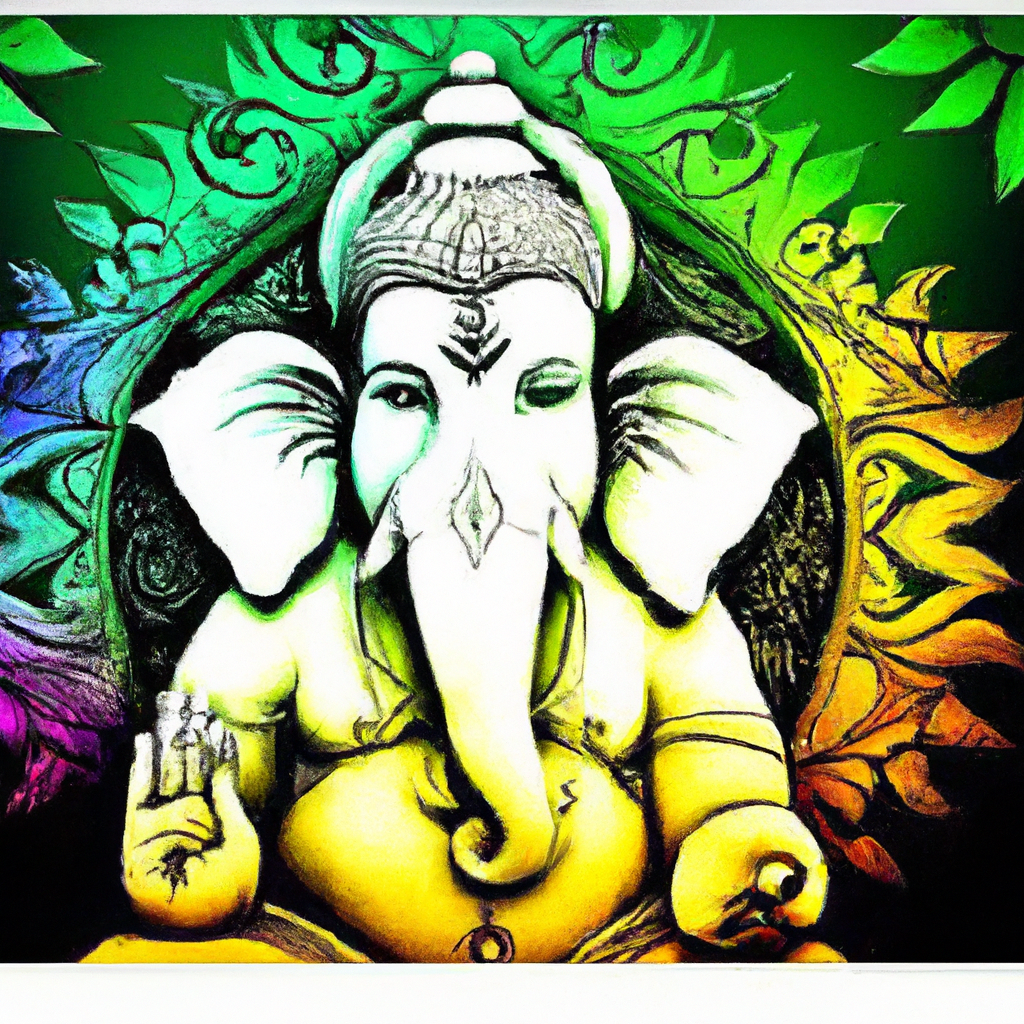
Indigenous cultures have rich symbolism deeply intertwined with their spiritual practices. From Native American to Aboriginal cultures, symbols are used to communicate, connect with nature, and honor ancestral wisdom. Totem poles, dreamcatchers, and mandalas are just a few examples of the diverse symbols used in indigenous cultures. These symbols offer a glimpse into the cultural heritage, spirituality, and interconnectedness of these communities, capturing their unique narratives and perspectives.

This image is property of images.pexels.com.
Psychological significance
Symbols have a profound impact on the human mind, evoking emotions, memories, and deepening our understanding of ourselves and the world around us.
The power of symbolism in the human mind
The human mind is highly receptive to symbolism, often interpreting and assigning meaning to visual representations. Symbols bypass language barriers and tap into the subconscious, making them powerful tools for self-discovery and personal growth. Whether it’s a simple mandala or a labyrinth, symbols have the ability to evoke deep contemplation, trigger insights, and inspire transformative experiences.
Using spiritual symbols for personal growth
Spiritual symbols can be utilized as aids for personal growth and introspection. By engaging with symbols consciously, individuals can explore their subconscious, unlock hidden emotions, and gain clarity about their life’s purpose. Whether it’s through meditation, artistic expression, or visualization, incorporating symbols into one’s spiritual practice can lead to profound self-discovery and personal transformation.
Connection to the divine
Symbols act as a bridge between the earthly and the divine, allowing individuals to deepen their spiritual connection and experiences.
Symbols as a bridge to the divine
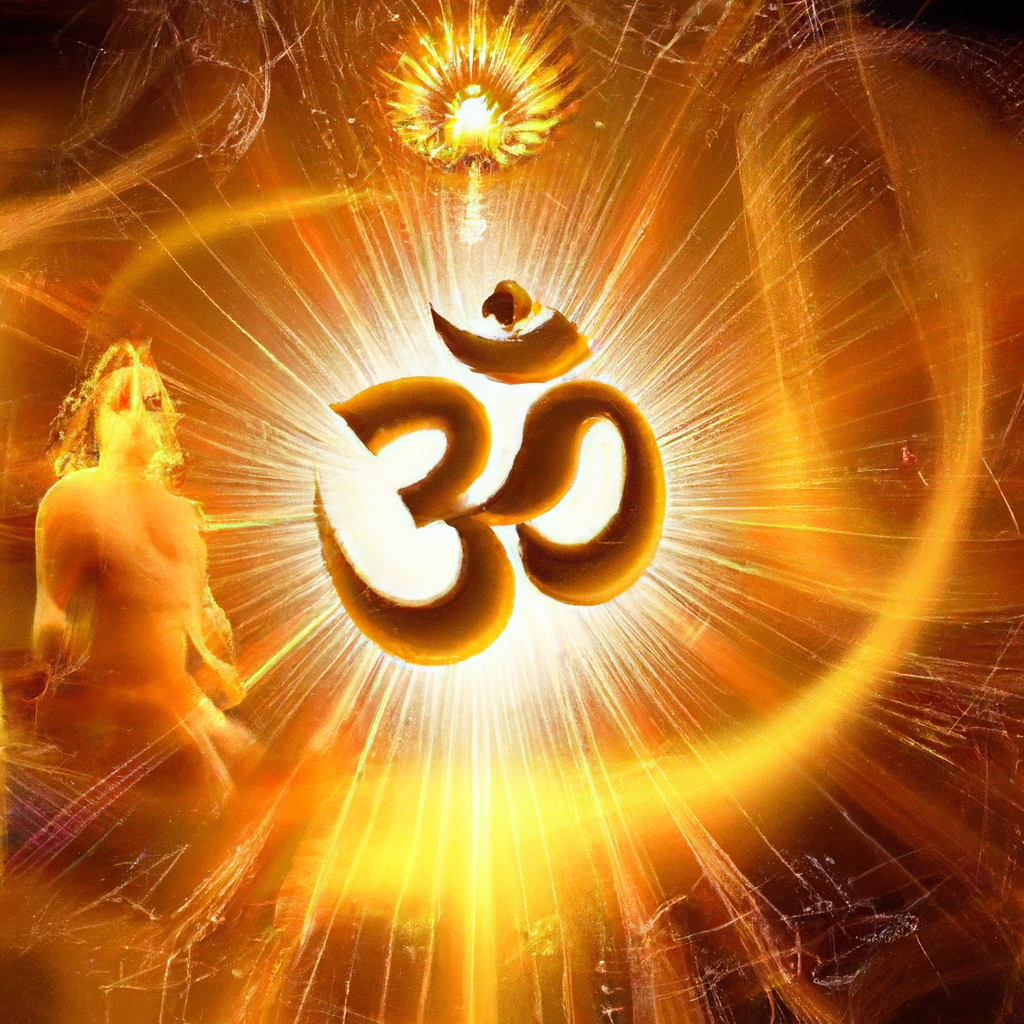
Symbols have the power to transcend the limitations of the physical world and connect individuals to the divine. They act as gateways, allowing seekers to access spiritual realms and communicate with higher beings. For example, the Om symbol in Hinduism represents the ultimate reality and serves as a tool for deepening meditation and achieving spiritual enlightenment. Symbols facilitate a sense of unity with the divine, providing a path for individuals to explore their spirituality and forge a deeper connection with something greater than themselves.
Enhancing spiritual experiences through symbols
Incorporating symbols into spiritual practices and rituals can enhance the depth and intensity of spiritual experiences. Whether it’s using a sacred geometry symbol during meditation or wearing a religious symbol during prayer, these visual representations serve as anchors for focus, intention, and devotion. Symbols can evoke states of deep reverence, joy, and tranquility, heightening spiritual experiences and fostering a sense of connection to something sacred.
This image is property of images.pexels.com.
Transcending language barriers
Symbols possess a universal language that transcends linguistic boundaries, allowing for communication and understanding beyond words.
Symbols as a universal language
Symbols have the power to communicate complex ideas without the need for spoken or written language. They can convey emotions, concepts, and experiences that may be challenging to articulate verbally. Additionally, symbols can be understood and appreciated across cultural backgrounds, promoting intercultural dialogue and understanding. A simple symbol, such as a heart, can convey love and affection, regardless of language or cultural nuances.
Communicating beyond words
Symbols offer a means of expression that transcends the limitations of verbal communication. They provide a creative outlet for individuals to express their spirituality, beliefs, and experiences through art, jewelry, and tattoos. Symbols can evoke profound emotions and create a shared understanding, fostering connections and conversations that transcend linguistic boundaries. By engaging with symbols, individuals can tap into a visual language that speaks directly to the heart and soul.
A visual representation of beliefs
Symbols serve as visual representations of complex concepts, making abstract ideas more accessible and relatable.
Using symbols to portray complex concepts
Certain religious or spiritual concepts can be abstract and challenging to comprehend fully. Symbols provide a tangible and visual representation of these concepts, making them more accessible to individuals seeking a deeper understanding. For example, the yin and yang symbol in Taoism represents the interconnectedness and balance of opposing forces, making it easier for practitioners to grasp and apply in their own lives. Symbols help condense profound ideas into digestible forms, allowing individuals to internalize and apply them to their spiritual journeys.
Accessible expressions of spirituality
Symbols offer a way for individuals to express and share their spirituality in tangible forms. Whether it’s wearing a religious pendant, displaying a sacred symbol in their home, or incorporating symbols into artwork, individuals can showcase their beliefs and values visually. Symbols create a sense of belonging and community, serving as reminders of personal devotion and connections to a larger spiritual network. By integrating symbols into their daily lives, individuals can externalize their inner spirituality and find comfort and inspiration in their physical surroundings.

This image is property of images.pexels.com.
Manifesting intentions
Symbols can be harnessed to manifest intentions and bring desired outcomes into reality.
Harnessing the power of intention through symbols
Symbols carry an inherent energy that can be infused with intentions and desires. By consciously selecting and engaging with specific symbols, individuals can align their thoughts, emotions, and actions towards manifesting their goals. For instance, creating and meditating with a symbol representing abundance can help focus the mind on attracting prosperity and success. Symbols act as potent reminders to remain aligned with one’s desires, serving as visual anchors for manifestation.
Creating and using manifestation symbols
Individuals can create their manifestation symbols or adopt existing symbols that resonate with their intentions. These symbols can be incorporated into vision boards, affirmations, or rituals, emphasizing the desired outcomes and keeping them at the forefront of consciousness. Whether it’s a personal sigil, a sacred geometry symbol, or a meaningful object, manifestation symbols act as catalysts for manifestation, reinforcing the individual’s commitment to their goals and desires.
Building community and shared identity
Symbols serve as unifying forces, fostering a sense of community and shared identity among individuals.
Symbols as a unifying force
Symbols have the power to bring people together, regardless of their cultural, religious, or linguistic differences. They act as unifying forces, connecting individuals who share a common understanding and belief system. For example, the crescent moon and star symbol in Islam create a sense of belonging and unity among Muslims worldwide. Whether it’s through religious symbols, flags, or cultural icons, symbols have the ability to transcend boundaries and forge connections among communities.
Using symbols in group rituals and ceremonies
Symbols play an integral role in group rituals and ceremonies, allowing communities to come together and engage in collective spiritual practices. From the symbolic gestures in religious rituals to the shared visuals in cultural festivities, symbols become the focal point that unites individuals, encouraging a sense of solidarity and deeper connection to the divine. Group rituals harness the collective energy and intention, amplifying the impact and significance of the symbols involved, fostering a shared experience of spirituality.
Healing and transformation
Symbols can be powerful tools for healing, guiding individuals on transformative journeys of self-discovery and growth.
Symbols as tools for healing
Symbols have the capacity to facilitate emotional healing, offering solace, and understanding during times of distress. They can serve as reminders of resilience, hope, and inner strength, creating a sense of comfort for individuals navigating challenging life experiences. Whether it’s the Ankh symbol in ancient Egyptian culture symbolizing eternal life and rebirth or the lotus flower representing spiritual awakening in Buddhism, symbols have the power to soothe, inspire, and promote healing.
Transformational journeys through spiritual symbols
Engaging with spiritual symbols can initiate transformational journeys, as individuals explore and integrate different aspects of themselves. Symbols act as navigational guides, assisting individuals in uncovering their innate wisdom, confronting their shadows, and embracing their true essence. By working with symbols consciously, individuals can embark on introspective and transformative journeys, ultimately leading to personal growth, self-realization, and spiritual evolution.
Honoring ancestral wisdom
Symbols provide a way to honor and continue the wisdom passed down by our ancestors.
Preserving and continuing ancient symbols
Symbols are often deeply rooted in the traditions and wisdom of our ancestors. By preserving and continuing to engage with ancient symbols, we honor the legacy and teachings of those who came before us. Symbols act as conduits, allowing us to tap into the collective wisdom and knowledge of previous generations, reminding us of our interconnectedness with the past and guiding our spiritual journeys.
Connecting with the wisdom of our ancestors through symbols
Incorporating ancestral symbols into our spiritual practices allows us to forge a deeper connection with our heritage and ancestral lineage. These symbols carry the accumulated wisdom, experiences, and insights of our predecessors, offering guidance and support on our own path. By incorporating ancestral symbols, individuals can tap into the collective consciousness, embrace their roots, and honor the profound wisdom that has been passed down through generations.
In conclusion, spiritual symbols hold immense historical, cultural, and psychological significance. They act as bridges to the divine, foster connections among individuals, and provide accessible expressions of spirituality. Symbols have the power to manifest intentions, facilitate healing and transformation, and honor ancestral wisdom. By engaging with spiritual symbols consciously, individuals can unlock profound insights, deepen their spiritual experiences, and embark on transformative journeys of self-discovery and growth.